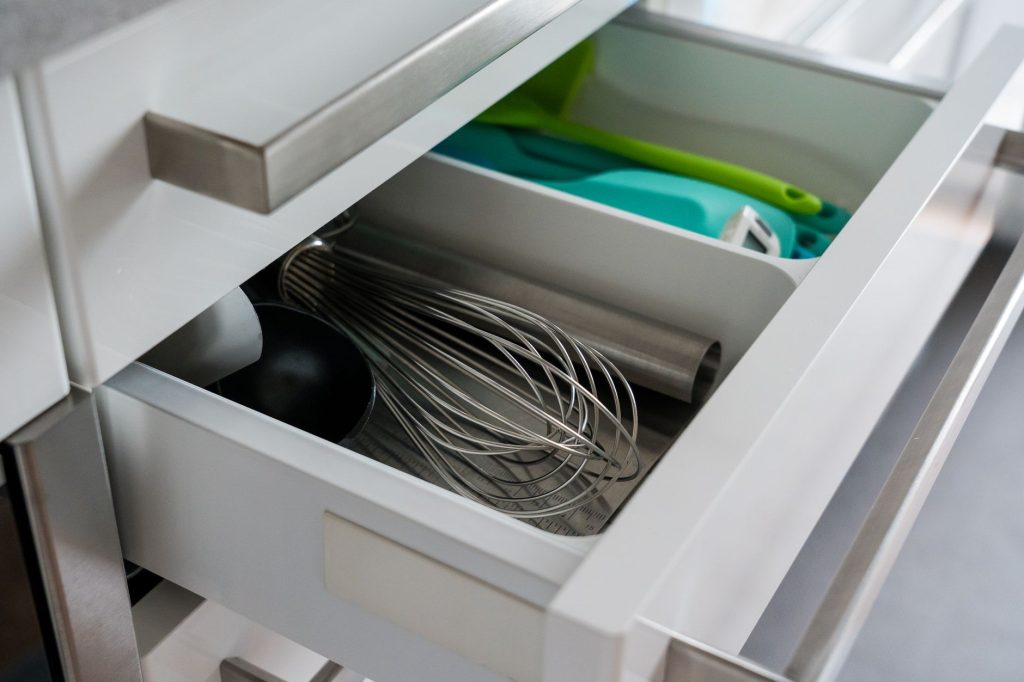

That cluttered drawer may be hiding tiny tools that help you waste less food, use fewer supplies, and avoid buying things twice.
The kitchen junk drawer gets blamed for clutter, but it also collects the small, boring items that quietly prevent bigger spending. A clip can save a bag of snacks from going stale. A marker can keep leftovers from becoming mystery food. A forgotten gift card can turn into an almost-free grocery run. Before you dump the drawer into a trash bag, look for these six practical finds that still have money-saving work to do.
Rubber Bands
Rubber bands look disposable until you start using them as tiny food-waste blockers. A snug band around a cereal liner, cracker sleeve, rice bag, or frozen vegetable package can buy you more time before pantry items go stale or spill into the cabinet. They also help grip stubborn jar lids, bundle loose takeout utensils, and keep charging cords or appliance cords from tangling in the drawer.
- Why it saves: It can delay replacing food that dried out, spilled, or went stale because the package was left open.
- What to check: Toss brittle or sticky bands, but keep strong ones in a small cup or bag so they are easy to grab.
The key is making them visible. If rubber bands are buried under menus and batteries, nobody uses them. Park a few near lunch supplies, pantry staples, or freezer bags, and they become a no-cost substitute for another box of specialty clips.
Binder Clips
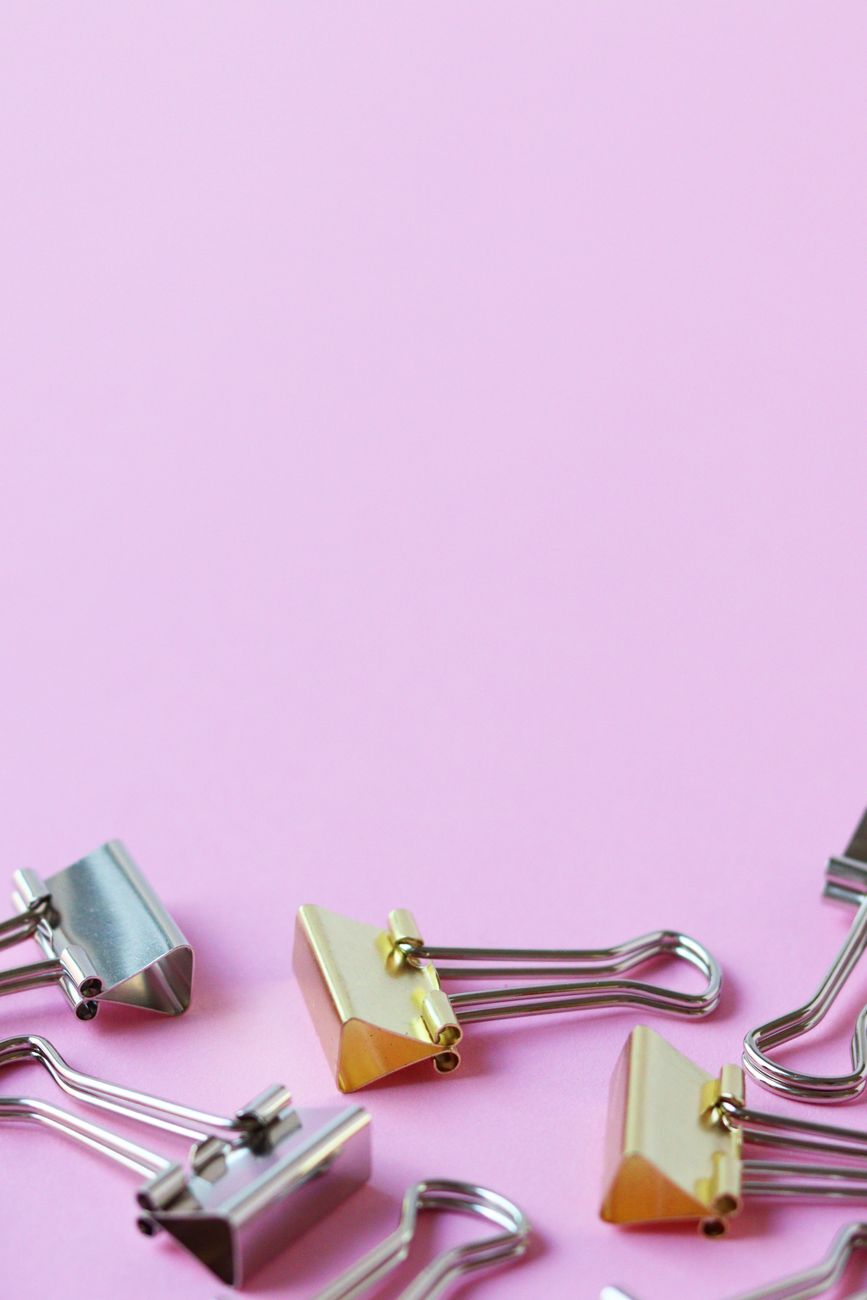
Binder clips are one of the most useful non-kitchen items hiding in a kitchen drawer. They clamp tighter than many flimsy plastic clips, which makes them handy for coffee bags, chips, flour, sugar, frozen fruit, and anything else that turns expensive when air gets in. They can also hold a recipe card upright, clip a grocery list to a reusable bag, or keep a sponge from sitting in water.
- Why it saves: Better sealing can reduce stale snacks, freezer burn, pantry spills, and repeat purchases caused by ruined ingredients.
- Who it helps: Busy families, snack-heavy households, bakers, and anyone who opens several bags before finishing the first one.
If you already own binder clips, they are worth keeping in the kitchen instead of buying a new pack of novelty food clips. Choose medium or large clips for heavier bags, and wipe them dry before using them around freezer items.
Permanent Marker
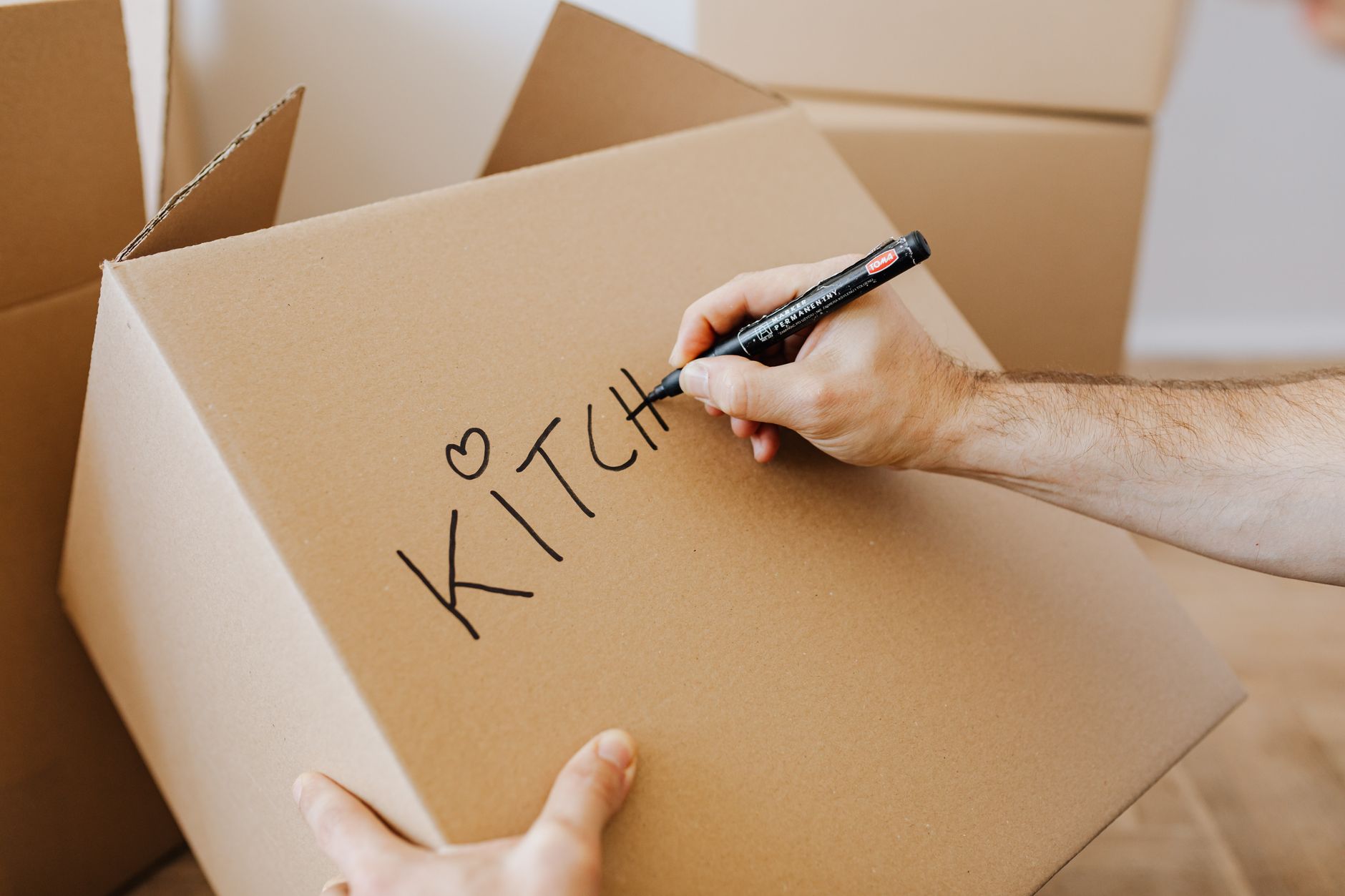
A permanent marker can save money by ending the leftover guessing game. When containers are not labeled, last night’s soup becomes a mystery block in the freezer, and pantry jars turn into look-alike powders nobody wants to risk using. A quick name and date helps you use food while it is still appealing, rotate older items first, and avoid buying another package of something already sitting on a shelf.
- Why it saves: Clear labels reduce food waste, duplicate grocery purchases, and accidental tossing of perfectly usable ingredients.
- What can go wrong: If the marker lives in a faraway office drawer, people skip the label. Keep one where leftovers are packed.
This is especially useful for batch cooking, freezer meals, bulk spices, and school-lunch prep. Pair the marker with masking tape or freezer labels if you reuse containers and want the writing to come off cleanly later.
Measuring Spoons
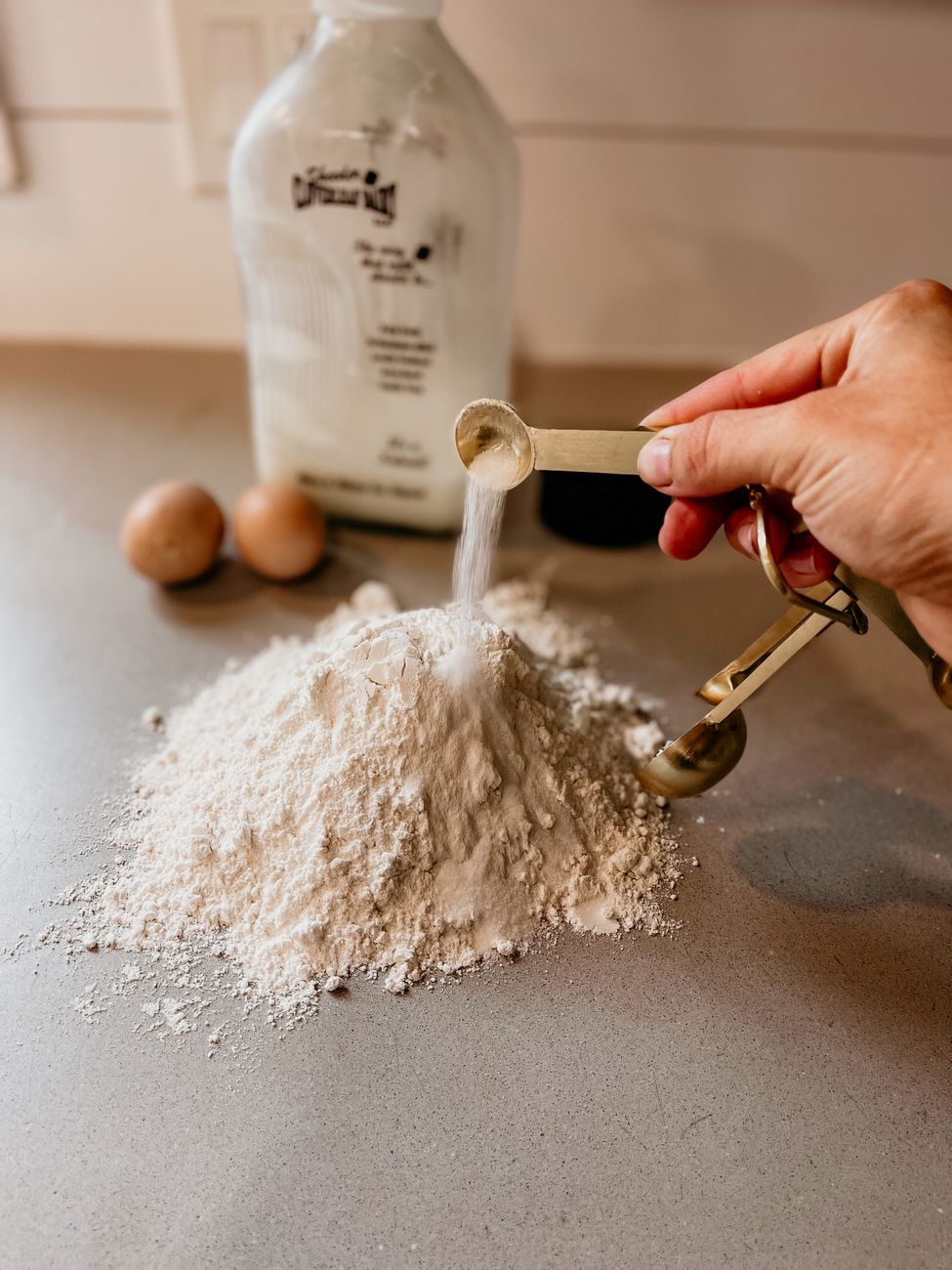
Measuring spoons do more than help with recipes. They can stop the slow overspending that comes from eyeballing coffee, powdered drinks, baking ingredients, dish soap concentrates, and other products people routinely pour too generously. A heaping scoop may not feel costly once, but repeated over weeks it empties containers sooner and nudges another grocery or warehouse run onto the calendar.
- Why it saves: Accurate portions make consumable products last closer to their intended number of uses.
- What to check next: Compare the serving size or use directions on the package with the spoon you actually use every day.
This works best when a spoon is dedicated to a specific product. Keep one in the coffee canister, one near drink mix, or one with bulk baking staples. The goal is not to be fussy; it is to make the cheaper, consistent choice the easiest one.
Takeout Sauce Packets
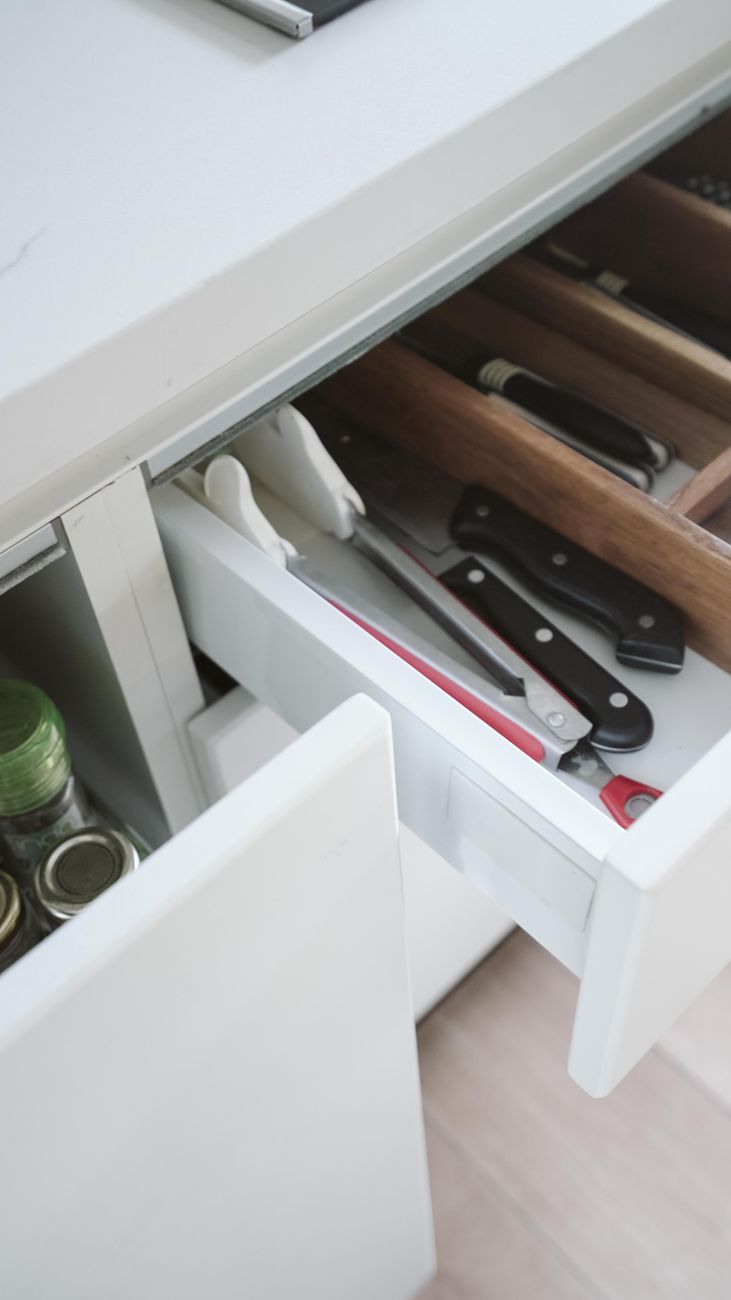
Takeout sauce packets can become clutter fast, but a small, controlled stash can prevent small purchases from snowballing. Soy sauce packets can finish a stir-fry, ketchup can cover a lunchbox emergency, and hot sauce can save a bland leftover from being ignored. The trick is treating packets like pantry items, not drawer confetti, and using them before they become sticky, faded, or questionable.
- Why it saves: Using what you already have can delay buying another full bottle of a condiment you only need occasionally.
- What can go wrong: Hoarding dozens of packets wastes space and makes it harder to find useful items. Keep only clean, unopened packets you will actually use.
Sort them into a small container and set a limit. If the container is full, use them up before keeping more. Check labels, appearance, and smell before using, and discard anything leaking or old enough that you no longer trust it.
Gift Cards and Store Credits
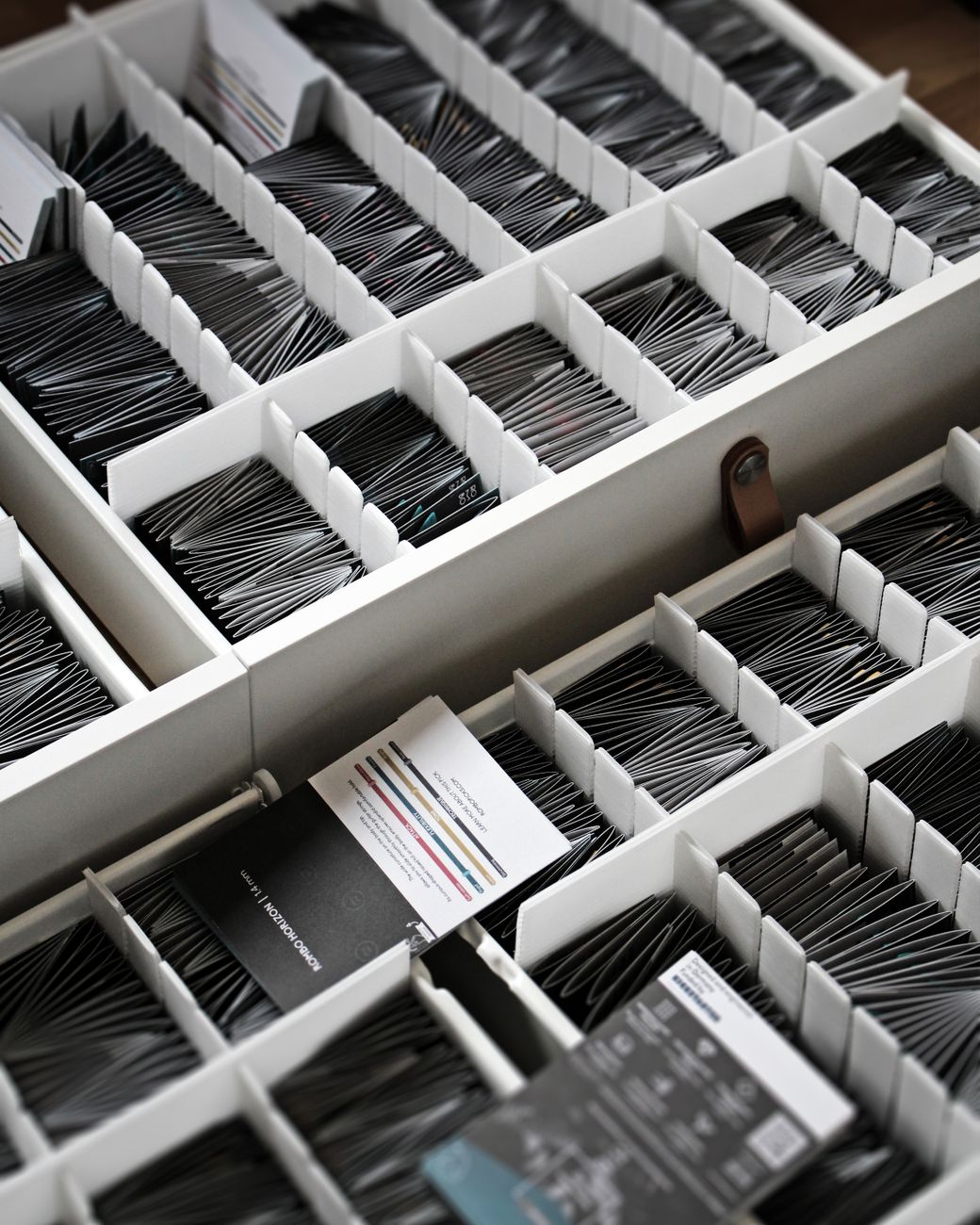
Gift cards, refund slips, and store credits often land in the kitchen drawer after a return, birthday, or quick cleanup. Then they disappear under tape, batteries, and old keys until someone pays full price at the very store where they already had money waiting. A few minutes of sorting can turn forgotten plastic and paper into grocery help, school supplies, gas-station snacks, or a discounted household purchase.
- Why it saves: Store credit used on planned purchases reduces the cash or card charge at checkout.
- What to check: Look for remaining balances, expiration rules, damaged barcodes, and whether the card works online or only in store.
Keep usable cards together in a wallet sleeve, envelope, or phone note so they travel with you instead of sitting at home. If the balance is small, pair it with an errand you already planned rather than making a special trip that costs more than the card is worth.
A kitchen drawer does not need to be perfectly organized to save money, but it does need a little editing. Keep the small tools that prevent waste, group them where people can actually find them, and discard anything broken, expired, leaking, or duplicated beyond reason. The cheapest household helper is often the one you already own and forgot to use.