
A few dollars here and there can feel painless until every app, trial, box, and renewal lands in the same billing cycle.
Subscription spending rarely feels dramatic at the moment you click subscribe. The charge is small, the service seems useful, and canceling can wait until later. Then the statement arrives and the pattern is suddenly harder to ignore. The issue is not one app or one trial. It is the stack of quiet renewals, upgrades, and forgotten plans that turn convenience into clutter.
The Forgotten Free Trial
The free trial is designed to feel low-risk because the first charge is delayed. That delay is exactly why it gets missed. You may sign up to watch one show, test one productivity tool, or unlock one recipe app, then forget the end date once the immediate need is gone. The first real charge often looks small enough to ignore, which lets the next one happen too.
- Check next: search email for trial, renewal, and welcome messages.
- Why it matters: a trial only saves money if you cancel before it becomes a habit you never chose.
The Duplicate Streaming App
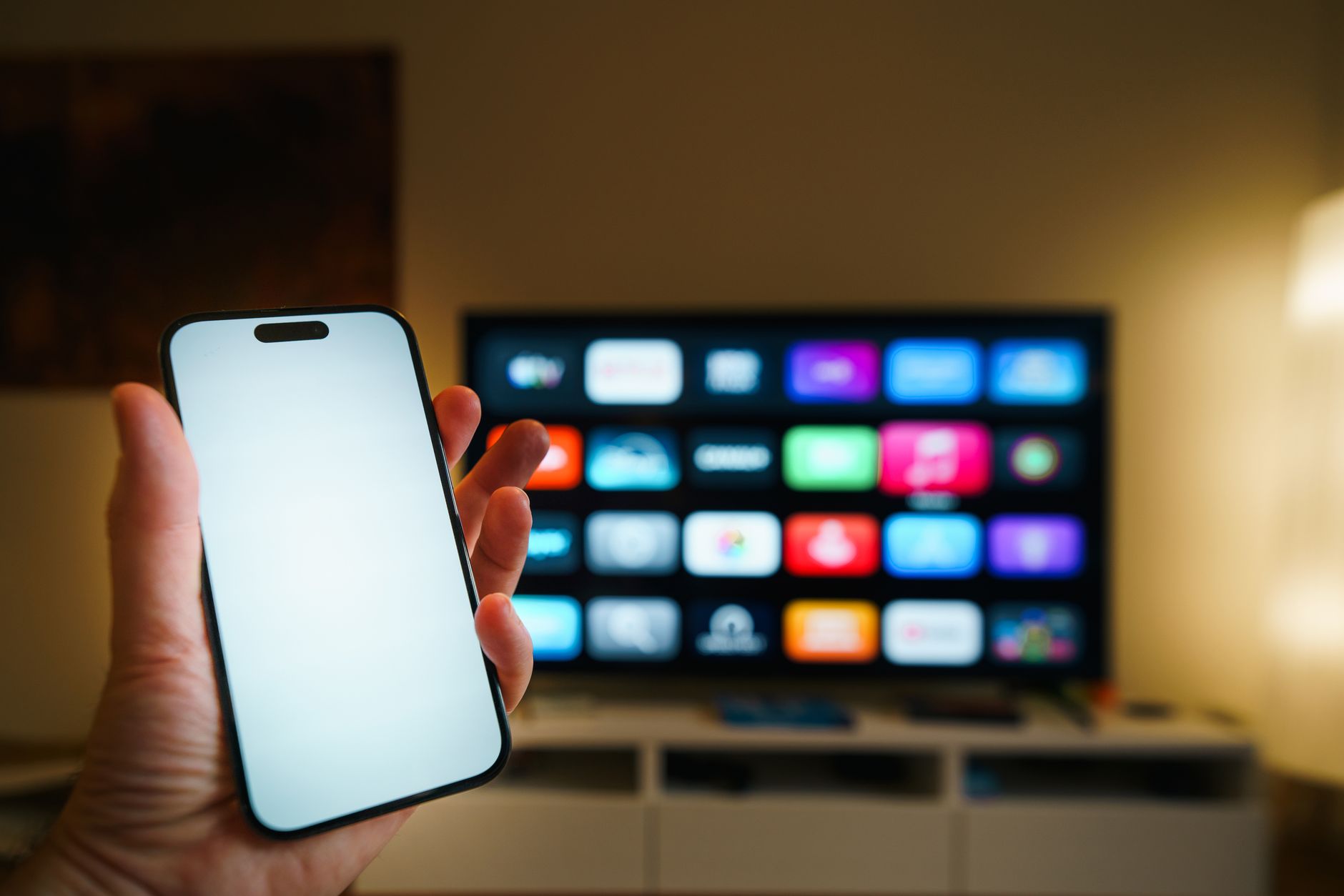
Streaming subscriptions are easy to justify one at a time because each one promises a different show, sport, or family favorite. The problem starts when several services fill the same role. If you mainly watch one or two nights a week, paying for multiple platforms at once can mean you are funding choice more than actual viewing. Families also run into overlap when one person subscribes on a phone while another already pays through the TV account.
- Check next: compare the last 30 days of viewing against the apps you pay for.
- Smart move: rotate services instead of keeping every library open year-round.
The Annual Renewal Surprise
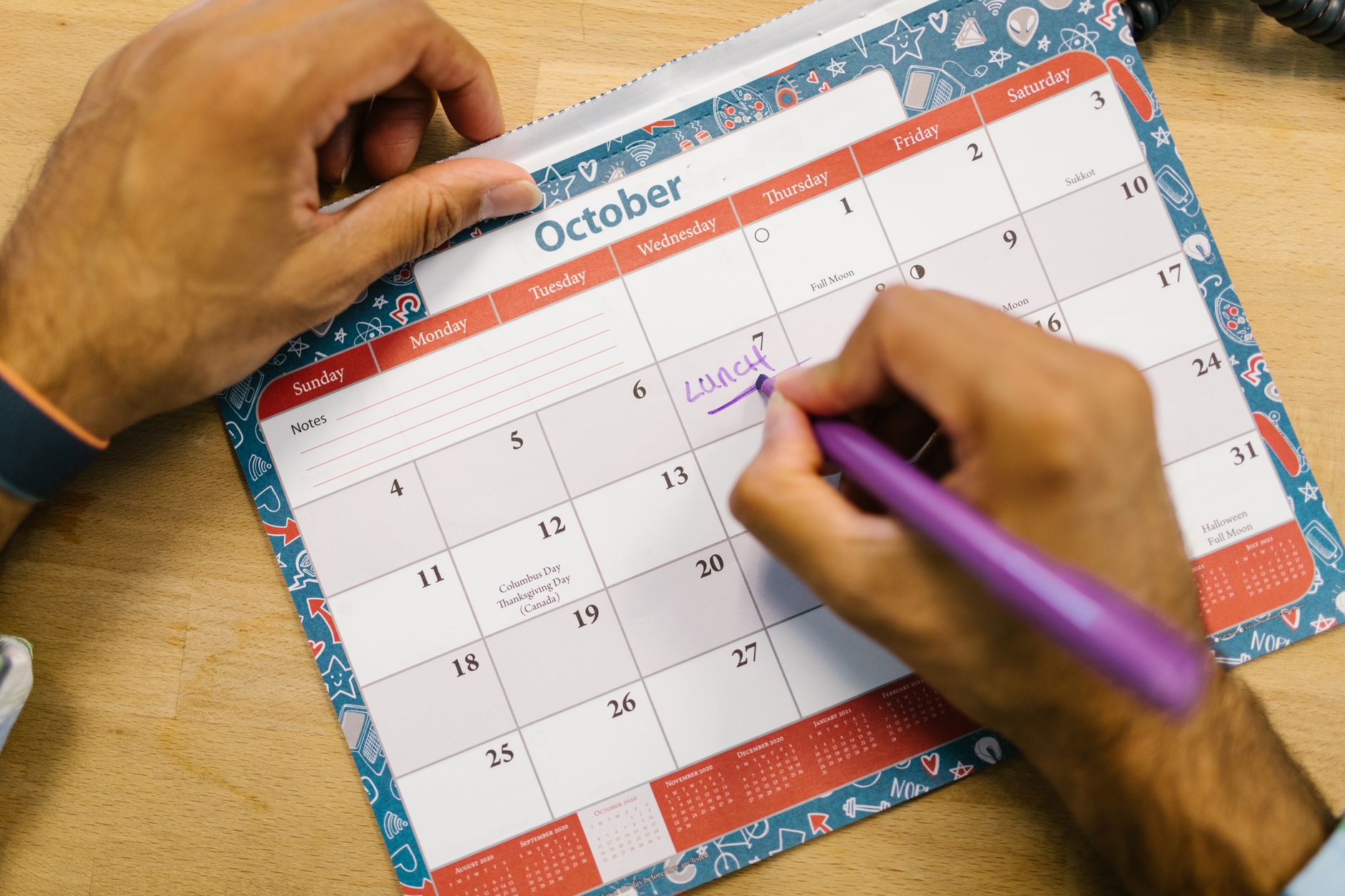
Annual subscriptions can look cheaper than monthly plans, but they are easier to forget because they disappear for almost a year. When the renewal hits, it may arrive during a busy or expensive month, making the charge feel larger than expected. This affects software, memberships, learning apps, warehouse clubs, and media services. The real issue is timing: you may still value the service, but not enough to be surprised by it.
- Check next: put renewal dates in your calendar with a reminder two weeks early.
- Watch for: price increases that appear only in renewal emails.
The In-App Upgrade
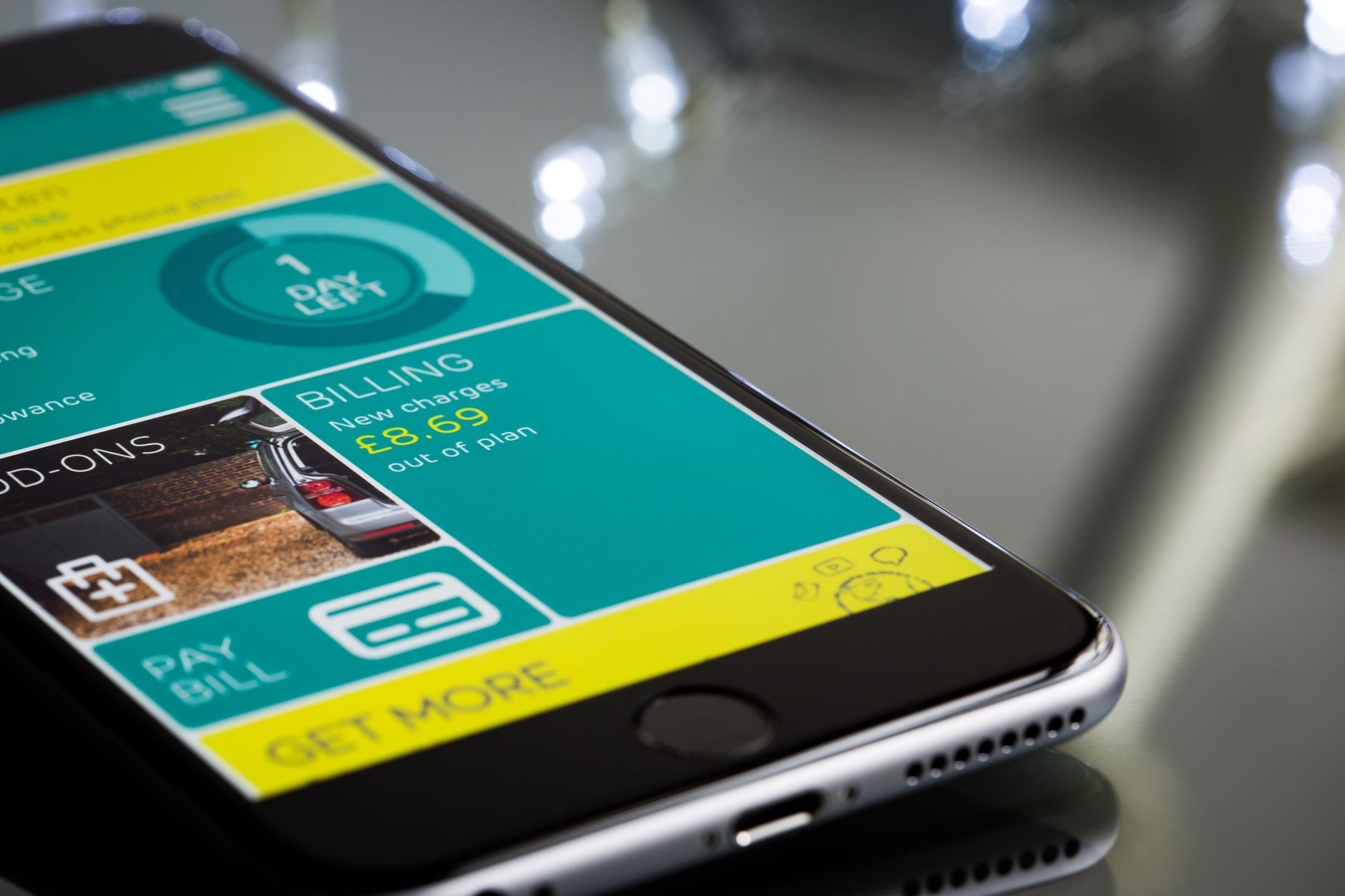
In-app upgrades are sneaky because they do not always feel like a separate subscription. You tap for extra storage, no ads, premium filters, bonus workouts, or a one-time feature, then discover it renews automatically. These charges can be especially easy to miss when they are billed through an app store instead of the company name you recognize. The statement may show a platform charge, not the app you thought you were trying.
- Check next: open your phone subscription settings, not just the app itself.
- Why it matters: upgrades bought in seconds can renew for months without being used.
The Family Plan Nobody Uses
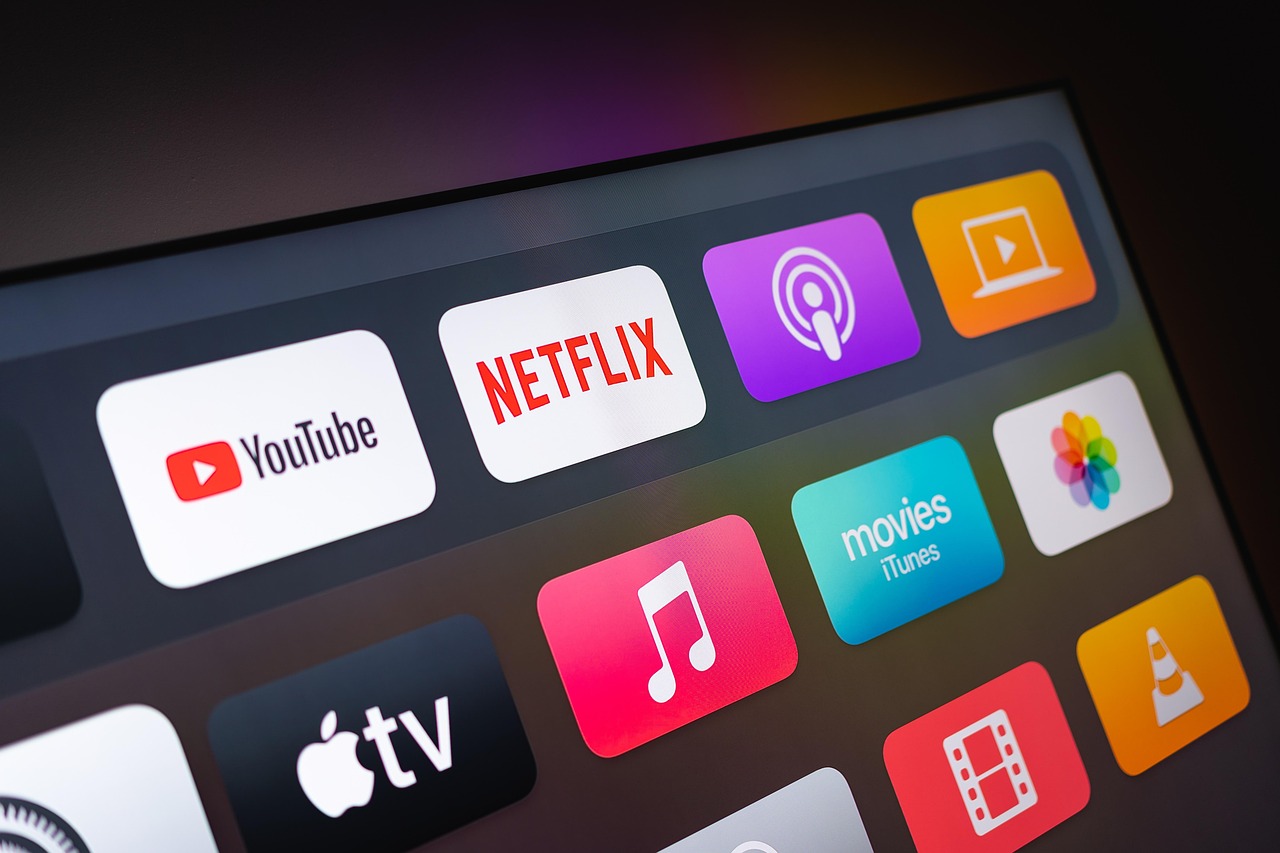
Family plans can be a bargain when everyone actually uses them. They become wasteful when the household changes, kids move on to different apps, or relatives forget they were added in the first place. The larger plan may still feel responsible because it sounds like sharing, but the value depends on active users. If only one person logs in, the household may be paying for seats, screens, or profiles that no longer matter.
- Check next: review account users and recent activity before the next billing date.
- Good question: would the smaller plan cover the way your household uses it now?
The Cloud Storage Creep

Cloud storage often begins as a practical fix: the phone is full, photos need backup, or work files must sync across devices. Over time, the plan can creep upward as old videos, duplicates, screenshots, and forgotten downloads pile up. Paying for storage may still be worth it, but many people keep buying space instead of clearing clutter. The monthly charge feels small because it solves an annoying problem instantly.
- Check next: delete duplicates and large unused files before upgrading again.
- Why it matters: storage plans can become a rent payment for digital clutter.
The Fitness App After January
Fitness apps are easy to start when motivation is high, especially around a new routine, a vacation goal, or the beginning of the year. The charge can continue long after the workouts stop. This is not about guilt; routines change, injuries happen, schedules get crowded, and people often move to free videos, walking, or a local gym. The waste comes from letting an unused app quietly renew because canceling feels like admitting the plan failed.
- Check next: look at your workout history inside the app before renewal.
- Better test: if you would not rejoin today, pause or cancel before another month posts.
The Box Subscription Pile

Subscription boxes can feel fun because they turn shopping into a surprise. The trouble starts when the products arrive faster than you use them. Beauty samples, snacks, pet toys, coffee, meal kits, craft supplies, and clothing boxes can become a pile of good intentions. Even when each box has value, the household may not need that much inventory. The statement shows the cost, but the closet, pantry, or entryway often shows the real problem first.
- Check next: count unopened items before the next shipment processes.
- Why it matters: a discounted box is not a deal if it creates clutter you would not buy again.
The easiest way to spot subscription waste is to stop judging charges one at a time. Review a full month of card and bank activity, group every recurring payment, and ask whether you would sign up again at today’s price. Keep cancellation confirmations, watch statements after canceling, and set reminders before renewals. A few minutes of cleanup can turn a messy list of small charges back into money you actually notice.