
The cheap, boring tasks are often the ones that protect the expensive parts.
Most car trouble does not arrive with a dramatic warning. It starts as a slow tire leak, cloudy fluid, a cracked hose, or a filter that has been ignored for one more month. The problem is that routine maintenance feels optional until the car starts making a noise, overheating, shifting strangely, or refusing to start. These seven overlooked tasks are worth putting back on your calendar before a small errand becomes a costly shop visit.
Tire Pressure Checks
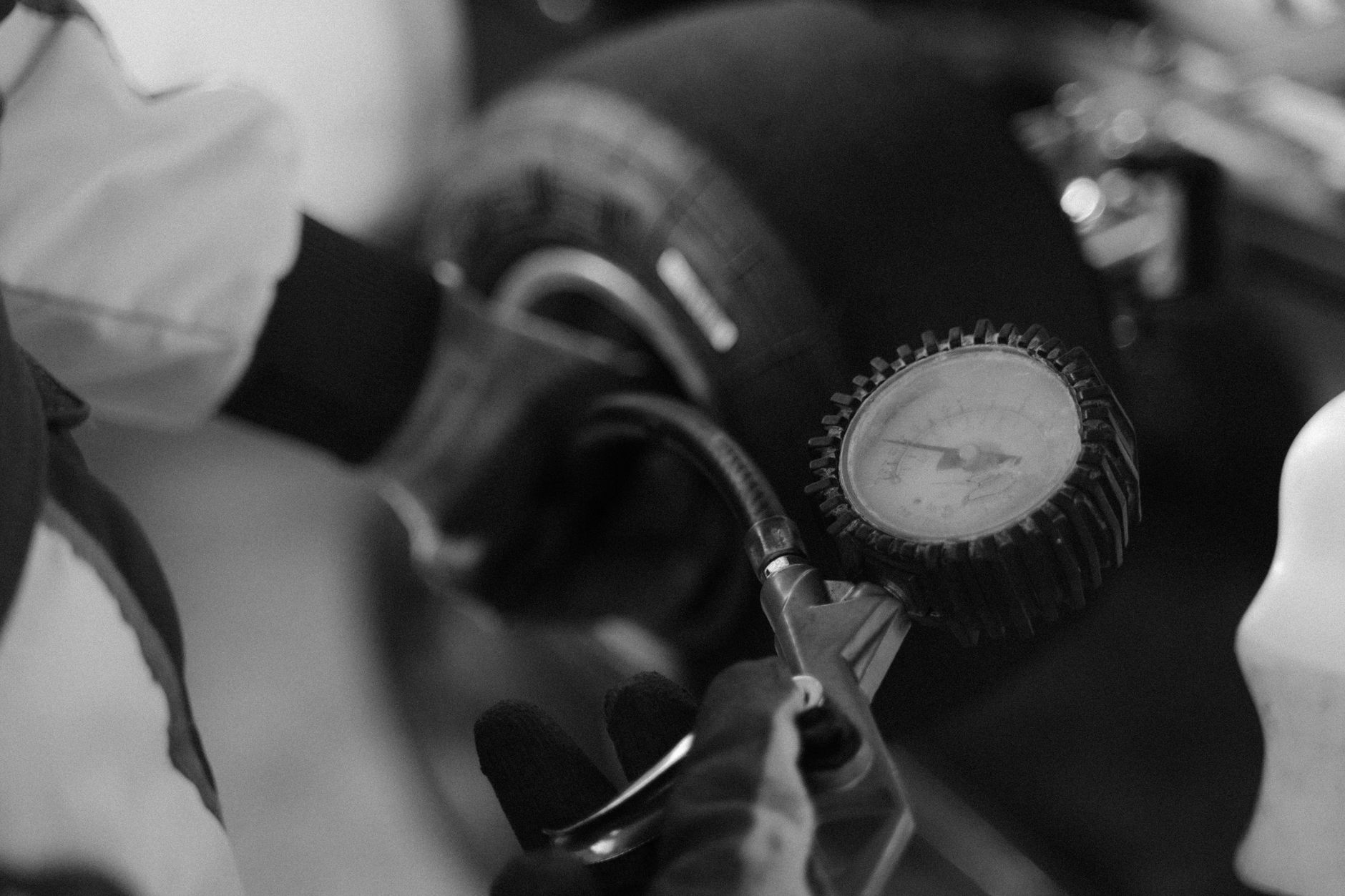
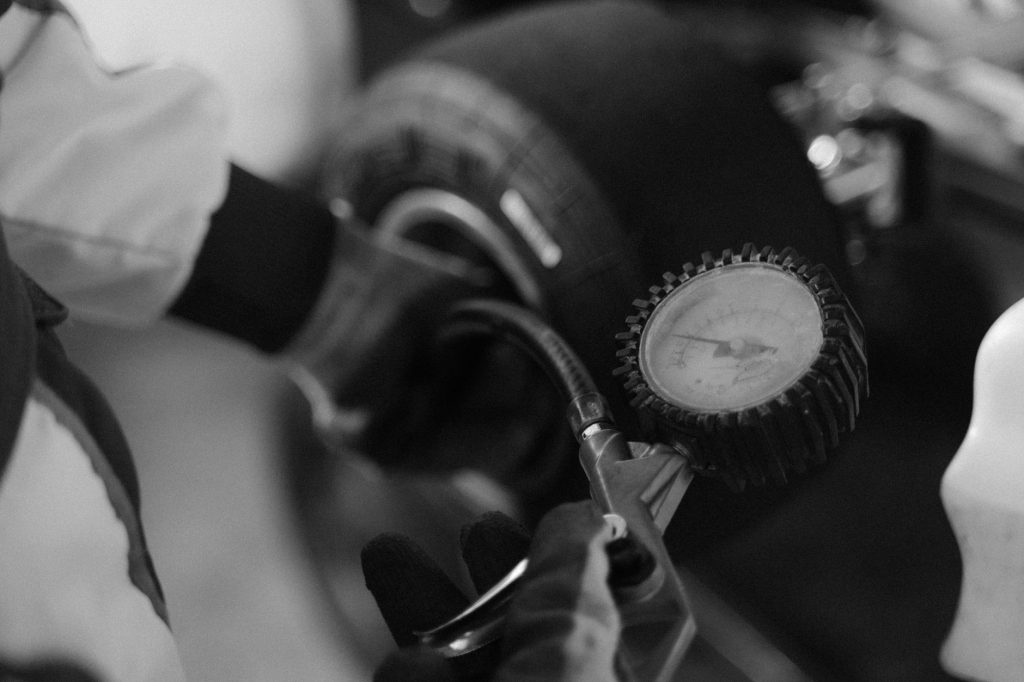
Tire pressure is one of the easiest maintenance checks to skip because the car usually keeps moving even when the tires are underinflated. The problem is that low pressure can make tires wear unevenly, reduce fuel economy, and affect braking or steering feel. Overinflation can also make the ride harsher and reduce the tire contact patch.
- Check monthly and before long trips.
- Use the door-jamb sticker for the recommended pressure, not the number molded on the tire.
- Look for repeat losses that may point to a nail, damaged valve stem, or slow leak.
This helps commuters, parents, road-trippers, and anyone trying to stretch the life of a tire set.
Brake Fluid Service
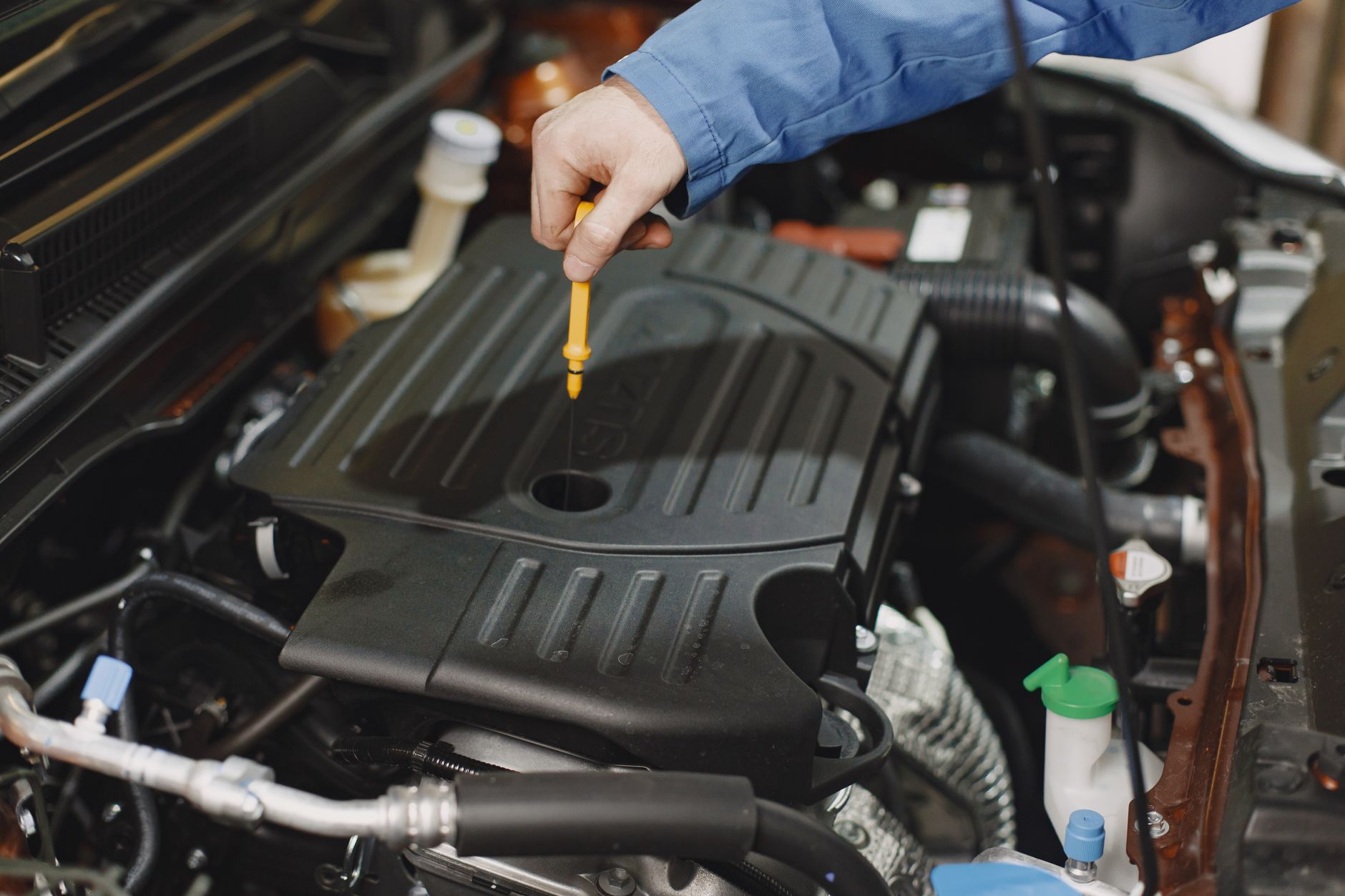
Drivers often pay attention to brake pads because they squeal, but brake fluid is easier to forget. Brake fluid can absorb moisture over time, and old fluid may contribute to a softer pedal or corrosion inside parts of the braking system. It is not something to guess at based only on color, but it is worth asking about when the car is already in for service.
- Check the maintenance schedule for the recommended interval.
- Ask about fluid condition during brake inspections.
- Do not ignore pedal changes such as sponginess, sinking, or longer stopping feel.
Because brakes affect everyone in the car and everyone around it, this small line item deserves more attention than it usually gets.
Engine Air Filter Replacement
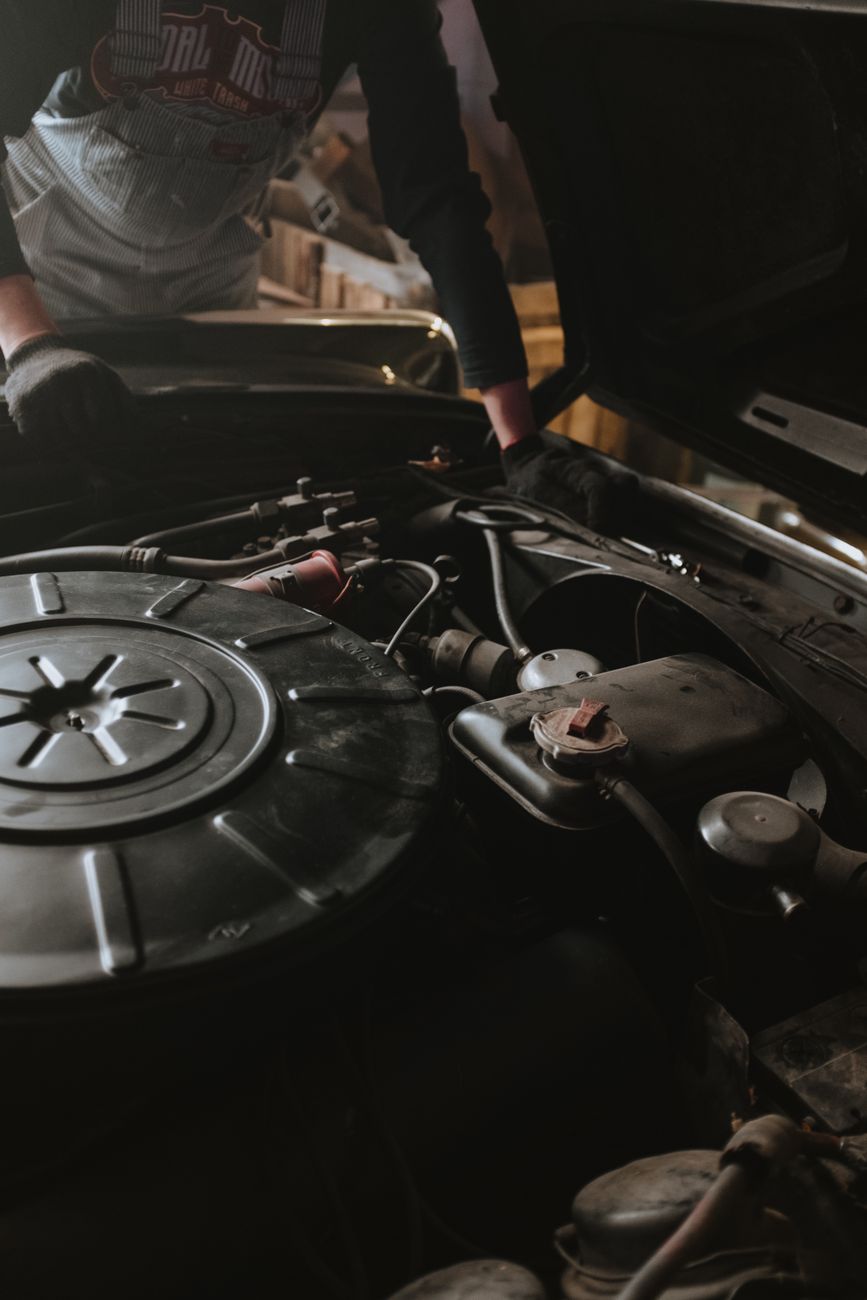
The engine air filter is easy to forget because it is tucked away in a plastic box under the hood. When it gets clogged with dust, leaves, or road debris, the engine may have to work harder to breathe. On many modern cars, sensors help compensate, but a neglected filter can still hurt drivability and efficiency and may allow debris problems if the filter is damaged or poorly seated.
- Inspect it visually if your vehicle makes access simple.
- Replace it on schedule or sooner in dusty areas.
- Make sure the housing closes fully after replacement.
This is a practical task for owners who want a low-cost maintenance item that can be checked quickly during an oil change.
Battery Terminal Cleaning
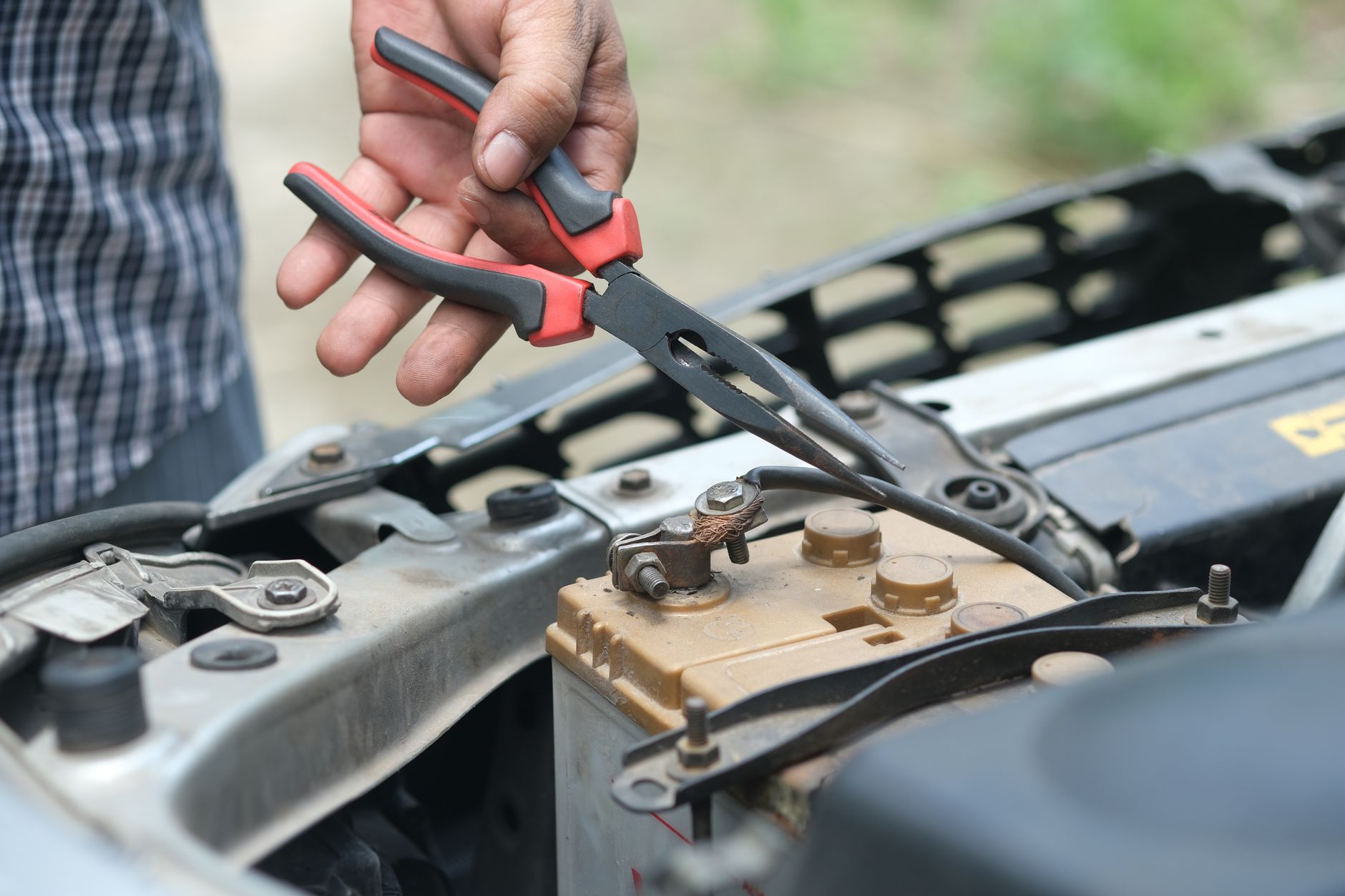
A weak battery gets blamed for many no-start mornings, but the terminals and cable connections matter too. Corrosion around the posts can interfere with a clean connection, especially in hot, humid, or salty environments. A car may crank slowly, start inconsistently, or act like the battery is worse than it really is.
- Look for crusty buildup around the positive and negative terminals.
- Have the battery tested if starts are slow or lights dim.
- Check cable tightness when a technician services the battery.
Cleaning battery terminals is not glamorous, but it can prevent confusion, towing hassles, and unnecessary replacement guesses when the real issue is a poor connection.
Coolant Level and Condition
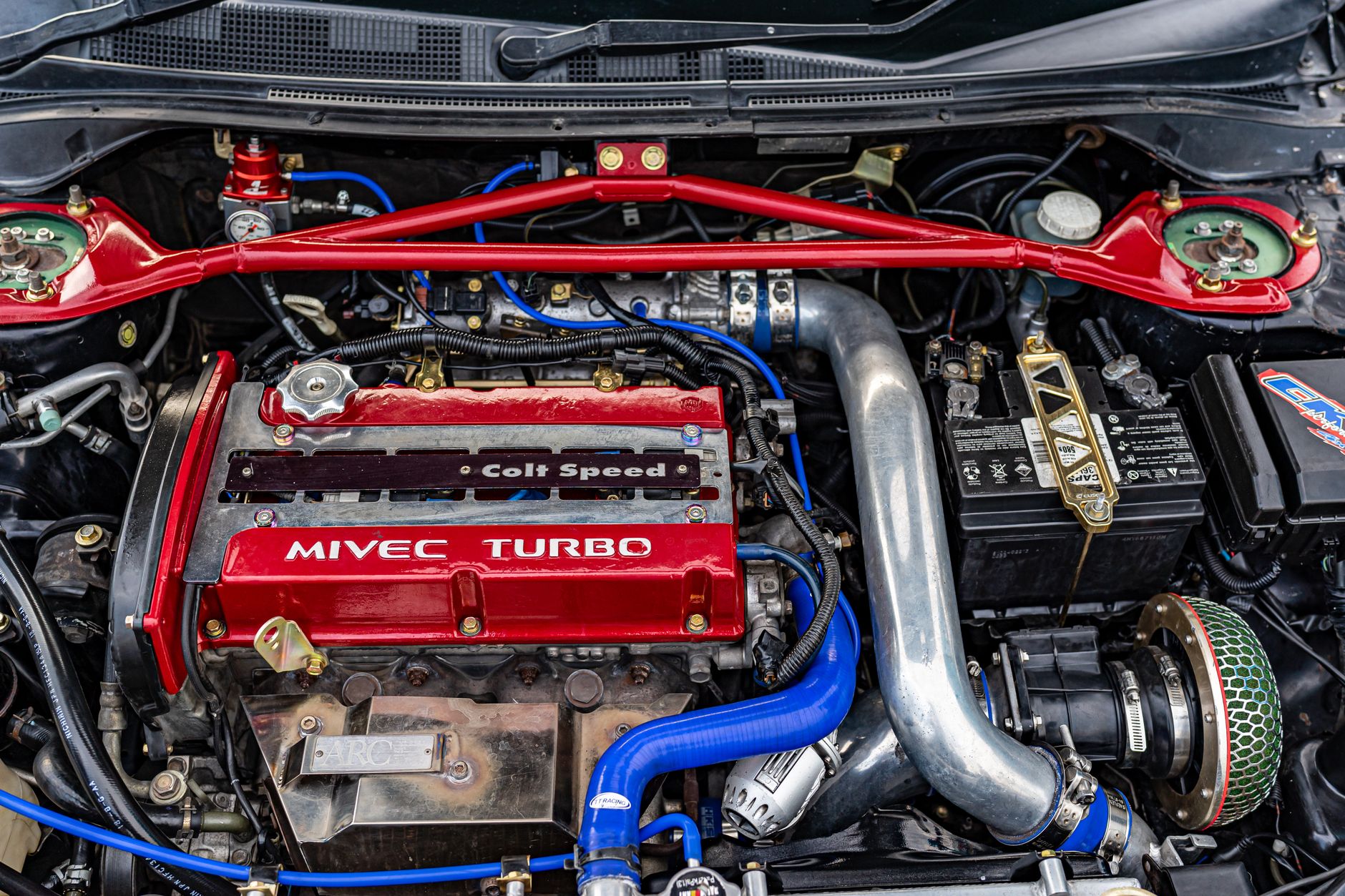
Coolant is not just for winter. It helps manage engine temperature and protects parts of the cooling system. Drivers often overlook it because the reservoir is semi-hidden and the car seems fine until the temperature gauge climbs. Low coolant can point to a leak, and old or contaminated coolant can reduce protection inside the system.
- Check the level only when the engine is cool and use the reservoir markings.
- Watch for sweet smells, puddles, or white residue near hoses and the radiator area.
- Follow the service interval for coolant replacement.
Overheating can turn a normal drive into a major repair conversation, so this is one of the checks worth taking seriously.
Transmission Fluid Service
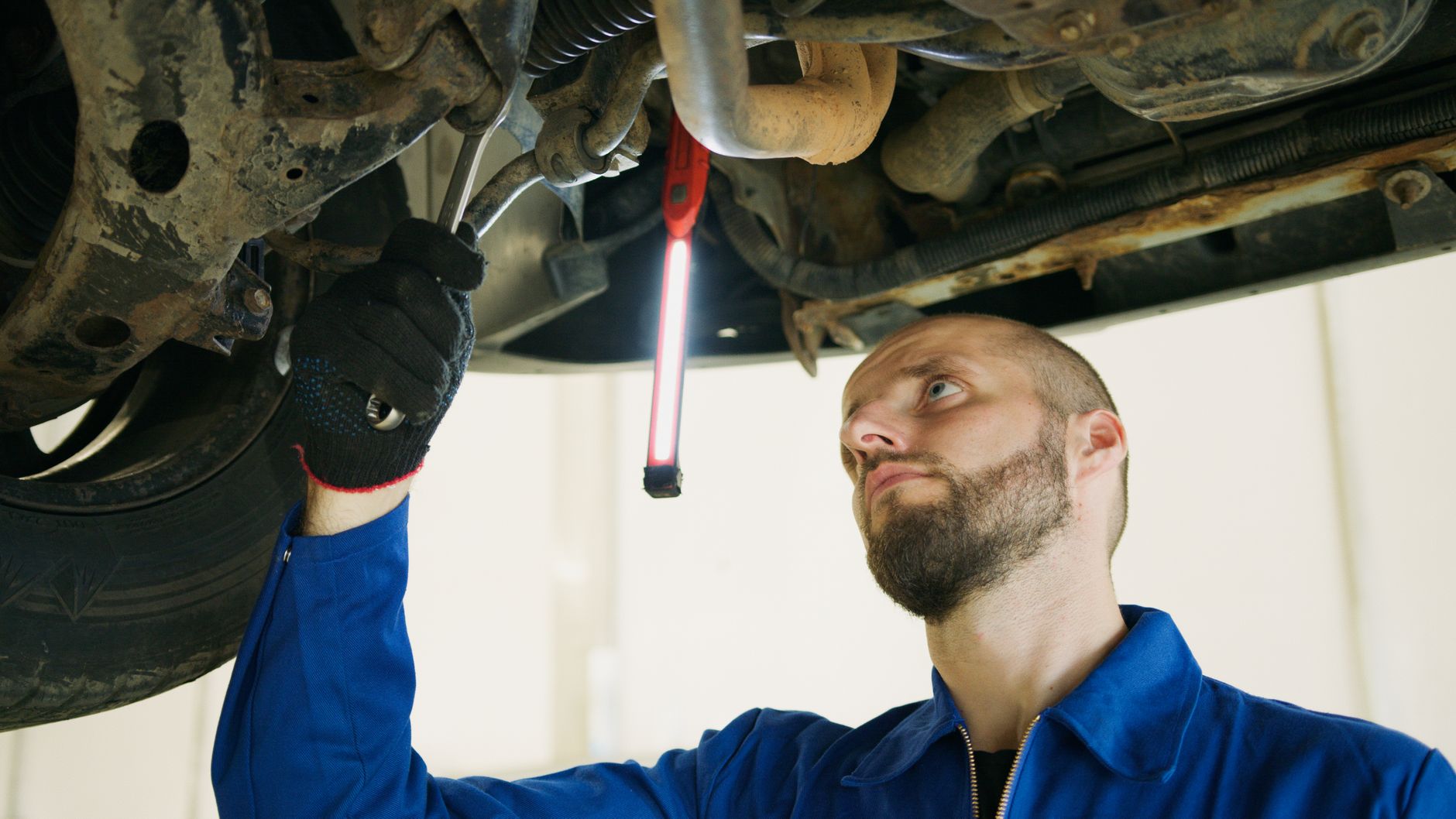
Transmission service is often ignored because many vehicles do not make it easy for owners to check the fluid. Some have sealed systems, and maintenance language can vary by model. That does not mean the fluid should be forgotten. Delayed engagement, rough shifts, slipping, or shuddering can become expensive fast if the underlying issue is allowed to continue.
- Read the owner manual for the exact service guidance for your vehicle.
- Ask whether your driving counts as severe service if you tow, sit in traffic, or drive in heat.
- Do not wait for harsh shifting before asking a shop to inspect it.
This matters most for drivers planning to keep a vehicle well past the loan or warranty period.
Belts and Hoses Inspection
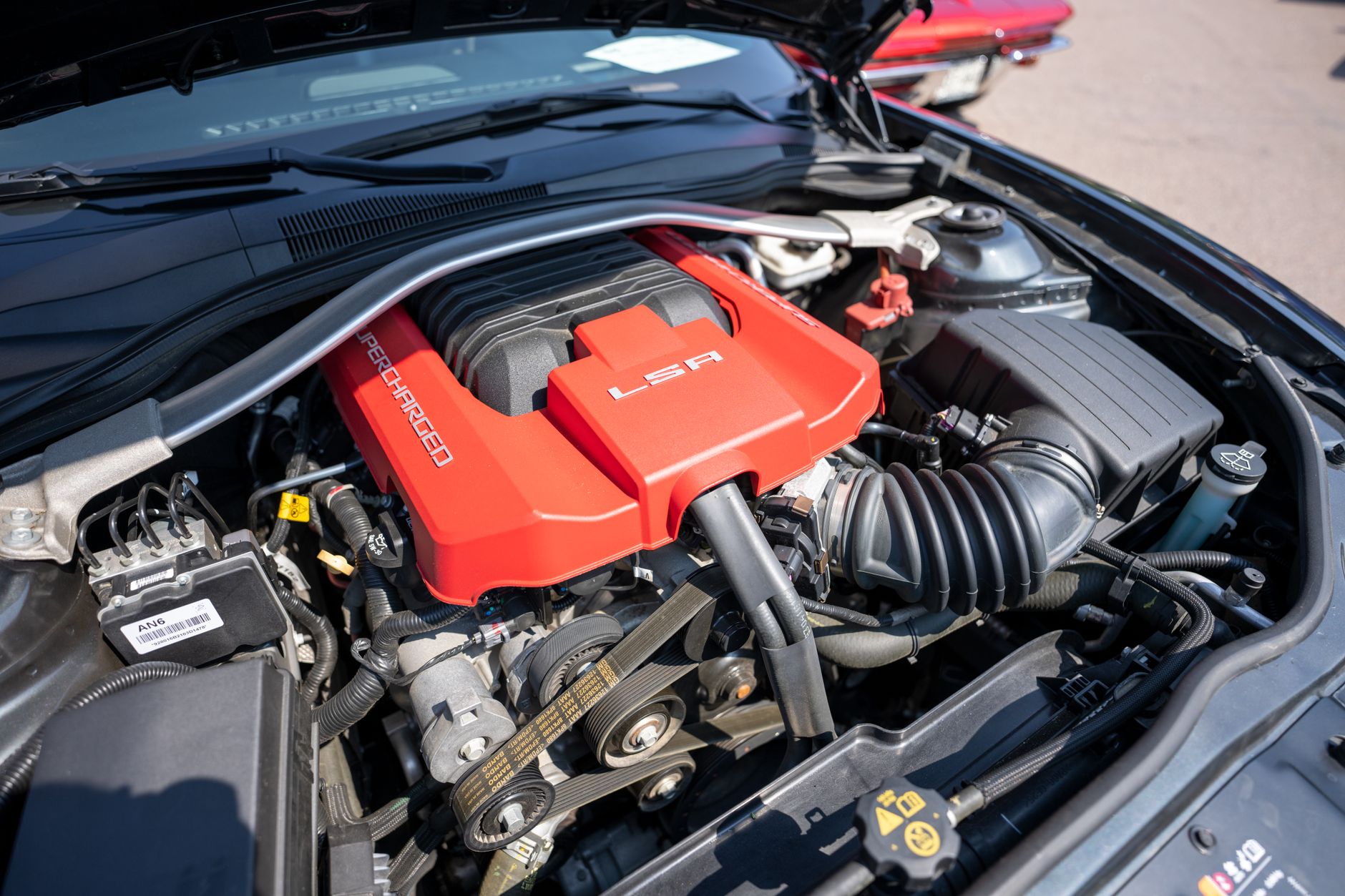
Rubber parts age quietly. A belt may start with tiny cracks, glazing, or squeaks. A hose may soften, bulge, or develop a leak near a clamp. Drivers often miss these clues until a belt snaps, the alternator stops charging, or coolant leaks onto the pavement. A quick inspection during routine service can catch warning signs before a roadside problem.
- Listen for squealing at startup or when accessories are running.
- Look for cracks, swelling, leaks, or frayed edges during inspections.
- Replace related parts together when a trusted technician recommends it and explains why.
This task is especially useful for older vehicles, high-mileage commuters, and cars that sit for long periods between drives.
The best maintenance habit is not memorizing every part under the hood. It is making the owner manual usable, keeping simple reminders, and asking better questions during routine service. If a task has been out of sight for a while, bring it up before the car forces the conversation. A small inspection today can give you more choices than an urgent repair tomorrow.