Category: Household Hacks

  • 8 Smells That Help Keep Snakes Away From Your Yard

    8 Smells That Help Keep Snakes Away From Your Yard

    Snakes play an important role in local ecosystems by helping control rodent populations, but most homeowners would rather not find one near a patio, garden bed, or children’s play area. No smell can guarantee that snakes will stay away forever. Food sources, shelter, and water remain the biggest factors that attract them.

    Still, some scents are believed to make certain areas less appealing. Combined with good yard maintenance, these odors may encourage snakes to move elsewhere. Here are eight smells that are commonly used as part of a broader snake-deterrent strategy.

    1. Garlic

    lots of garlics
    Photo by team voyas on Unsplash

    Garlic has long been used as a natural pest deterrent, and it frequently appears in discussions about snake prevention. The strong sulfur compounds released when garlic is crushed create a powerful odor that many animals avoid.

    Some homeowners place chopped garlic around garden borders or mix garlic extracts with water to create a spray. Results vary, but garlic remains one of the most popular natural options because it is inexpensive and easy to apply.

    2. Onion

    white garlic on brown wooden table
    Photo by mayu ken on Unsplash

    Like garlic, onions contain sulfur-rich compounds that produce a sharp scent when cut or crushed. The odor can linger in the soil and surrounding area for a short period.

    Some people combine onions and garlic into homemade yard sprays. The smell may not affect every snake species the same way, but it can add another layer to a broader effort to make certain areas less inviting.

    3. Clove Oil

    brown coffee beans on persons hand
    Photo by Afif Ramdhasuma on Unsplash

    Clove oil is known for its strong, spicy fragrance. It is commonly used in homemade pest-control mixtures and is one of the ingredients found in some commercial snake-repellent products.

    A diluted clove oil spray can be applied around fences, sheds, or other areas where snakes may travel. Care should be taken around pets and sensitive plants, since concentrated essential oils can cause irritation.

    4. Cinnamon Oil

    cinnamon sticks and cinnamon powder on a table
    Photo by Rens D on Unsplash

    Cinnamon oil is another scent often mentioned in snake-repellent products. Its intense aroma may help discourage snakes from lingering in treated areas.

    Many commercial formulas combine cinnamon and clove oils because the scents complement one another. Reapplication is usually necessary after rainfall or heavy irrigation, since outdoor odors fade over time.

    5. Ammonia

    brown snake on green leaves
    Photo by TYRON PIPPIN on Unsplash

    Ammonia produces a strong chemical smell that many animals find unpleasant. Some homeowners soak rags in diluted ammonia and place them near crawl spaces, woodpiles, or other spots where snakes might seek shelter.

    Care is necessary when using ammonia outdoors. It should never be mixed with other cleaning products, and it should be kept away from children, pets, and areas where runoff could affect plants.

    6. Vinegar

    a bottle of extra virgin olive oil sitting on a cutting board
    Photo by Addilyn Ragsdill @clockworklemon.com on Unsplash

    Vinegar is often recommended for use around ponds, fountains, and other water features. The sharp acidic odor may make the surrounding area less attractive to snakes.

    Because vinegar breaks down fairly quickly outdoors, it usually needs frequent reapplication. It works best as part of a larger yard-management plan rather than as a standalone solution.

    7. Lemongrass

    green plants
    Photo by CHUTTERSNAP on Unsplash

    Lemongrass produces a bright citrus scent that many people enjoy. Some homeowners use lemongrass plants or concentrated lemongrass oils around outdoor living spaces.

    An added benefit is that lemongrass can help reduce mosquito activity in some areas. A yard that attracts fewer insects may also become less appealing to animals that feed on them.

    8. Marigolds

    orange flowers with green leaves
    Photo by Julia Kwiek on Unsplash

    Marigolds are grown primarily for their colorful blooms, but they also release a distinctive scent from their flowers and foliage. Gardeners have used them for decades as companion plants around vegetable beds and landscaping borders.

    Evidence regarding snake deterrence is limited, yet marigolds remain a popular choice because they add visual appeal while contributing another scent element to the yard.

    The Real Secret Is Yard Maintenance

    a brown snake on the ground near a tree
    Photo by Nivedh P on Unsplash

    Smells may help make certain areas less comfortable for snakes, but they work best when paired with practical prevention measures. Keeping grass trimmed, removing brush piles, sealing gaps around buildings, and reducing rodent activity can have a much greater effect.

    A neat yard offers fewer hiding places and fewer reasons for snakes to stay. Scent-based deterrents can support those efforts, though no odor provides a guaranteed barrier. The most reliable approach combines cleanliness, habitat reduction, and ongoing observation throughout the warmer months.

  • 8 Benefits of Peanut Butter Toast Compared to Avocado Toast

    8 Benefits of Peanut Butter Toast Compared to Avocado Toast

    Breakfast trends continue to shift in 2026, and peanut butter toast is gaining attention again for practical reasons. Many people want meals that are affordable, filling, and easy to prepare. Peanut butter toast delivers all three without requiring expensive ingredients.

    Avocado toast remains popular at cafes and restaurants, though peanut butter toast fits daily routines more easily. Protein, convenience, and flavor variety make it a dependable breakfast option for busy households.

    1. It Keeps People Full Longer

    person holding brown bread on white ceramic plate
    Photo by Shashi Chaturvedula on Unsplash

    Peanut butter contains protein and healthy fats that digest slowly. That combination helps people stay full for longer periods and reduces the urge to snack between meals.

    Many breakfast foods provide quick energy that disappears within hours. Peanut butter toast offers more steady energy throughout the morning. Whole grain bread can also add extra fiber, making the meal even more satisfying.

    2. Peanut Butter Toast Costs Less

    sliced avocado fruit on brown wooden chopping board
    Photo by Annemarie Grudën on Unsplash

    Food prices remain high in many areas, making affordable meals more valuable than ever. Peanut butter toast costs much less than avocado toast in most grocery stores.

    A single jar of peanut butter can last for many meals. Avocados spoil faster and often become expensive during certain seasons. Families trying to manage grocery budgets often choose peanut butter toast because it provides better value over time.

    3. Peanut Butter Contains More Protein

    brown powder in brown round container
    Photo by Towfiqu barbhuiya on Unsplash

    Protein remains a major focus for people interested in fitness and balanced eating habits. Peanut butter naturally contains more protein than avocado, making it a stronger option for long-lasting energy.

    Protein also supports muscle recovery and helps maintain focus during busy days. Peanut butter toast pairs well with toppings such as bananas, chia seeds, or almonds for additional nutrition.

    4. It Is Faster to Prepare

    brown bread on white table
    Photo by Seriously Low Carb on Unsplash

    Peanut butter toast remains one of the easiest breakfast choices available. Peanut butter stores well in a pantry and stays fresh for long periods after opening.

    Avocados require careful timing because ripeness changes quickly. Some become overripe within days, leading to wasted food and money. Peanut butter avoids those problems and creates a ready-to-eat meal within minutes.

    5. It Supports an Active Lifestyles

    person wearing orange and gray Nike shoes walking on gray concrete stairs
    Photo by Bruno Nascimento on Unsplash

    People with active schedules often choose foods that provide reliable energy. Peanut butter toast combines carbohydrates, fats, and protein in one simple meal, making it useful before workouts, school, or long workdays.

    Athletes and fitness trainers frequently recommend peanut butter because it can help provide steady fuel during physical activity. Fruit toppings such as bananas or berries can increase both flavor and nutritional value.

    6. More Flavor Options Are Available

    toasted bread on black round plate
    Photo by Yukiko Kanada on Unsplash

    Peanut butter toast works with many different flavor combinations. Popular choices in 2026 include things like bananas and cinnamon, strawberries and dark chocolate, and honey and walnuts.

    Different types of bread can also change the texture and taste. Sourdough, rye, and multigrain bread each create a different breakfast experience.

    7. Peanut Butter Toast Helps Reduce Food Waste

    white sugar on brown ceramic bowl
    Photo by Devi Puspita Amartha Yahya on Unsplash

    Reducing food waste has become more important for many households. Peanut butter lasts much longer than fresh avocados, making it easier to use over time.

    Avocados can spoil quickly if they are not eaten at the right moment. Peanut butter stays fresh for weeks or months, helping families waste less food and spend less money on replacements.

    8. Children Usually Enjoy It More

    a plate of food
    Photo by Mikey Frost on Unsplash

    Peanut butter toast remains a common breakfast choice for families with children. The creamy texture and mild sweetness appeal to many younger eaters.

    Parents often add fruit toppings to create balanced meals that children enjoy. School mornings can feel rushed, and peanut butter toast provides a fast breakfast that requires very little preparation.

    Peanut Butter Toast Continues to Offer Everyday Value

    a sandwich with peanut butter and jelly on it
    Photo by Laura Paraschivescu on Unsplash

    Food trends continue to change, though practical meals remain popular for good reasons. Peanut butter toast combines affordability, convenience, protein, and flavor in one simple dish.

    Many people still enjoy avocado toast, especially at restaurants. Peanut butter toast fits daily routines more comfortably for households focused on saving time and money in 2026.

  • 9 Genius Decluttering Ideas to Help You Clear Out Your Home

    9 Genius Decluttering Ideas to Help You Clear Out Your Home

    The average American household contains more than 300,000 items, and most families use roughly 20% of them on a regular basis. The rest sits in closets, garages, and drawers, collecting dust and, according to multiple studies, quietly raising stress levels.

    No one likes living in a clutter house, and the state of your home has a huge impact on your mood. While decluttering sound like a lot of work (which it is), it is absolutely worth the effort, and once you get started, you’ll see that it’s not as bad as you think.

    Between the growing popularity of resale platforms, better digital tools, and a broader cultural shift toward owning less, the conditions for a serious home clear-out are better than ever. These nine tips cover the full process, from deciding what to keep to making sure the clutter never comes back.

    1. Use the “Joy Plus Function” Test

    Two people organizing food into labeled baskets.
    Photo by Cabri Caldwell on Unsplash

    Anything that sparks genuine joy or serves a function that actually gets used earns its place. Everything else is a candidate for removal. A decorative object that brings pleasure every time someone walks past it belongs in the keep pile, but a specialty kitchen gadget that has not left the drawer in eighteen months can go straight to the donation pile.

    For sentimental items, photograph them before letting them go. The memory is preserved without the object taking up space. Set a firm limit on sentimental keeping, such as one dedicated box per person, and apply it consistently.

    2. Sort by Category, Not by Room

    A kitchen sink with dishes and cleaning supplies.
    Photo by Lloyd Williams on Unsplash

    Going room by room addresses surface appearance. Sorting by category addresses actual accumulation. Pull every item from a single category into one physical location at the same time. Gathering all clothing, or all kitchen tools, into a single pile makes duplicates obvious and decisions easier.

    Start with lower-emotion categories like clothing and kitchenware. Save paperwork and sentimental items for last, once the decision-making habit is warmed up.

    3. Sell Smarter With the Resale Economy

    A woman browsing colorful clothes on a rack.
    Photo by Luba Glazunova on Unsplash

    The secondhand market is going strong right now. Furniture, electronics, clothing, and sporting equipment sell well on resale platforms, and there is real money available for anyone clearing out quality possessions.

    The obstacle is follow-through. Give each item two weeks to sell. If it has not moved, donate it. This prevents the process from stalling and keeps the donate pile from becoming a second storage pile. Good lighting and a clean background affect selling speed and price more than most people expect.

    4. Go Digital-First With Paper Clutter

    Desk with books, papers, and calculator in-tray
    Photo by Jonathan Cosens Photography on Unsplash

    Paper accumulates in small, invisible increments and builds into stacks that are genuinely difficult to sort through. Document-scanning apps make the process fast: one scan, one named folder in cloud storage, and the document becomes searchable without taking up physical space.

    Physical documents worth keeping in hard copy are limited to a short list: passports, birth certificates, wills, and property deeds. Everything else can be scanned and shredded. Opting out of paper statements for utilities and banks removes the source rather than just managing the output.

    5. Run a “One In, One Out” Policy

    assorted books on brown wooden shelf
    Photo by Nechirwan Kavian on Unsplash

    A single declutter session clears the backlog. A consistent policy prevents it from forming again. Every time a new item enters the home, one existing item leaves. This moves the decision to the point of purchase, which is exactly where it belongs.

    The rule applies to clothing, books, kitchen gadgets, and décor. For households recovering from a significant backlog, running a stricter version for a few months, such as one in and two out, helps close the gap faster.

    6. Use 15-Minute Sprints

    gray fabric loveseat near brown wooden table
    Photo by Patrick Perkins on Unsplash

    A full-day decluttering commitment feels overwhelming, so nothing happens. But, short, focused sessions on a specific target are far easier to sustain. Set a timer for 15 minutes, pick one clearly defined area such as a single drawer or one shelf, and work without distraction until the timer ends.

    Three sessions per week adds up to roughly three hours of active decluttering per month. Pairing each sprint with an existing daily habit makes it easier to maintain. Keep a donate box in a visible spot and drop it off once it fills.

    7. Reduce Before Buying Storage

    gray and white floral throw pillow beside rack inside room
    Photo by Douglas Sheppard on Unsplash

    More storage containers do not solve a clutter problem. They provide more places to hide things. Purging comes first. Organizing comes second. Buying bins and baskets before reducing volume leads to organized clutter, and the results reverse themselves within months.

    Once possessions reflect what is truly needed, a modest set of storage solutions works well. Clear or labeled containers show when a category is getting full, which naturally checks re-accumulation.

    8. Declutter With Other People in the House

    pile of assorted-color products
    Photo by Luca Laurence on Unsplash

    Personal spaces belong to the person who occupies them. Removing someone else’s belongings without permission creates conflict regardless of intention. Common areas are a different matter. Shared rooms benefit from shared agreements about what stays out and what gets removed.

    With children, involvement works better than management. Kids around age four and up can meaningfully sort their own toys and clothes. Framing donations around other children who would enjoy the items builds a constructive attitude toward letting things go.

    9. Audit the Digital Side of the Home

    assorted-color phone lot
    Photo by Eirik Solheim on Unsplash

    Digital accumulation creates its own strain. Devices slow down, cloud storage fills up, and subscription fees for rarely used services drain money quietly every month. A thorough home clear-out extends to the digital environment as well.

    Review bank statements for recurring charges and cancel anything not providing active value. Unsubscribe from email lists rather than deleting messages individually. Delete apps unused for three months. Back up the camera roll and remove duplicates. A clutter-free home, physical and digital, is the result of small, consistent decisions made over time.

  • 7 Ways to Stop Grass Growing Between Patio Pavers

    7 Ways to Stop Grass Growing Between Patio Pavers

    Patio pavers are built to last, but the gaps between them are prime territory for weeds, moss, and creeping grass. Dirt, debris, and windblown seeds settle into the joints over time. Once roots take hold, they act like tiny wedges, slowly widening the gaps and pushing pavers out of alignment.

    Homeowners now have more options than ever for tackling this problem, from time-tested physical barriers to newer polymeric compounds and low-VOC chemical treatments. Whether your patio is brand new or a decade old, there is a solution that fits.

    1. Polymeric Sand

    focus photo of brown sand
    Photo by jim gade on Unsplash

    For anyone building or rebuilding a patio, polymeric sand is the most effective long-term defense against joint growth. It contains fine silica particles mixed with binding agents that activate when wet, hardening into a firm, locked joint that leaves very little room for anything to take root.

    Newer-generation polymeric sands available in 2026 cure faster, resist washout better, and come in a wider range of colors to complement natural stone, concrete, or brick pavers. Apply on a dry day, sweep the sand into the joints, then mist carefully. Too much water applied too quickly will wash the material out before it sets. Plan on re-applying every five to eight years.

    2. Landscape Fabric Underlayer

    Circular brick pavers are partially illuminated by sunlight.
    Photo by Kellen Riggin on Unsplash

    Prevention starts below the surface. Installing a high-quality landscape fabric beneath the base layer of a new patio creates a physical barrier that blocks grass and weeds from pushing up through the sub-base.

    Skip the thin, inexpensive options. They break down quickly and can trap moisture in ways that encourage root growth around their edges. A non-woven, needle-punched geotextile fabric rated for heavy-duty outdoor use allows water to drain through freely without letting roots penetrate. Overlap seams by at least six inches and pair the fabric with polymeric sand for the most complete protection.

    3. Boiling Water

    white and pink floral cooking pot on stove
    Photo by Francisco Hernández on Unsplash

    Pouring boiling water directly onto grass and weeds growing in paver joints is a chemical-free removal method that works better than most people expect. The heat destroys plant cells on contact, wilting and killing growth within a day or two.

    Walking the patio with a kettle once every week or two during peak growing season keeps joint growth under control without any herbicide. Take care near the patio border. Boiling water does not distinguish between plants, and any desirable lawn grass or ornamentals nearby will be damaged if the water reaches them.

    4. White Vinegar Solution

    a man in a white coverall spraying water on a brick wall
    Photo by Ömer Haktan Bulut on Unsplash

    Horticultural vinegar at 20 to 30 percent acetic acid concentration is a reliable natural herbicide for patio joints. The acetic acid draws moisture out of plant tissue, burning growth down without leaving synthetic residues behind.

    Standard kitchen vinegar at five percent works on young, tender growth but struggles with anything established. Apply on a sunny, dry day, since rain within a few hours will dilute the solution before it takes effect. Add a few drops of dish soap to help the solution adhere to waxy leaf surfaces, and use a squeeze bottle for precise joint coverage. Wear gloves, as horticultural-strength vinegar can irritate skin.

    5. Targeted Herbicide

    woman in blue and red jacket holding yellow plastic bucket
    Photo by Mufid Majnun on Unsplash

    When natural methods cannot keep up with aggressive growth, a targeted herbicide resets the situation quickly. The goal is precise joint treatment, not a broad application across the surrounding lawn or garden beds.

    Newer active ingredients such as pelargonic acid and iron-based herbicides like Iron HEDTA break down faster in the soil and carry a lower ecological footprint than older options, producing strong results on both grass and broadleaf weeds. Use a narrow-tip applicator bottle to limit contact to the joint area and avoid drift onto adjacent plants.

    6. Manual Removal Plus Joint Sealer

    Wildflowers growing between paving stones
    Photo by Tanya Barrow on Unsplash

    Clearing joints by hand gives a clean slate. A stiff wire brush handles light growth, and a patio knife or oscillating multi-tool works on more stubborn material. Once the joints are clear and fully dry, apply a paver joint sealer or penetrating masonry sealant to close off the gap.

    Sealers harden the surface layer of the joint, making it difficult for seeds to find purchase. Many also protect the pavers from staining caused by leaves, moss, and algae. Most sealers need re-application every two to four years depending on foot traffic and climate.

    7. Ground Cover Planting

    gray brick pavement
    Photo by toinane on Unsplash

    Deliberately planting a low-growing, spreading ground cover fills the joints on your terms. Occupied joints leave no room for unwanted grass or weeds to establish.

    Popular choices include creeping thyme, Irish moss, blue star creeper, and Corsican mint. These plants stay flat, tolerate light foot traffic, and many produce small flowers that add visual interest to the patio surface. This method works best in joints wider than half an inch and in climates with moderate rainfall.

    The Right Fix for Your Patio

    a bench sitting in the middle of a garden
    Photo by Emilie on Unsplash

    The best approach depends on the patio’s age, construction, climate, and available maintenance time.

    For a new build, landscape fabric paired with polymeric sand sets up years of low-maintenance joints. For light growth on an existing patio, boiling water or vinegar applied consistently handles the problem without chemicals. For an established invasion, manual clearing followed by a joint sealer or targeted herbicide resets things. For wide joints with a decorative intent, creeping thyme or Irish moss turns a recurring chore into a design feature.

    Consistency is the factor that determines long-term results. A patio checked every couple of weeks, with sprouts pulled before they root deeply, stays in great shape with minimal effort. Staying ahead of the growth keeps the pavers looking sharp for years to come.

    Early Action

    gray concrete surface
    Photo by Jonathan Fang on Unsplash

    Grass between pavers is one of those problems that rewards early action.

    A small amount of regular attention, whether that means a kettle of boiling water, a pass with a brush, or a fresh layer of polymeric sand every few years, costs far less time and money than dealing with a patio that has shifted, cracked, or fully come apart.

  • 7 Best Washer-Dryer Brands Experts Recommend for Long-Term Reliability

    7 Best Washer-Dryer Brands Experts Recommend for Long-Term Reliability

    Buying a washer-dryer is one of the more consequential appliance decisions a household makes. Unlike smaller appliances that get replaced without much thought, a washer-dryer is expected to run thousands of cycles over a decade or more, handling everything from muddy sports uniforms to heavy winter bedding, week after week.

    The market in 2026 is crowded. Dozens of brands compete for shelf space, and the marketing language all sounds the same. Price alone does not separate the reliable from the unreliable. What does is the data.

    Repair technicians, consumer reliability surveys, and long-term ownership reports consistently show that a handful of brands pull ahead, and others fall well short of their advertised lifespans. The seven brands covered here are the ones experts point to when asked what they would put in their own homes.

    What Makes a Washer-Dryer Reliable

    a laundry room with a washing machine and a laundry basket
    Photo by Anton Savinov on Unsplash

    Reliability comes down to specific engineering decisions. Direct-drive and inverter motors eliminate belt-and-pulley systems, reducing failure points and noise. Parts availability matters just as much: brands with deep manufacturing histories keep components in circulation longer, lowering repair costs.

    Repair rate data from Consumer Reports and independent technicians offers the most objective measure of which machines hold up. A motor warranty of five years or more signals genuine manufacturer confidence.

    And simpler control interfaces outperform feature-heavy touchscreen panels over the long run, since every added electronic component is an additional point of potential failure.

    1. LG

    a white washing machine
    Photo by Andrey Matveev on Unsplash

    LG holds the top spot in independent reliability rankings consistently enough that technicians treat it as a baseline expectation. The Direct Drive motor connects directly to the drum without a belt or pulley, and its durability in real-world conditions is well documented.

    LG backs it with a ten-year motor warranty, one of the strongest in the category. TurboWash 360 cuts cycle times using multiple water jets, and the Steam Plus function refreshes garments without a full wash cycle. The WashTower integrated unit reduces vibration and suits smaller homes. For most households, LG is the place to start.

    2. Miele

    Close-up of a white miele washing machine
    Photo by Jeroen Overschie on Unsplash

    Every Miele machine is factory-tested to 20 years of use before leaving the facility. That standard reflects in failure rate data collected across more than a decade of ownership surveys. The price falls between $1,500 and $2,500, which is a significant adjustment for most buyers.

    Owners who make the switch report that repair bills, replacement costs, and depreciation over ten years change the math considerably. The HoneyComb drum creates a film of water between fabric and drum, extending garment life alongside machine life.

    Parts availability in the U.S. is strong, and resale value holds better than almost any competing brand. For households planning a long stay in one home and willing to invest accordingly, Miele is the most defensible choice available.

    3. Speed Queen

    white washer and dryer
    Photo by Zachary Keimig on Unsplash

    Speed Queen builds machines for commercial laundromats. The residential line uses the same engineering foundation. Tubs are stainless steel, transmissions are commercial-grade, and controls are mechanical rather than digital, eliminating control board failures entirely.

    The brand has been manufactured in Ripon, Wisconsin since 1908, and spare parts are widely available. The current residential line carries a five-year warranty on parts, labor, and motor. Speed Queen machines are not the most feature-rich option on the market.

    They are built to wash clothes reliably for as long as possible, and they do exactly that. Large families and heavy-use households will find the build quality holds up in ways that most competitors do not match.

    4. Samsung and Bosch

    white front load washing machine
    Photo by Emily Chung on Unsplash

    Samsung’s VRT Plus vibration reduction system has improved reliability scores on current models, and EcoBubble technology allows effective cold-water washing that reduces energy consumption. Mid-range Samsung configurations with conventional panel controls outperform flagship models with large touchscreens, which show higher control board failure rates in consumer data.

    Bosch is the consistent recommendation for apartments and condos. The EcoSilence motor runs quietly enough to allow normal conversation in an adjacent room during a spin cycle. Series 8 front-loaders post wash quality scores that compete with machines priced considerably higher, and failure rates sit well below the industry average. Compact configurations fit spaces where standard-depth machines do not.

    5. Electrolux and Whirlpool

    pink and green plastic container
    Photo by engin akyurt on Unsplash

    Electrolux front-loaders are built around fabric care. The Perfect Steam system reduces wrinkling, and the LuxCare Wash algorithm adjusts temperature, drum speed, and soak time based on load weight and fabric type. Five-year owner satisfaction surveys place Electrolux near the top of the mid-range category, with notably low drum failure rates.

    Whirlpool does not top any single performance category. It earns its place through serviceability. Authorized technicians cover virtually every U.S. zip code, parts are inexpensive and widely stocked, and the brand maintains consistent parts compatibility across model generations. For households that prioritize low-friction repairs over maximum performance, Whirlpool is a well-supported, rational choice.

    Brands to Approach With Caution

    a white machine in a room
    Photo by Point3D Commercial Imaging Ltd. on Unsplash

    Budget-priced imports without a domestic service network have expanded since 2023. A minor mechanical problem can translate into a multi-week wait for internationally shipped parts, or a service call that costs more than the machine is worth to repair. Feature-heavy flagship models from otherwise reliable brands carry disproportionately higher control board failure rates.

    First-year releases of new product lines carry manufacturing unknowns regardless of brand. Buying a model in its second or third year of production is consistently lower risk. Before committing to any machine, cross-reference the specific model on RepairClinic.com and check Consumer Reports’ appliance reliability surveys.

    Five Things to Do Before Buying

    white washer and dryer laundry centers on white floor tiles
    Photo by Marshall Williams on Unsplash

    Check the model’s production year, not just the brand name. Seek out reviews from owners two to five years into ownership, where reliability problems surface. Call the brand’s service line and confirm how many authorized technicians operate within 30 miles of the home address.

    Prioritize motor warranty length as a standalone criterion: a five-to-ten-year motor warranty reflects genuine confidence in the machine’s core component. Evaluate every listed feature against actual use. Each piece of connectivity or smart-home integration that goes unused is an additional failure point working against long-term reliability.

    Final Verdict

    white front load washing machine
    Photo by Oli Woodman on Unsplash

    LG is the strongest overall recommendation for most buyers. Miele is the correct answer for buyers planning a decade or more in one home who want a machine that will almost certainly outlast that timeline.

    Speed Queen suits large families and heavy-use households. Bosch is the top choice where noise and footprint are genuine constraints. Samsung performs well in mid-range configurations within the SmartThings ecosystem. Electrolux offers the best fabric care quality in the mid-range bracket. Whirlpool is the most practical choice for buyers who prioritize affordable, accessible service above all else.

    A machine from any of these seven brands, chosen thoughtfully and maintained properly, should deliver reliable performance for a decade or more. The brands worth avoiding are the ones not on this list, particularly budget imports and heavily spec-loaded models that look appealing at the point of sale and underperform in the years that follow.

  • 9 Things You Should Never Do to Your Home

    9 Things You Should Never Do to Your Home

    Owning a home in 2026 comes with more complexity than most people expect. Material costs have climbed, DIY content floods every platform, and renovation decisions get made based on what looks good on a short video rather than what holds up over time.

    Some mistakes cause immediate damage. Others build quietly over years until a home inspector delivers the bad news. These are the nine things to stop doing to your home.

    1. Skip Permits on Major Electrical Work

    a man wearing a hat and holding a green object
    Photo by Raze Solar on Unsplash

    Unpermitted electrical work is among the leading causes of house fires, and in many states it voids homeowner’s insurance coverage when a claim traces back to that work. Most building departments now use digital permit tracking, meaning buyers and inspectors can review a home’s history in minutes.

    Unpermitted work either kills a sale or forces the seller to open finished walls to prove the job was done correctly. The permit fee adds less than 5% to most projects and protects everything that follows.

    2. Remove a Wall Without Knowing What’s Inside It

    white and gray floral bed linen
    Photo by Vije Vijendranath on Unsplash

    Open floor plans remain popular, but what isn’t visible from the outside is whether a wall is load-bearing, or whether it carries plumbing, ductwork, or wiring that serves the rest of the house.

    Removing a load-bearing wall without proper support can cause ceiling sag, door frames that no longer close, or roof instability. The repair typically runs well into five figures once a structural engineer, contractor, and inspector are all involved. One engineer consultation, costing a few hundred dollars, is the correct first move before any wall comes down.

    3. Ignore Minor Leaks

    a spider on a wood surface
    Photo by Piotr Łaskawski on Unsplash

    Mold can begin forming inside walls, subflooring, and insulation within 24 to 48 hours of a leak starting. In older homes, a persistent leak also accelerates wood rot in structural elements, weakening floors and load points over time.

    Most early-stage repairs cost under $500. Waiting six months can push that number past $15,000 depending on what the water reaches in the meantime.

    4. Block or Cover Ventilation Openings

    a dark room with pipes and a sheet of paper on the floor
    Photo by Oleksandr Chernobai on Unsplash

    Covering attic vents, crawl space vents, or bathroom exhaust fans during cold months to retain heat traps moisture and creates exactly the conditions mold and rot need to spread.

    Bathroom exhaust fans vented into the attic rather than through the roof dump warm, humid air directly onto roof sheathing and shorten roof life by years. When drafts are the concern, address the source: gaps around windows, doors, and penetrations. Never seal ventilation openings designed to protect the structure.

    5. Plant Large Trees Too Close to the Foundation

    a large green tree sitting in the middle of a lush green park
    Photo by Ricky LK on Unsplash

    A young tree planted near a house looks manageable. Twenty years later, its root system can crack a foundation, invade sewer lines, and lift concrete slabs.

    Root damage to underground plumbing alone can cost $10,000 to repair, not including the cost of removing the tree. In drought-prone climates, which now cover a larger portion of the country than a decade ago, roots are more aggressive in seeking moisture. Large trees belong at least 20 feet from the foundation, with medium trees needing 10 to 15 feet of clearance.

    6. Over-Caulk Instead of Fixing the Real Problem

    a set of stairs
    Photo by Eric Prouzet on Unsplash

    Thick beads of caulk packed into tile gaps, around tub edges, and along baseboards are a reliable sign that someone masked moisture damage rather than corrected it. Buyers and inspectors recognize this immediately.

    Excessive caulk also traps moisture behind surfaces, feeding decay in the substrate underneath. Caulk belongs in its proper role as a sealant and finish. When a gap keeps returning, the right step is to find the cause of the movement before reaching for the caulk gun.

    7. Neglect HVAC Maintenance

    A air conditioner mounted to the side of a building
    Photo by Jonny Clow on Unsplash

    A neglected system runs less efficiently, raising energy bills month over month. Dirty coils, clogged filters, and low refrigerant force components to work harder than designed, and they fail ahead of schedule as a result.

    With energy costs continuing to rise and equipment delivery timelines stretched in many regions, an unexpected system failure can leave a household without climate control for weeks. Annual professional servicing and filter replacements every one to three months are the habits that prevent that outcome.

    8. Over-Renovate for the Neighborhood

    white wooden cabinet near window
    Photo by immo RENOVATION on Unsplash

    Homes are valued relative to their surrounding market. A $120,000 kitchen renovation in a neighborhood where comparable homes sell for $280,000 rarely returns its full cost and can push the asking price beyond what buyers in that area will pay.

    Researching comparable sold prices before committing to major renovations is the necessary first step. Kitchen and bathroom updates generally offer the strongest return, but only when proportionate to the home’s overall value.

    9. Put Off Roof Inspections

    a man working on a roof with a power drill
    Photo by Raze Solar on Unsplash

    Curling or missing shingles, separated flashing around chimneys and skylights, and granule buildup in gutters are all signs of a roof that needs attention before it starts leaking. Problems caught early can be patched for a few hundred dollars.

    Left unchecked, they turn into full replacements costing $15,000 to $30,000 or more. A professional inspection every three to five years, and after any major storm, is the highest-return maintenance habit a homeowner can build.

    Decisions

    black wooden table on rug
    Photo by Quilia on Unsplash

    None of these nine mistakes require specialized knowledge to avoid. They require attention and a willingness to act before small problems grow into large ones.

    The decisions made during a weekend renovation or a deferred maintenance cycle tend to compound quietly until they can no longer be ignored.

  • 8 Cheap and Easy Chicken Dinners to Make on a Budget

    8 Cheap and Easy Chicken Dinners to Make on a Budget

    Prices of groceries have risen consistently within the last few years, and preparing a good dinner each evening could be a tight-rope walk financially. The cheapest protein you could purchase from the grocery store is chicken, and a single packet of cheap cuts will feed you for several dinners.

    These eight recipes have been formulated based on the cheapest cuts possible, minimal steps involved, and pantry items that can easily be replenished. Special utensils are not required for these, nor will any of them take over fifteen minutes to prepare. Chicken thighs with bone and skin form the basis of a few dishes. In 2026, you can expect to pay between $1.50 and $2.50 per pound, usually half the cost of boneless cuts with twice the taste.

    1. One-Pan Garlic Butter Chicken Thighs

    a close up of chicken on a grill with a fork
    Photo by Denis Agati on Unsplash

    About $1.80 per serving. 35 minutes. Serves four.

    Thoroughly dry the chicken thighs and then season them with salt, pepper, garlic powder, and smoked paprika. Now, you can place them skin side down in a cool cast-iron or stainless steel skillet, and heat the pan over medium-high heat. Do not touch them for 12 to 14 minutes. Once they have released themselves from the pan, turn the thighs, and toss four smashed cloves of garlic and two tablespoons of butter into the pan to continually baste your chicken for five minutes. Next, place them in the oven at 400° F for ten minutes.

    After removing the chicken from the pan, you can toss in some frozen green beans or broccoli for a side dish that takes only two minutes to prepare in the same pan. This leaves you with just one pan to clean!

    2. Slow-Cooker White Bean and Chicken Soup

    a bowl of soup with a spoon
    Photo by Keesha’s Kitchen on Unsplash

    About $1.40 per serving. 15 minutes active. Serves six.

    Add two pounds of chicken drumsticks or thighs to a slow cooker with two cans of drained cannellini beans, one diced onion, three minced garlic cloves, one 14-oz can of diced tomatoes, two cups of chicken broth, one teaspoon each of dried thyme and rosemary, and a parmesan rind if available. Cook this on low for seven hours, and then remove the chicken, shred the meat, and stir it back in. Add a handful of spinach at the end.

    Adding cooked rice or pasta directly to the bowls before ladling the soup over can change this recipe from six servings into eight without changing the recipe.

    3. Sheet Pan Chicken and Vegetables

    a tray of food
    Photo by Richard R on Unsplash

    About $2.10 per serving. 45 minutes. Serves four.

    Cut your favorite vegetables to roughly the same size so everything roasts evenly. Toss chicken pieces and vegetables with olive oil, salt, pepper, and Italian seasoning, then spread in a single layer on a rimmed baking sheet. Crowding causes steaming rather than roasting, so use two pans if needed. Roast at 425°F for 35 minutes, flipping vegetables once halfway through.

    Potatoes, carrots, and broccoli are reliable budget staples here. Zucchini, sweet potato, and Brussels sprouts all work at the same temperature. Buy whatever is cheapest that week.

    4. Chicken and Rice Casserole

    a close up of a person putting food in a container
    Photo by Andrew Danilov on Unsplash

    About $1.60 per serving. One hour. Serves six.

    In a 9×13 dish, combine 1.5 cups of uncooked long-grain white rice, one can of cream of mushroom soup, 1.5 cups of chicken broth, half a cup of water, one teaspoon of garlic powder, and a pinch of salt. Lay seasoned chicken pieces skin-side up on top, cover tightly with foil, and bake at 350°F for 45 minutes. Remove the foil and bake another 15 minutes to crisp the skin and absorb remaining liquid.

    Stirring a cup of frozen peas or corn into the rice mixture before baking adds color at almost no extra cost.

    5. Spicy Chicken Tacos with Slaw

    a plate of food
    Photo by Federico Ramirez on Unsplash

    About $1.90 per serving. 25 minutes. Serves four.

    Cook ground chicken or sliced thighs in a hot skillet with chili powder, cumin, smoked paprika, and cayenne. Add a splash of water near the end to create a light sauce.

    For the slaw, combine shredded cabbage with lime juice, a spoonful of mayonnaise, salt, and a pinch of sugar. Serve in corn tortillas, which typically run about $1.50 for 30 shells.

    6. Lemon Herb Baked Drumsticks

    brown bread with yellow fruits
    Photo by Branimir Petakov on Unsplash

    About $1.20 per serving. 55 minutes. Serves four.

    Score each drumstick with two shallow cuts, then coat in olive oil, lemon zest, lemon juice, minced garlic, oregano, thyme, salt, and pepper. Rest for at least 20 minutes before roasting at 425°F on a wire rack over a baking sheet for 40 to 45 minutes, turning once.

    The rack allows heat to circulate underneath, producing crispy skin on all sides. Drumsticks are forgiving, the meat near the bone stays moist even if they cook a few minutes longer than planned.

    7. Chicken Fried Rice

    a plate of food that is on a table
    Photo by Gourmet Lenz on Unsplash

    About $1.50 per serving. 20 minutes. Serves four.

    Use day-old, cold rice. Fresh rice holds too much moisture and turns the dish soggy. Cook diced chicken thighs in a screaming hot skillet until golden, set aside, then scramble two eggs in the same pan.

    Add the cold rice, press it flat, and let it sit for 30 seconds before tossing to develop crispy bits. Return the chicken with soy sauce, sesame oil, frozen peas and carrots, and sliced scallions. A drizzle of oyster sauce at the end adds depth for very little cost. Leftover vegetables from the fridge fold in naturally here.

    8. Creamy Tuscan Chicken

    stainless steel fork on white ceramic plate
    Photo by Zell Thomas on Unsplash

    About $2.50 per serving. 30 minutes. Serves four.

    Sear chicken until golden on both sides, then set aside. In the same pan, sauté minced garlic and sun-dried tomatoes packed in oil for two minutes, then add baby spinach and let it wilt.

    Pour in half a cup of chicken broth and three-quarters of a cup of heavy cream. Stir in Italian seasoning and grated parmesan, simmer for three minutes until slightly thickened, then return the chicken and spoon the sauce over the top. Serve over pasta or rice to stretch the meal further.

    Cheap Staples

    A pile of cans of food sitting next to each other
    Photo by Jacob McGowin on Unsplash

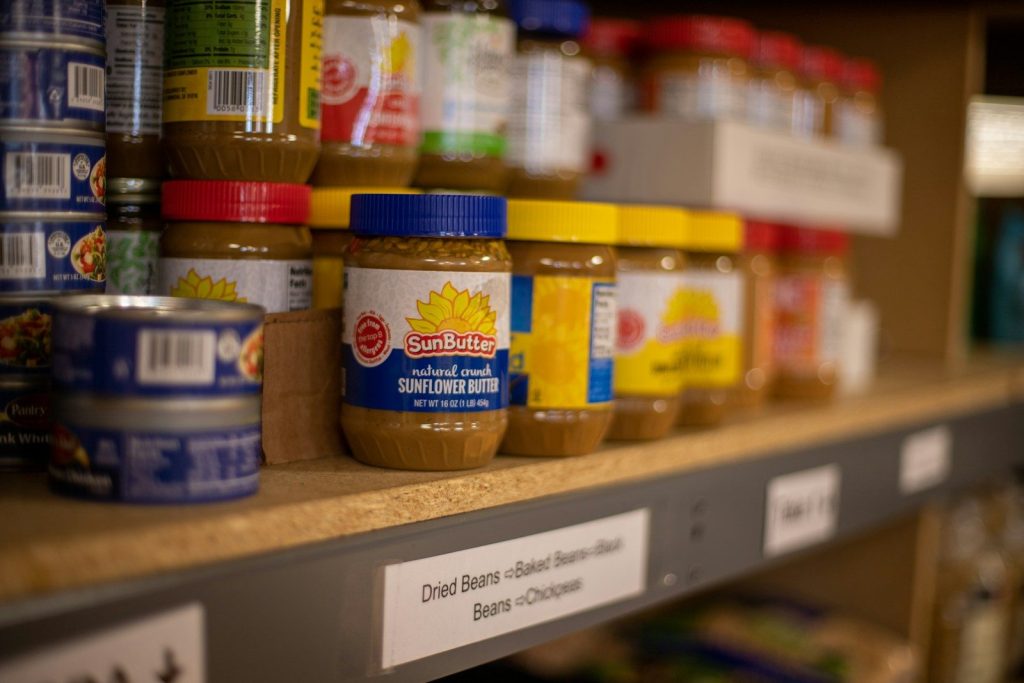
    Budget cooking comes down to three things: choosing the right cuts, reducing waste, and repeating what works. Chicken thighs and drumsticks consistently deliver more flavor per dollar than any other cut. Cheap pantry staples like rice, canned beans, canned tomatoes, dried herbs, do the heavy lifting across every recipe above.

    The most expensive meal is the one that gets thrown away. Planning around leftovers and building dishes like fried rice that absorb odds and ends directly reduces that waste. Buy chicken in family packs, freeze portions individually, and stock spices from bulk bins or ethnic grocery stores where prices run significantly lower than standard supermarket shelves.

    All cost estimates reflect approximate national averages for the United States as of 2026 and will vary by region and retailer.