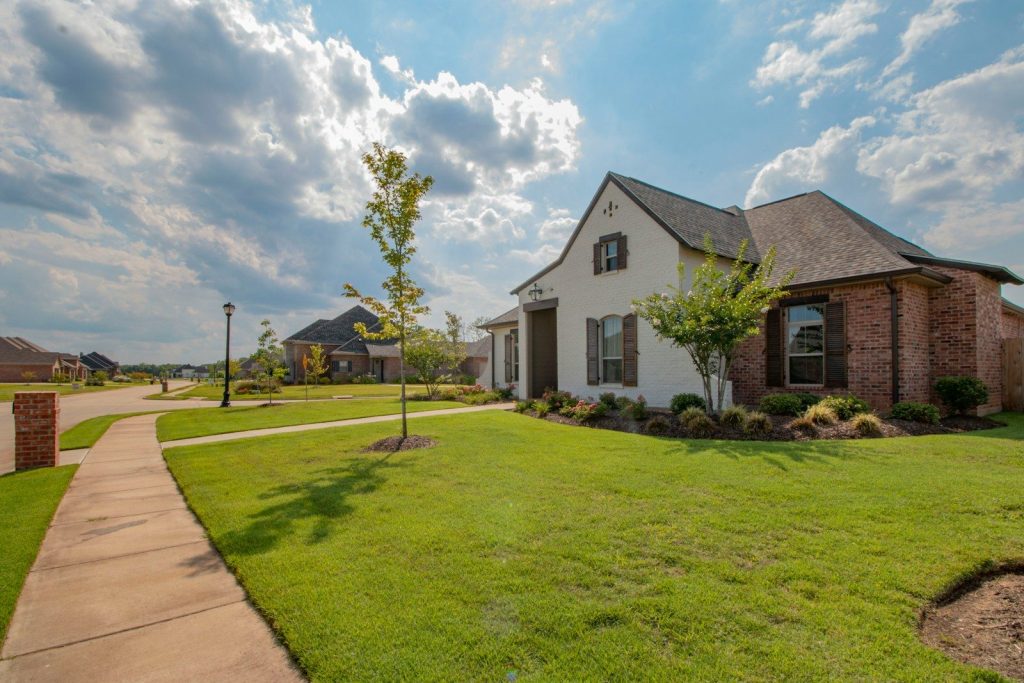

Property values are shaped by location, market conditions, and timing. Yet some of the biggest losses in perceived value start at home, often through decisions that seem harmless at the time. Buyers in 2026 are walking into listings with more information, sharper expectations, and less patience for obvious compromises.
A house rarely loses appeal overnight. More often, value slips through small choices that stack up over time.
1. Ignoring Routine Maintenance Until It Becomes Visible

A dripping faucet is easy to dismiss. So is cracked caulk, peeling trim, or a gutter that overflows during heavy rain.
Buyers tend to treat visible neglect as a clue rather than an isolated issue. If basic maintenance looks deferred, people start assuming bigger systems received the same treatment. Roof age, plumbing condition, and HVAC upkeep suddenly become question marks. Preventive repairs usually cost less than restoring confidence later.
2. Following Short-Lived Design Trends Too Aggressively
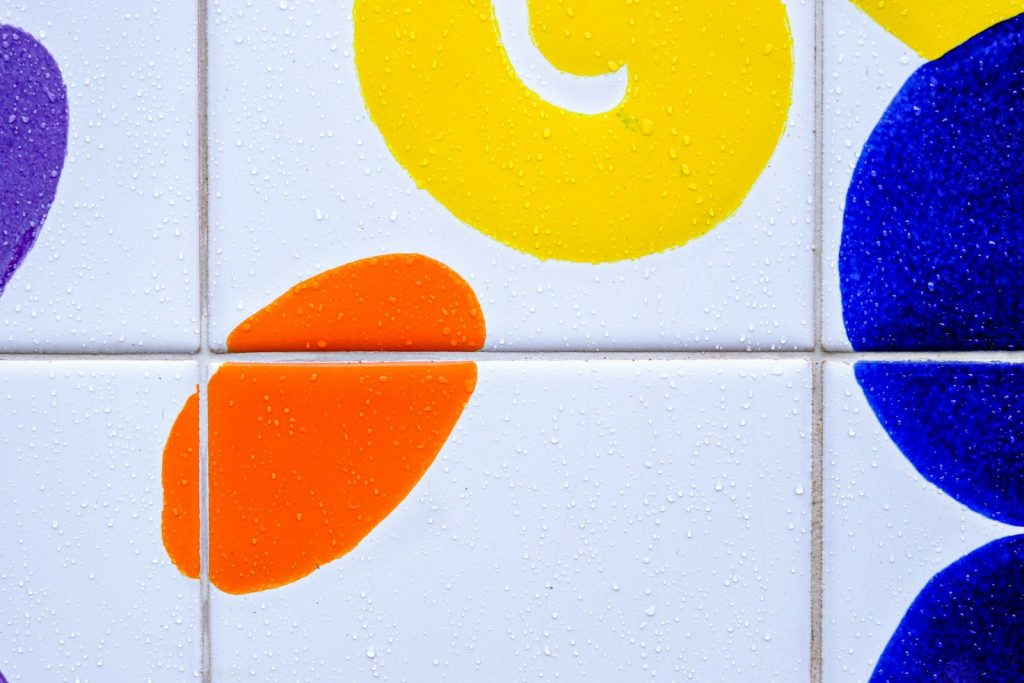
Bold design can photograph well and still age badly. Homes that lean too heavily into ultra-specific trends often narrow their future audience. Deeply personalized choices such as unusual tile patterns, highly themed rooms, or intense color schemes can make buyers mentally add renovation costs before making an offer.
Character helps a house stand out. Permanent decisions built around temporary trends often do the opposite.
3. Sacrificing Storage for Open Space
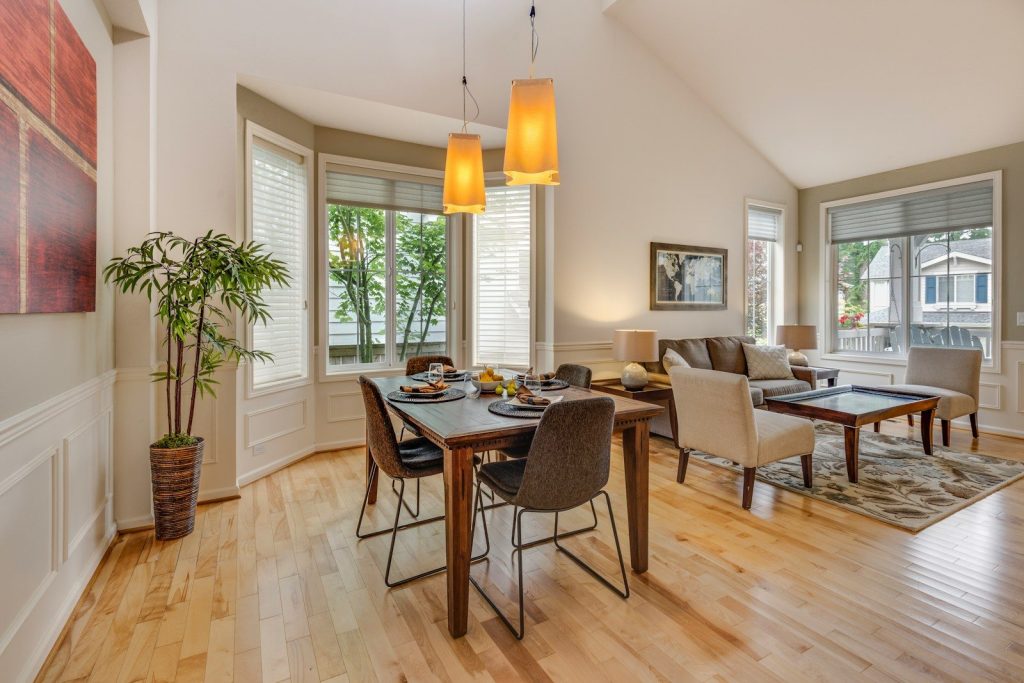
Open layouts remain popular, but storage has become one of the most practical selling points in modern homes. Removing closets, shrinking utility space, or converting garages into living areas can create immediate lifestyle benefits for current owners. Future buyers may see missing function instead.
In many markets, people are prioritizing usable square footage over visually larger rooms.
4. DIY Work That Looks DIY
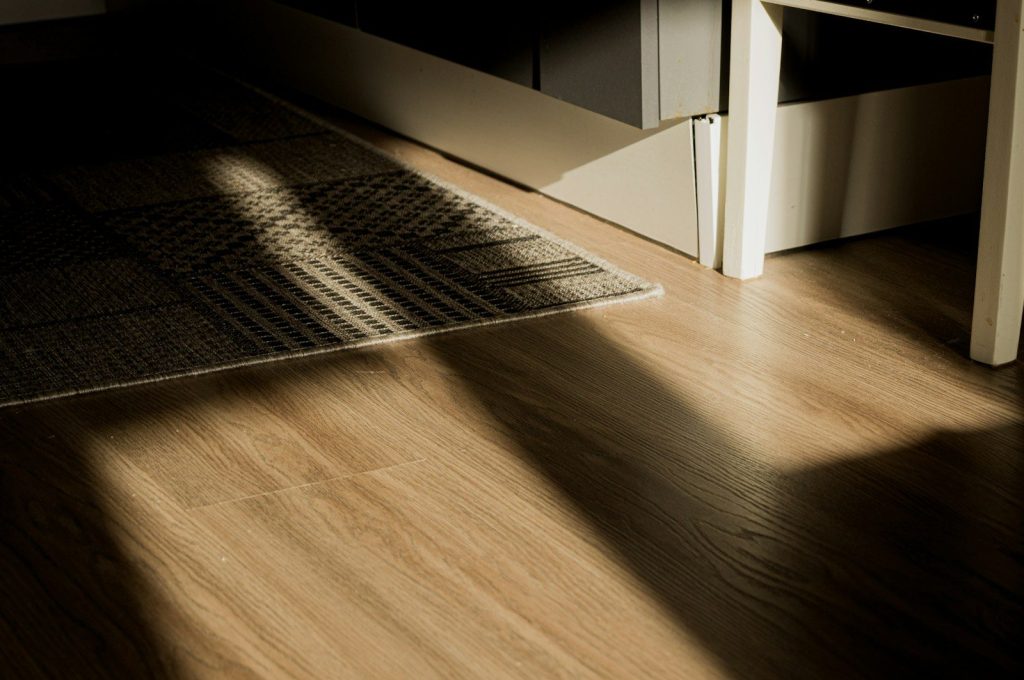
Online tutorials have made homeowners more confident. They have not made everyone a skilled contractor. Uneven flooring, visible paint lines, poorly installed cabinets, and amateur electrical work can create doubt quickly.
Even cosmetic shortcuts raise questions about what sits behind the walls. Some projects reward effort. Others reward receipts, permits, and professional execution.
5. Neglecting Outdoor Appearance
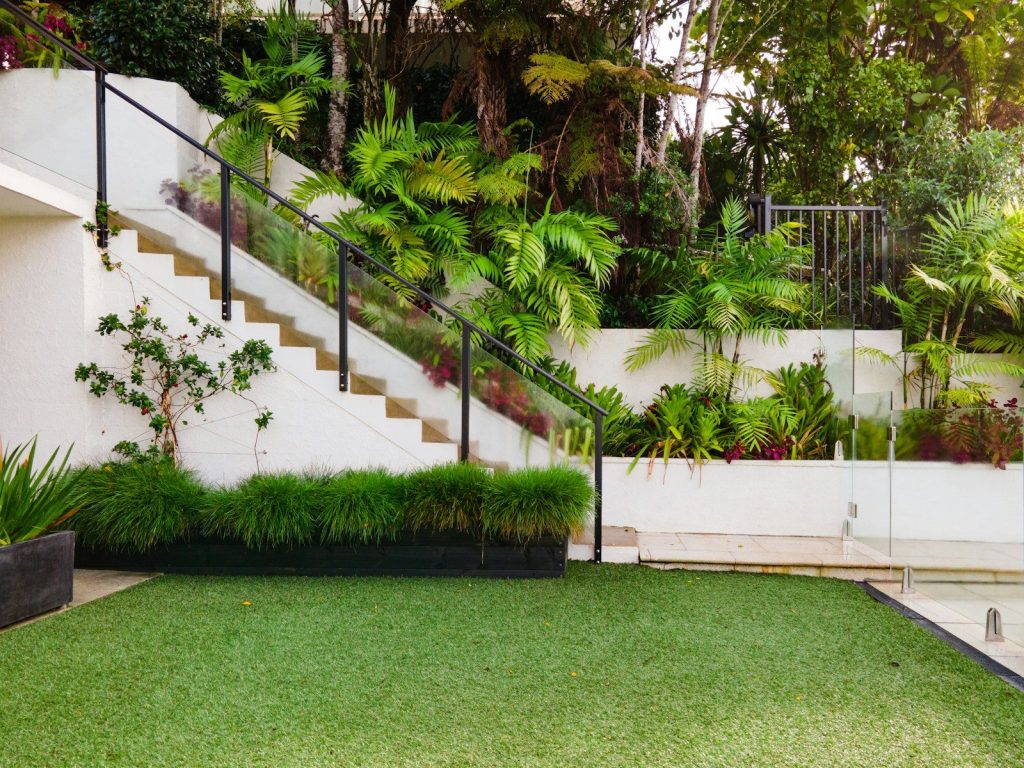
Curb appeal still carries more weight than people expect. Overgrown landscaping, dead patches of grass, stained walkways, faded exterior paint, and damaged fencing create an impression before anyone reaches the front door.
Buyers often decide how optimistic they feel about a property in the first few minutes. The front yard does not need luxury upgrades. It needs to look cared for.
6. Turning Bedrooms Into Hyper-Specific Spaces
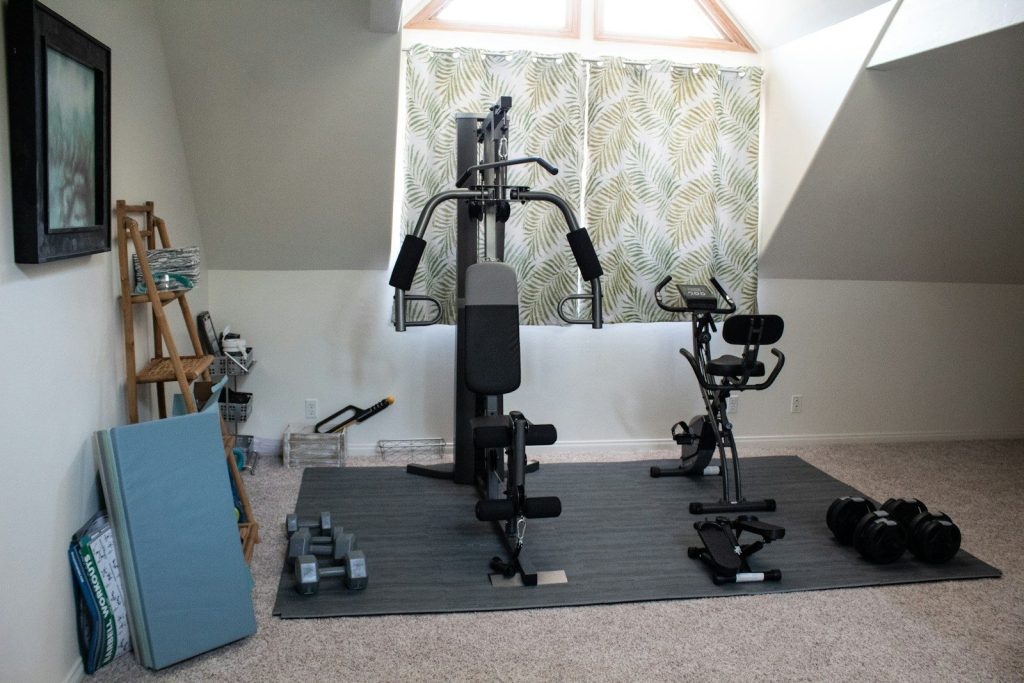
Home gyms, gaming rooms, beauty studios, and dedicated content spaces became common during the past several years.
The problem starts when those conversions become difficult to reverse. A missing closet, built-in specialty equipment, or unusual layouts can make a home feel smaller or less flexible. Rooms that can return to standard use tend to preserve broader appeal.
7. Underestimating Lighting
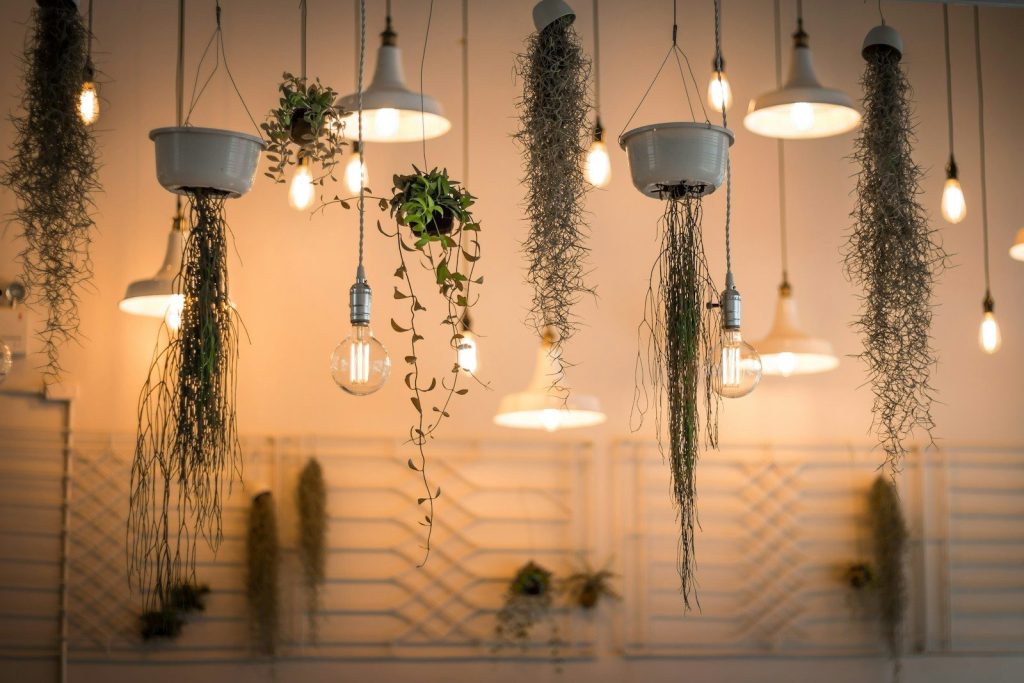
Lighting quietly shapes how expensive a home feels. Dark interiors, outdated fixtures, mixed bulb temperatures, and blocked natural light can make clean spaces feel smaller and older. Buyers notice brightness even when they cannot explain why a room feels better.
Replacing dated fixtures and improving light flow often changes perception more than expensive decorative upgrades.
8. Skipping Energy Updates Entirely
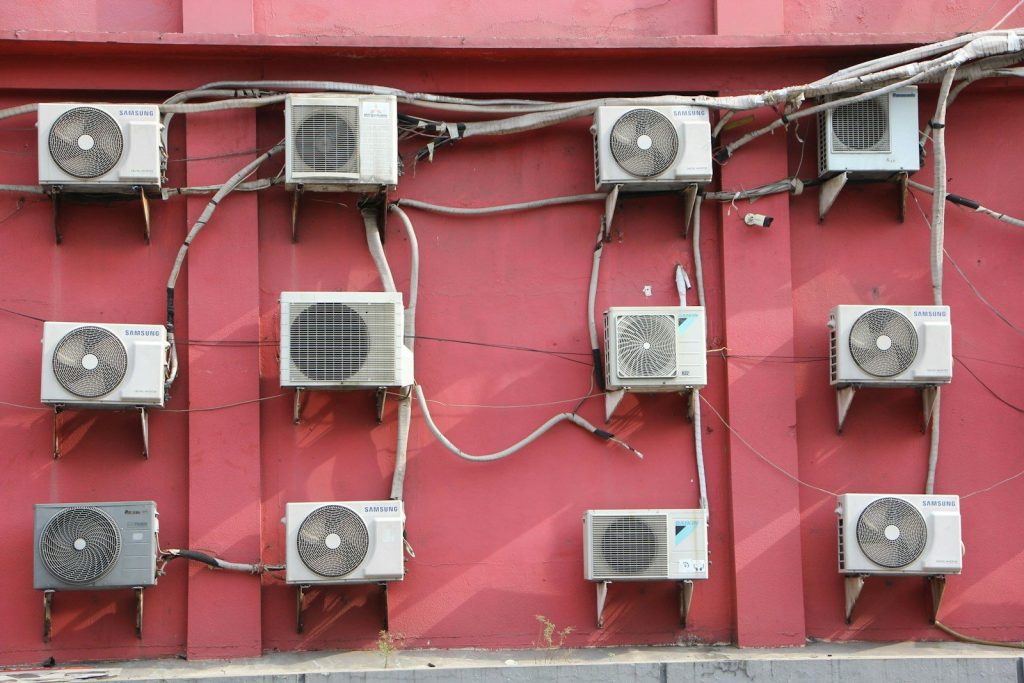
Energy efficiency has moved higher on buyer checklists in 2026. Older windows, poor insulation, drafty doors, and inefficient heating or cooling systems may not destroy value on their own, but they can influence negotiations. Utility costs have become part of affordability calculations.
Most buyers are not expecting perfection. They want signs that the house has kept pace with modern expectations.
9. Treating the House Like It Will Never Be Sold
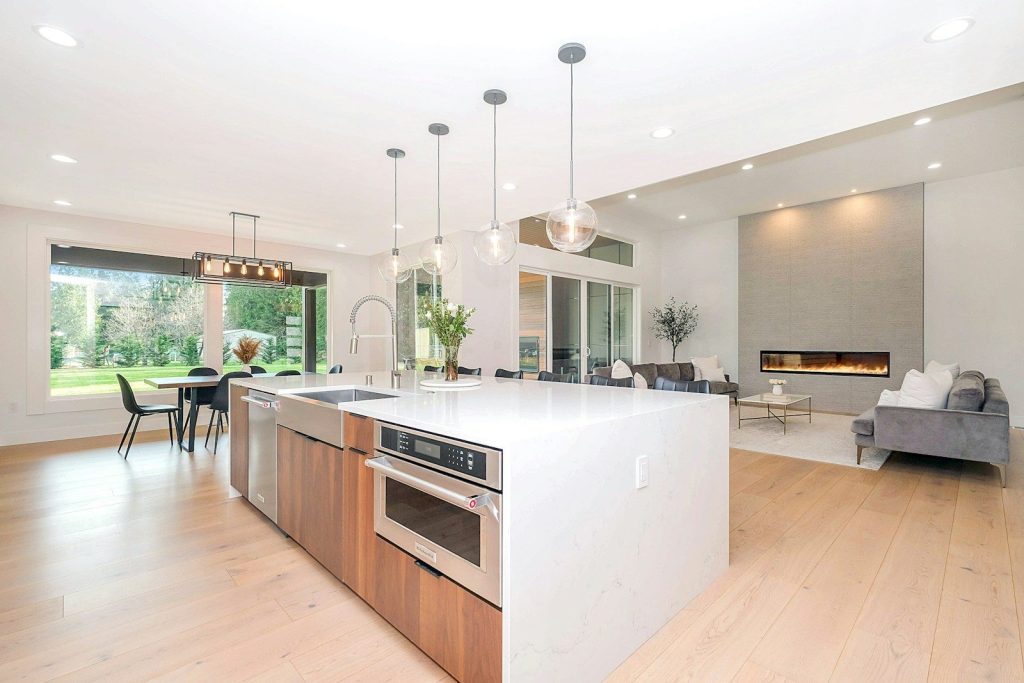
People should enjoy their homes. Few buyers want to live inside someone else’s very specific vision forever. Permanent choices with narrow appeal, deferred maintenance, and visible shortcuts tend to leave a lasting impression. Homes that hold value often share one trait: they feel adaptable.
That usually matters more than having the newest kitchen or the most expensive finishes.