
Selling a home in 2026 looks different than it did a few years ago. Buyers have more listings to compare, more data at their fingertips, and more reasons to hesitate before making an offer. Higher borrowing costs in many markets have also made buyers pickier.
That does not mean sellers need expensive renovations or perfect staging. It usually means avoiding mistakes that quietly reduce interest or drag out negotiations. Some of the most expensive selling errors happen before the first open house.
1. Avoid Pricing It Like It’s Still Peak Market

One of the fastest ways to lose momentum is pricing based on what neighbors got during a hotter market. Buyers in 2026 can compare recent sales, tax history, neighborhood trends, and competing listings in minutes. An overpriced home often sits longer, which creates a different problem: people start assuming something is wrong.
Homes that launch at a realistic price often create more attention early, and that attention can work in the seller’s favor.
2. Avoid Delaying Small Repairs
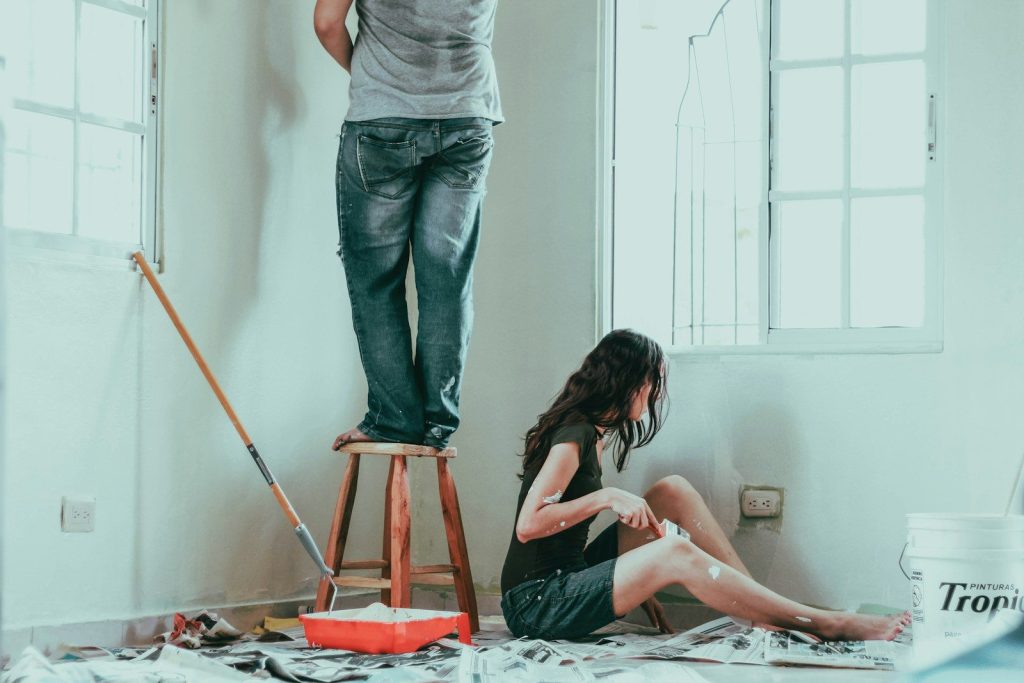
Loose cabinet doors. Dripping faucets. Scuffed paint. Burned-out light bulbs. Individually, these seem minor. Together, they create the feeling that maintenance has been postponed for years.
Most buyers understand that no home is perfect. What makes people nervous is visible neglect because it raises questions about what cannot be seen. Basic repairs rarely deliver dramatic returns, but they can remove hesitation.
3. Avoid Turning Every Room Into a Storage Unit
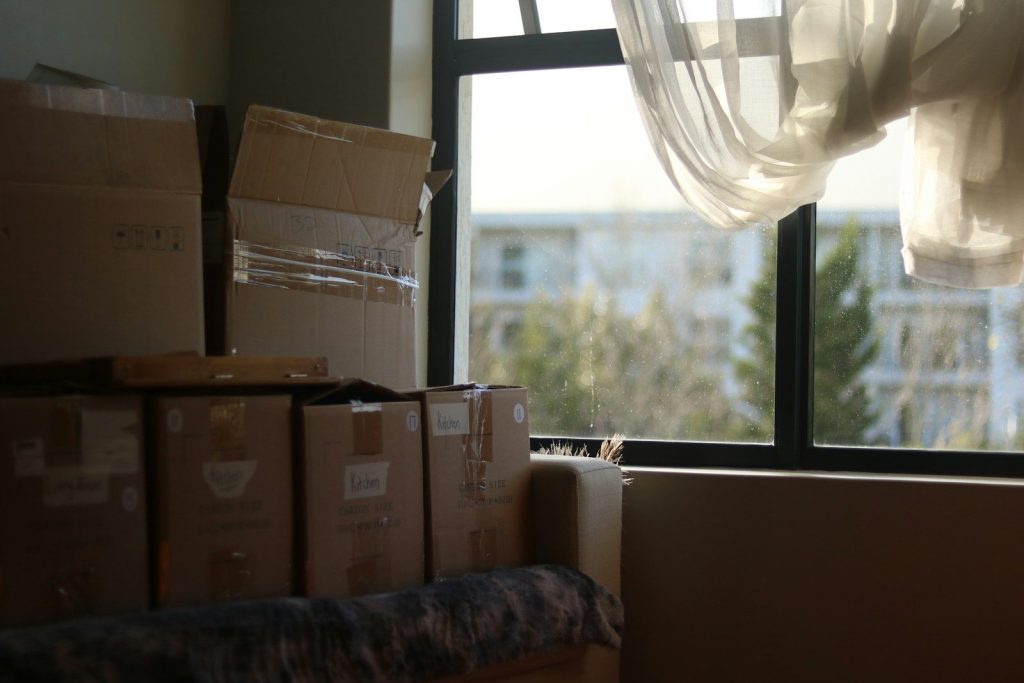
Many sellers stay in their homes during the selling process, which is normal. Packing starts early and boxes begin stacking up.
Too much visible storage changes how rooms feel. Closets look smaller. Garages feel crowded. Spare bedrooms stop looking usable. Temporary storage, selective packing, or simply editing down visible belongings can make square footage feel more believable.
4. Avoid Overpersonalizing the Space

Family photos, unusual paint colors, highly specific décor, and themed rooms can distract buyers. The goal is not to erase personality or create a showroom. Buyers just need enough mental space to imagine themselves living there.
A room painted dark green with floor-to-ceiling sports memorabilia may be memorable. Memorable does not always help a sale.
5. Avoid Ignoring Curb Appeal
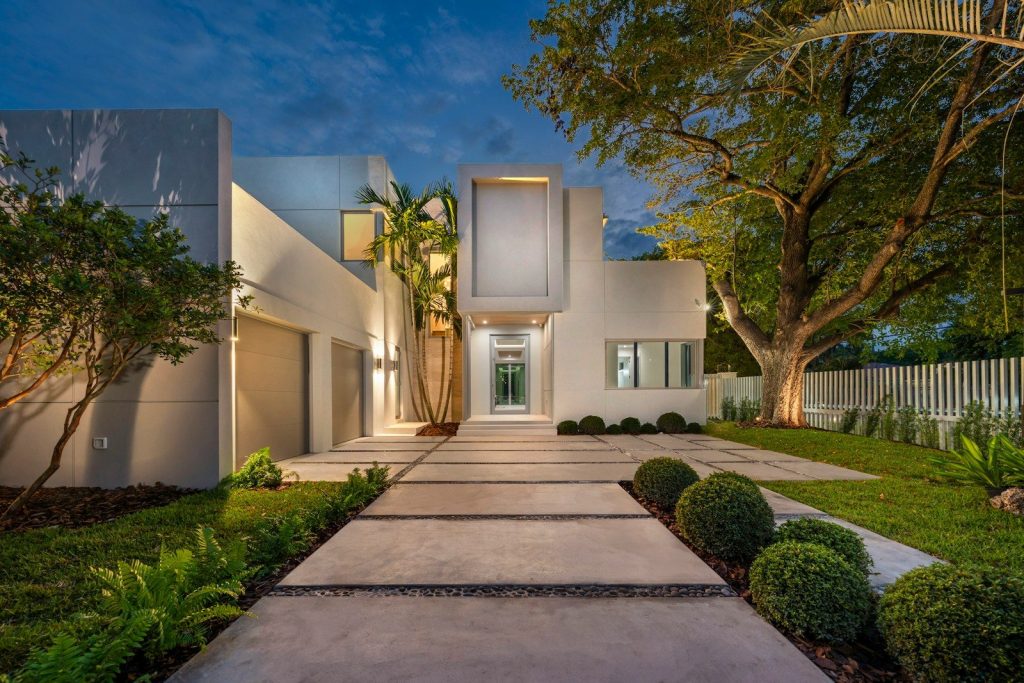
The outside creates expectations before buyers reach the front door. Dead plants, dirty windows, peeling trim, and overgrown walkways can shape opinions immediately. Many buyers decide how excited they feel about a property within the first minute.
Fresh mulch, trimmed landscaping, pressure washing, and a clean entry often matter more than expensive exterior upgrades.
6. Avoid Using Low-Quality Listing Photos

In 2026, most buyers meet a house online first. Dark photos, awkward angles, and cluttered rooms can reduce showings before anyone visits in person. Professional photography has become standard in many markets because buyers scroll quickly and compare listings side by side.
A bright, accurate presentation earns attention. Overedited images usually backfire once buyers arrive.
7. Avoid Hiding Problems
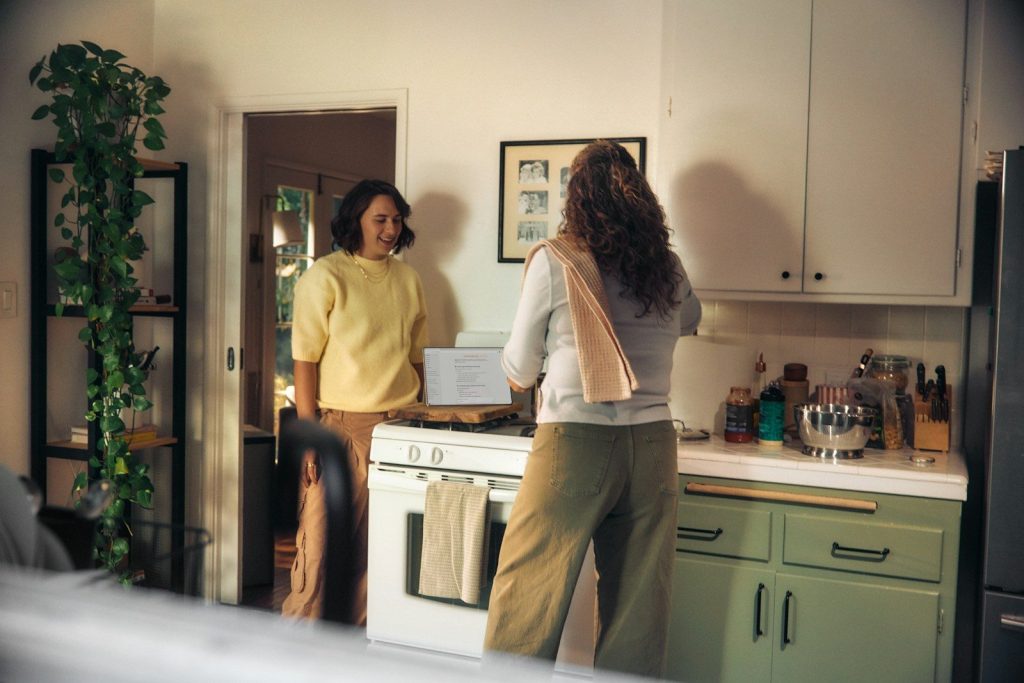
Sellers sometimes worry that disclosing issues will scare buyers away. Hidden problems usually cost more later.
Roof leaks, foundation concerns, water damage, aging systems, or unresolved permits often surface during inspections. Deals fall apart when surprises appear late in the process. Clear disclosure builds trust and can lead to smoother negotiations.
8. Avoid Being Difficult About Showings
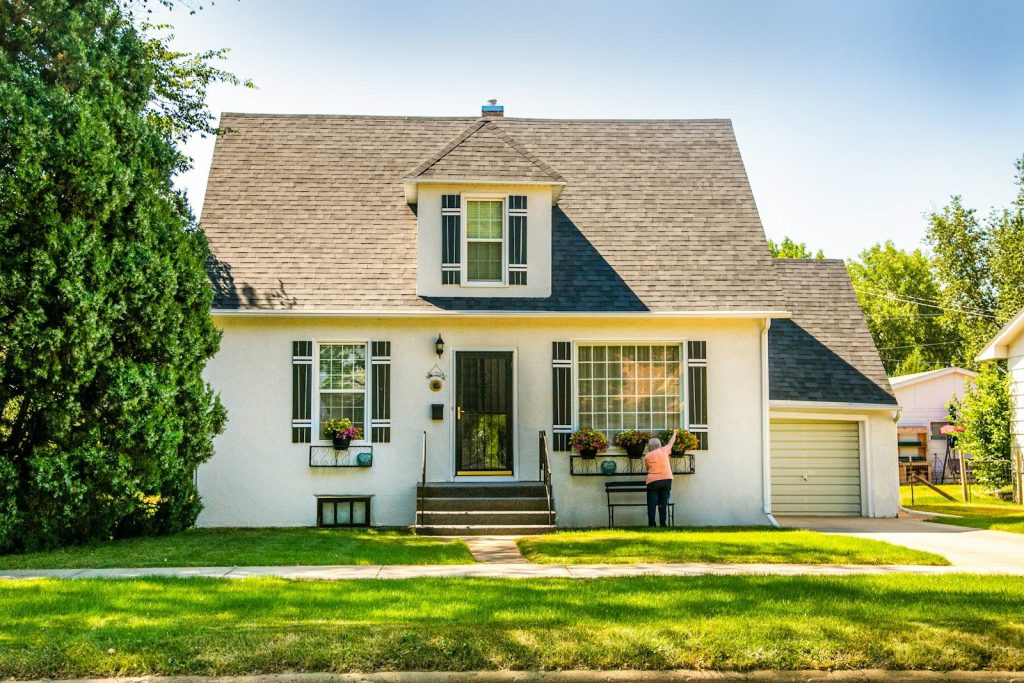
Scheduling can feel intrusive, especially for occupied homes. Still, making viewings hard to arrange limits the number of serious buyers who walk through the door.
Restricting access to narrow windows or declining weekend appointments can reduce opportunities. Flexibility during the selling period often pays for itself.
9. Avoid Treating Every Offer Like the Final Exam

Receiving an offer feels like the finish line, but the strongest outcome is not always the highest number. Closing timelines, financing strength, inspection requests, contingencies, and buyer reliability all affect the real value of an offer.
Good home sales often look less dramatic than expected. They move steadily, avoid unnecessary friction, and leave both sides feeling like they got a fair deal.