

Grocery bills have climbed steadily over the past few years, and most shoppers have noticed. But the gap between what a conventional supermarket charges and what a discount store like Aldi, Lidl, or Grocery Outlet charges for the exact same category of product has gotten surprisingly wide on certain items.
Not everything is cheaper at discount stores. Produce quality can vary, name-brand loyalists will find limited selection, and some specialty items simply don’t exist in those aisles. But for staples, the savings are consistent enough that it’s worth knowing which ones to prioritize.
1. Eggs
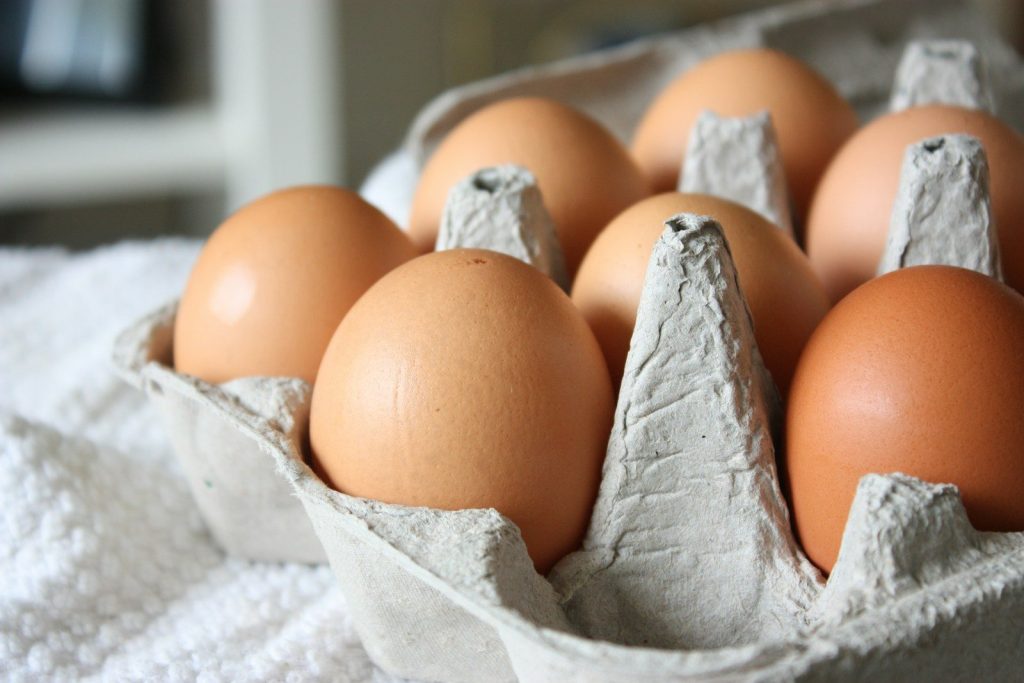
Eggs remain one of the clearest wins at discount grocers. Even after the price volatility of recent years, Aldi and Lidl typically price a dozen large Grade A eggs noticeably below what mainstream chains charge.
The eggs are the same product in all meaningful ways. No meaningful nutritional difference, no quality gap. Shoppers who buy eggs weekly can save $50 or more annually just by picking them up at a discount store instead of their usual supermarket.
2. Butter
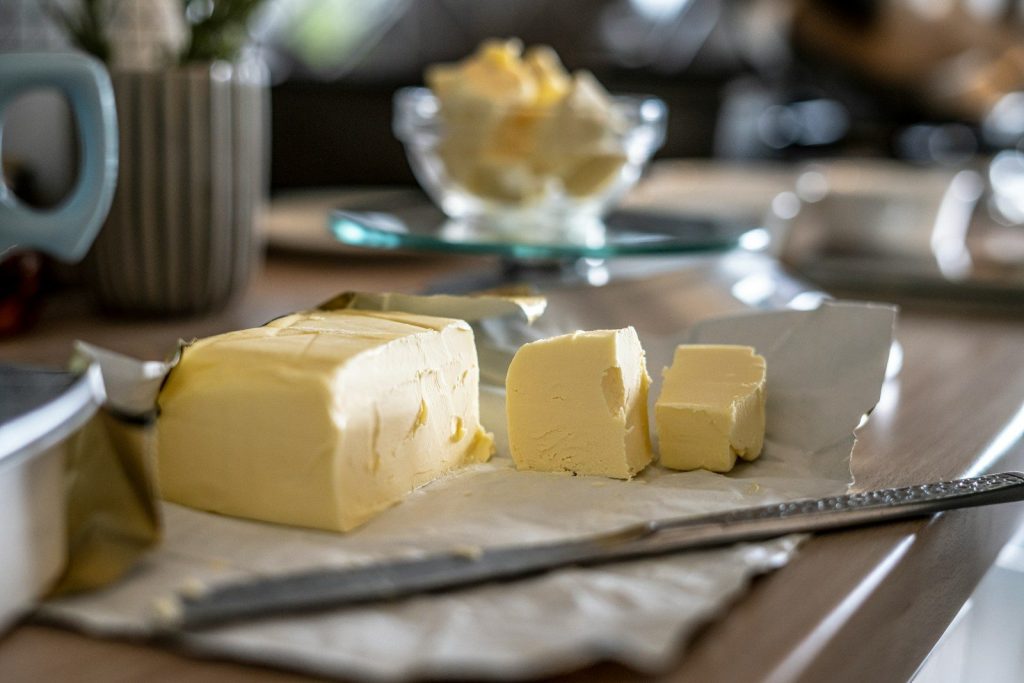
Butter is another staple where discount stores consistently undercut the competition. A pound of unsalted butter at Aldi often runs a dollar or more below what the same quantity costs at Kroger or Publix.
For households that bake regularly or cook from scratch, that gap adds up fast. Store-brand butter performs identically in recipes to national brands, and blind taste tests rarely produce strong preferences.
3. Canned Goods
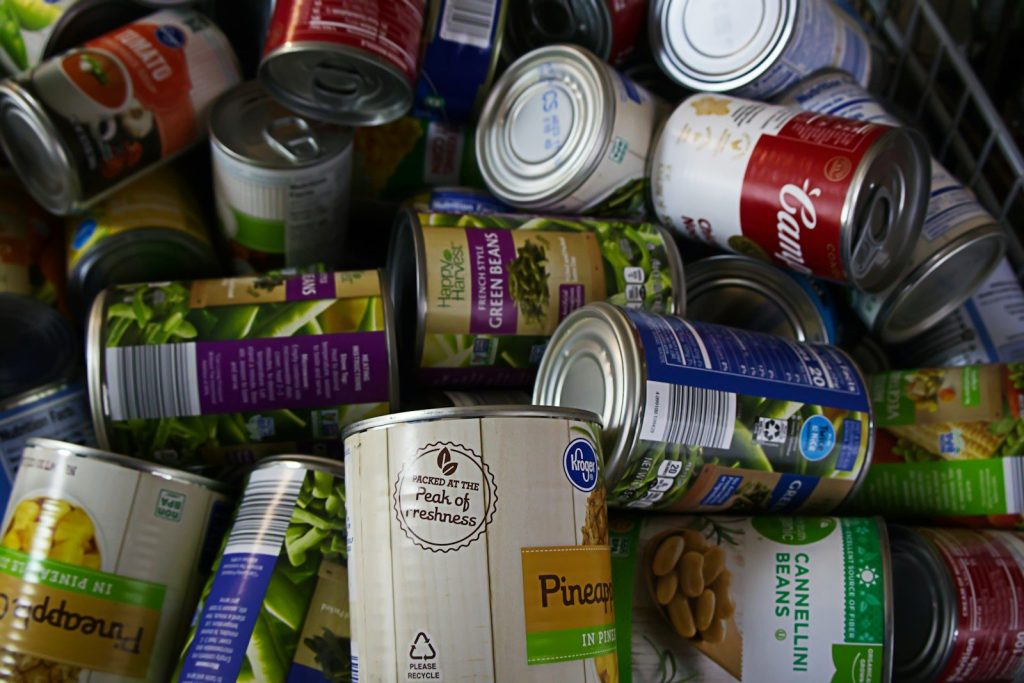
Canned tomatoes, beans, corn, and tuna are priced aggressively at discount stores. Aldi’s canned tomatoes, for example, tend to come in well under comparable options at mainstream grocers, and the quality holds up fine in sauces and soups.
Stocking a pantry entirely from a discount grocer’s canned goods section is one of the faster ways to bring a monthly grocery bill down without changing what gets cooked.
4. Olive Oil

Olive oil pricing at conventional supermarkets can be genuinely frustrating. A 16.9-ounce bottle of extra virgin olive oil from a recognizable brand often runs $9 to $12.
Aldi’s Carlini brand and similar discount-store options come in considerably cheaper and have scored well in consumer taste comparisons. For everyday cooking, the difference in the bottle matters a lot less than most people assume.
5. Cheese
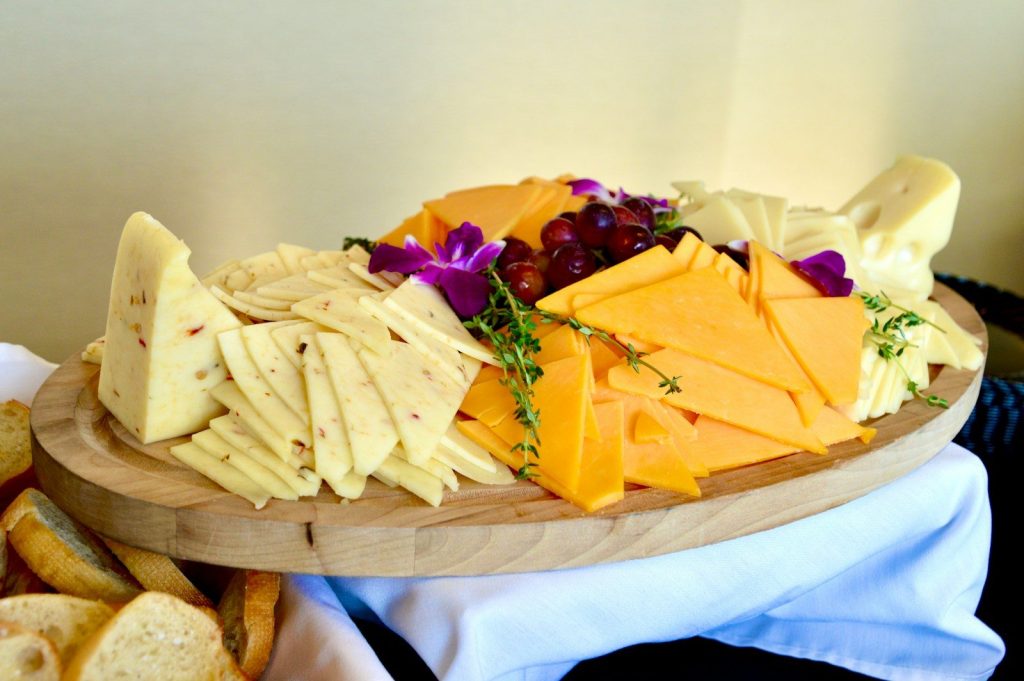
Shredded mozzarella, cheddar blocks, and sliced Swiss are all cheaper at discount stores on a per-ounce basis. This is especially true for the basic workhorse cheeses that go into everyday meals rather than a cheese board.
Discount grocers source from the same regional dairy suppliers as many larger chains, so the provenance is often less exotic than the price difference might suggest.
6. Frozen Vegetables
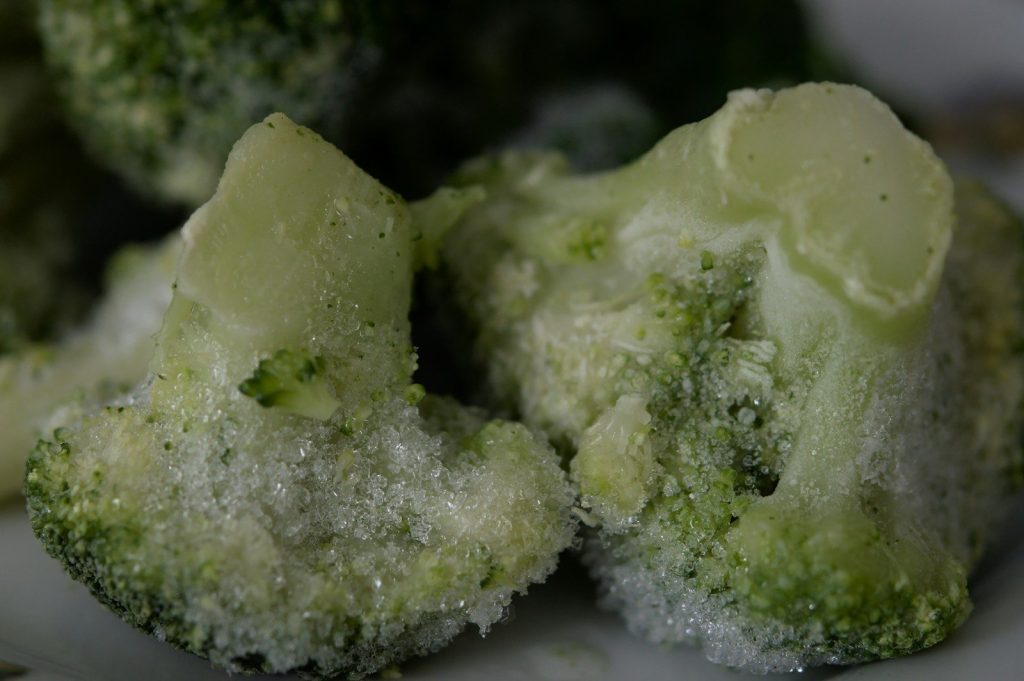
A 12-ounce bag of frozen broccoli or mixed vegetables at Aldi tends to cost meaningfully less than the same size at a traditional grocery chain, even compared to the store-brand options there.
Frozen vegetables are nutritionally comparable to fresh in most cases, and discount stores carry a solid enough range of them to cover most weeknight cooking needs without a supplemental trip elsewhere.
7. Bread
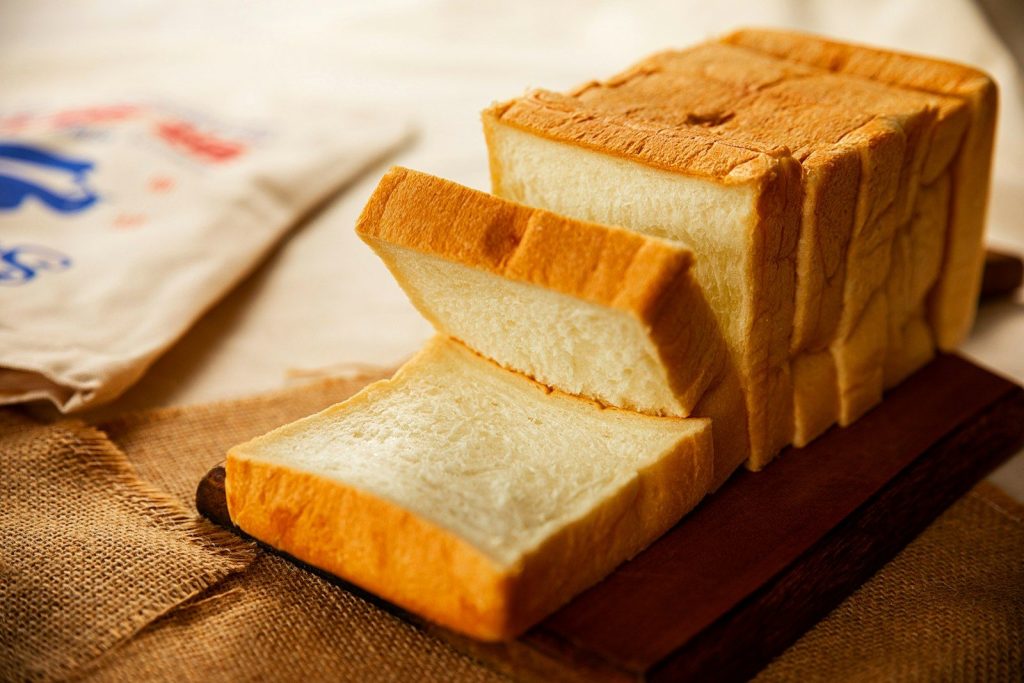
Basic sandwich bread and whole wheat loaves are consistently cheaper at discount stores. Lidl’s bakery section in particular draws regulars who’d otherwise shop elsewhere.
A standard loaf that runs $4.50 or more at a conventional grocer often comes in under $3 at a discount alternative. For a household going through two loaves a week, that’s a meaningful difference over the course of a year.
8. Coffee

Ground coffee is a product category where discount stores have closed the quality gap considerably. Aldi’s Beaumont and Barissimo lines get strong reviews for everyday drinkability, and they’re priced well below comparable mid-range brands at mainstream supermarkets.
For households that don’t require a specific roast from a specific origin, the savings here can be $3 to $5 per bag.
9. Pasta and Dried Grains
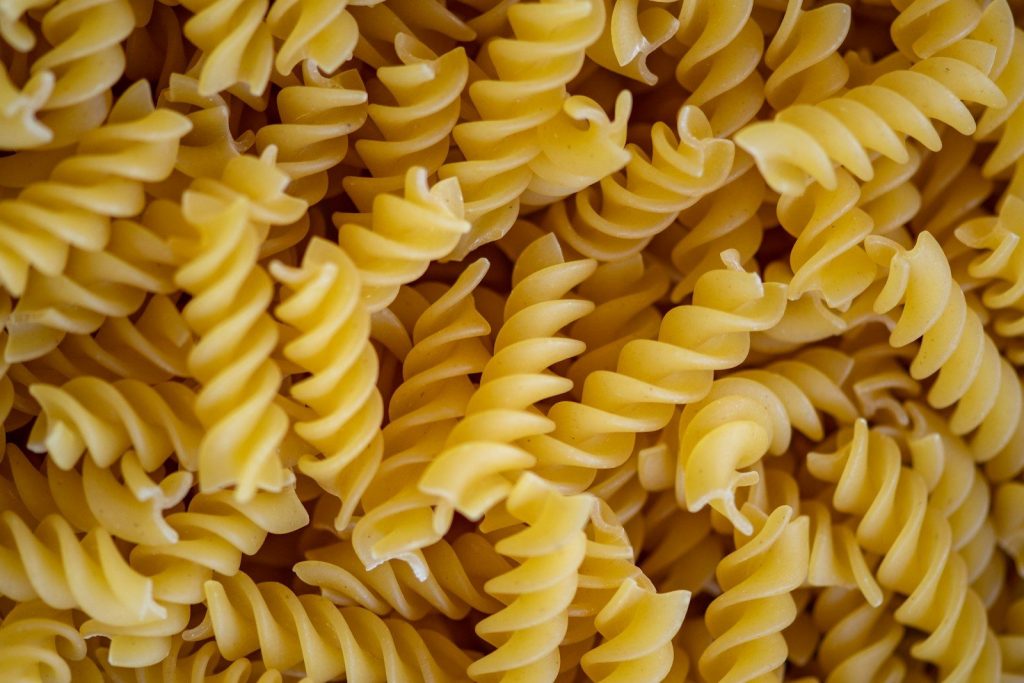
Dry pasta, rice, and oats round out the list. These are low-cost items everywhere, but discount stores keep prices even lower. A two-pound bag of pasta at Aldi typically costs less than a one-pound name-brand box at a traditional chain.
For staples this shelf-stable and this central to everyday cooking, buying them anywhere other than the cheapest available option is just leaving money on the table.