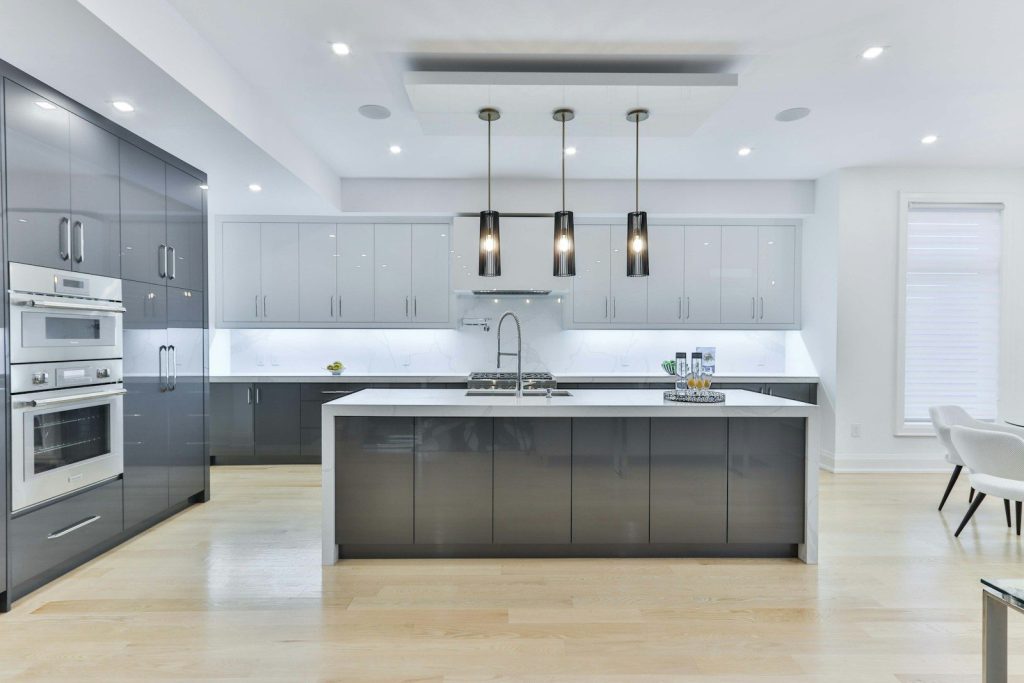

Most kitchen organization advice assumes you have a perfectly sized space with deep cabinets, a walk-in pantry, and counters that stretch forever. Real kitchens don’t work that way.
Whether you’re dealing with a galley apartment kitchen or a mid-century ranch home that never anticipated air fryers and espresso machines, storage is almost always the limiting factor. The good news is that 2026 has brought some genuinely smart solutions, many built into cabinetry systems that weren’t available even three years ago.
1. Toe-Kick Drawers
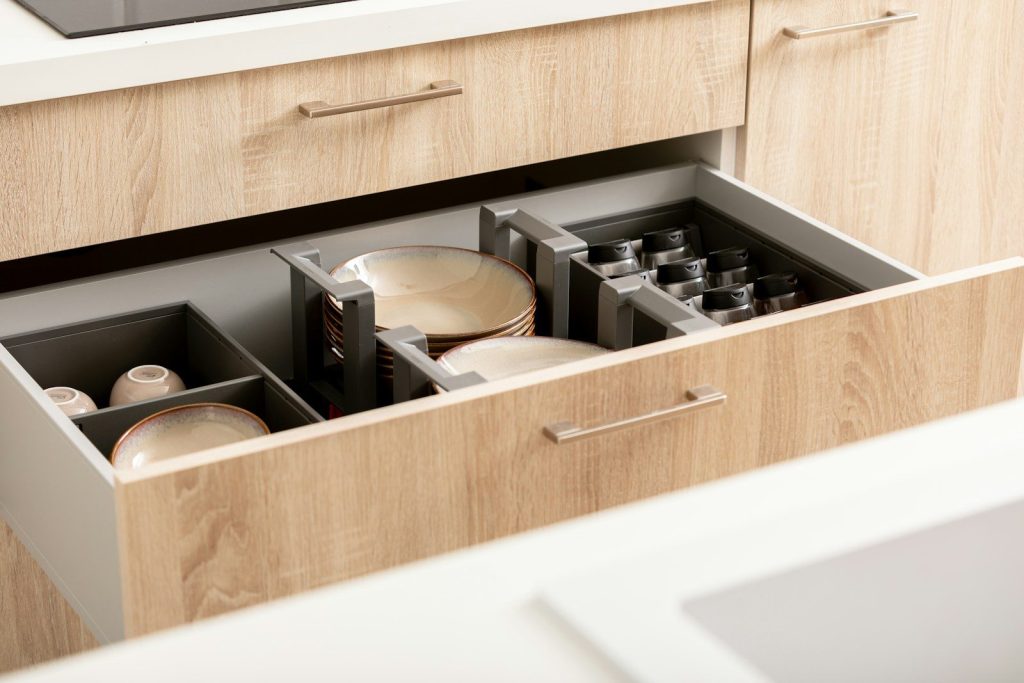
The strip of space between the bottom of your cabinets and the floor, called the toe-kick, is almost universally wasted. A toe-kick drawer turns that gap into a shallow pull-out that handles flat, rarely-used items: baking sheets, cutting boards, pizza stones, placemats.
IKEA’s SEKTION line and Rev-A-Shelf both offer systems for this, and contractors doing kitchen renovations in 2026 are installing them almost by default now. The drawer sits flush when closed and blends right into the cabinetry. Nobody walking into your kitchen will even know it exists.
2. Cabinet Doors That Actually Work
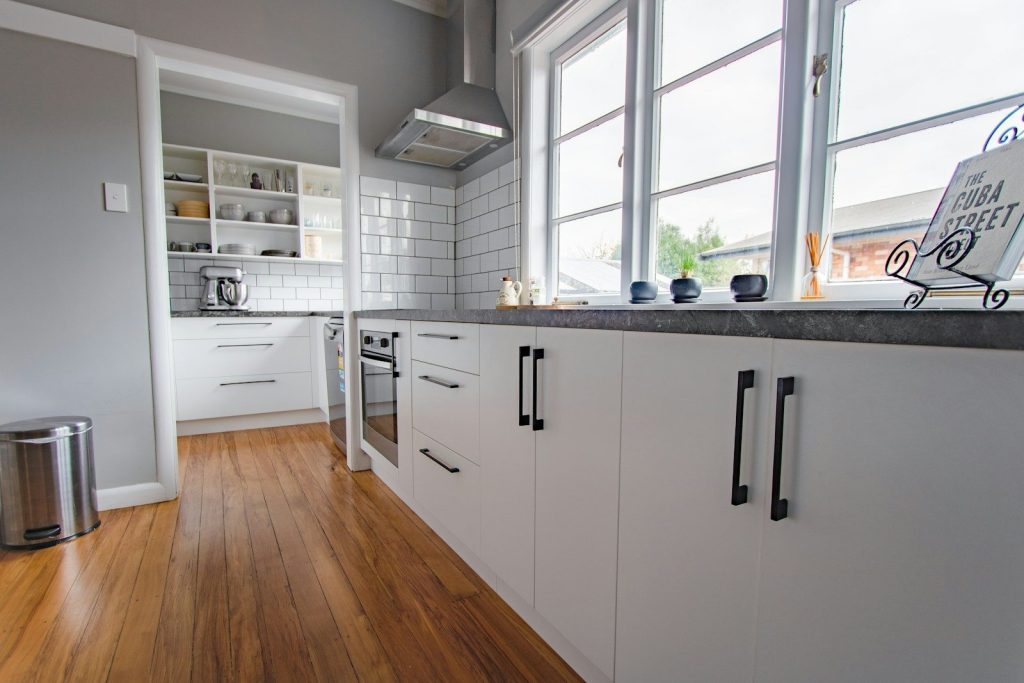
The inside of a cabinet door is prime real estate that most people ignore. Narrow racks mounted to the inside of pantry doors hold spices, foil boxes, or cleaning supplies. For under-sink cabinet doors, small wire baskets keep sponges and dish soap contained without crowding the floor of the cabinet.
Door-mounted organizers from brands like Yamazaki and SimpleHuman in 2026 come with adhesive mounts strong enough to hold real weight, which means no drilling into cabinet wood if you’re renting.
3. The Appliance Garage
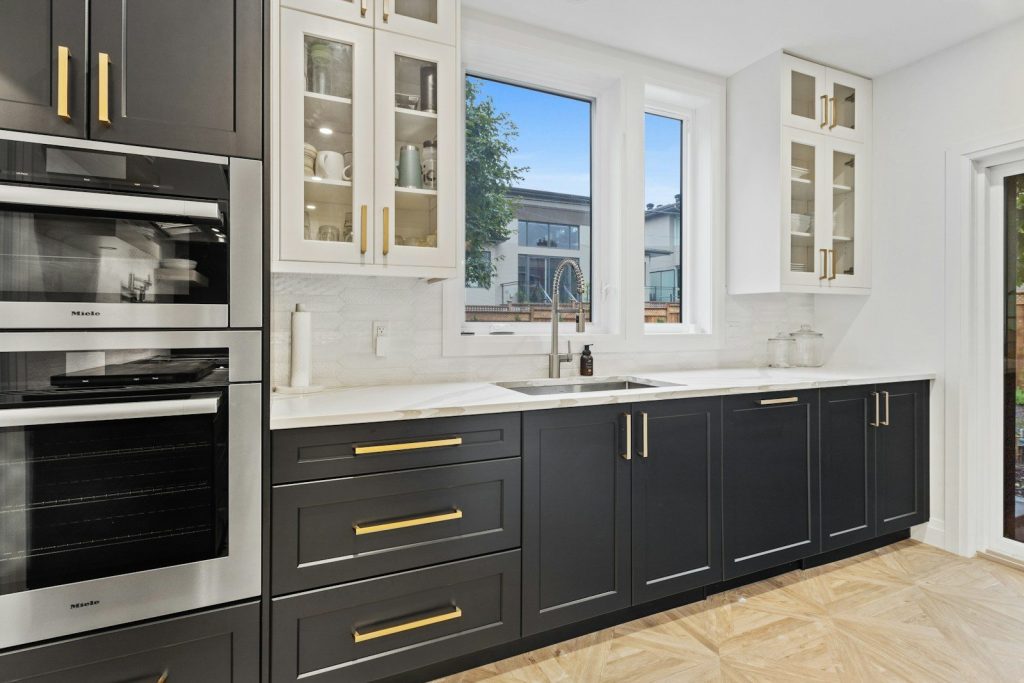
An appliance garage is a countertop cabinet with a roll-up or flip-up door that hides small appliances when they’re not in use. The toaster, the blender, the coffee grinder, all tucked away but still plugged in and accessible.
Custom cabinetmakers have been building these for decades, but prefab versions are now widely available through companies like Semihandmade and Fabuwood. The countertop stays clear, which makes the kitchen feel substantially larger. If a kitchen remodel is on the table, this is one of the better investments per square foot.
4. Pull-Out Shelves Inside Existing Cabinets
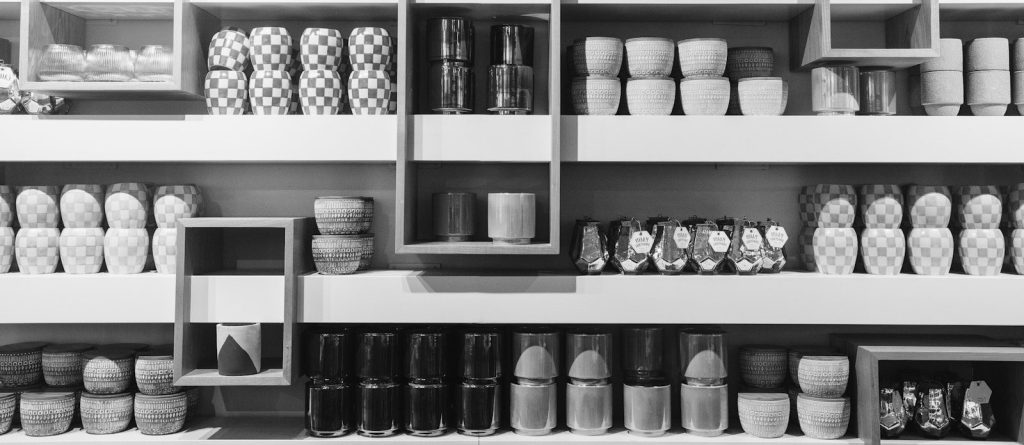
Standard cabinet shelves are fixed, which means anything stored toward the back becomes a guessing game. Pull-out shelf inserts convert a regular cabinet into a system where everything slides forward to meet you.
Pot lids, canned goods, mixing bowls, they stop disappearing. The Rev-A-Shelf 5WB series and similar options from Knape & Vogt install without a full renovation and fit inside most standard base cabinets. Installation takes about an hour with basic tools.
5. Magnetic Knife Strips and Wall Rails
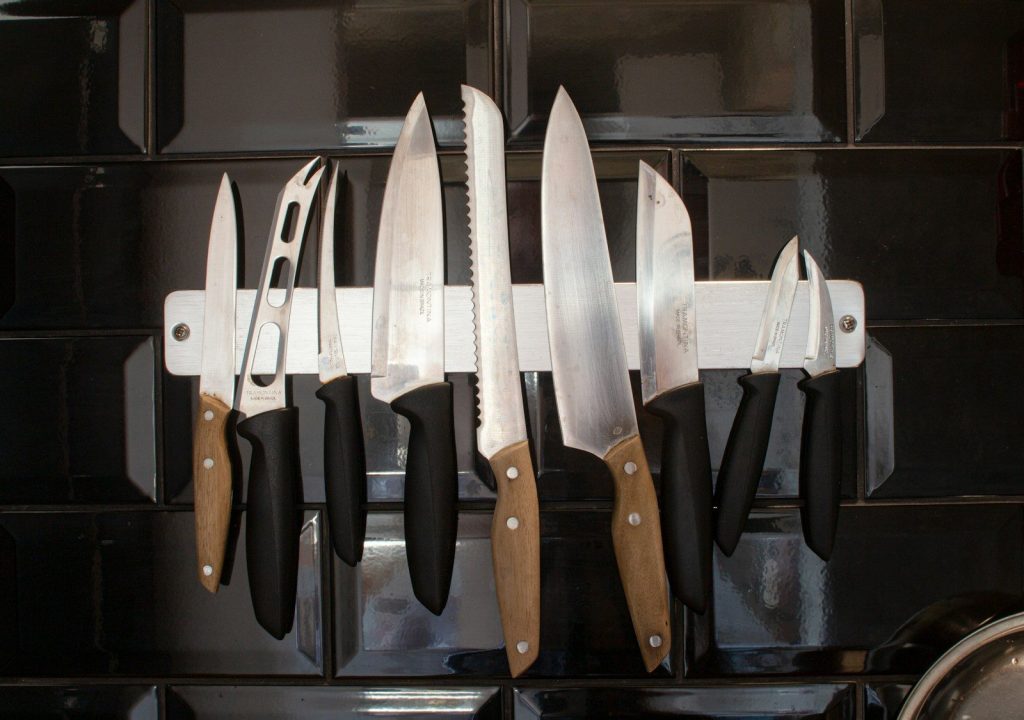
Counter space is too valuable to park a knife block on it. A magnetic strip mounted to the wall holds knives vertically, keeps blades in better condition, and frees up a surprising amount of counter.
FINTORP-style rails from IKEA extend this idea further: the same wall space can hold hooks, small bins, and even a paper towel holder. Walls above the counter are often completely blank, and a rail system turns them into functional storage without any permanent construction.
6. Tension Rods Under the Sink
The area under the kitchen sink is awkward storage. The pipes take up the center, heights are inconsistent, and things pile up fast.
Tension rods installed vertically in that space create a way to hang spray bottles by their triggers, which clears the floor of the cabinet immediately. A second tension rod can hold a small bin for sponges or scrubbers. Total cost is under ten dollars and takes five minutes.
7. Corner Cabinet Solutions

Corner cabinets have been a storage disaster for generations. The classic lazy Susan helps, but the better modern solution is a blind corner pull-out, a system where shelves mounted on a sliding frame extend outward when the door opens.
Hafele and Grass both make systems in 2026 that use the full depth of a corner cabinet without requiring you to reach into the dark. Blind corners commonly waste two cubic feet of storage. Pull-out systems recover most of it.
8. Drawer Organizers for Utensils and Lids
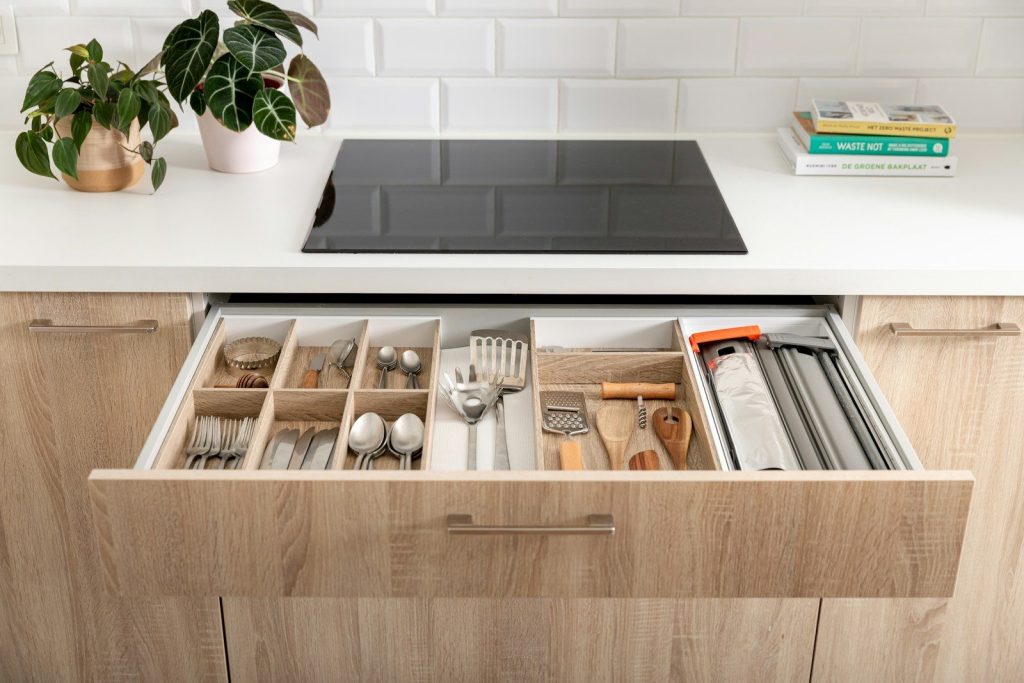
A junk drawer packed with spatulas and random lids is a time tax paid every single day. Adjustable drawer dividers, particularly the peg-style systems from OXO or the bamboo versions from Bambüsi, let drawers be configured around actual contents rather than forcing everything into fixed slots.
Pot lids get their own vertical divider and stop clattering around loose. This one costs very little and produces an immediate, noticeable difference every time the drawer opens.
9. The Pantry Wall No One Thinks to Build
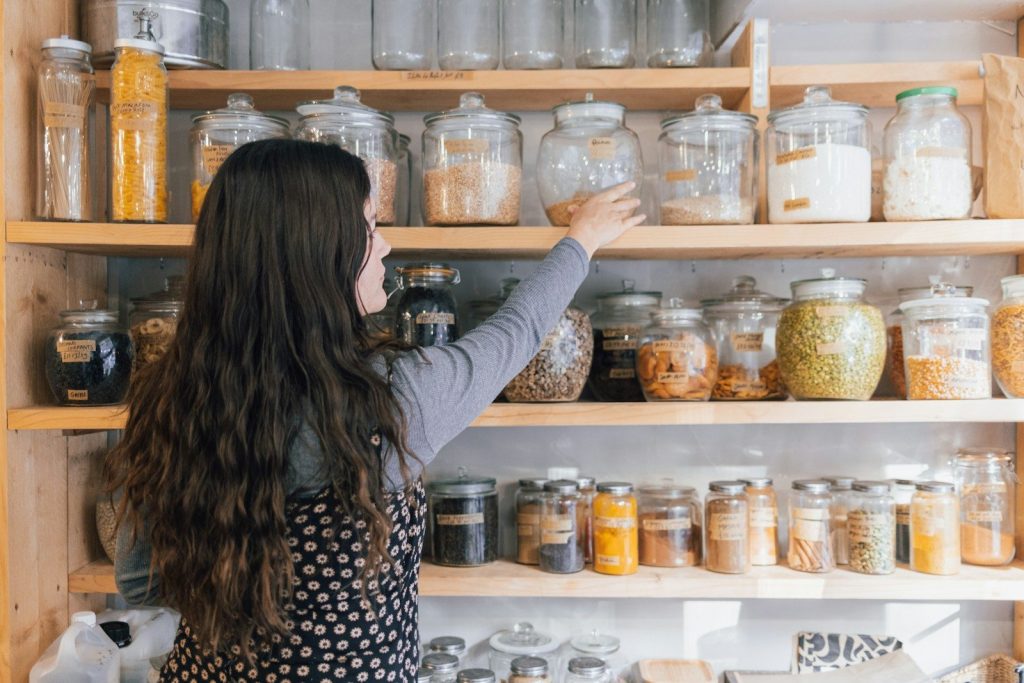
If a kitchen lacks a pantry, a narrow wall cabinet, sometimes called a pantry tower, can be built into a space as thin as nine inches. Tall, shallow shelving handles canned goods, dry goods, oils, and vinegars far more efficiently than a standard deep cabinet where things stack and hide.
In 2026, modular pantry column systems from IKEA’s PAX line and custom-adjacent brands like Semihandmade make this buildable without a contractor. A nine-inch column, floor to ceiling, holds more than most people expect, and it creates a clear visual organization that deep cabinets simply cannot.