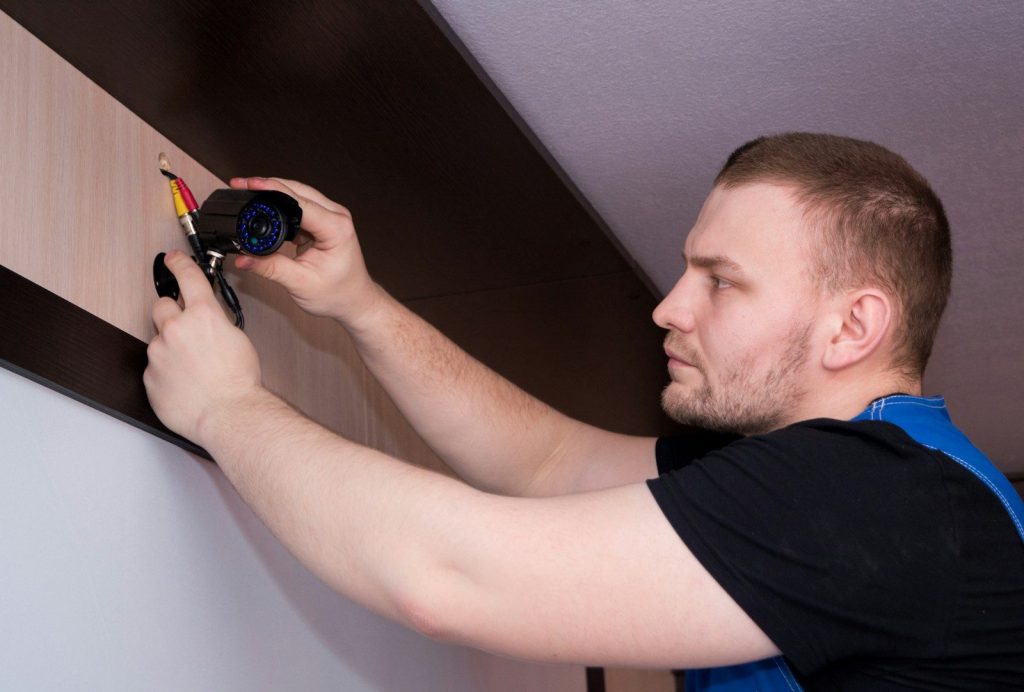

Buying a home in 2026 means dealing with inspection reports that can run 60 pages long, packed with photos, codes, and enough jargon to make your head spin. Most of it is noise. A handful of items, though, deserve real attention before you sign anything or pick up a paintbrush.
These sevrn red flags show up consistently across inspections, from starter homes to older properties that have been flipped one too many times. Some are manageable with a weekend and the right materials. Others tell you something deeper about how a house has been maintained.
1. Efflorescence on Foundation Walls

That chalky white powder streaking across a basement or crawl space wall is called efflorescence. It forms when water moves through concrete, carrying dissolved salts to the surface. The powder itself is harmless, but what it signals is not: water is getting in regularly enough to leave a deposit trail.
The DIY fix starts with a stiff brush and a concrete cleaner to remove the residue. After that, a waterproofing masonry sealer applied to the interior wall can slow down moisture migration. What it cannot do is fix grading issues or clogged gutters outside, which are usually the actual source. Walk the perimeter first. If the ground slopes toward the foundation instead of away from it, that soil needs to be regraded before any interior treatment sticks.
2. Double-Tapped Circuit Breakers
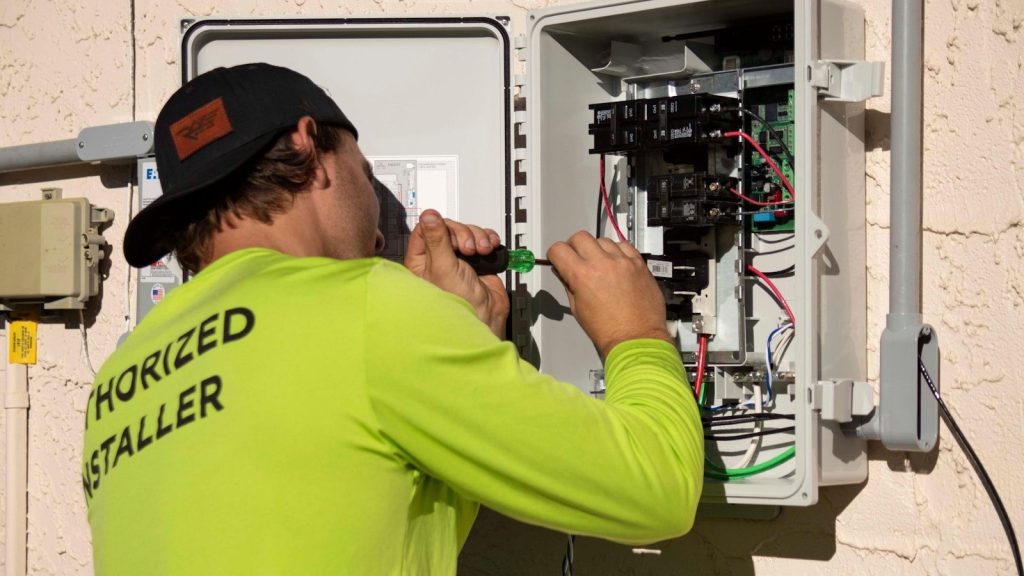
Open an electrical panel and you might find two wires connected to a single breaker terminal. That is called double-tapping, and most breakers are only rated for one wire. It is one of the most common panel issues found in homes built before the 1990s and in homes that have had amateur electrical work done over the years.
A licensed electrician is the cleanest solution, but a confident DIYer can address this by installing a tandem breaker, which is specifically designed to handle two circuits in one slot. Cost runs between $10 and $30 for the breaker itself. Shut off the main breaker, confirm the panel accepts tandem breakers (check the panel’s label or manufacturer spec), and follow standard wire connection protocols. If the panel is a Federal Pacific or Zinsco brand, stop there and call a professional.
3. Improper Bathroom Ventilation
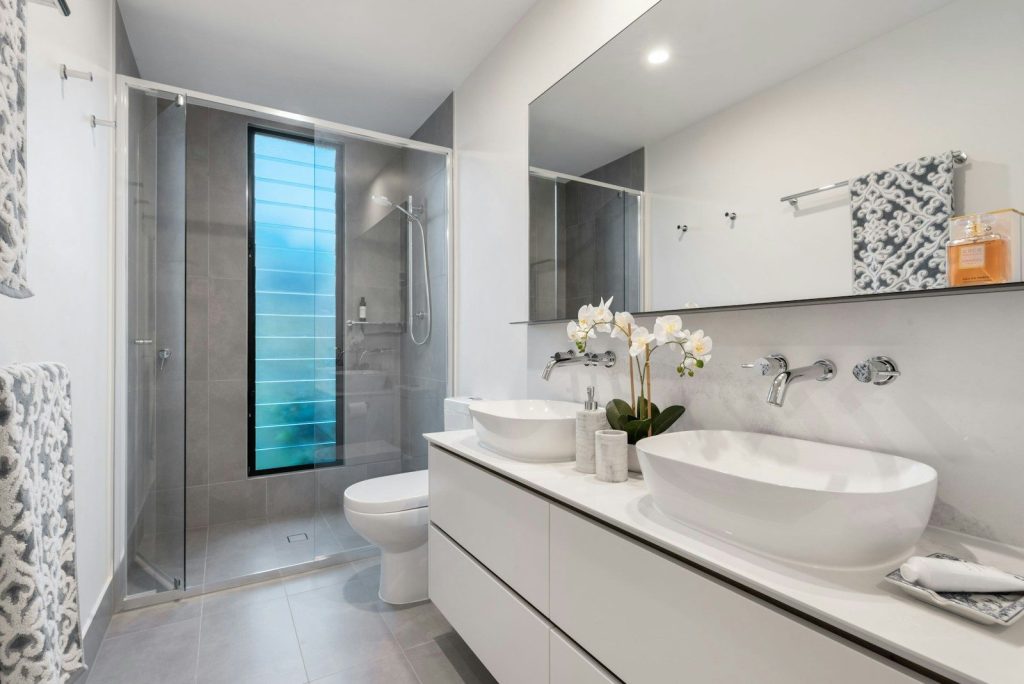
Bathroom exhaust fans venting into the attic instead of outside are found in a surprising number of homes. It creates a slow-moving moisture problem that ruins insulation, warps sheathing, and eventually invites mold. Inspectors flag it often, and sellers frequently have no idea it was wrong.
Rerouting the duct to vent through a soffit or roof cap is a manageable project. Flexible insulated duct, a new exterior vent cap, and a few hours in the attic is all it takes. Use insulated duct to prevent condensation inside the line, and seal every connection with foil tape, not the standard gray duct tape, which fails over time.
4. Reversed Hot and Cold Outlets
A GFCI outlet wired with the hot and neutral reversed will still function. Lamps turn on, chargers charge. The problem is that the internal safety mechanism, which cuts power during a fault, may not operate correctly. Inspectors catch this with a simple outlet tester.
Fixing it means removing the outlet, swapping the black wire to the brass screw and the white wire to the silver screw, and reinstalling. Ten minutes per outlet once the power is off. Pick up a $10 outlet tester at any hardware store to confirm everything reads correctly after the fix.
5. Soft Spots Around Tubs and Toilets

A floor that gives slightly underfoot near a toilet or tub base usually means water has been leaking long enough to compromise the subfloor. The finished surface might look fine. The structure underneath might not be.
Pull the toilet, inspect the flange, and probe the subfloor with a screwdriver. Soft or crumbling material needs to be cut out and replaced with exterior-grade plywood before anything else goes back down. Wax ring replacements cost under $10. Subfloor repair panels run $30 to $60. The longer this gets ignored, the more the rot spreads.
6. Missing or Improper Attic Insulation
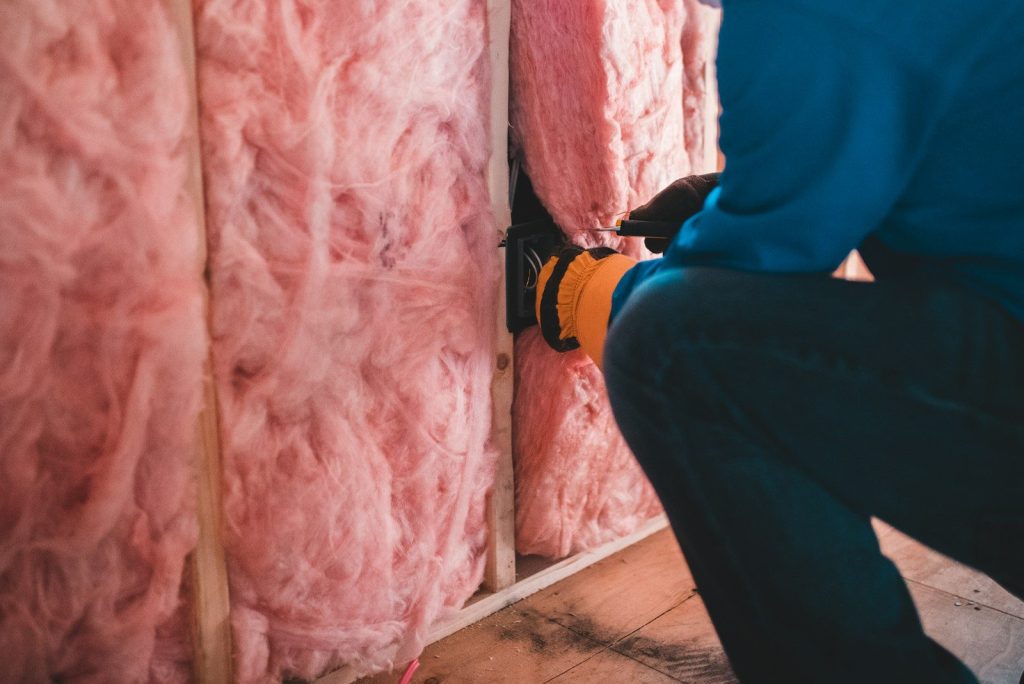
Attic insulation that has been disturbed, compressed, or simply never installed to current standards is one of the most common inspection findings in homes more than 15 years old. Energy codes have changed considerably, and a lot of homes are running on R-19 when R-38 or higher is now standard in most climate zones.
Blown-in cellulose or fiberglass is the most practical DIY option. Many hardware stores rent the blowing machines for free with a minimum insulation purchase. Seal any air gaps around light fixtures, plumbing penetrations, and attic hatches with canned foam first. Air sealing does more work than the insulation itself in many cases.
7. Aging or Improper Caulking Around Windows

Caulk that has cracked, shrunk, or pulled away from window frames is an open invitation for water intrusion. It also affects heating and cooling efficiency year-round. Inspectors note it as deferred maintenance, and it is exactly that.
Remove the old caulk with a plastic scraper or oscillating tool, clean the surface thoroughly, and apply a paintable siliconized latex caulk for exterior applications. Silicone-only products are harder to paint and can be skipped unless the window trim is unpainted. A $6 tube covers most windows in a room. Apply in temperatures above 50 degrees Fahrenheit for proper adhesion.
When to Stop and Call a Professional

Some findings are genuinely outside the scope of DIY work, regardless of skill level. Active knob-and-tube wiring, evidence of structural movement in load-bearing walls, significant mold coverage beyond a small isolated patch, and main sewer line failures all require licensed professionals.
The risk with those items is not just getting the repair wrong. It is not knowing what else the repair will reveal once work begins. A plumber scoping a main line might find tree root intrusion 40 feet from the house. An electrician opening a wall might find four different decades of amateur wiring decisions stacked on top of each other. Budget accordingly.
A Final Note on Inspection Reports
Inspection reports are not meant to kill deals. They are meant to surface information. A long report on a well-maintained home often just reflects a thorough inspector. A short report on a neglected home should raise more concern.
Work through the findings methodically. Address the items that involve water, electricity, and structure first. Cosmetic issues can wait. And when a seller refuses to negotiate on a legitimate structural or safety item, that tells you something about how the rest of the transaction will go.