
Most American households spend somewhere between $600 and $800 a year on cleaning products. That number has climbed steadily since 2022, partly because of supply chain pricing that never fully corrected, and partly because cleaning brands have gotten very good at convincing people they need a separate product for every surface in the house. A spray for granite. A different one for quartz. One for stainless steel, another for chrome. The shelves under the average kitchen sink have started to look like a chemistry stockroom.
The reality is that several ordinary household staples can handle the same jobs, sometimes better, almost always cheaper.
1. White Vinegar
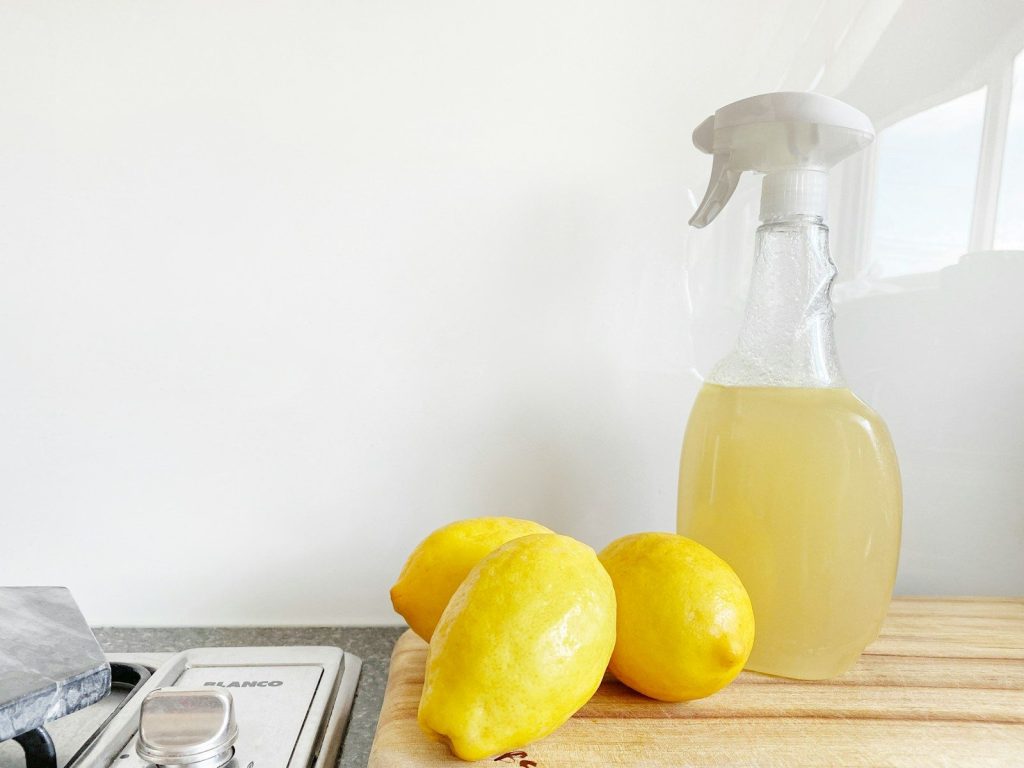
Distilled white vinegar costs about $3 for a large jug and works as a legitimate all-purpose cleaner on most non-porous surfaces. The acetic acid content, typically around 5%, cuts through grease, soap scum, and hard water deposits. Mixed half-and-half with water in a spray bottle, it handles countertops, stovetops, bathroom tiles, and glass without leaving streaks.
One honest note: don’t use it on natural stone. The acid etches marble and granite over time. On everything else, it performs as well as most mid-range commercial cleaners at a fraction of the cost.
2. Baking Soda
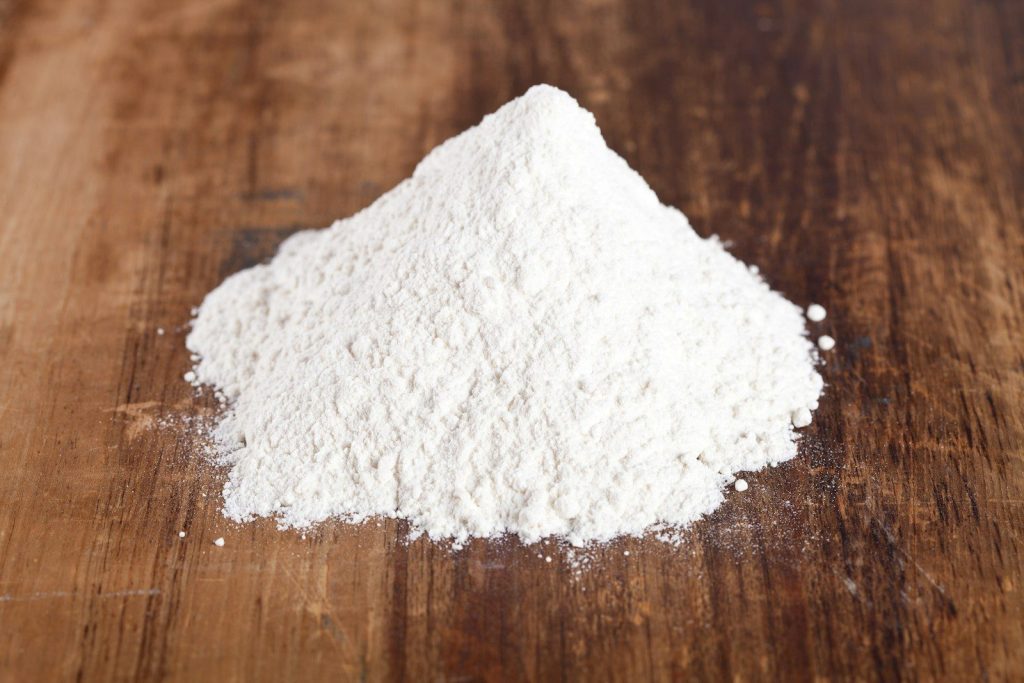
Baking soda has been used as a cleaning abrasive since long before branded scrubbing powders existed. It’s mildly alkaline, which makes it useful for neutralizing odors and loosening baked-on grime. Sprinkle it on the inside of an oven, add a little water to form a paste, let it sit overnight, and it scrubs clean the next morning without the harsh fumes of commercial oven sprays.
It also works inside refrigerators, on stained coffee mugs, and as a carpet deodorizer before vacuuming.
3. Castile Soap
Castile soap is a plant-based, concentrated soap that originated in Spain. A single bottle, which runs around $10, can be diluted into multiple applications: dish soap, hand soap, floor cleaner, even a gentle produce wash. Dr. Bronner’s is the brand most people know, but store-brand versions have appeared in most major retailers since 2024.
Because it’s concentrated, a little goes a long way. People who switch to castile soap often report that one bottle lasts three to four months.
4. Hydrogen Peroxide
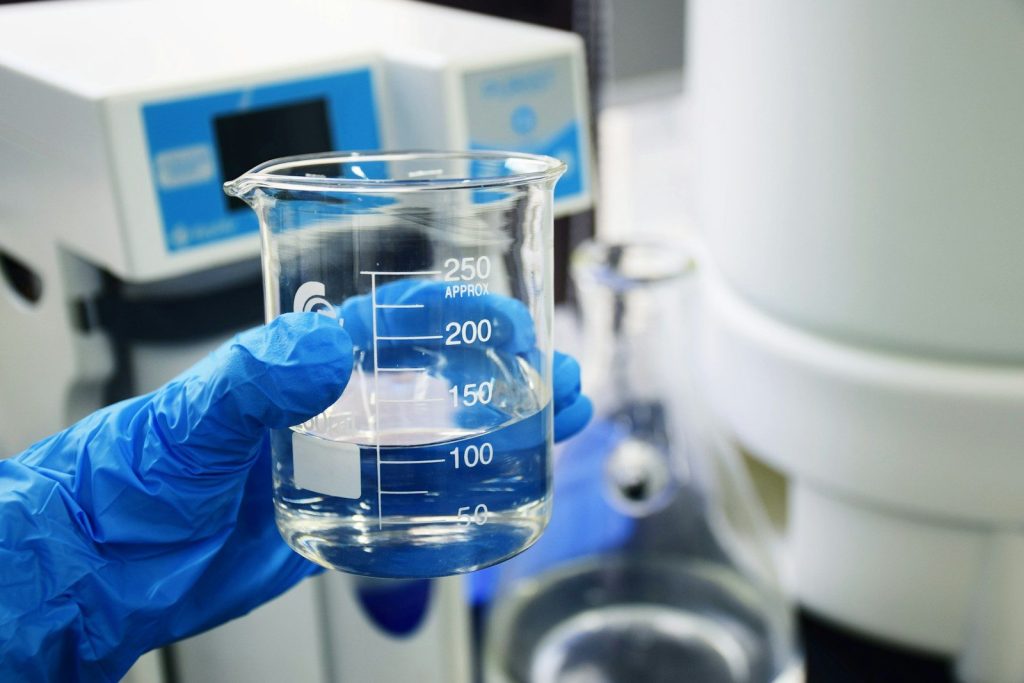
The brown bottle in the medicine cabinet has a cleaning life well beyond first aid. Hydrogen peroxide at the standard 3% concentration disinfects surfaces effectively, kills mold spores, and removes stains from grout and fabric. It breaks down into water and oxygen, leaving no chemical residue.
For bathroom mold, spray it directly on grout lines, wait ten minutes, and scrub. It outperforms most commercial grout cleaners and doesn’t require ventilation warnings.
5. Rubbing Alcohol
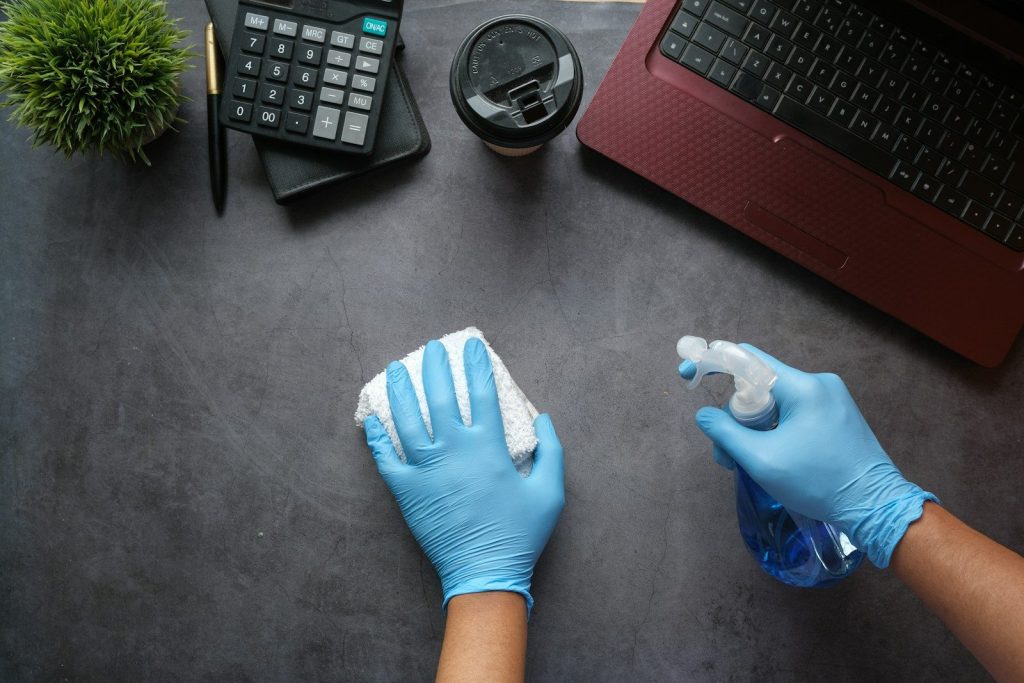
Isopropyl alcohol at 70% concentration is a fast-evaporating disinfectant that leaves surfaces streak-free. It’s the base ingredient in many commercial glass cleaners and electronic wipes.
Used directly on a microfiber cloth, it cleans mirrors, phone screens, keyboards, and stainless steel appliances without residue. A 32-ounce bottle costs under $4 and lasts months.
6. Lemon Juice
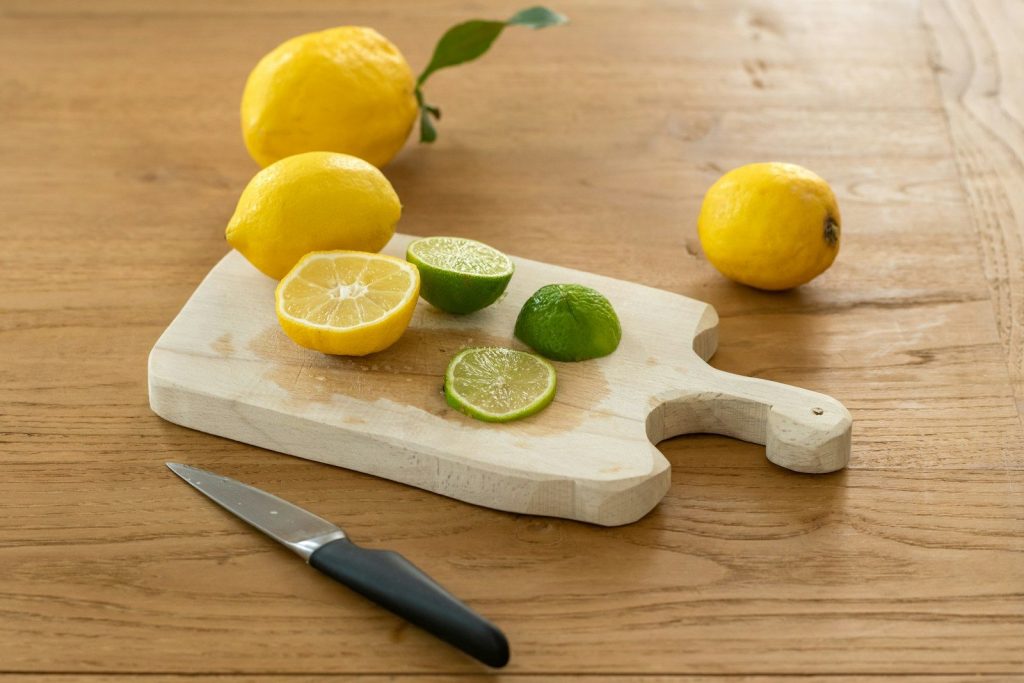
Fresh or bottled lemon juice carries citric acid, which dissolves mineral buildup on faucets, showerheads, and kettles. Soaking a showerhead in a bag of lemon juice overnight clears calcium deposits that some commercial descalers struggle with. It also removes rust stains from fabric when combined with salt, and polishes copper cookware without scratching.
The smell is a bonus rather than a selling point, but it doesn’t hurt.
7. Cornstarch
Cornstarch is one of the least-known cleaning tools in this list. It absorbs grease from upholstery and carpet when sprinkled on a fresh stain, left for 15 to 20 minutes, then vacuumed up.
It also works as a window cleaner when mixed with water and vinegar, and polishes silverware without the chemical residue that commercial silver polishes often leave behind.
8. Salt
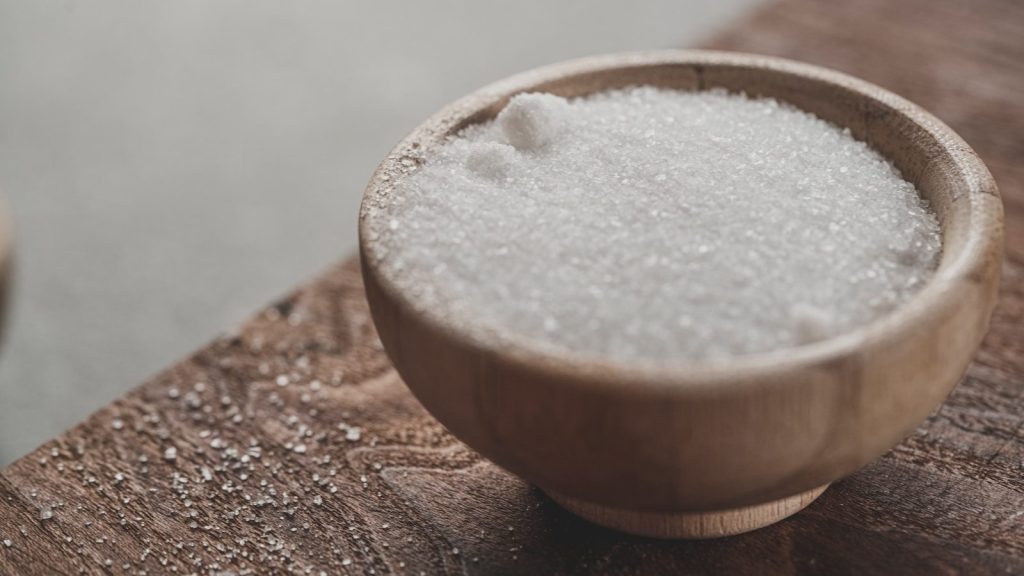
Coarse salt acts as a scrubbing agent for cast iron pans, cutting boards, and stuck-on food in pots. It doesn’t scratch like steel wool, and it draws moisture out of porous materials.
Combined with lemon juice, it removes stains from wooden cutting boards that dish soap alone won’t touch. Table salt poured down a drain with boiling water helps break up mild clogs before they require chemical drain cleaners.
Making the Switch
None of these replacements require a complete overhaul of how cleaning gets done. Swapping out two or three commercial products at a time, as they run out, keeps the transition manageable. White vinegar and baking soda alone cover the majority of everyday cleaning tasks. Add hydrogen peroxide for disinfecting and castile soap for washing, and most of the cleaning supply cabinet becomes optional.
The savings are real, and the products are already in most homes.