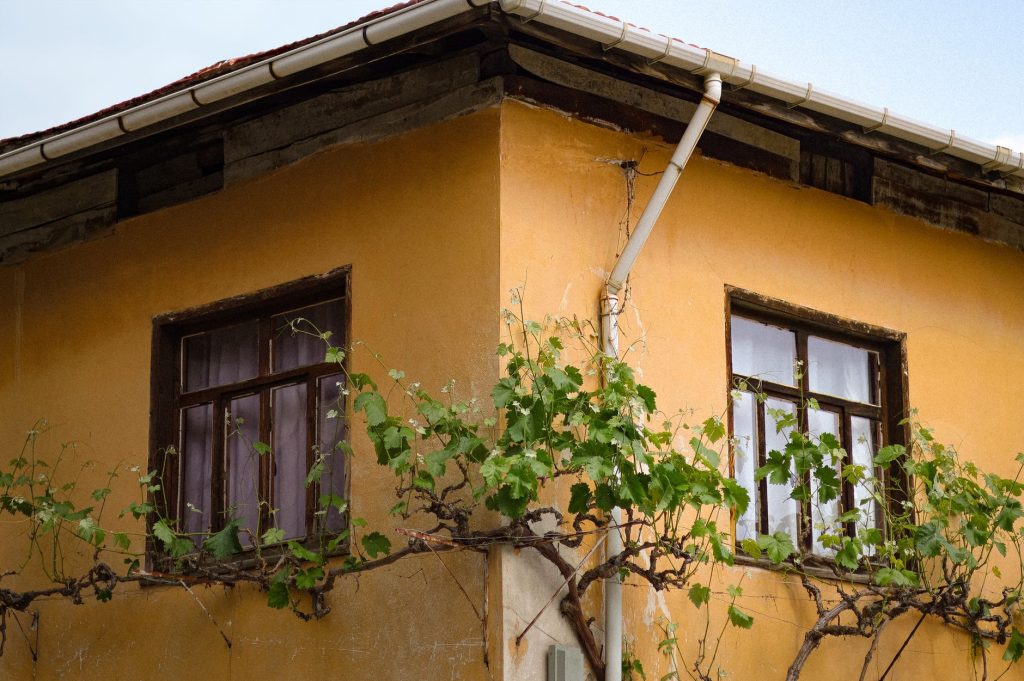

The small jobs people postpone in spring, summer, fall, and winter are often the ones that make homeownership feel unexpectedly expensive.
Seasonal home maintenance rarely feels urgent until a small problem becomes a noisy, wet, cold, or costly one. The tricky part is that many expenses are not dramatic repairs at first. They are modest cleanouts, inspections, seals, filters, trims, and tuneups that get skipped because life is busy.
For homeowners trying to avoid waste, these are the quiet costs worth watching. A little attention at the change of seasons can help you spot where money tends to leak out of the house before a contractor, utility bill, or emergency visit makes the lesson more expensive.
Gutter Cleanouts
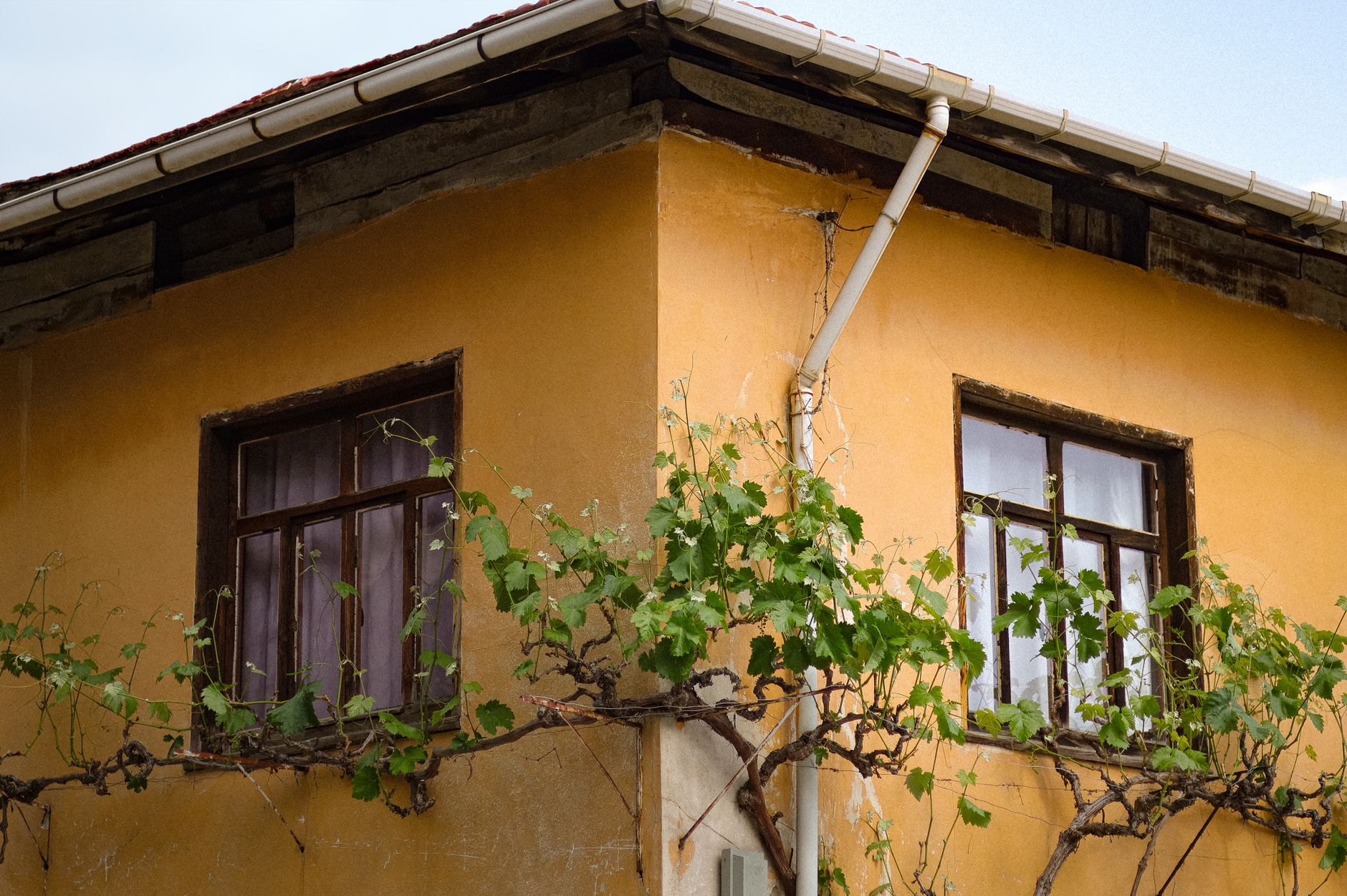
Gutter cleaning is easy to underestimate because it can look like a small weekend chore. The hidden cost shows up when leaves, pine needles, shingle grit, and seed pods block water from moving away from the house. Overflow can soak fascia boards, spill near the foundation, stain siding, or create icy patches when temperatures drop.
What to check: look for sagging sections, plants growing in the trough, water marks on siding, and downspouts that dump water too close to the house. Homeowners with tall roofs, heavy tree cover, or limited mobility may need a paid cleanout more than once a year, which is a cost many budgets forget.
HVAC Tuneups
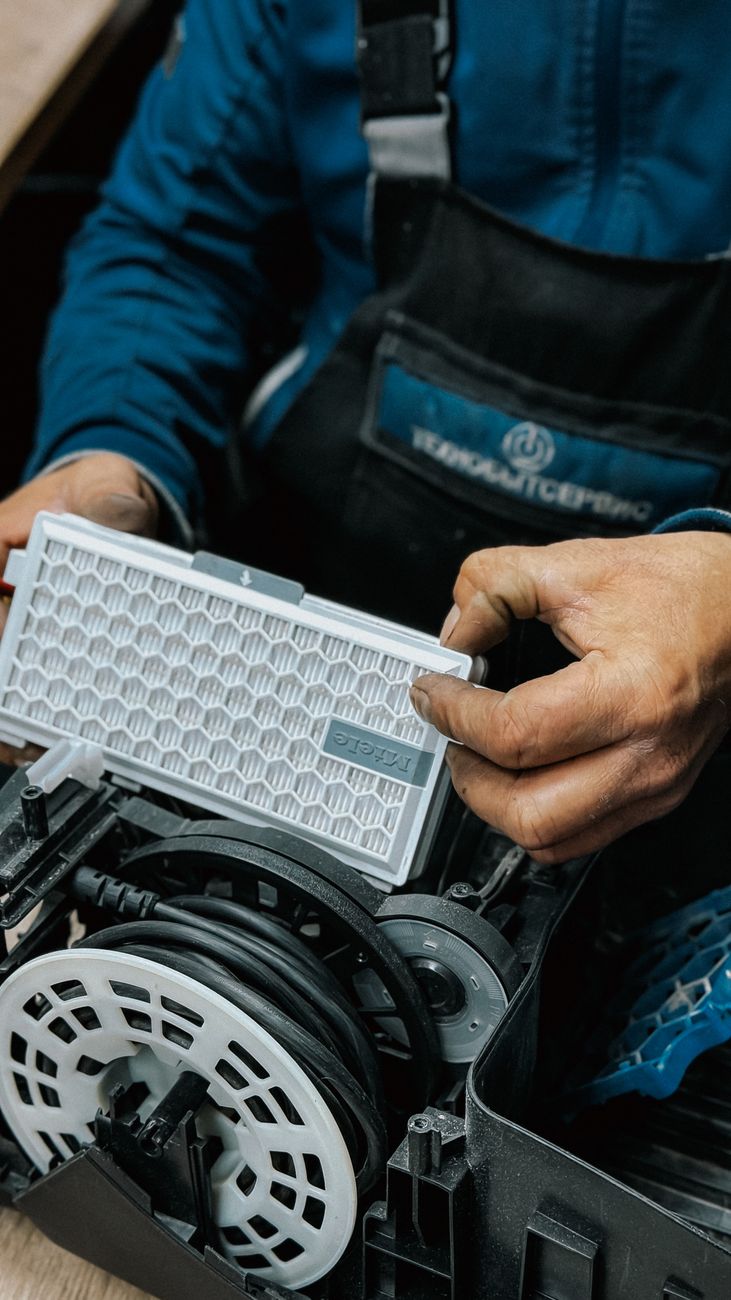
Heating and cooling systems tend to get attention only when the house is already uncomfortable. Seasonal tuneups can feel optional, but skipped maintenance may lead to higher utility bills, weaker airflow, short cycling, or a breakdown during the busiest service weeks of summer or winter. That is when appointments can be harder to find and small problems may become urgent repairs.
What to check: replace or clean filters on schedule, clear leaves and grass from outdoor units, listen for new noises, and watch for rooms that suddenly feel uneven. A routine visit is not exciting, but it can help catch worn parts, clogged drains, and airflow problems before they affect the whole household.
Weatherstripping Gaps
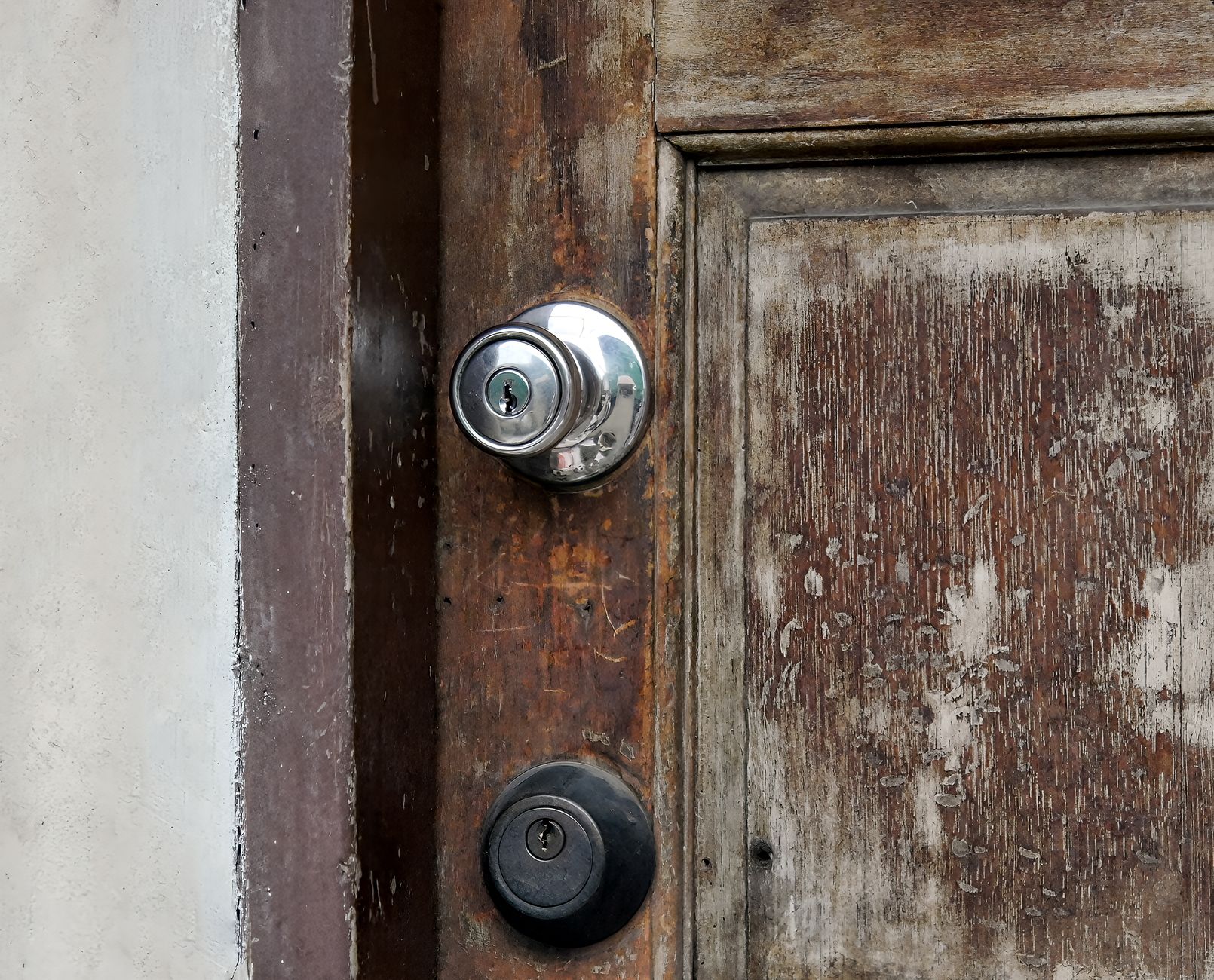
Small gaps around doors and windows do not always look expensive. They can still make heating and cooling work harder, especially during windy winter nights or humid summer afternoons. Worn weatherstripping, cracked caulk, and loose thresholds may also let in dust, moisture, insects, and outdoor noise.
What to check: stand near exterior doors on a windy day, look for daylight around frames, and feel for drafts near older windows. The materials are often inexpensive, but the hidden cost is waiting too long. Once moisture reaches trim or drywall, a simple sealing job can turn into painting, patching, or wood repair.
Tree Trimming
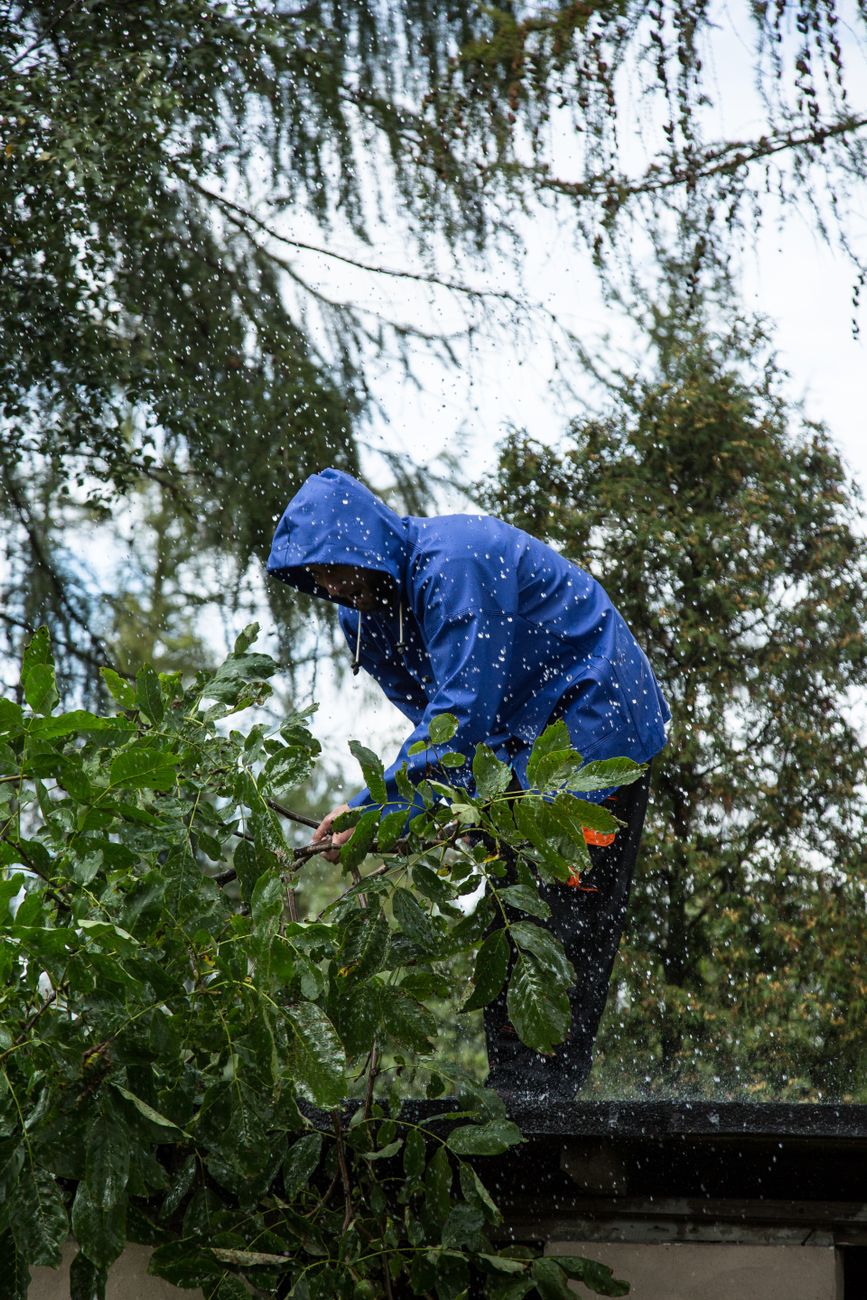
Tree trimming often gets postponed because healthy branches seem harmless until the weather changes. Heavy snow, spring storms, high winds, and summer lightning can turn overhanging limbs into roof damage, broken gutters, scratched siding, or blocked driveways. Even smaller branches can rub shingles or drop debris that keeps gutters clogged.
What to check: look for limbs touching the roof, dead branches, branches over service lines, and roots lifting walkways. Professional trimming can be a real seasonal expense, especially for mature trees, but it may be cheaper than repairing impact damage. It also helps protect neighbors, parked cars, and anyone walking near the property.
Pest Sealing
Season changes can push pests toward warmth, shade, food, or moisture. Mice, ants, wasps, and other unwanted visitors often enter through tiny gaps around vents, utility lines, garage doors, crawl spaces, and damaged screens. The first sign may be a few droppings, scratching sounds, or insects near a window, but the cost can grow if insulation, wiring, stored items, or food areas are affected.
What to check: walk the exterior slowly and look low along the foundation, around dryer vents, and near door sweeps. Sealing gaps, replacing screens, and clearing clutter are usually less costly than repeated treatments after pests are already settled inside.
Outdoor Water Lines
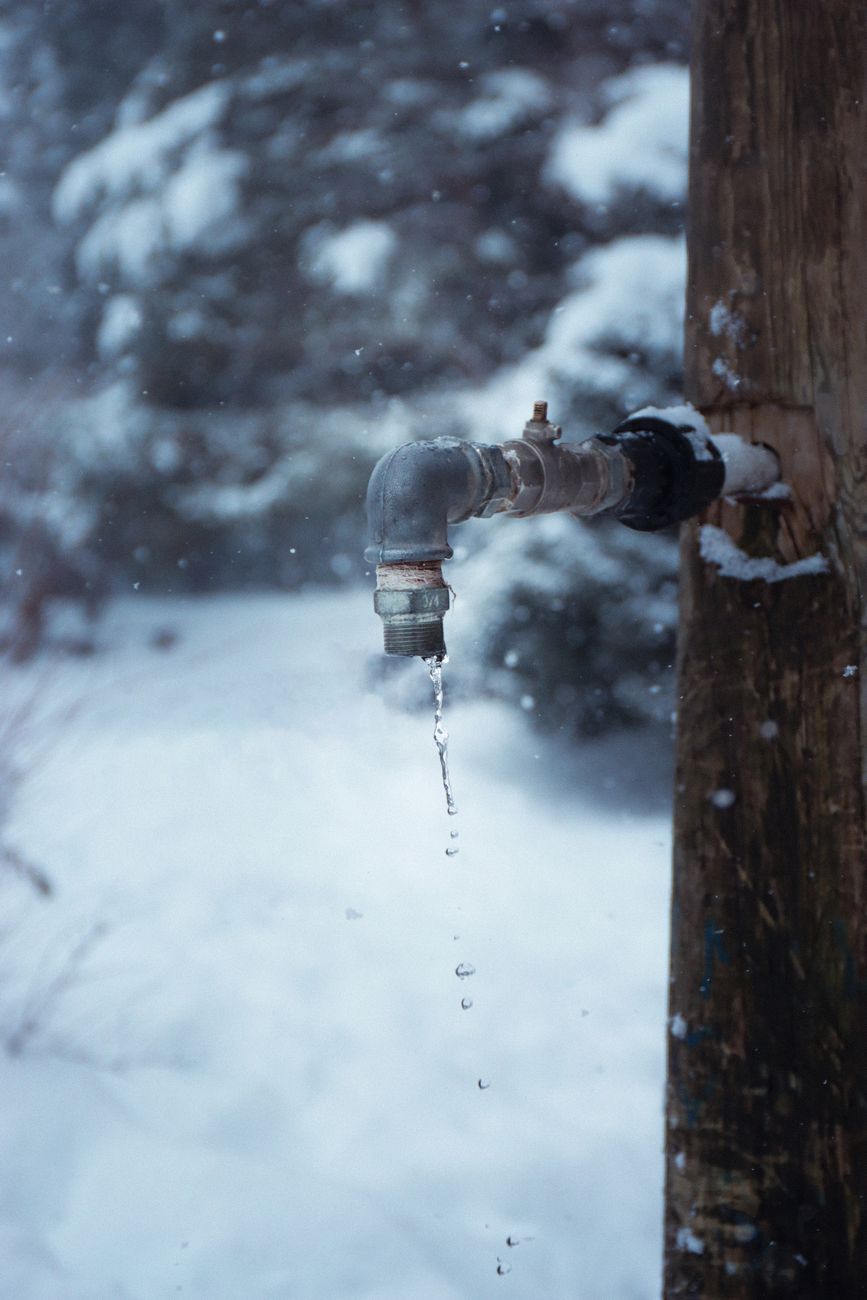
Outdoor water lines are easy to forget after the lawn stops growing or the garden is done for the season. A hose left connected, an unprotected spigot, or an irrigation system that was not drained can create trouble when freezing weather arrives. A burst line may not be obvious until water is turned back on or moisture appears inside a wall, basement, or crawl space.
What to check: disconnect hoses, cover exposed spigots, shut off interior valves where available, and schedule irrigation blowouts before the first hard freeze in colder areas. The hidden cost is not the cover or service call. It is the water damage that can follow a neglected line.
Roof Flashing Checks
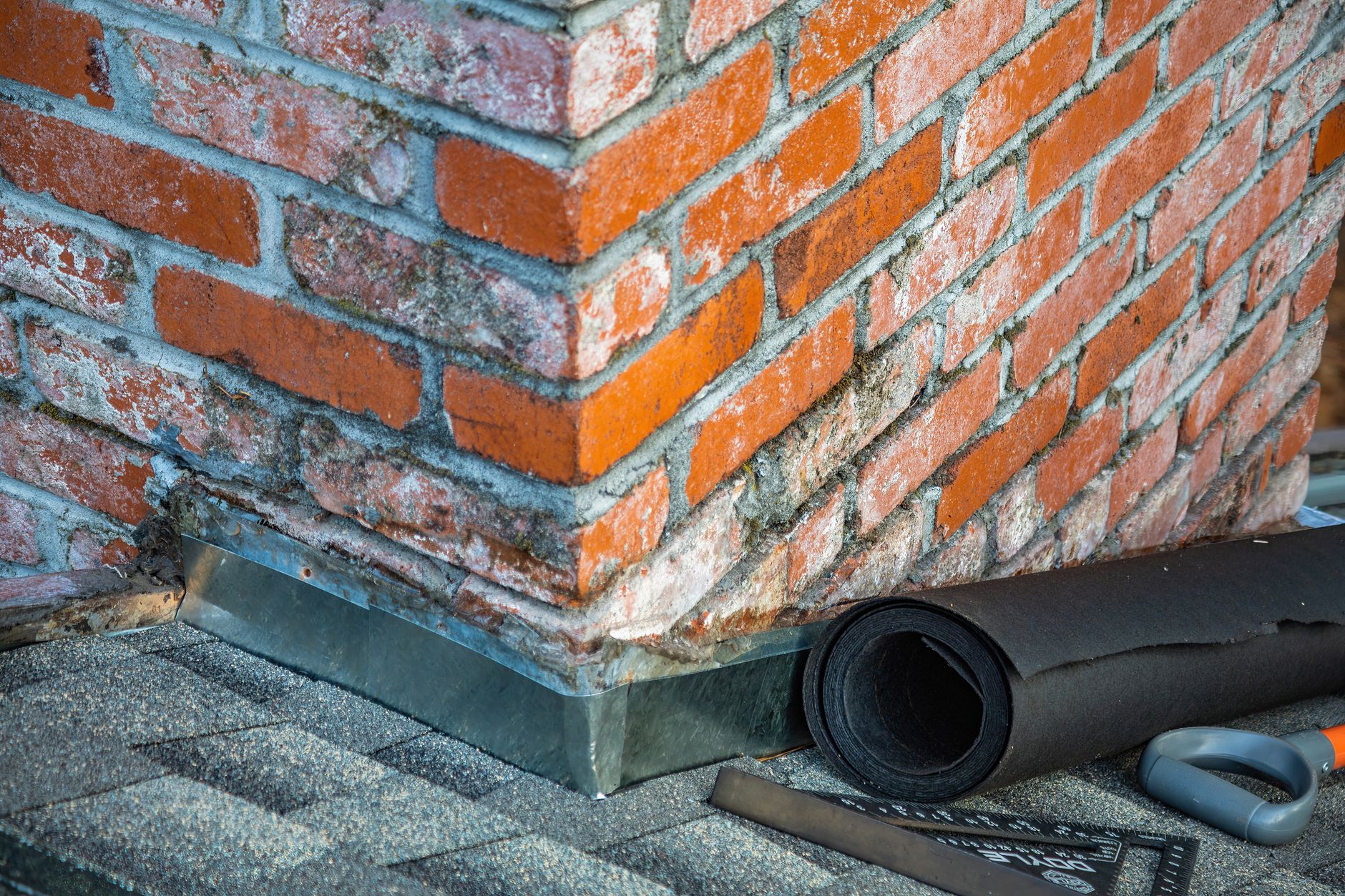
Seasonal roof maintenance is not only about missing shingles. Flashing around chimneys, skylights, vents, and roof edges can loosen, crack, rust, or pull away after temperature swings and storms. These small weak spots may leak slowly, showing up as ceiling stains, damp insulation, musty smells, or peeling paint long after the first rain found a path inside.
What to check: scan from the ground with binoculars, look for lifted shingles, stained soffits, and debris around roof valleys. After major storms, a quick visual check can help homeowners decide whether a professional inspection is worth scheduling before a minor leak becomes interior repair.
The best seasonal maintenance budget is not built around panic repairs. It is built around the boring items that protect the bigger systems: water control, airflow, sealing, trees, pests, pipes, and roof edges.
Before each season changes, walk the property with a short checklist and note what looks worn, blocked, loose, or exposed. If a task affects water, heat, safety, or structural parts of the house, it deserves attention before the calendar and the weather make it more expensive.