
Riding mowers have come a long way from the chunky, fume-belching machines that used to sit rusting in suburban garages. The 2026 lineup across major brands shows real progress, both in engine efficiency and in features that used to cost significantly more.
If you have a yard larger than half an acre, a quality riding mower stops being a luxury and starts being a genuine time saver. These eight models earn their price tags.
1. John Deere E120
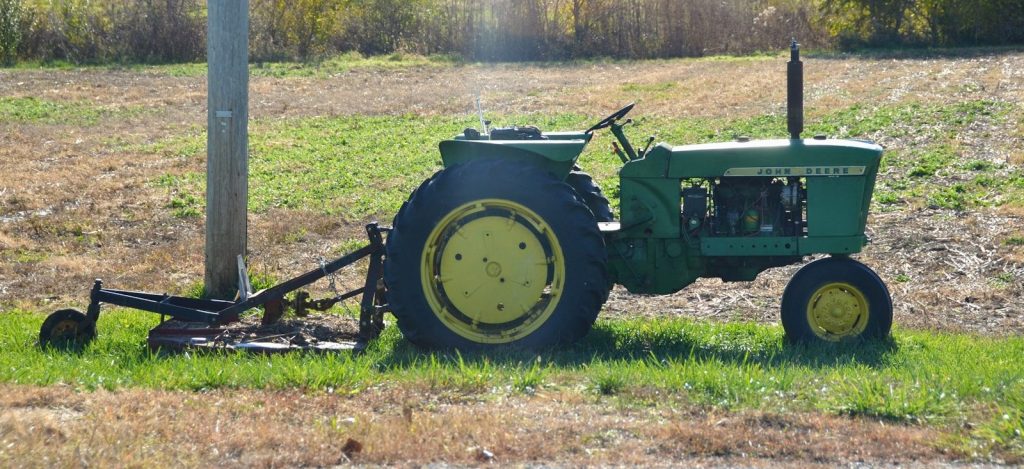
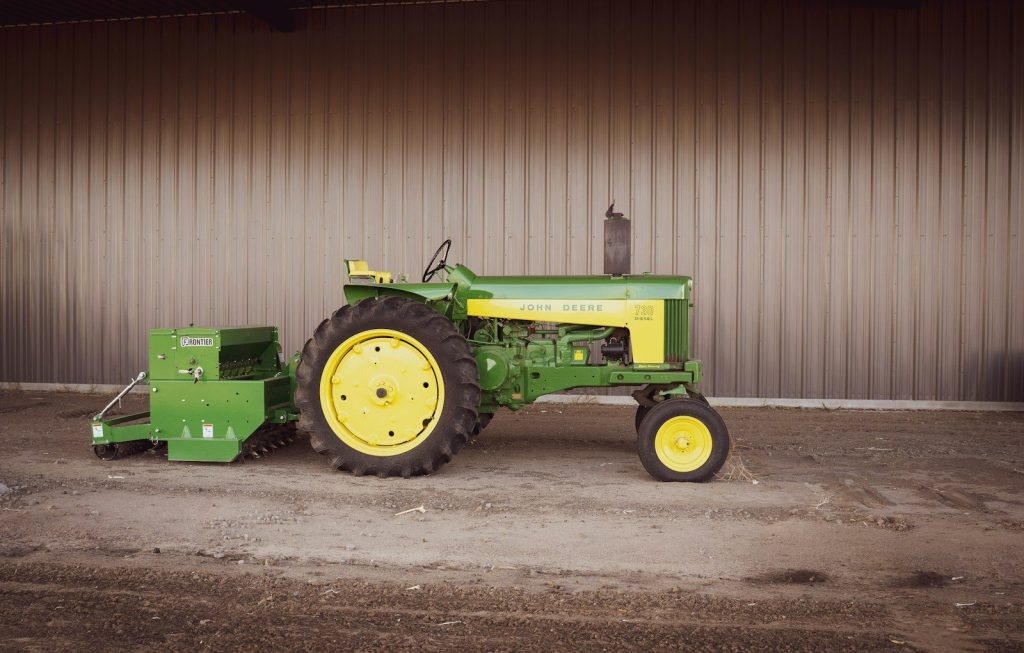
The E120 remains one of the most dependable entry points in the John Deere lineup. It runs a 20 HP Briggs and Stratton engine, handles a 42-inch cut, and holds up well across uneven terrain.
Deere updated the seat comfort and steering response for the 2026 model year, small improvements that add up over a two-hour mow. Retail price sits around $1,799, which is fair for what you get.
2. Husqvarna TS 354XD
Husqvarna built the TS 354XD for people who want a garden tractor without paying full commercial prices. The 24 HP Kawasaki engine is the highlight here. Kawasaki engines tend to run cleaner and longer than comparable Briggs units, and this one is no exception.
The fabricated 54-inch deck handles thick grass without bogging down. At around $3,299, it costs more than a basic rider, but the durability justifies the gap for larger properties.
3. Cub Cadet XT2 LX46
The XT2 LX46 punches above its price point. It carries a 23 HP Kohler engine and a 46-inch stamped steel deck, and the hydrostatic transmission makes speed adjustments feel natural rather than mechanical.
Cub Cadet improved the blade engagement system for 2026, reducing startup strain on the engine. It runs about $2,199 at most dealers. Solid pick for yards in the one to two acre range.
4. Troy-Bilt Pony 42
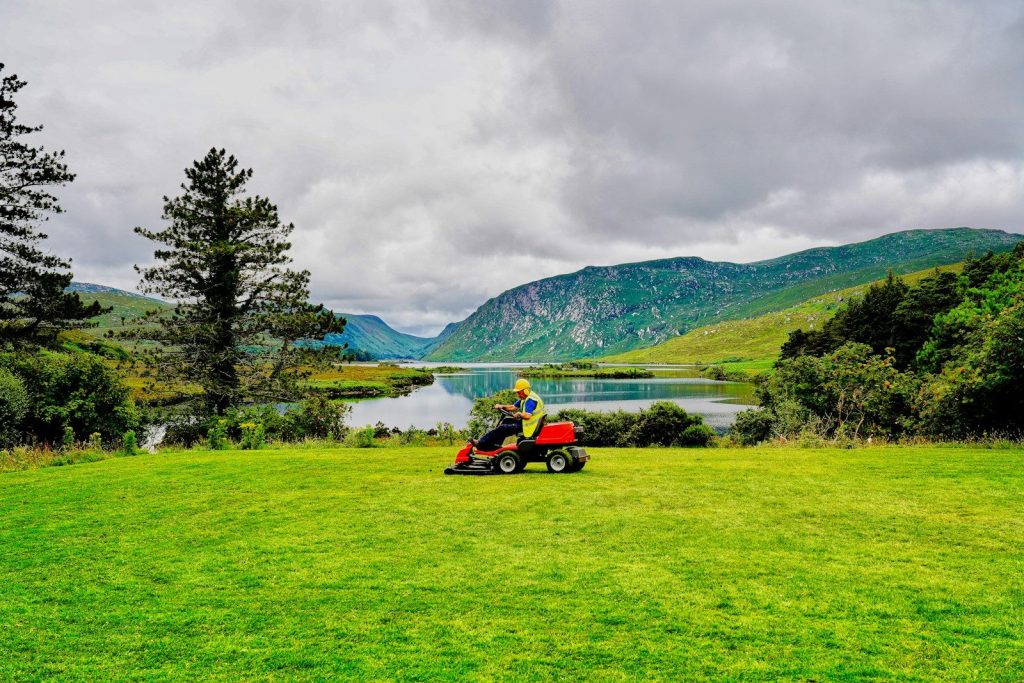
For smaller budgets, the Troy-Bilt Pony 42 deserves a look. It uses a 17.5 HP Briggs and Stratton engine, which won’t win any power comparisons, but handles standard residential grass without trouble.
The turning radius is tighter than most in its class, which matters when you’re working around trees and garden beds. Street price is typically around $1,299. Not the machine for rough or hilly terrain, but for a flat half-acre lot, it does the job cleanly.
5. Ariens IKON XD 52
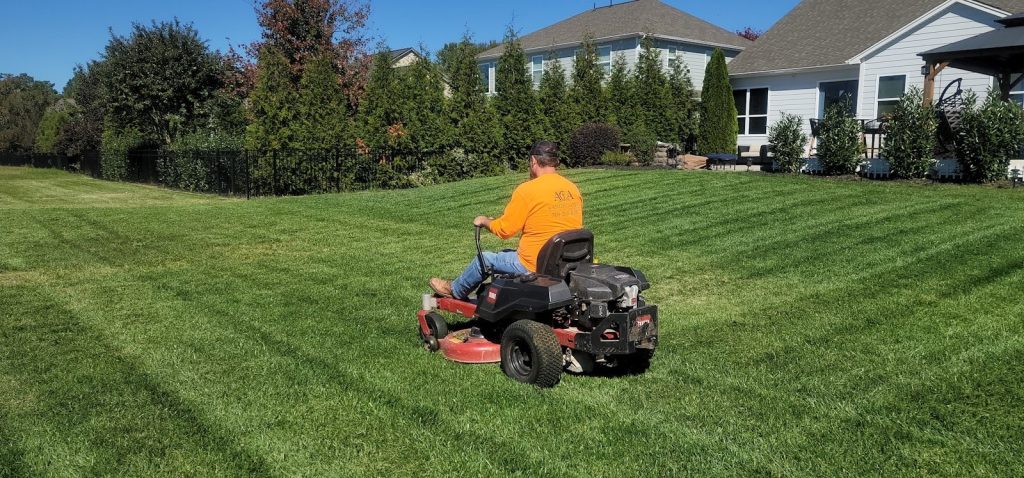
Ariens built the IKON XD 52 as a zero-turn with real staying power. The 23 HP Kawasaki FR engine pairs with a 52-inch fabricated deck and dual hydrostatic transmissions that give precise lap-bar control.
Zero-turns generally outperform traditional riders on open, flat ground, finishing the same area in noticeably less time. This model comes in around $3,799 and has earned consistent high marks for cut quality through the 2025 and 2026 seasons.
6. Toro TimeCutter 4200
Toro’s TimeCutter line has always focused on speed without sacrificing finish quality, and the 4200 holds that tradition. The 22 HP engine and 42-inch MyRIDE suspension system make it one of the more comfortable zero-turns in the under-$3,000 bracket.
Rough ground usually punishes zero-turn operators, but the MyRIDE setup absorbs enough vibration to take the edge off longer sessions. Price comes in around $2,799.
7. Craftsman T210
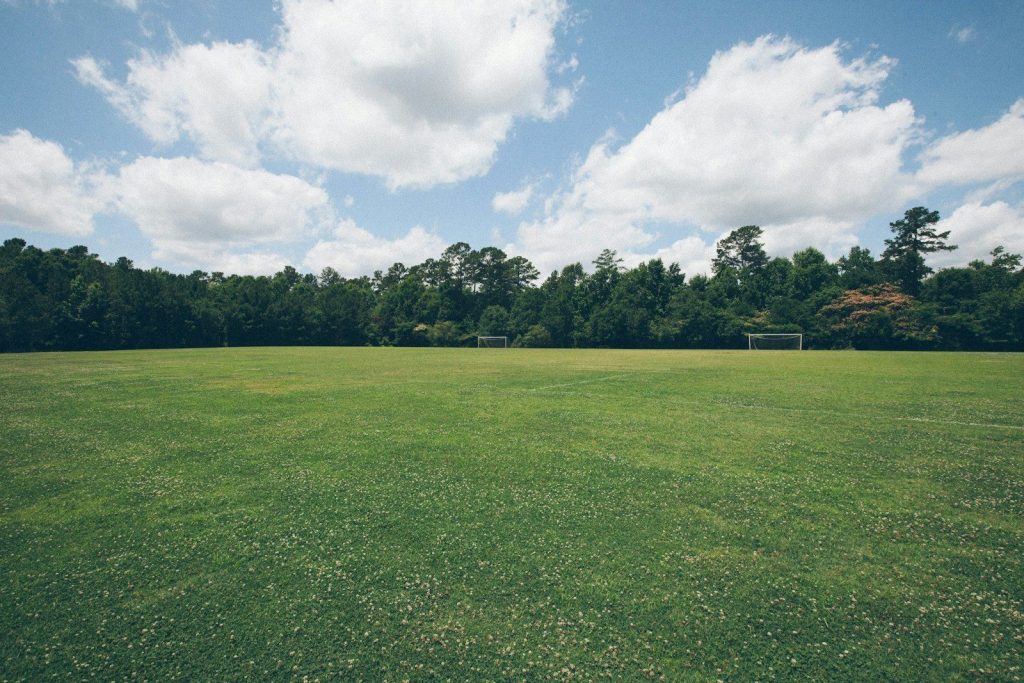
The Craftsman T210 sits in reliable mid-range territory. It uses a 19 HP Briggs and Stratton engine and a 46-inch deck, and the 6-speed transmission gives adequate control on moderate slopes.
Craftsman refreshed the T210’s frame construction for 2026, addressing some of the flex issues reported in earlier versions. Available at Lowe’s for around $1,599, it appeals to buyers who want a name brand without stretching the budget.
8. Gravely ZT HD 52
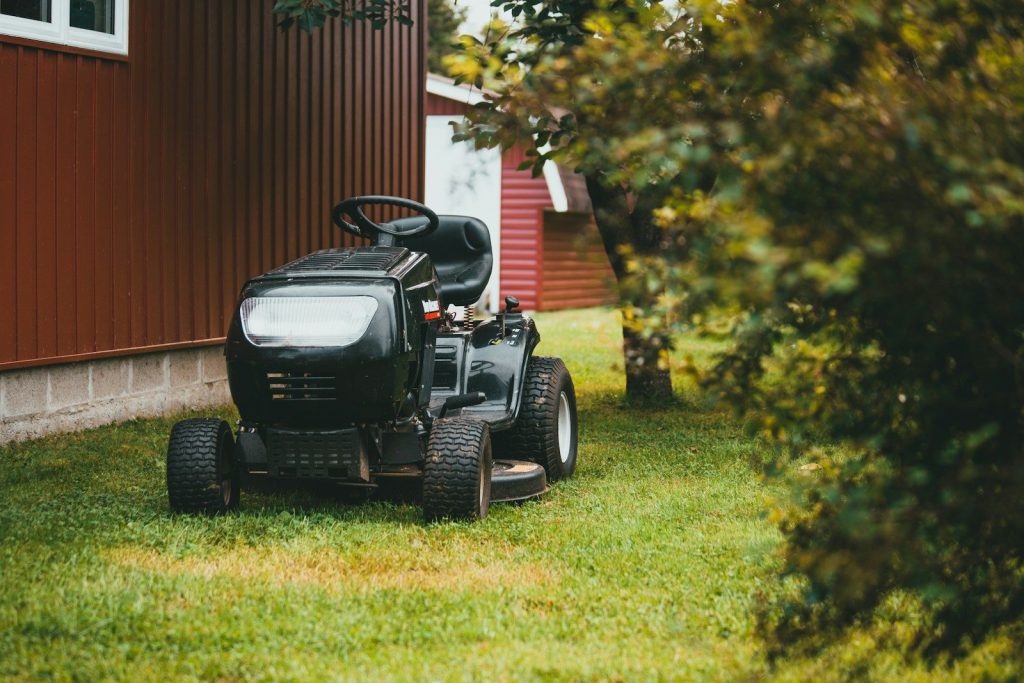
Gravely’s ZT HD 52 targets the upper end of the residential market, nearly crossing into light commercial territory. The 25 HP Kawasaki FX engine is one of the strongest in this class, and the 52-inch fabricated deck handles dense, overgrown grass with minimal scalping.
The ZT HD also features heavy-duty spindles and a reinforced frame that hold up to daily use. At around $5,299, the price reflects genuine build quality rather than brand premium alone.
How to Choose
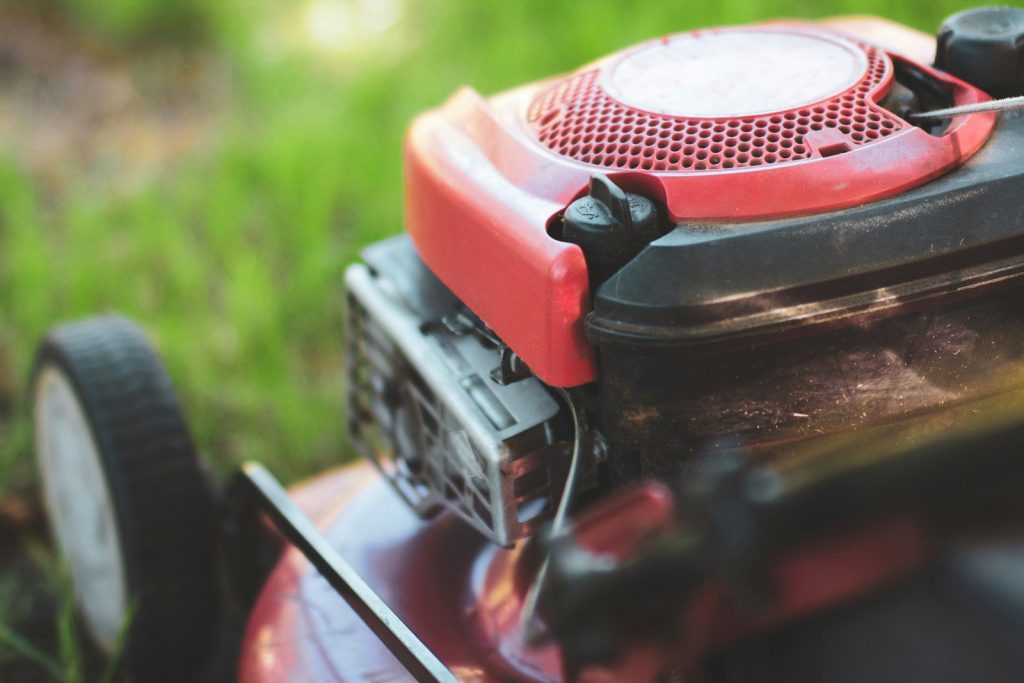
Engine brand, deck size, and transmission type matter more than advertised horsepower numbers. Kawasaki and Kohler engines generally outlast Briggs and Stratton in high-use situations, though Briggs remains acceptable for lighter residential work. Fabricated decks cut better than stamped decks in thick or wet grass.
Zero-turns save time on open ground but handle slopes poorly. Traditional riders and garden tractors manage hills more safely. Match the machine to the actual terrain, not just the acreage, and any of these eight options will hold up well past the purchase date.