
Bitcoin still dominates the headlines, but serious crypto watchers have spent much of 2025 and early 2026 looking elsewhere. The market has matured enough that “which coin do you hold” is no longer a question with one obvious answer.
Four names keep coming up in that conversation: Ethereum, Solana, XRP, and Chainlink. Each has a different story, a different use case, and a different reason people are paying attention right now.
1. Ethereum’s Identity Shift
Ethereum has spent years being described as the platform other platforms are built on, and that description still holds. What changed is how it operates. Since the network completed its shift to proof-of-stake in 2022, energy consumption dropped by over 99 percent.
Developers have kept building on it regardless of price swings, and the number of active decentralized applications running on Ethereum in early 2026 remains higher than any competing network. That kind of sustained developer commitment is hard to manufacture.
Ethereum’s Limits

None of that means Ethereum is without problems. Transaction fees, known as gas fees, can spike sharply during periods of heavy network traffic, making it expensive for smaller users.
Layer-2 solutions like Arbitrum and Optimism have helped by processing transactions off the main chain and settling them later, but the user experience across those tools is still uneven. Ethereum’s roadmap has always been ambitious. Delivery has been slower than supporters would prefer.
2. Solana’s Speed Argument
Solana makes a blunter case. It processes thousands of transactions per second at a fraction of Ethereum’s cost, and the numbers are real. That performance attracted a wave of NFT activity in 2021 and 2022, and more recently, Solana has become the preferred network for meme coin trading, which is speculative but reflects genuine user volume.
The blockchain also powers a growing number of payments-focused applications, particularly in Latin America and Southeast Asia, where fast and cheap transfers have practical appeal beyond speculation.
Solana’s Reliability Question
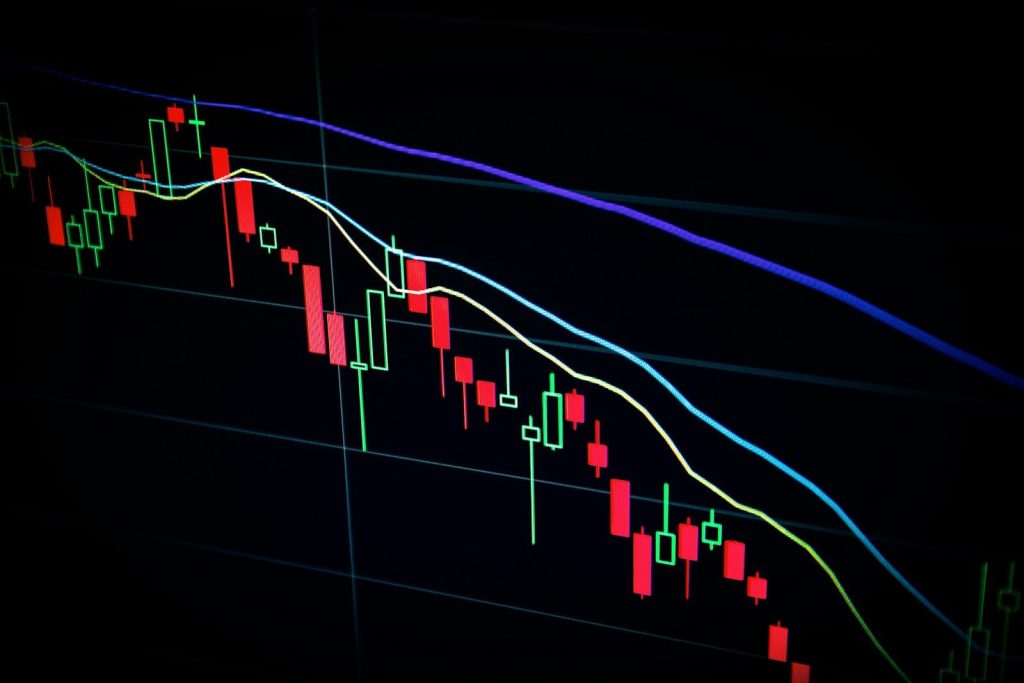
The counterargument to Solana centers on stability. The network suffered multiple significant outages between 2021 and 2023, including stretches where transactions simply stopped processing for hours.
Engineers have worked to address those vulnerabilities, and outages have become less frequent, but the history matters to developers deciding where to build. A network that goes down is a network people eventually route around.
3. XRP and the Legal Turning Point
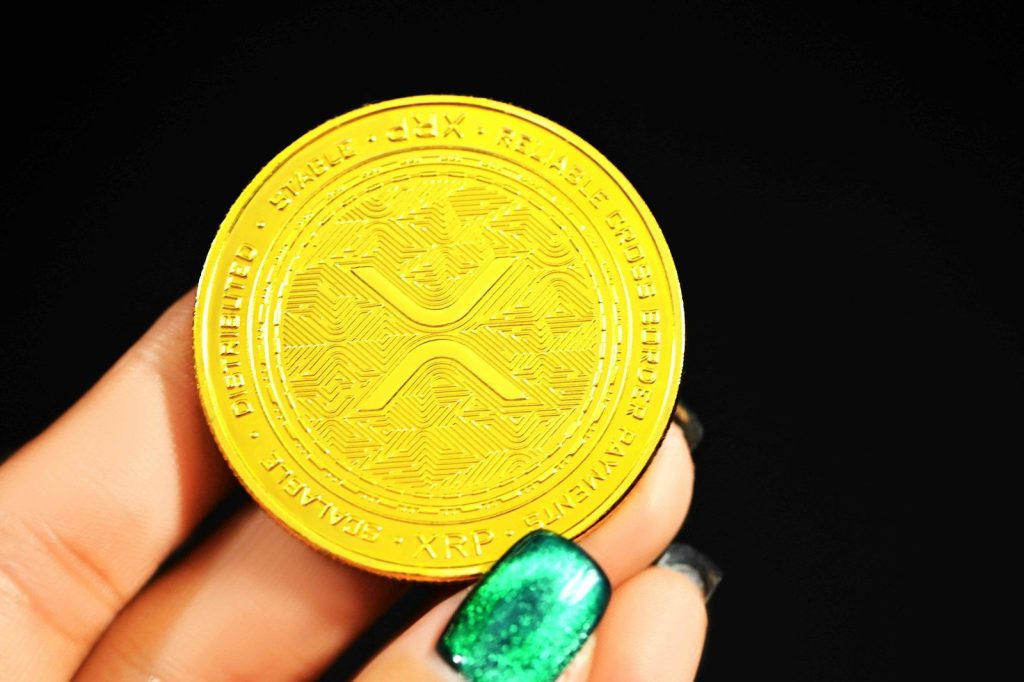
XRP spent years under a cloud after the Securities and Exchange Commission sued Ripple Labs, the company closely associated with the token, in December 2020. The core allegation was that XRP had been sold as an unregistered security.
A partial court ruling in 2023 found that XRP sold on public exchanges did not constitute a security, which was a meaningful legal distinction. By 2025, Ripple had reached a broader settlement with the SEC, and XRP’s regulatory status in the United States became considerably clearer. That clarity mattered more to institutional users than to retail traders.
What XRP Actually Does

The practical use case for XRP has always been cross-border payments. Traditional wire transfers can take days and carry fees that eat into small transfers. The RippleNet system, which uses XRP as a bridge currency, processes transfers in seconds.
Several banks and payment processors in Asia and the Middle East have integrated it into existing infrastructure. Whether XRP becomes a global payments standard or a niche tool for specific corridors is still an open question, but the infrastructure around it is more developed than most people outside the industry realize.
4. Chainlink’s Quieter Role

Chainlink rarely gets mentioned alongside Bitcoin in casual conversation, which is part of why it surprises people when they look at it closely. The network operates as what the industry calls an oracle, meaning it feeds real-world data into blockchain-based smart contracts.
If a contract needs to know the price of gold, the outcome of an election, or the temperature in a specific city, Chainlink retrieves that information from external sources and delivers it in a format the blockchain can use.
Why Oracles Matter

Smart contracts are only as useful as the data they can access. A contract that pays out when a stock hits a certain price is useless without a reliable price feed. Chainlink has become the dominant provider of that infrastructure across multiple blockchains, including Ethereum, Avalanche, and others.
Major financial institutions including Swift, the global banking messaging network, ran pilot programs using Chainlink’s technology to explore how traditional finance systems might connect to blockchain networks. Those pilots don’t guarantee adoption, but they reflect where serious institutional attention has been directed.
Where That Leaves Things
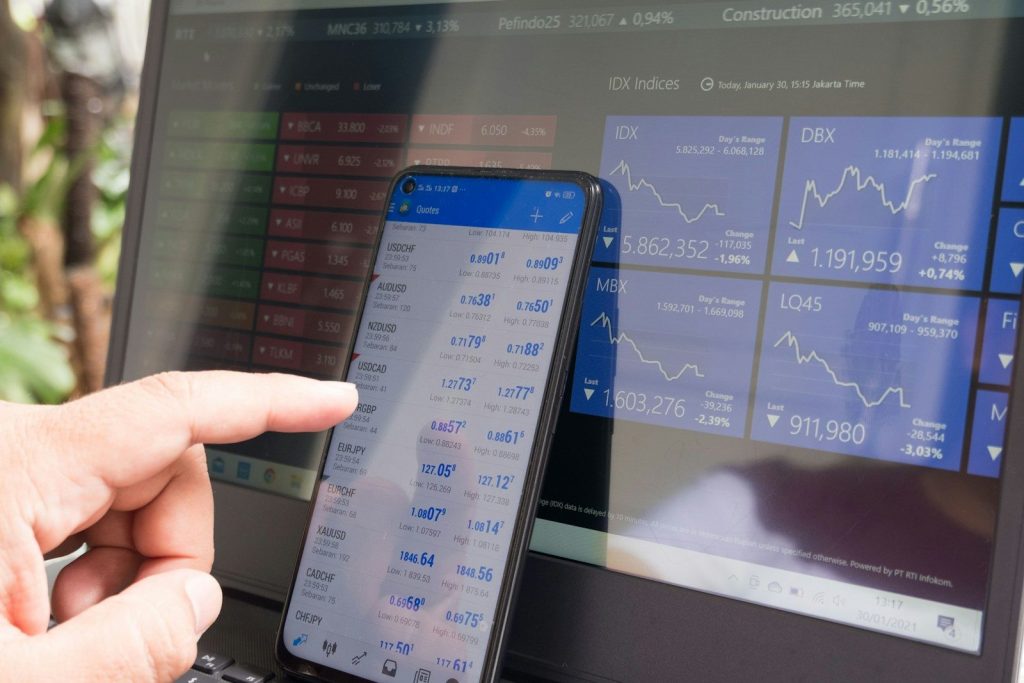
None of these four are guaranteed winners. Crypto markets remain volatile, regulatory frameworks are still developing in most countries, and the technology continues to change fast enough that today’s leading platform can look dated within a few years.
What sets these four apart from the hundreds of tokens that come and go is that each has a defined purpose, a working product, and real usage that existed before the latest round of speculation. That’s a lower bar than it should be, but in this market, it counts for something.