
Most people spend real money on hair products without realizing that some of the most effective treatments are already sitting in their pantry or bathroom cabinet.
That’s not an exaggeration. Researchers and dermatologists have pointed to several common household ingredients that show genuine promise for hair health, whether the goal is shine, growth, moisture, or scalp support. Here are nine worth knowing about.
1. Coconut Oil
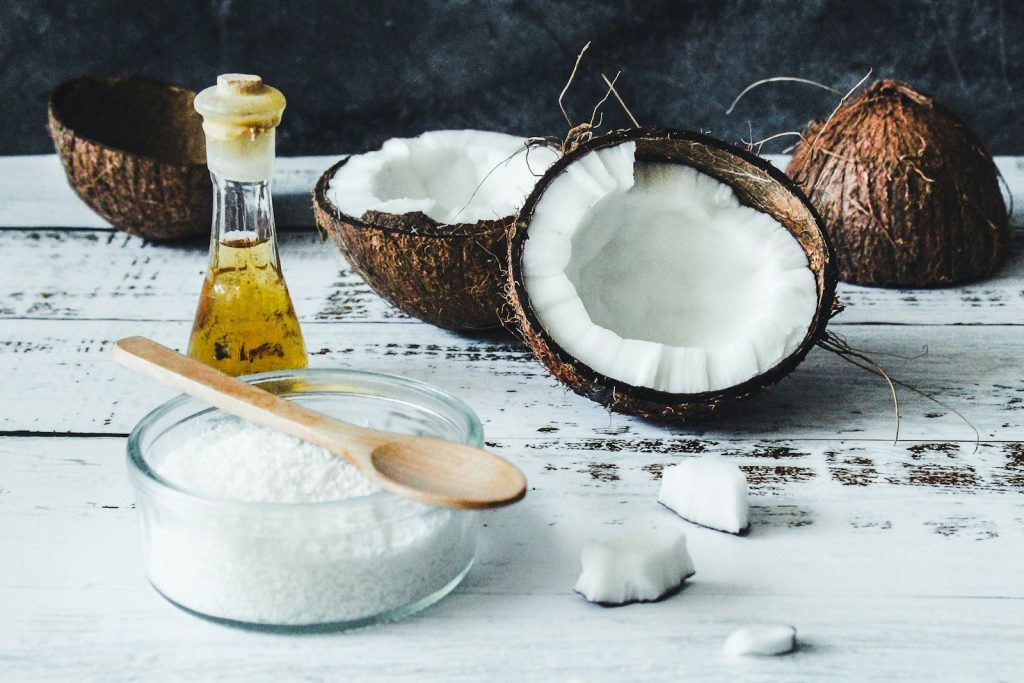
Coconut oil has been used on hair across South Asian and Caribbean cultures for generations, and modern research has given those traditions some scientific backing.
A study published in the Journal of Cosmetic Science found that coconut oil, unlike mineral oil or sunflower oil, can actually penetrate the hair shaft rather than just coating it. That penetration helps reduce protein loss, which matters most for color-treated or heat-damaged hair. Apply a small amount to dry hair, leave it for 30 minutes, then shampoo out. A little goes a long way.
2. Apple Cider Vinegar
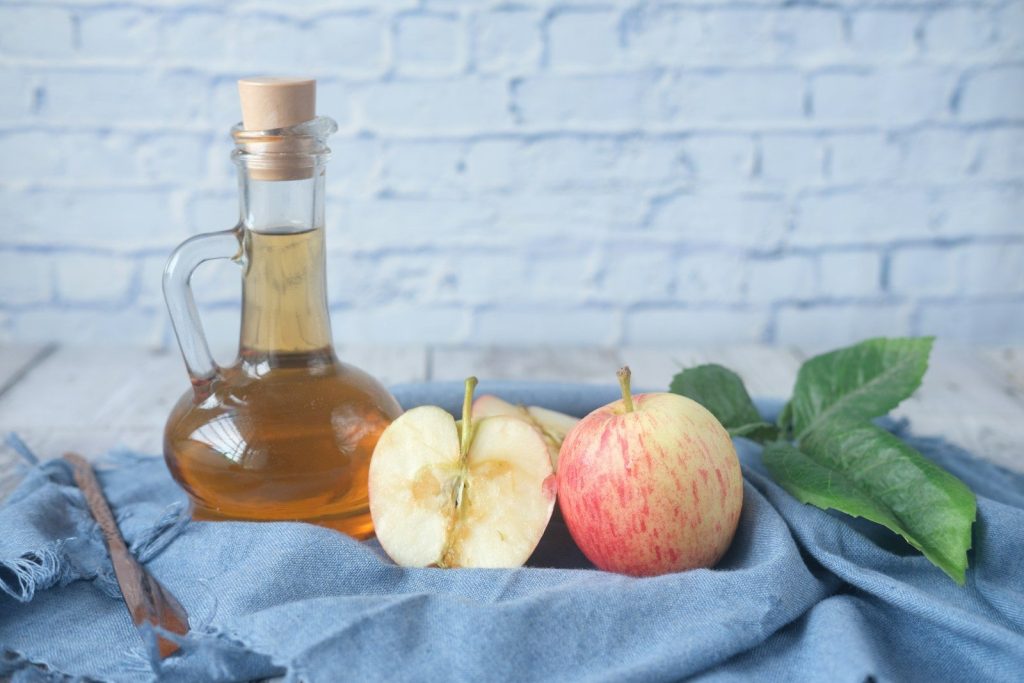
The hair and scalp have a slightly acidic pH, somewhere around 4.5 to 5.5. Many shampoos disrupt that balance, leaving the cuticle rough and the scalp irritated.
A diluted apple cider vinegar rinse, roughly one to two tablespoons in a cup of water, can help restore that acidity, smooth the cuticle, and reduce buildup. Some people also report it helps with flakiness. Use it once a week at most, as overuse can dry out the scalp.
3. Eggs

Eggs contain both protein and biotin, two things hair follicles depend on heavily. The yolk is especially rich in fatty acids and vitamins that may condition the shaft, while the white contains proteins that can temporarily strengthen fragile strands.
A simple egg mask applied to damp hair for 20 minutes before washing has been a staple of at-home hair care for decades. The smell isn’t pleasant, but the results for dry, brittle hair can be noticeable after consistent use.
4. Aloe Vera
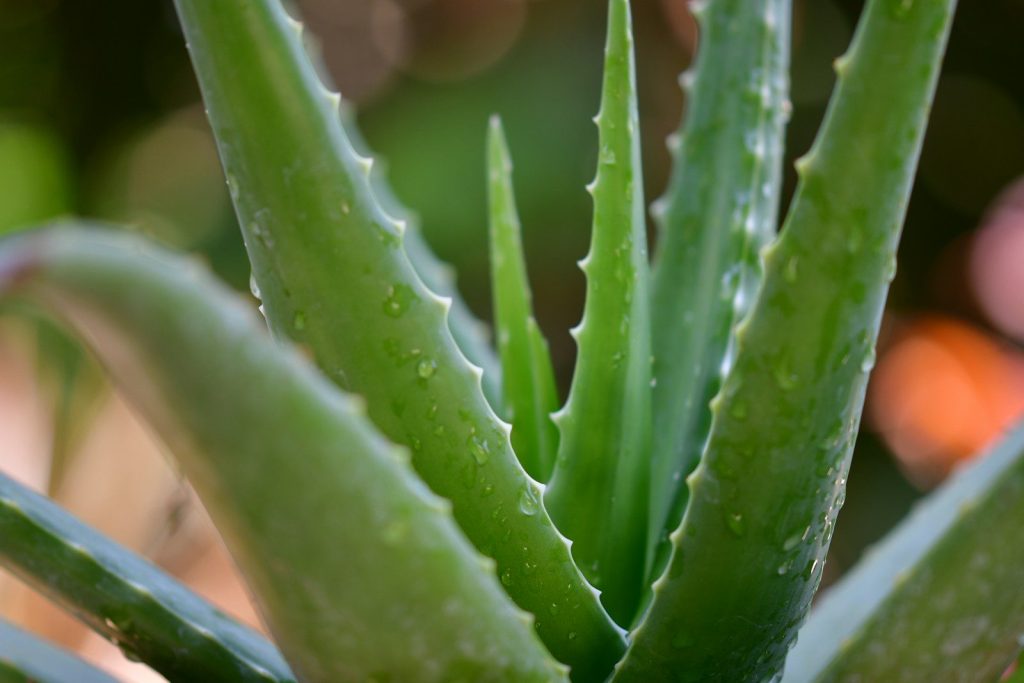
A fresh aloe vera plant is one of the more underrated items to keep in the house. The gel inside the leaves contains proteolytic enzymes that break down dead scalp cell buildup, and it has a pH level close to that of healthy hair.
It also has conditioning properties that reduce frizz without weighing hair down. Apply fresh gel directly to the scalp, leave it for about 45 minutes, then rinse. Store-bought aloe works too, provided it doesn’t contain a lot of additives.
5. Olive Oil

Olive oil functions similarly to coconut oil as a pre-wash treatment, but it tends to work better for coarser or thicker hair textures that need heavier moisture. It’s high in oleic acid, which helps soften the hair fiber.
Warm a small amount between the palms, work it through the mid-lengths and ends, and let it sit under a shower cap for 30 to 45 minutes. The heat from the cap helps the oil absorb more effectively.
6. Onion Juice
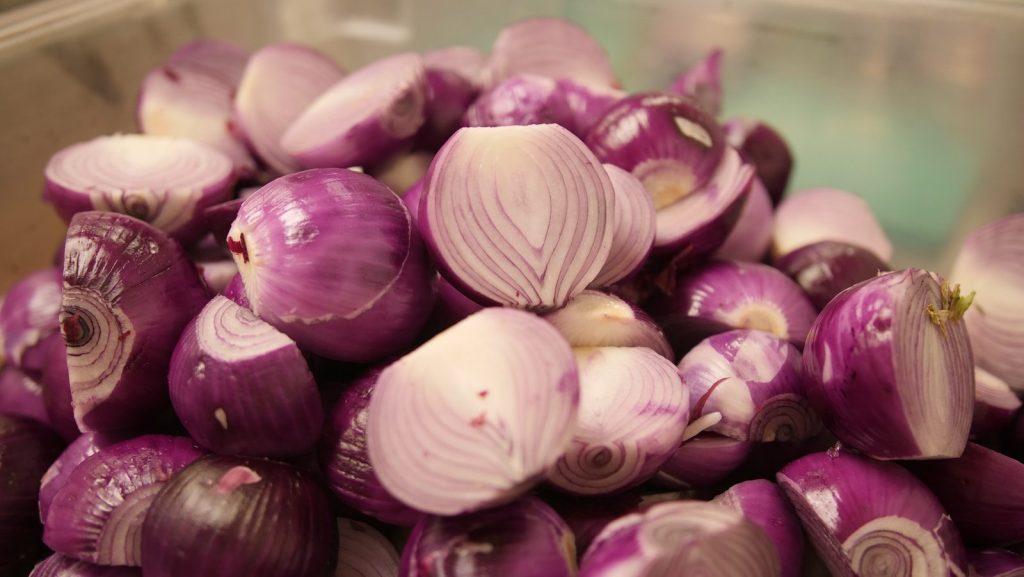
This one is harder to love, but the evidence behind it is more solid than most people expect. A small study published in the Journal of Dermatology in 2002 found that applying onion juice to the scalp twice daily led to significant regrowth in participants with patchy hair loss.
The working theory involves the high sulfur content, which supports keratin production and may improve circulation in the scalp. Blend half an onion, strain the juice, apply it to the scalp for 30 minutes, then wash thoroughly. The smell does go away.
7. Green Tea
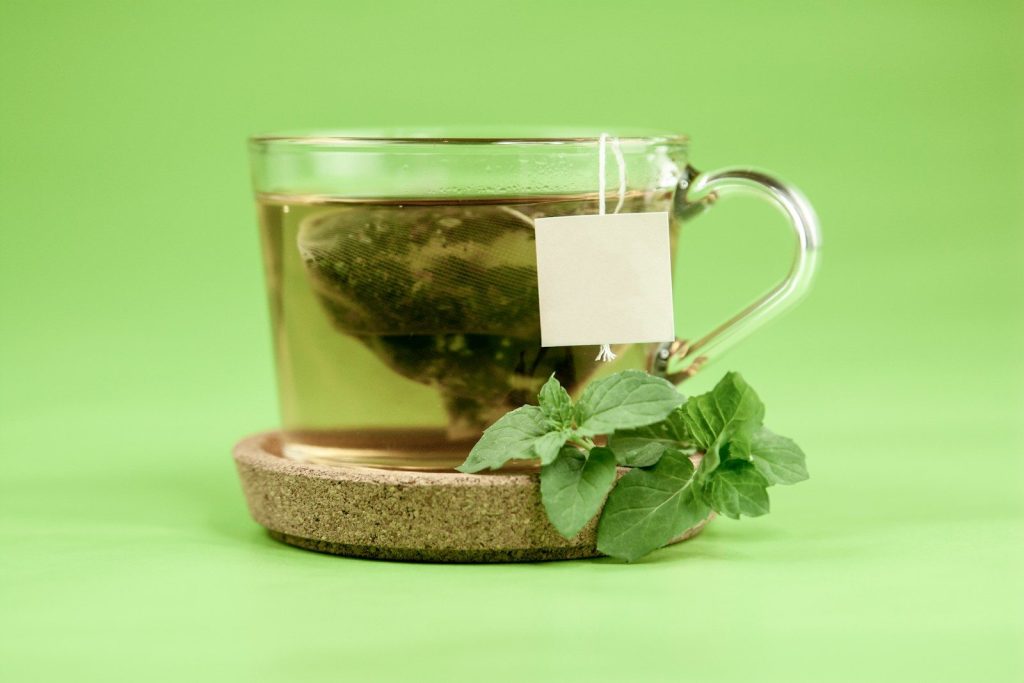
Brewed green tea, cooled down and used as a post-shampoo rinse, may support scalp health in a couple of ways. It contains EGCG, an antioxidant that some early research suggests could inhibit 5-alpha reductase, the enzyme responsible for converting testosterone into DHT, a hormone linked to hair thinning.
It also has mild anti-inflammatory properties that can calm an irritated scalp. This isn’t a replacement for medical treatment for hair loss, but as a rinse used a few times a week, the risk is essentially zero and the potential upside is real.
8. Castor Oil
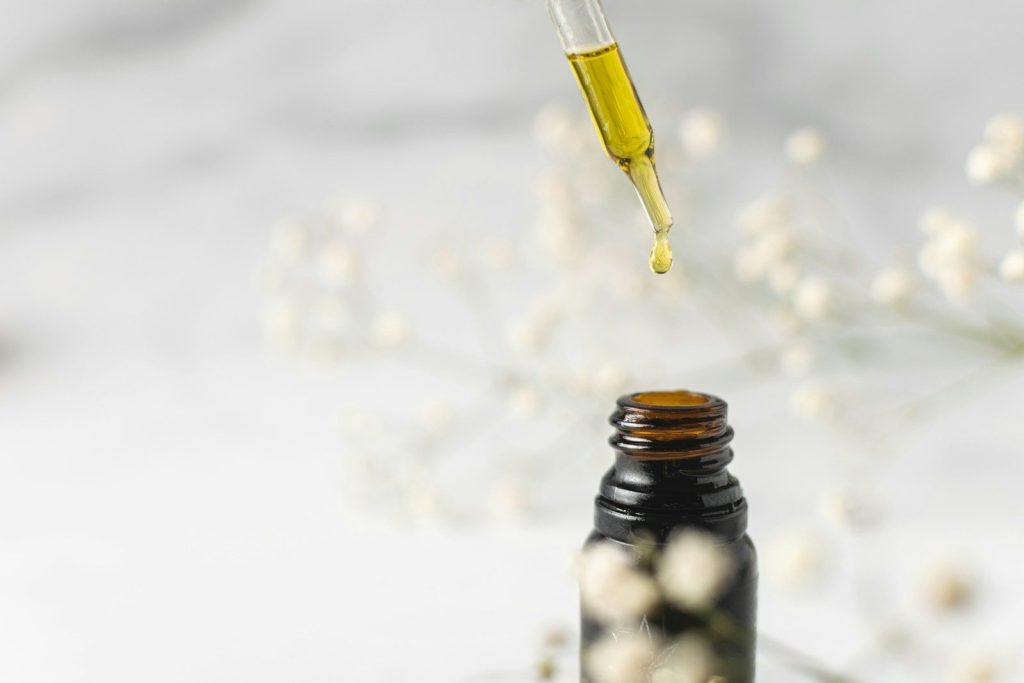
Castor oil is thick, almost uncomfortably so, which is part of why it works. The high concentration of ricinoleic acid gives it strong antimicrobial properties and may support scalp circulation. Many people apply it specifically to the edges of their hairline or to eyebrows and lashes where growth has thinned.
Because of the viscosity, mixing it with a lighter oil like jojoba or sweet almond makes application easier. Leave it on overnight for the best results, then wash it out in the morning.
9. Rice Water
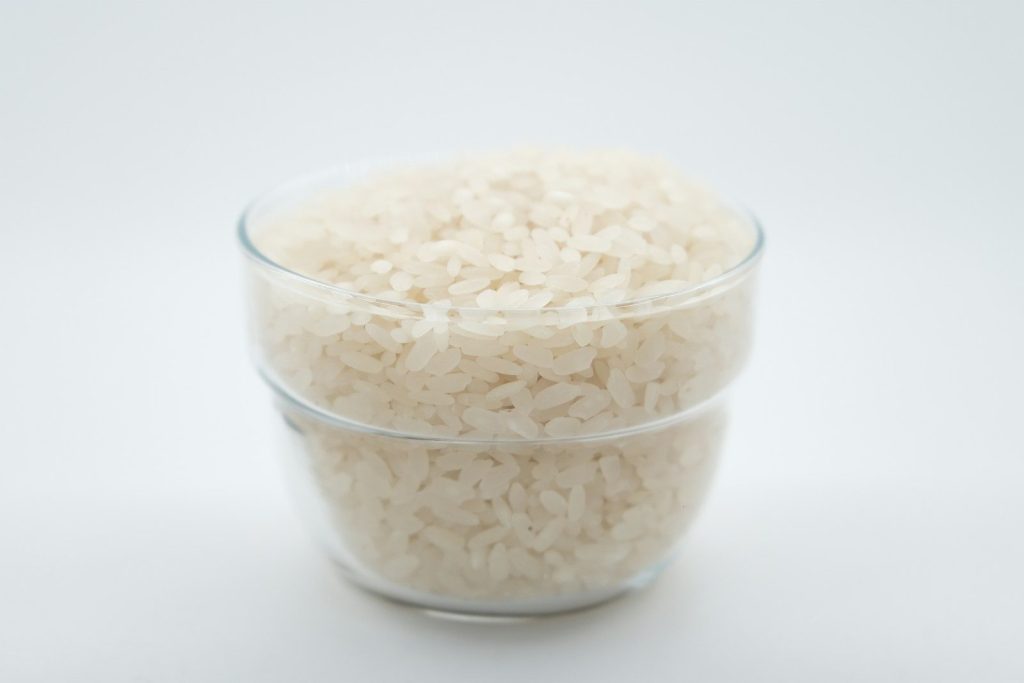
Rice water, the starchy water left over from rinsing or boiling rice, has been used for hair care in China for centuries. The women of the Yao people in Huangluo, China, who are known for hair that often reaches past their feet, have cited fermented rice water as a central part of their routine.
It contains inositol, a carbohydrate that research suggests can penetrate damaged hair and repair it from within. Fermented rice water has slightly more acidity, making it more effective than plain rinse water. Leave it on for 20 minutes once or twice a week and rinse clean.