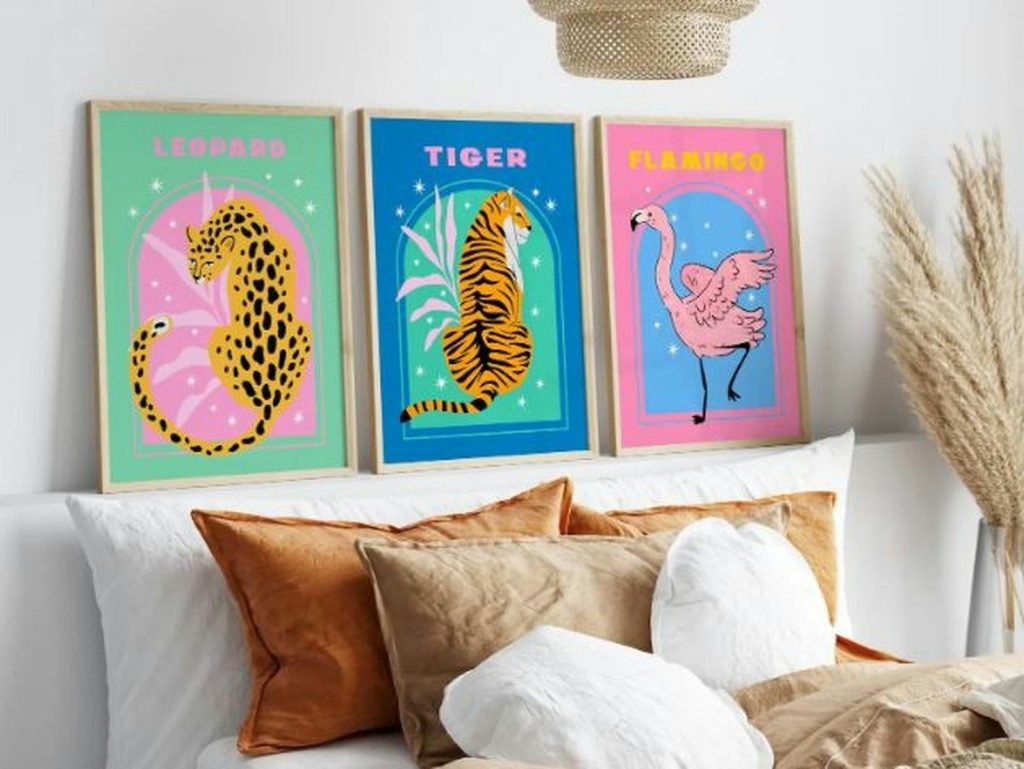

Bare walls have a way of making even a well-furnished room feel unfinished. But the assumption that good wall decor requires serious money keeps a lot of people stuck with nothing at all.
The truth is, some of the most appealing rooms out there were put together on tight budgets, using sources most people walk past without thinking twice. These eight ideas run the range from genuinely free to comfortably under $50, and none of them require a design background to pull off.
1. Thrift Store Frames, Mixed and Matched
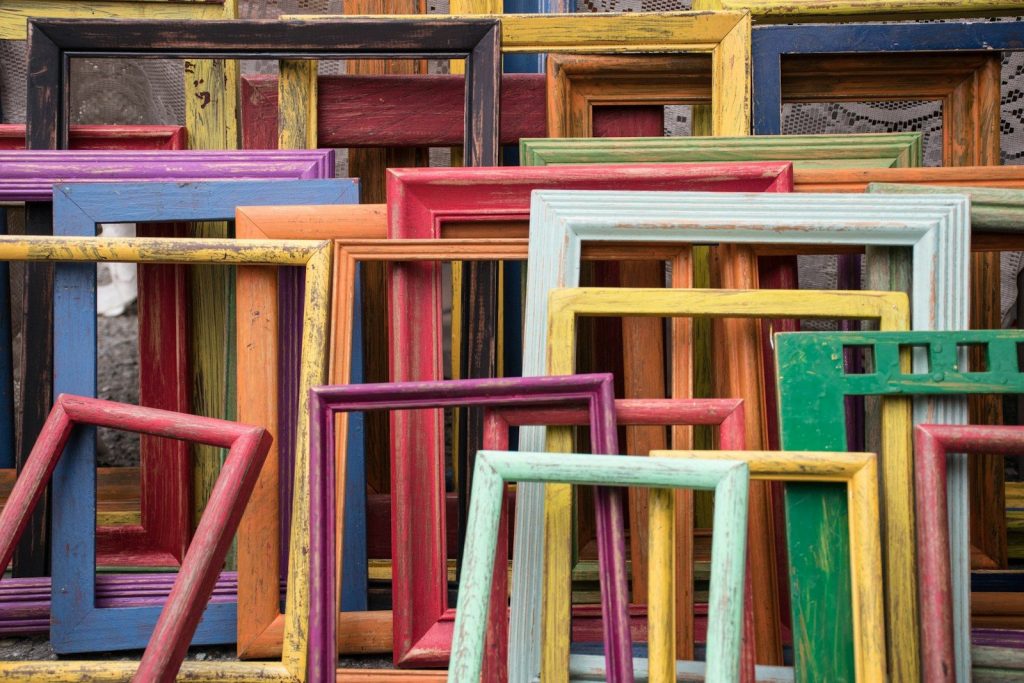
Mismatched frames from thrift stores and estate sales have become one of the more reliable ways to build a gallery wall without the gallery price tag. The key is picking a single unifying element, whether that’s color, finish, or rough size range, and letting everything else vary.
Spray painting a collection of different frames the same matte black or warm gold pulls them together instantly. What goes inside them is almost secondary: old botanical prints, pages torn from vintage calendars, fabric swatches, or photos printed at home on cardstock all work.
2. Printable Art Has Come a Long Way
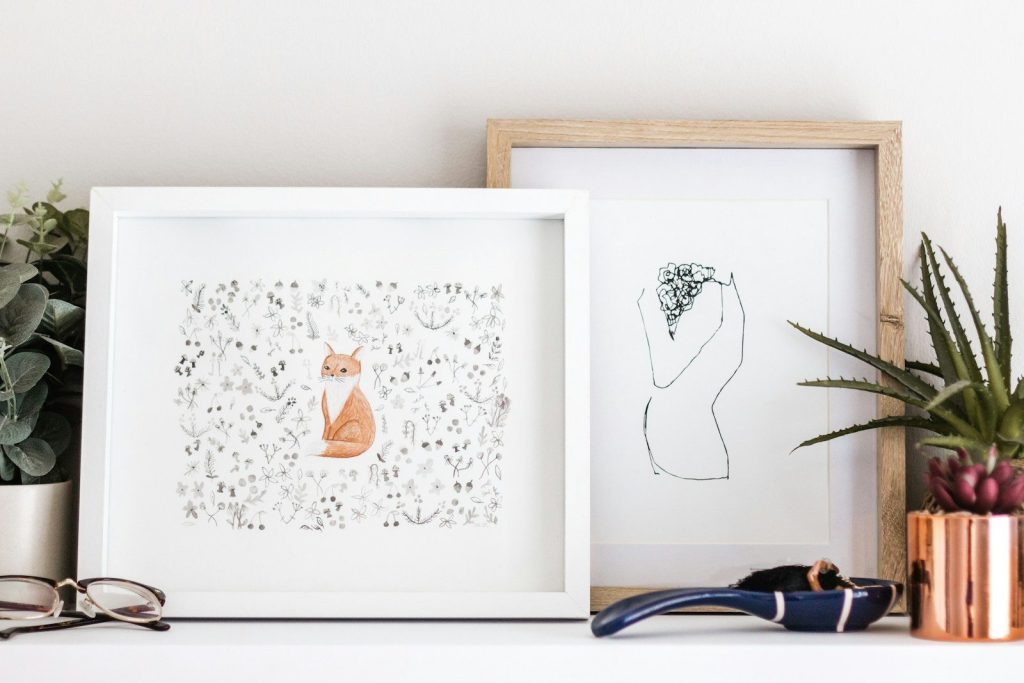
Digital download art has improved considerably. Sites like Etsy and Creative Market sell high-resolution files for anywhere from $1 to $15, covering everything from minimalist line drawings to detailed maps of specific cities and national parks.
Print them at a local copy shop on heavier paper for better results than standard printer paper, and the finished product can be hard to distinguish from something bought at a home goods store. In 2026, some sellers are also offering AI-generated customizable prints where buyers can request specific color palettes or subjects before downloading.
3. Woven Wall Hangings
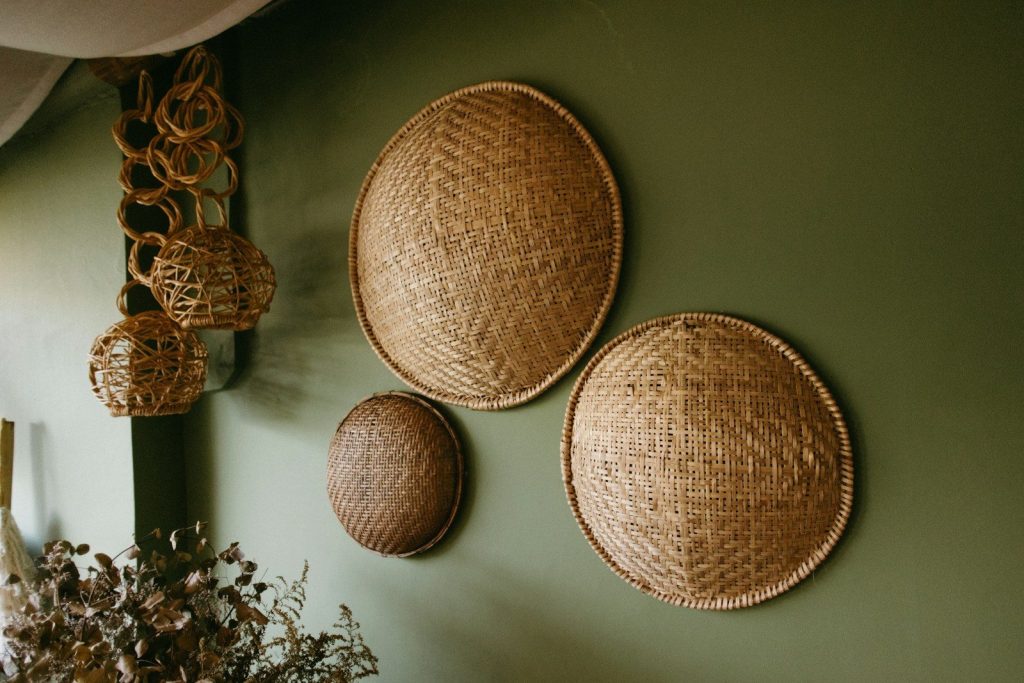
Macrame and woven fiber pieces never fully went away after their 1970s peak, and the current versions are more refined. Small hangings under 18 inches wide can be found at craft fairs, on Etsy, and increasingly at discount home stores for $15 to $30.
They add texture in a way that flat art simply cannot, which matters more in rooms that already have a lot of hard surfaces. A single piece above a bed or console table does real visual work without demanding much else around it.
4. Fabric as Wall Art
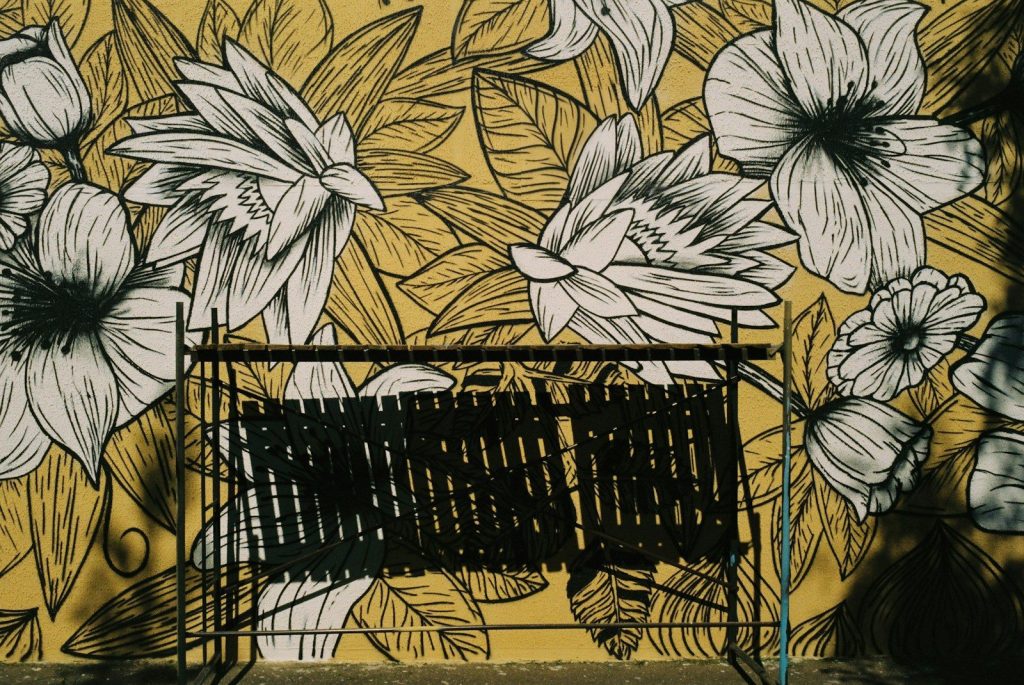
A length of fabric stretched over a canvas frame or a wooden dowel costs a fraction of what framed art typically runs. Fabric stores regularly carry remnants and end bolts at steep discounts, and patterns that would look overwhelming as upholstery work beautifully at smaller scale on a wall.
Block prints, batiks, and bold geometric patterns in particular translate well. The finish isn’t precious, which also makes it easy to swap out seasonally without any real commitment.
5. Painted Geometric Shapes
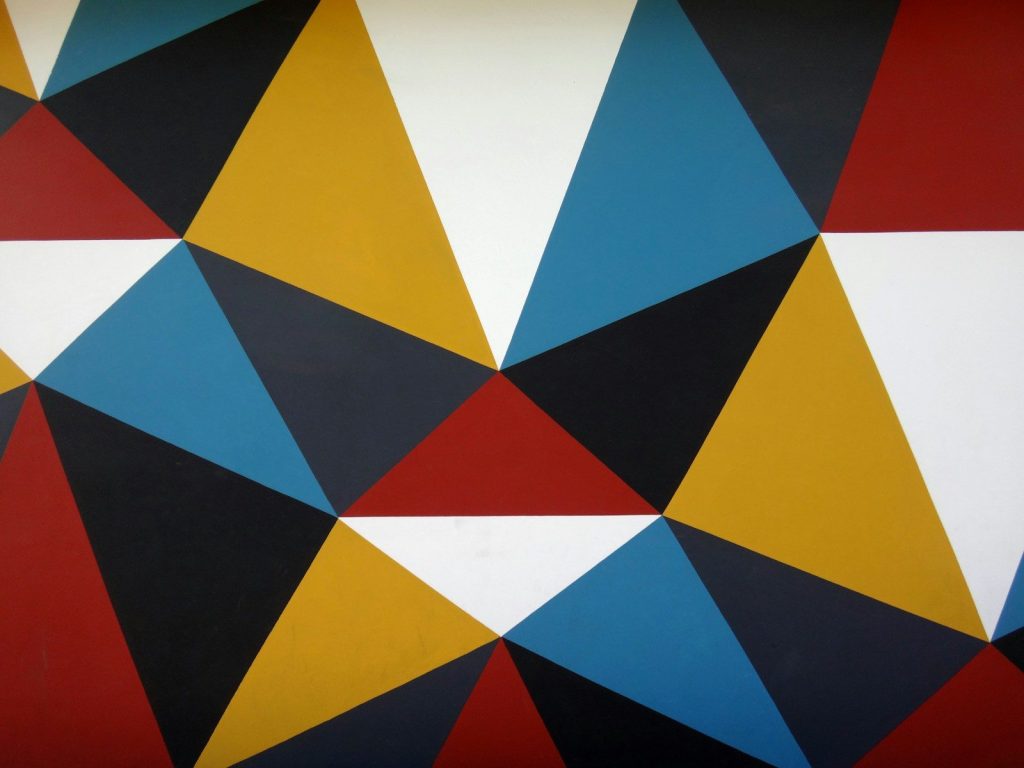
Painter’s tape and a few sample-size paint pots can produce geometric wall treatments that look intentional and considered. Triangles, arches, color-blocked panels, and simple stripes all fall within reach for someone comfortable holding a brush. Sample sizes from most paint brands run around $4 to $6 each and cover more wall than most people expect.
This approach works especially well in rentals where large-scale changes aren’t possible, since the tape protects the original surface and the whole thing can be painted over when moving out.
6. Mirrors Under $40
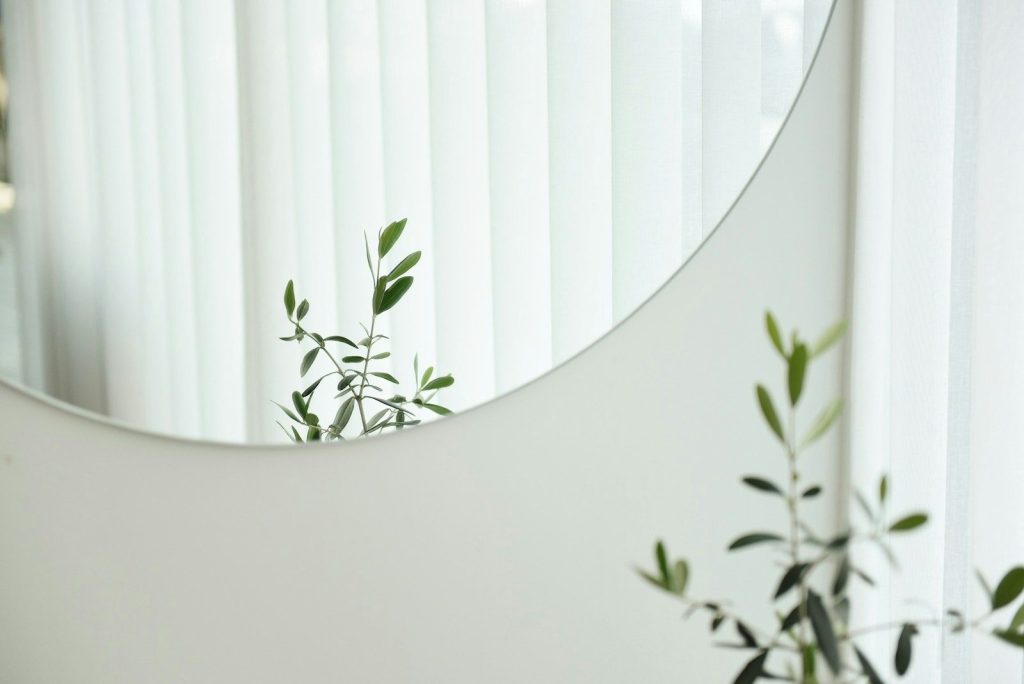
Mirrors do double duty. They bounce light and make rooms feel larger while functioning as actual decor. Round mirrors in particular have been everywhere for several years now because they break up the angular geometry most rooms already have in abundance.
At stores like IKEA, HomeGoods, and Amazon, it’s genuinely possible to find something well-made under $40. Grouped in threes at varying heights, even inexpensive mirrors read as a deliberate design choice.
7. Pressed Botanicals and Nature Finds
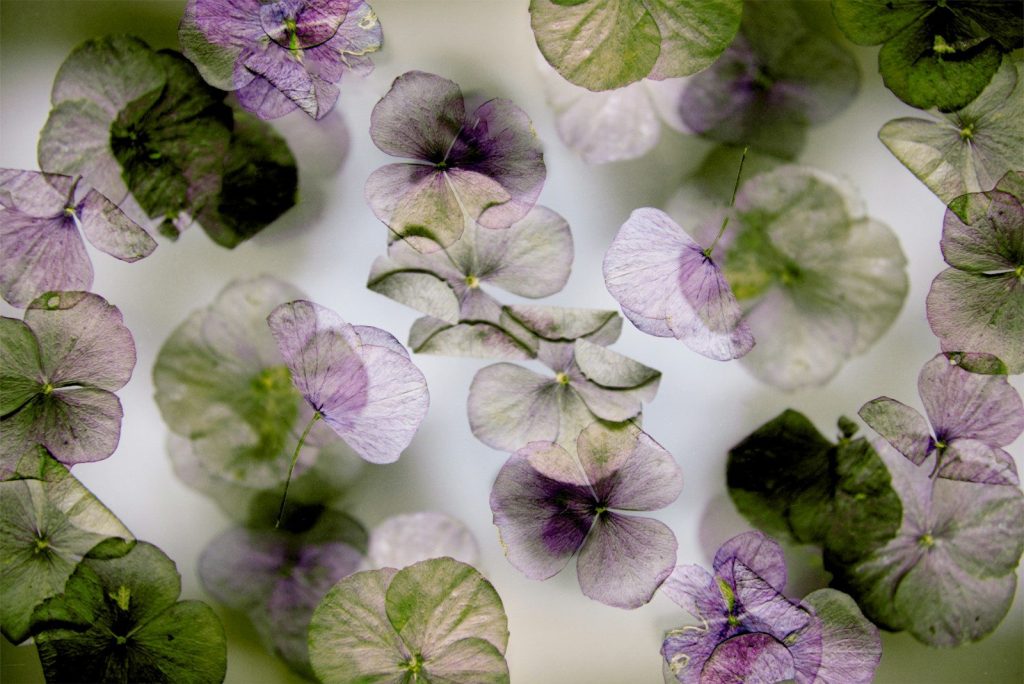
Pressing flowers and leaves requires nothing more than heavy books and a few weeks of patience. The results, framed simply, hold up surprisingly well as wall art. Ferns, eucalyptus, wildflowers, and even ordinary backyard weeds can produce striking compositions depending on how they’re arranged.
Glass clip frames from the dollar section of most craft stores let the material speak without adding visual noise. For people who spend time outdoors, this ends up being one of the most personal and cost-free options available.
8. Postcards and Small Paper Ephemera
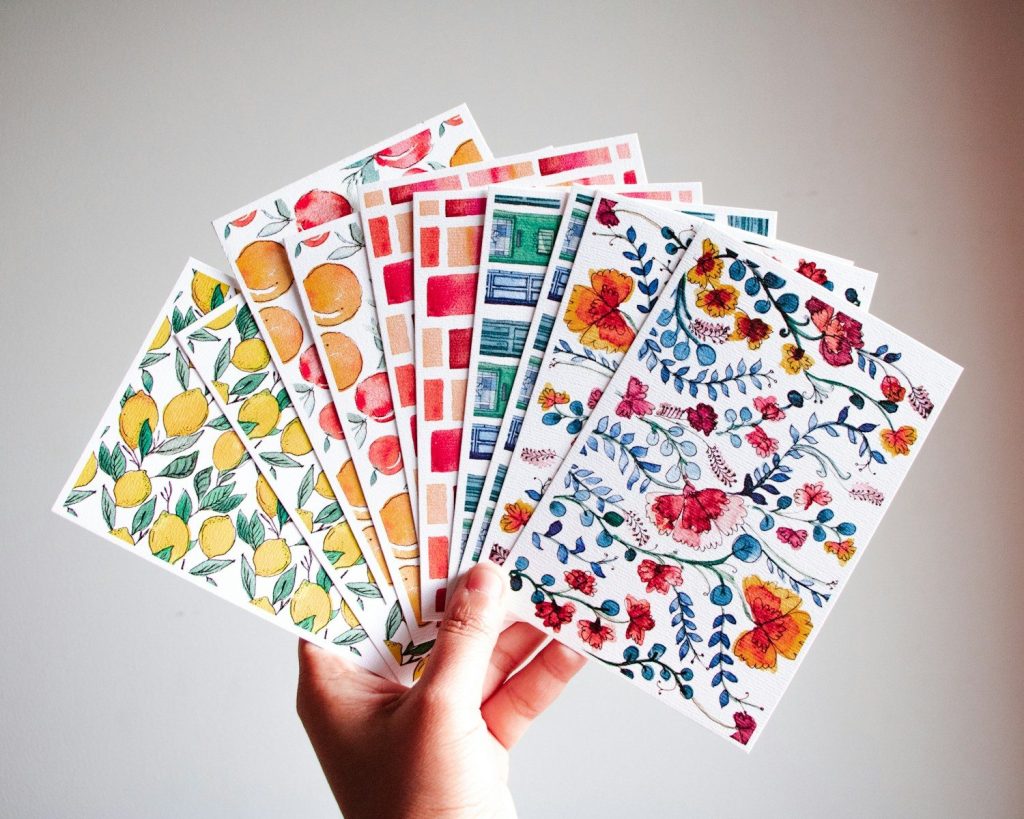
Collections of postcards, stamps, ticket stubs, and old maps arranged in a grid or loose cluster create a kind of personal archive on a wall. The grid approach is the cleaner option, using uniform frames or a single multi-opening mat, but the loose cluster tends to feel more lived-in.
Either way, the cost is near zero if the materials are already on hand. For people who travel, this doubles as a functional way to display things that would otherwise sit in a box.
The Approach Matters More Than the Budget
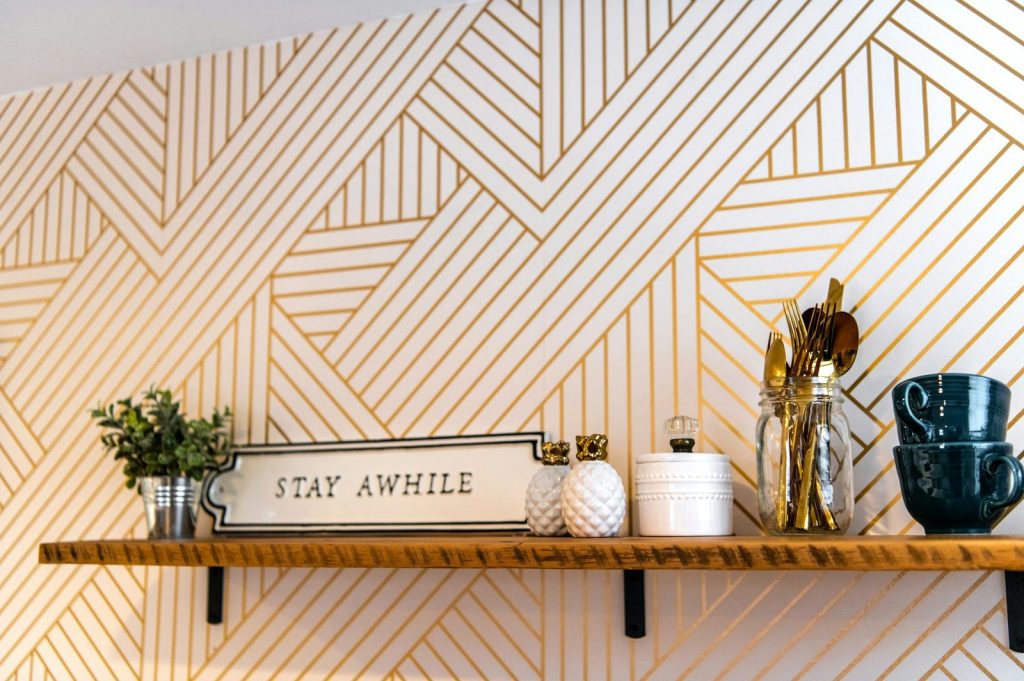
Consistency does more for a wall arrangement than expensive individual pieces. Repeating one color, one material, or one frame style across different objects creates cohesion that reads as intentional.
Some of the most effective home interiors photographed on platforms like Pinterest and Instagram in recent years have used almost entirely thrifted and handmade elements. The spending ceiling for wall decor is much lower than most home decorating content suggests, and the gap between cheap and thoughtful is almost entirely a matter of editing.