

Medical appointments often end when you leave the office, but your role as a patient does not. The details that follow can affect your health records, insurance coverage, and even your household budget if they go unchecked.
Recent cases involving health care fraud serve as a reminder that paying attention to everyday medical paperwork is not just for experts. A few simple habits can help protect your money and give you greater confidence in every medical decision.
Review Every Insurance Statement
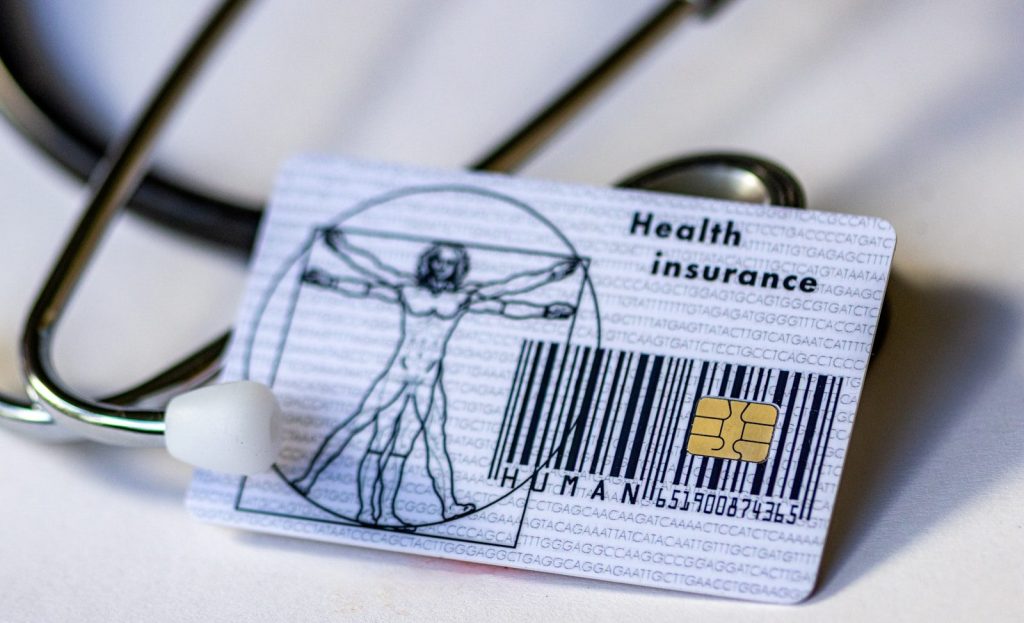
Many people toss insurance statements aside without reading them. Even if you do not owe money, these documents show what services were billed in your name and deserve a quick look.
Taking a few minutes to compare each statement with your actual appointments helps catch mistakes early. It is one of the easiest ways to avoid paying for services you never received.
Keep Your Medical Records Organized

Old appointment summaries, prescriptions, referrals, and test results can become valuable if questions arise later. Keeping everything together saves time and reduces confusion.
A simple folder or digital file makes it much easier to verify information. Staying organized also prevents duplicate testing that can increase medical costs.
Ask Why Every Service Is Needed

It is perfectly reasonable to ask your provider why a test, treatment, or piece of equipment has been recommended. Understanding the purpose helps you become an informed partner in your care.
These conversations often reveal alternative options or explain why a certain service is the best choice. Better understanding leads to smarter decisions and fewer surprises.
Learn the Basics of Your Health Plan

Many people only look at their insurance details after receiving a bill. Knowing your deductible, covered services, and network rules beforehand makes unexpected charges less likely.
Even a short review of your plan each year can improve your confidence. Understanding your benefits may also help you choose lower-cost options when they are available.
Watch for Simple Billing Errors

Not every billing problem is intentional. Coding mistakes, duplicate entries, or administrative errors can happen in busy medical offices.
Checking each bill before paying gives you the chance to ask questions while the visit is still fresh in your memory. Correcting an error early can save both money and frustration.
Protect Your Personal Information

Treat your insurance card with the same care as a credit card. Share your medical information only with trusted providers and avoid leaving documents where others can access them.
Strong privacy habits reduce the risk of identity misuse. Protecting your information today can prevent difficult problems later.
Speak Up When Something Looks Wrong

If a charge, service, or record does not seem accurate, contact your provider or insurance company as soon as possible. Most concerns can be reviewed and explained with the right documentation.
Keeping notes from phone calls and saving copies of correspondence also creates a useful record if additional follow-up becomes necessary.
Small Habits Can Lead to Bigger Savings

Protecting your health also means protecting your finances. Staying aware of your medical records, asking thoughtful questions, and reviewing paperwork are practical habits that require very little time.
These simple routines help reduce waste, prevent unnecessary expenses, and make every health care dollar work harder. That is a smart approach that benefits both your wallet and your peace of mind.