

Most people leave the grocery store spending more than they planned. Not by a little, either. A 2025 survey by Lending Tree found that the average American household overspends on groceries by roughly $315 per month compared to what they budgeted. That’s nearly $3,800 a year walking out the door in reusable bags.
The frustrating part is that the habits responsible for most of that waste are completely invisible to the people doing them. Nobody feels like they’re being careless. The store is just designed that way.
1. Shopping Without a List (or Ignoring the One You Made)

A list sounds obvious, but the real problem is the people who make one and then treat it as optional once they’re inside. Supermarkets are deliberately laid out to maximize unplanned purchases. Staples like milk and eggs are pushed to the back. Seasonal displays and endcaps are stocked with items that feel urgent but weren’t on anyone’s radar an hour ago.
Shoppers who go in without a concrete plan spend, on average, 40% more per trip than those who stick to a written list. Even jotting down seven or eight items on a phone before walking in makes a measurable difference.
2. Buying Pre-Cut and Pre-Packaged Everything
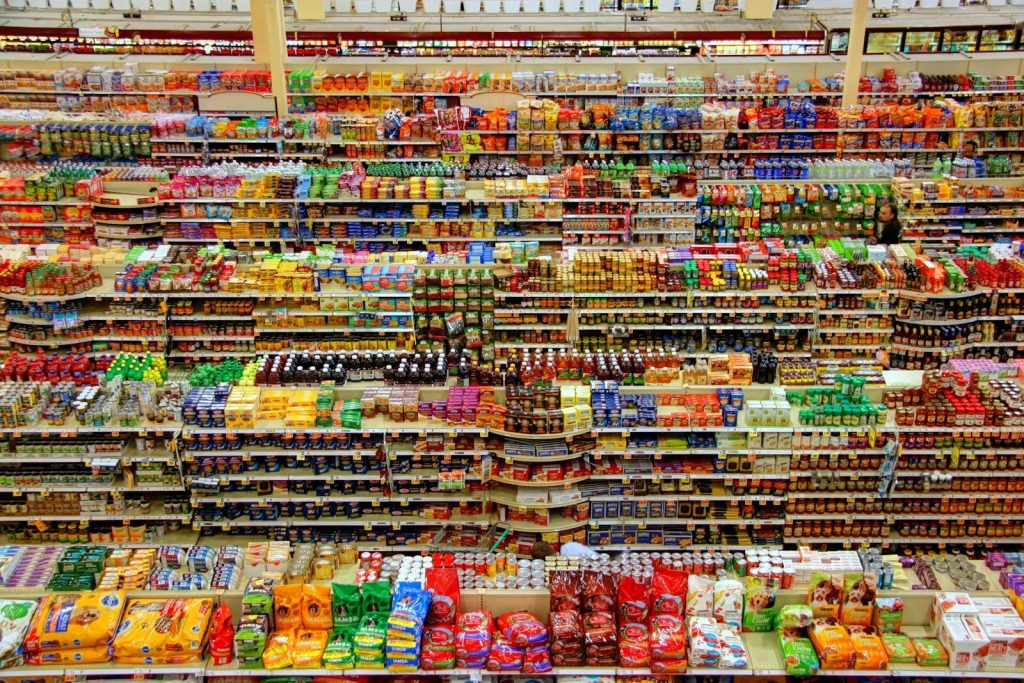
A bag of pre-washed, pre-cut butternut squash cubes can cost three times as much as a whole squash sitting three feet away. The same math applies to shredded cheese versus a block, sliced mushrooms versus whole ones, and individual fruit cups versus a piece of fruit.
Convenience packaging is priced to reflect the labor saved, and that markup is steep. For families buying several of these items weekly, the annual difference can easily clear $600 or more.
3. Falling for the “Buy More, Save More” Trap
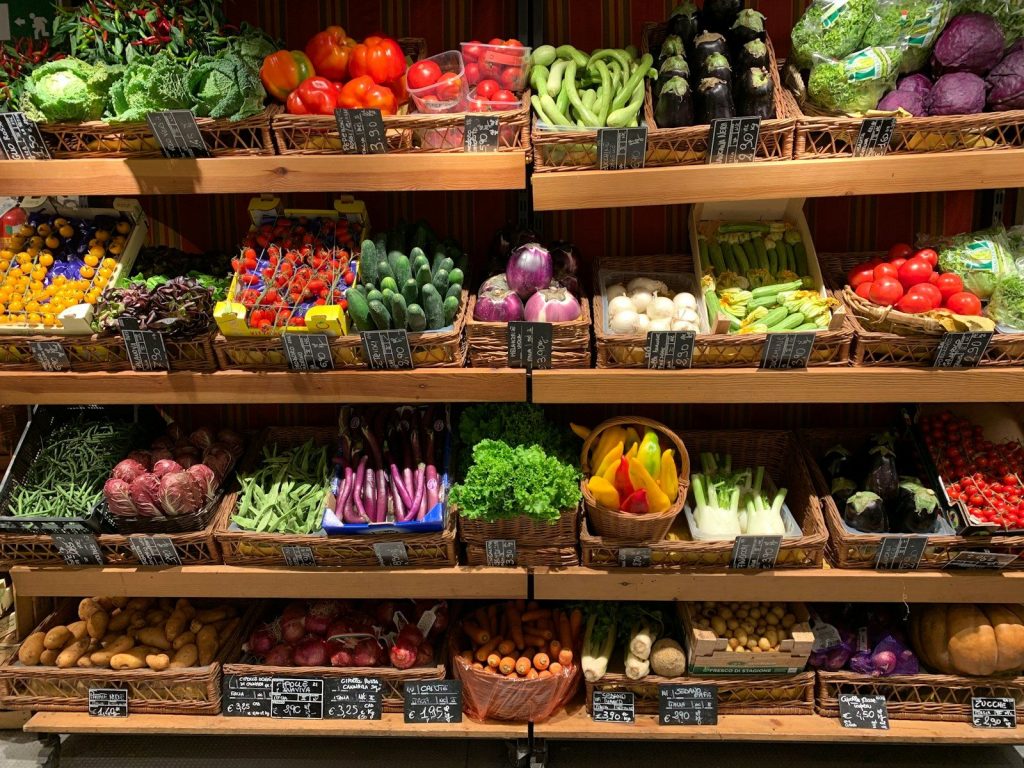
Bulk deals look like smart math until half the product goes bad before it gets used. Buying three pounds of strawberries because the unit price drops makes sense only if all three pounds actually get eaten. For perishables, a lower unit cost means nothing if a third of the purchase ends up in the trash.
This habit is especially costly with prepared foods, deli items, and bakery products that have short shelf lives. Stores know the appeal of the deal often outweighs the logic behind it.
4. Shopping While Hungry
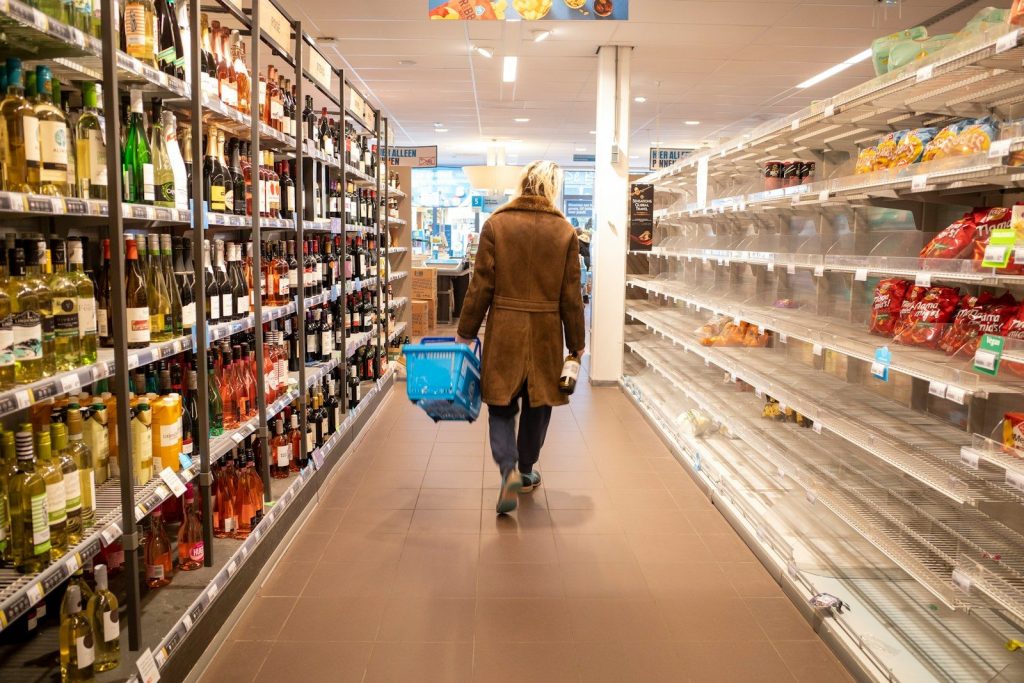
Research published in JAMA Internal Medicine found that hungry shoppers buy significantly more high-calorie, high-cost items than those who shop after eating. The effect is consistent and hard to override through willpower alone.
A light snack before heading to the store costs almost nothing and consistently leads to a smaller, more intentional cart. It sounds too simple to matter, but the data says otherwise.
5. Ignoring Store Brands Out of Habit

Brand loyalty at the grocery store is often just inertia. For most pantry staples, including canned tomatoes, pasta, rice, frozen vegetables, and cleaning supplies, store-brand products are made in the same facilities as name brands and meet identical quality standards. The Federal Trade Commission has documented this practice extensively.
Switching to store brands across even half a cart can reduce a grocery bill by 20 to 30 percent with no meaningful difference in what ends up on the table.
6. Skipping the Weekly Circular
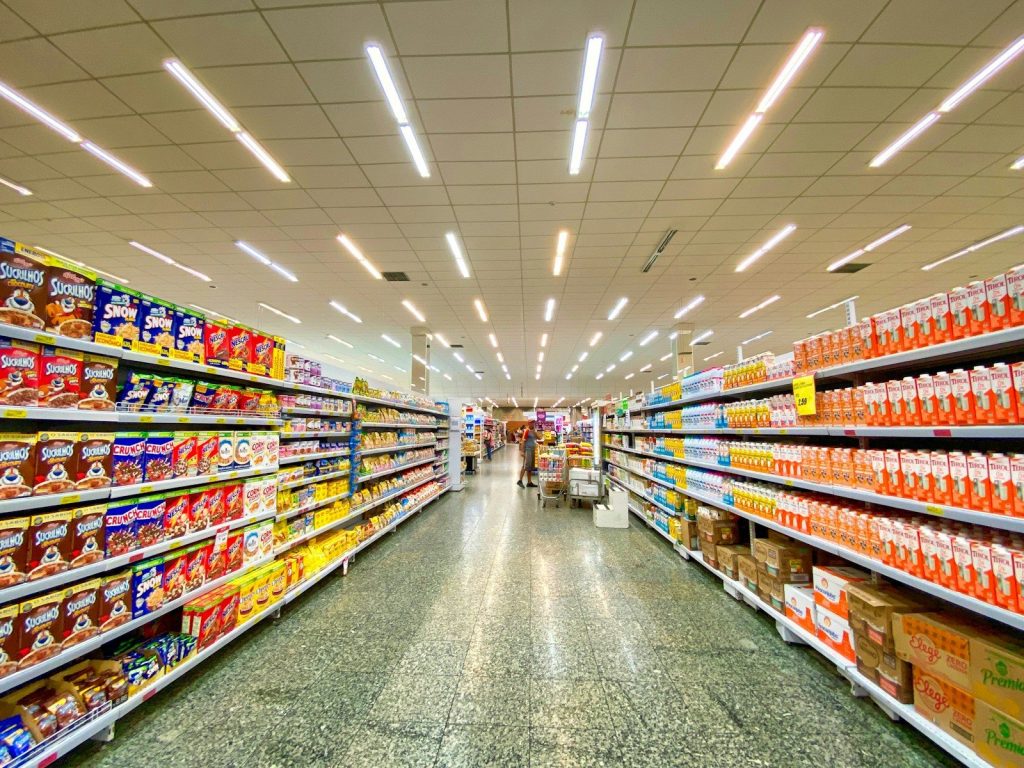
Grocery store sales cycles run on a roughly weekly rotation, and most stores discount proteins, produce, and dairy on a predictable schedule. Planning meals around what’s already on sale, rather than deciding what to cook and then buying ingredients at full price, is one of the more reliable ways to consistently spend less.
Apps like Flipp aggregate weekly ads from multiple stores and make comparison shopping take about three minutes instead of thirty.
7. Paying Full Price for Meat
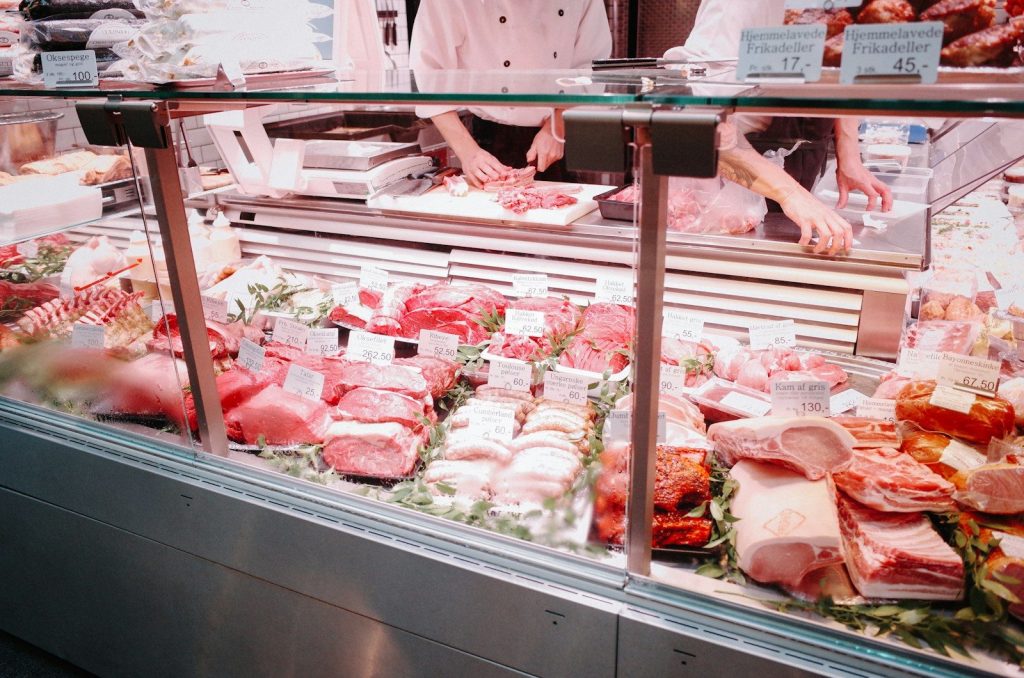
Meat is one of the most aggressively marked-down categories in any grocery store. Products approaching their sell-by date get stickered and moved to a clearance section, often at 30 to 50 percent off. That meat is perfectly safe to cook that day or freeze immediately.
Checking the markdown section before picking up full-price cuts has become a genuine strategy among budget-conscious shoppers, not a last resort.
8. Checkout Lane Add-Ons
The checkout area is prime real estate for small, high-margin impulse purchases. Candy, batteries, magazines, lip balm, gum, and single-serve beverages are placed there because they require almost no deliberation to toss in. Individually, none of these feel significant. Across a year of weekly shopping, they add up to real money.
A checkout policy worth keeping: if it wasn’t on the list before walking in, it waits until next time.
9. Not Tracking What Actually Gets Wasted
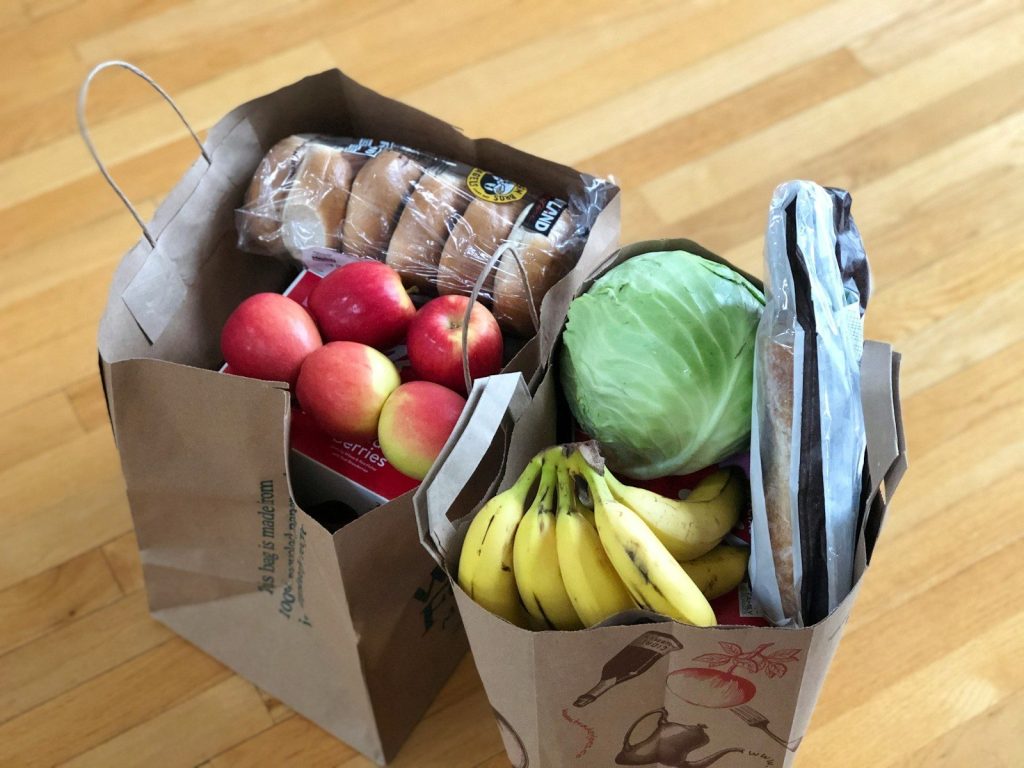
The USDA estimates that American households throw away between 30 and 40 percent of the food they purchase. That percentage has barely moved in a decade despite increased public awareness. The issue for most households is scale blindness — produce gets buried in the crisper, leftovers get forgotten, and pantry items expire quietly on back shelves.
Spending five minutes before each shopping trip to check what’s already in the fridge, what’s close to expiring, and what genuinely needs to be replaced cuts both waste and spending at the same time. It’s not a glamorous habit. It just works.