

Most people focus on making more money. Fewer focus on the part that actually builds financial stability: spending less than what comes in. The math is simple, but the habit is harder than it sounds.
Paychecks get absorbed by subscriptions, convenience spending, and purchases that felt reasonable at the time. The goal here isn’t deprivation. It’s building a reliable gap between income and outgo, and keeping it there.
1. Know Your Real Monthly Number

Before anything else, find out what actually gets spent each month. Not an estimate. The real number, pulled from bank statements and credit card history.
Most people are surprised. The $14 streaming service, the $9 app subscription, the three takeout orders that didn’t seem like a big deal, they add up fast. Clarity is the starting point. Nothing changes without it.
2. Give Every Dollar a Job Before It Arrives

Zero-based budgeting assigns a purpose to every dollar of income before the month begins. Housing, groceries, transportation, savings, entertainment, each category gets a specific allocation.
What remains unassigned tends to disappear on nothing in particular. Apps like YNAB (You Need A Budget) make this easier to maintain, though a spreadsheet works just as well for people who prefer something simpler.
3. Automate Savings Before Spending Starts

One of the most reliable ways to save is to remove the decision entirely. Setting up an automatic transfer to a savings account on payday means the money moves before there’s any temptation to spend it. Even $50 or $100 per paycheck, moved consistently, adds up.
The accounts that grow steadily are usually the ones where the owner never sees the money sitting in checking long enough to spend it.
4. Cut Subscriptions Ruthlessly
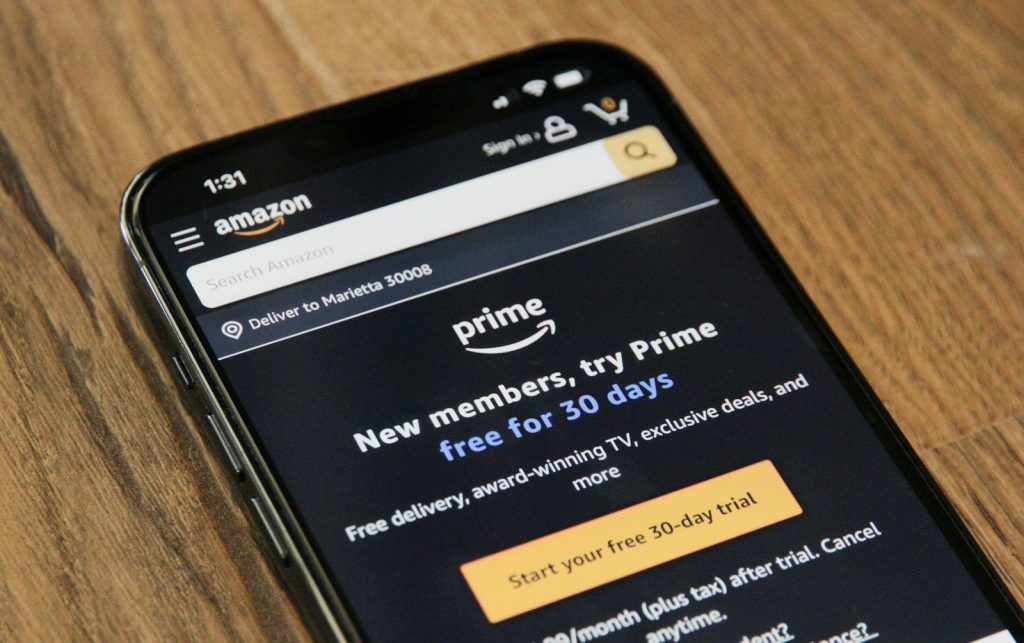
The average American household carries more recurring subscriptions than it realizes. A 2024 study from C+R Research found that consumers underestimate their monthly subscription spending by roughly $133.
Streaming platforms, fitness apps, cloud storage tiers, meal kit services, some of these get used, many don’t. Going through every bank statement line by line and canceling anything unused is one of the fastest ways to widen the income-to-spending gap without changing daily habits much.
5. Shop With a List and a Limit

Grocery stores are designed to encourage unplanned spending. So are retail websites with recommendation engines. Shopping with a written list and a firm spending limit before entering a store or opening a browser reduces impulse purchases more effectively than willpower alone.
Research from the Journal of Marketing Research has consistently shown that structured shopping lists reduce both spending and post-purchase regret.
6. Use the 48-Hour Rule on Non-Essential Purchases

For any non-essential purchase above a personal threshold, say, $30 or $50, waiting 48 hours before buying filters out most impulse decisions. The item often loses its urgency. Sometimes it gets forgotten entirely.
This isn’t about never spending money on things that aren’t necessities. It’s about making sure that when money goes out the door, the purchase was actually wanted rather than just convenient in the moment.
7. Understand the Difference Between Price and Cost

A cheap item replaced three times costs more than a durable one bought once. This shows up in clothing, appliances, tools, and shoes.
Spending less doesn’t always mean buying the least expensive option. Sometimes it means paying more upfront for something that lasts, which lowers the cost per use over time. Frugality and cheapness are different things. The distinction matters.
8. Track Progress Weekly, Not Monthly

Monthly budget reviews are useful, but a lot can go wrong between check-ins. A weekly spending review, even a ten-minute one, keeps the numbers fresh and catches overspending in a category while there’s still time to adjust before the month ends.
Consistency matters more than precision here. A rough weekly look beats a perfect monthly analysis that arrives too late to change anything.
9. Build the Habit, Not Just the Plan

Financial plans that only exist as spreadsheets don’t survive contact with real life. The habits that stick are the ones built into routines: automatic transfers, shopping lists, weekly check-ins, a 48-hour pause on big purchases.
Spending less than what comes in doesn’t require perfection every month. It requires a structure that makes the right choice easier than the wrong one, most of the time.