

Many people assume saving money requires major sacrifices, but small everyday choices often make the biggest difference over time. A few thoughtful adjustments can reduce waste, stretch your budget, and help you get more value from what you already buy.
These practical ideas fit naturally into busy routines without making life feel restrictive. Each one is designed to help you spend smarter while keeping the focus on convenience, efficiency, and lasting habits.
Make Every Shopping Trip Start With a Plan
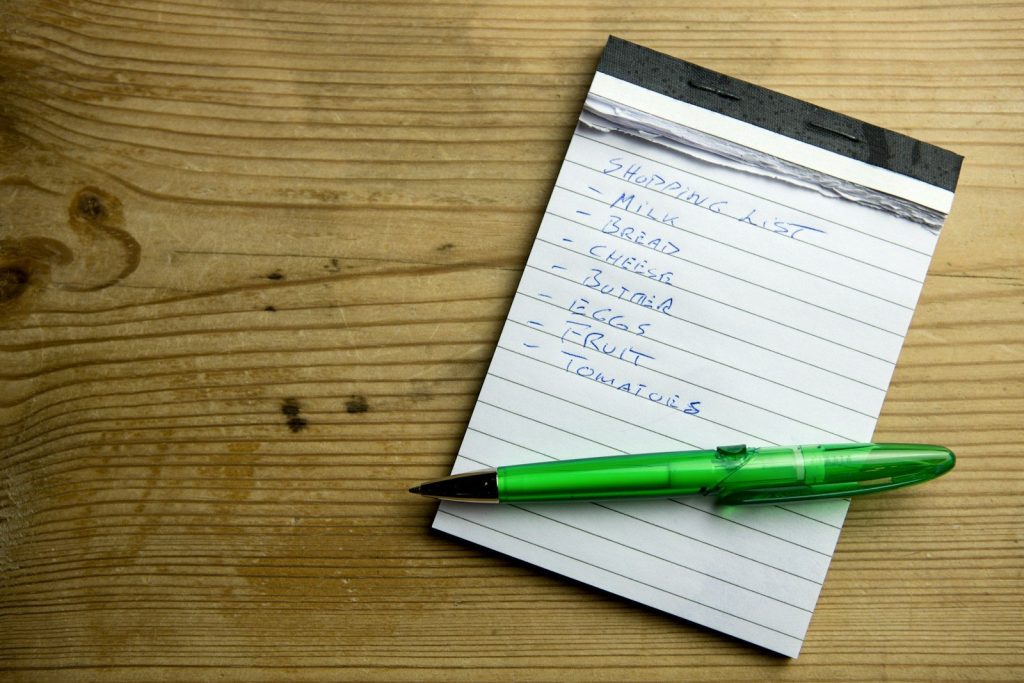
Walking into a store without a clear list often leads to impulse purchases that seem harmless in the moment. A simple shopping plan keeps your attention on what you actually need instead of what catches your eye along the way.
Before leaving home, check your pantry, refrigerator, and cleaning supplies. Knowing what you already have prevents duplicate purchases and helps you use items before they expire, which saves both money and unnecessary waste.
Buy Quality When It Truly Lasts Longer

The cheapest option is not always the least expensive over time. Items that wear out quickly usually need replacing sooner, turning a small purchase into repeated spending throughout the year.
Focus on products you use often, such as cookware, shoes, or basic tools. Paying a little more for dependable quality can reduce replacement costs while making everyday tasks easier and more enjoyable.
Give Household Items More Than One Job
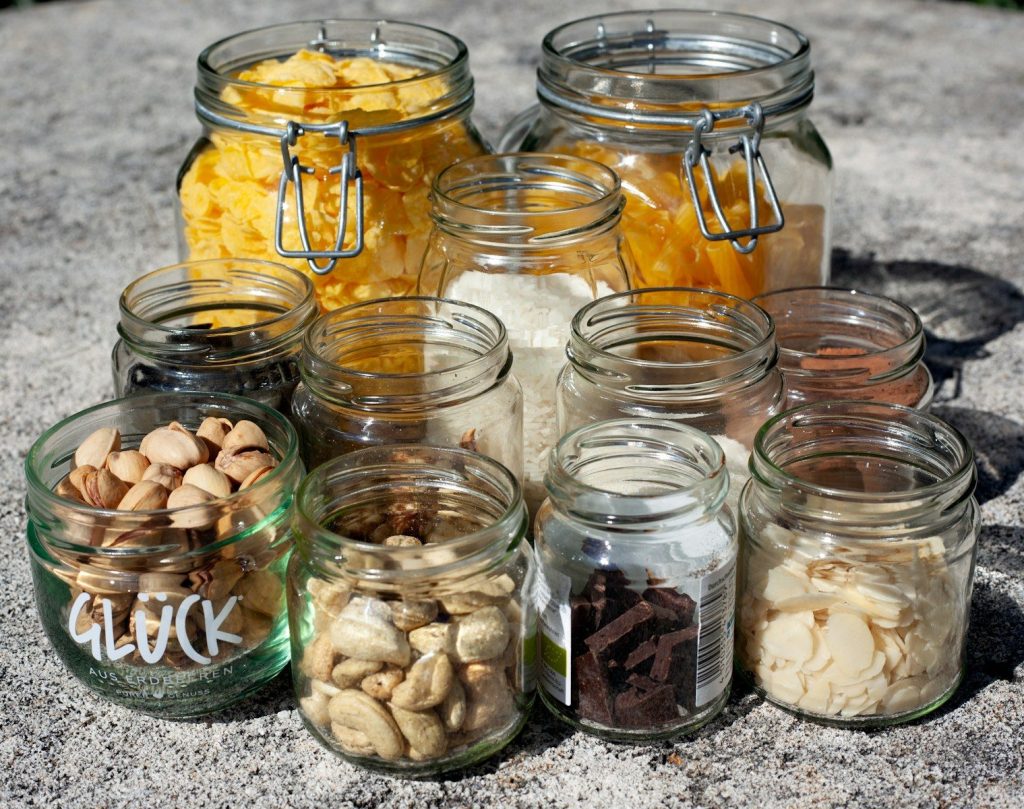
Many common products have uses beyond their original purpose. Glass jars become pantry organizers, old towels work well as reusable cleaning cloths, and sturdy boxes make excellent storage containers.
Looking for second uses before throwing something away encourages creativity while reducing clutter. It is a practical habit that stretches the value of items already sitting around your home.
Slow Down Before Making Bigger Purchases

Excitement often makes expensive purchases feel urgent, even when they are not. Waiting a day or two before buying gives you time to decide whether the item truly fits your needs.
That short pause also creates an opportunity to compare prices, search for coupons, or discover a similar product at a better value. A little patience frequently leads to smarter spending decisions.
Let Seasonal Timing Work in Your Favor

Retail prices often follow predictable patterns. Holiday decorations, outdoor furniture, winter clothing, and school supplies usually become more affordable after peak shopping periods have passed.
Buying for next season instead of the current one requires planning, but it often delivers meaningful savings without sacrificing quality. Keeping a running wish list makes these opportunities easier to recognize.
Reduce Utility Costs Through Daily Habits
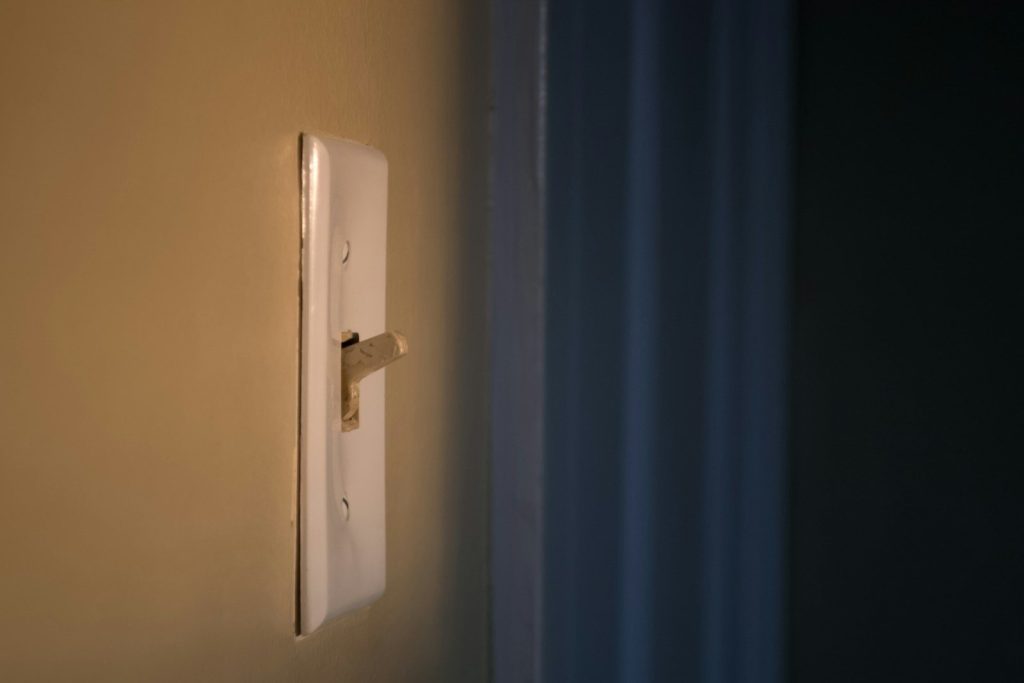
Saving money at home is not always about buying new equipment. Small routine changes can lower monthly bills with very little effort once they become automatic.
Turning off unused lights, washing full loads of laundry, adjusting the thermostat slightly, and unplugging devices that rarely get used are simple habits that add up over time while reducing unnecessary energy use.
Treat Maintenance as a Money Saving Tool

Ignoring small repairs often leads to larger and more expensive problems later. A dripping faucet, loose cabinet hinge, or dirty air filter may seem minor until they begin affecting other parts of the home.
Setting aside a few minutes each month for basic maintenance protects the things you already own. Preventive care extends the life of appliances, furniture, and household systems while helping avoid surprise expenses.
Build Habits That Make Saving Feel Effortless

Long term savings usually come from consistency rather than dramatic changes. Choosing practical routines that fit naturally into your lifestyle makes it easier to stick with them through every season.
When you regularly plan purchases, reuse what you can, care for your belongings, and avoid rushed decisions, spending becomes more intentional. Those quiet improvements may not feel dramatic each day, but together they create lasting value for both your budget and your home.
Featured Image: Photo by Allef Vinicius on Unsplash