

Saving money rarely comes from one dramatic change. More often, it grows from small choices that become second nature and quietly improve your budget over time.
These practical habits focus on spending with purpose instead of simply spending less. They help reduce waste, stretch everyday purchases, and make your home and routines work a little harder for you. The ideas are inspired by common themes shared by experienced frugal households and practical living communities.
Ask One Simple Question Before Every Purchase

Many impulse purchases happen because we react before we think. A brief pause can be enough to decide whether something will genuinely improve your daily life or simply create more clutter.
Try asking yourself whether you would still want the item after waiting a full day. That small delay often separates a lasting need from a temporary desire and helps your money stay available for things that matter more.
Use What You Already Own First

Homes often contain forgotten supplies hiding in drawers, closets, and storage bins. Shopping your own home before visiting a store can prevent buying duplicates you never needed.
Finish half used cleaning products, pantry ingredients, notebooks, or personal care items before replacing them. This habit saves money while reducing waste and keeping your living space more organized.
Make Leftovers Part of the Weekly Plan
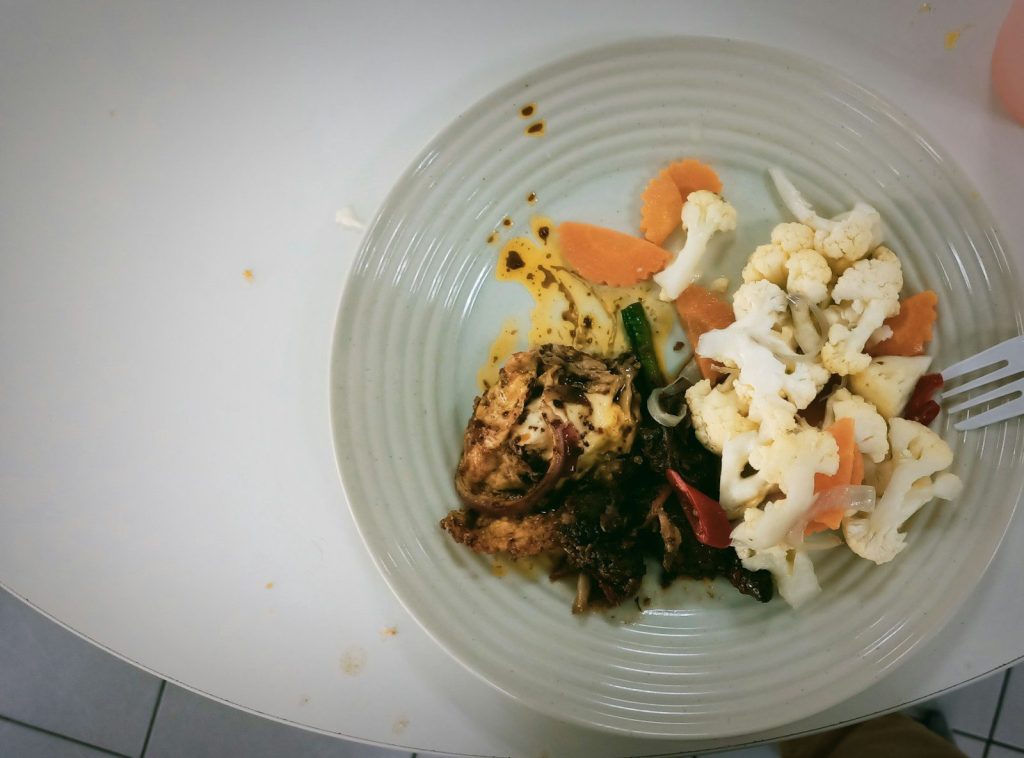
Leftovers become more useful when they are planned instead of treated like an afterthought. A cooked chicken, pot of soup, or batch of rice can become several different meals with only a few additions.
Keeping one evening each week for leftover meals helps reduce food waste and lowers grocery costs without making anyone feel like they are eating the exact same dinner every night.
Buy Better Instead of Buying More

The lowest price is not always the best value. Items that last longer often cost less over time because they need fewer replacements.
Focus on products you use regularly, such as kitchen tools, everyday shoes, or reusable food containers. Paying for dependable quality where it counts can reduce repeated spending throughout the year. Experienced frugal shoppers often point to durable purchases as worthwhile investments.
Learn One Useful Household Skill

Simple household skills can eliminate many small service costs. Sewing on a button, tightening a loose cabinet handle, or patching a tiny wall mark takes only a little practice.
You do not need to become a professional repair expert. Learning one practical skill every few months builds confidence while helping your home stay in good shape for less.
Treat Convenience as an Occasional Luxury
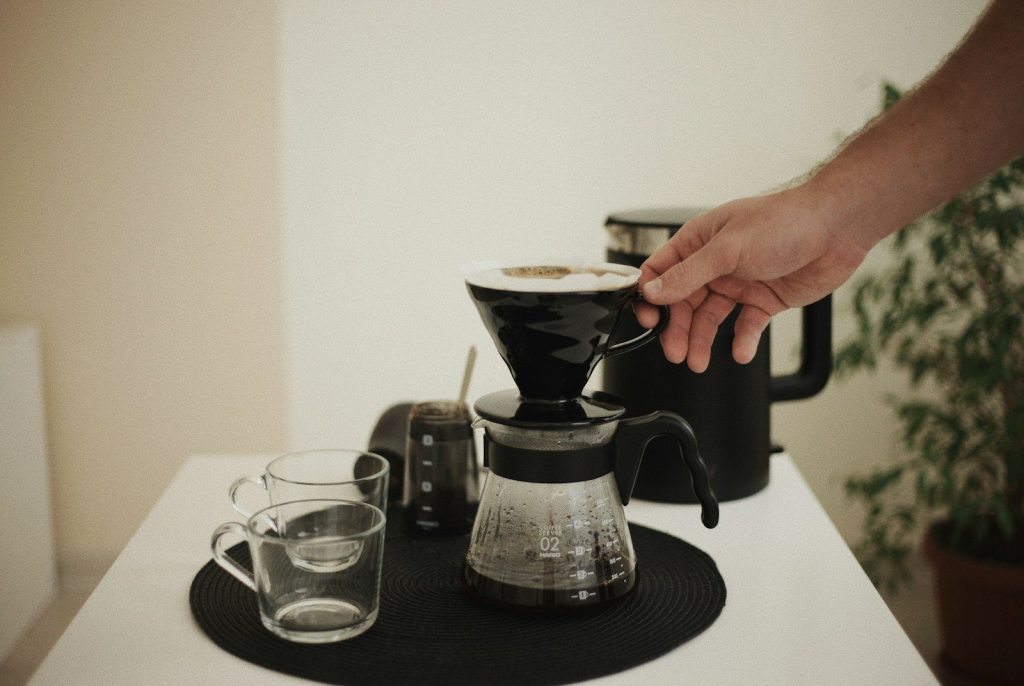
Convenience services have their place, but using them every day can quietly increase monthly spending. Small fees often become large totals when repeated frequently.
Preparing coffee at home during the week or planning errands into one trip keeps convenience available for busy days when it truly provides value instead of becoming an automatic habit.
Review Your Recurring Expenses Regularly

Subscriptions and automatic payments are easy to forget because they happen in the background. A quick review every few months can reveal services you no longer use.
Canceling even one unnecessary recurring payment creates savings that continue month after month without requiring any additional effort once the decision is made. Financial experts consistently identify recurring expense reviews as one of the highest impact habits.
Focus on Habits Instead of Perfection
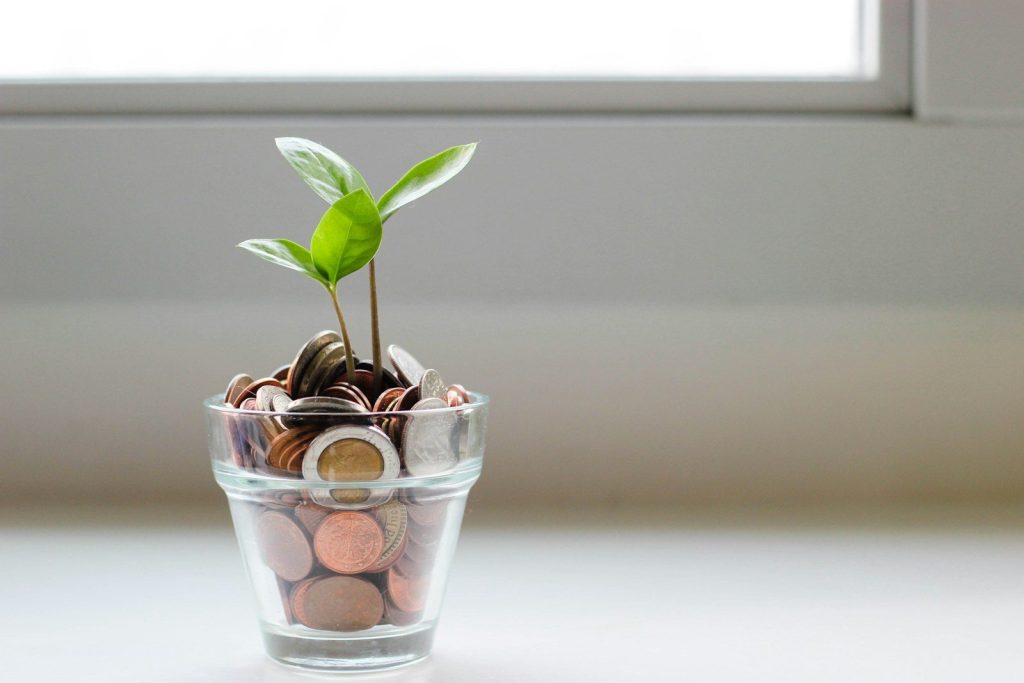
Trying to become perfectly frugal overnight usually leads to frustration. Long term success comes from realistic routines that fit naturally into everyday life.
Choosing a handful of sustainable habits creates steady progress without making life feel restrictive. Over time, these small decisions can reduce waste, improve efficiency, and leave more room in the budget for the experiences and priorities that matter most.
Featured Image: Photo by Towfiqu barbhuiya on Unsplash