
Holding on to meaningful belongings is completely natural, but too many treasured items can quietly take over closets, shelves, and storage boxes. The challenge is finding a balance between honoring memories and creating a home that feels calm and organized.
The good news is that decluttering sentimental items does not mean throwing away your past. A few thoughtful strategies can help you preserve what matters most, reduce household clutter, and make better use of the space and items you already have.
Separate the Memory From the Object
Many keepsakes feel impossible to part with because they remind you of a special person or moment. Before deciding what to keep, ask yourself whether the memory lives in the item or in your heart. Often, the experience remains even if the object is gone.
This simple shift makes decisions easier and keeps you from storing boxes that rarely get opened. Saving space also means avoiding the need for extra storage furniture or rental units that add unnecessary costs.
Choose One Representative Item
Instead of keeping every souvenir, letter, or childhood toy, select the one piece that best tells the story. A single meaningful object often carries the same emotional value as an entire collection.
Displaying one favorite keepsake allows you to enjoy it every day instead of hiding dozens of similar items in storage. Your home stays organized while your memories remain close.
Turn Keepsakes Into Everyday Decor
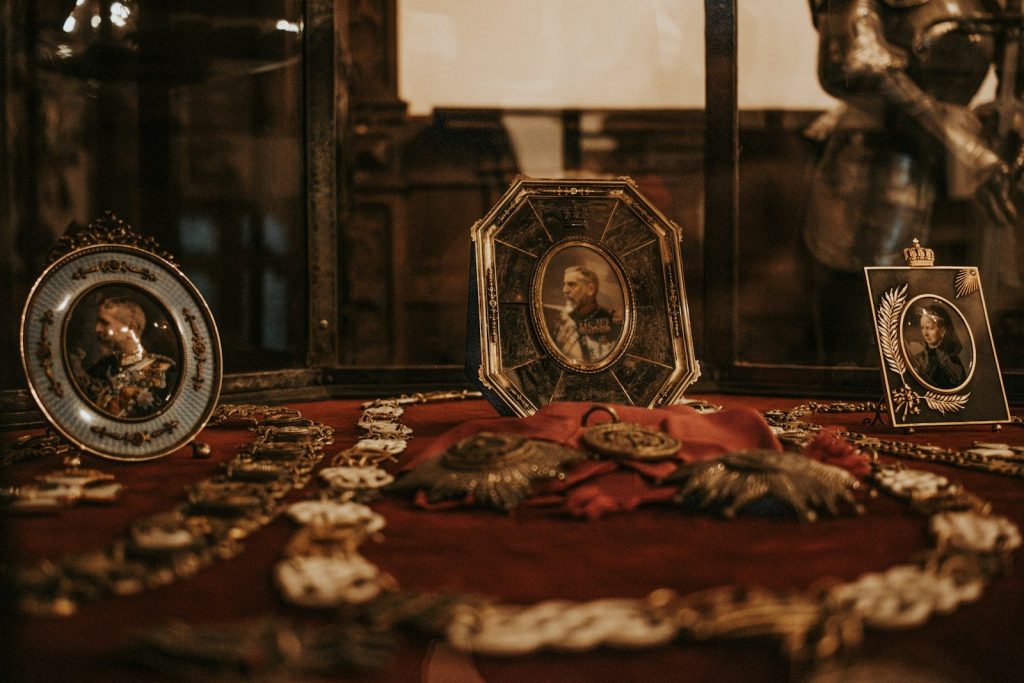
Special belongings should not always stay tucked away in boxes. Frame old photographs, display family heirlooms on a shelf, or use meaningful dishes during family meals instead of saving them for rare occasions.
Giving cherished items a purpose reduces clutter while helping you appreciate them more often. It also makes better use of things you already own instead of buying new decorative pieces.
Take Photos Before Letting Items Go
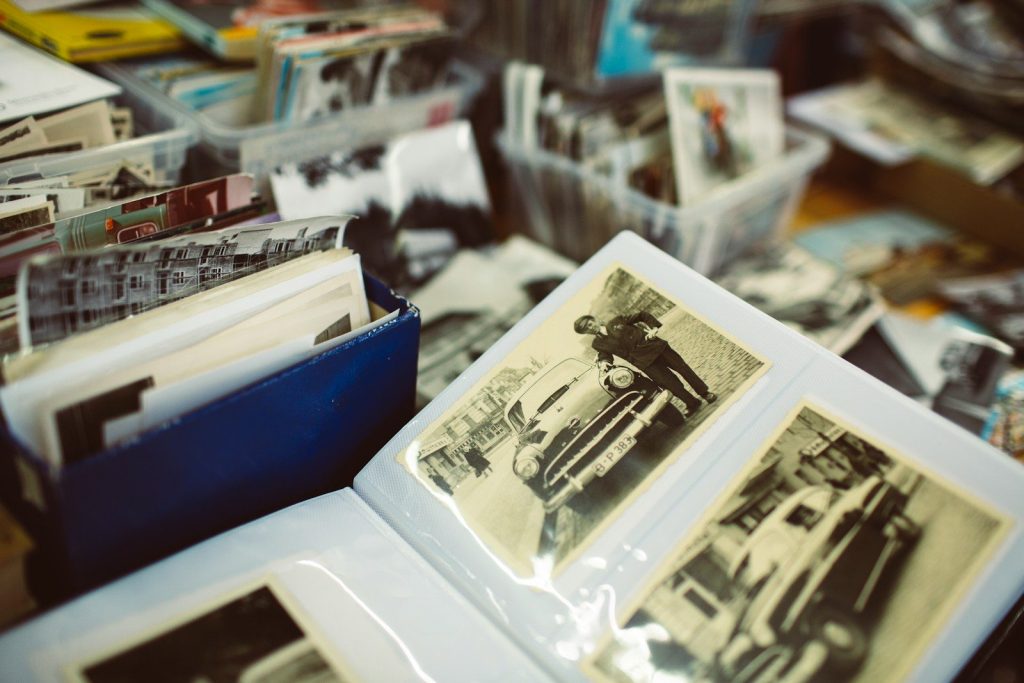
Some objects are difficult to keep simply because they take up too much room. Taking clear photographs preserves the memory while freeing valuable storage space for items you actively use.
A digital collection is easy to organize and share with family members. This approach keeps sentimental value alive without filling closets with boxes that rarely leave the shelf.
Set Practical Limits for Keepsakes
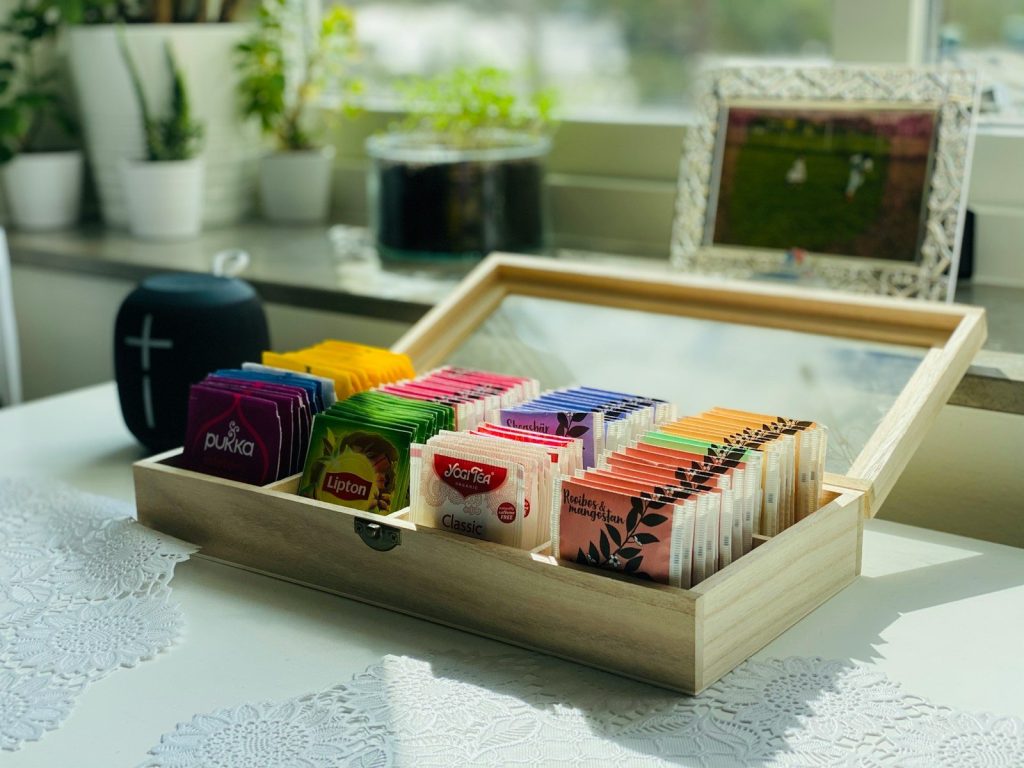
Even meaningful collections benefit from boundaries. Dedicate one memory box, one shelf, or one storage bin for sentimental belongings and commit to keeping everything within that space.
A clear limit encourages thoughtful choices instead of emotional impulse decisions. It also prevents clutter from slowly expanding into every room of the house.
Pass Meaningful Items to Someone Who Will Use Them
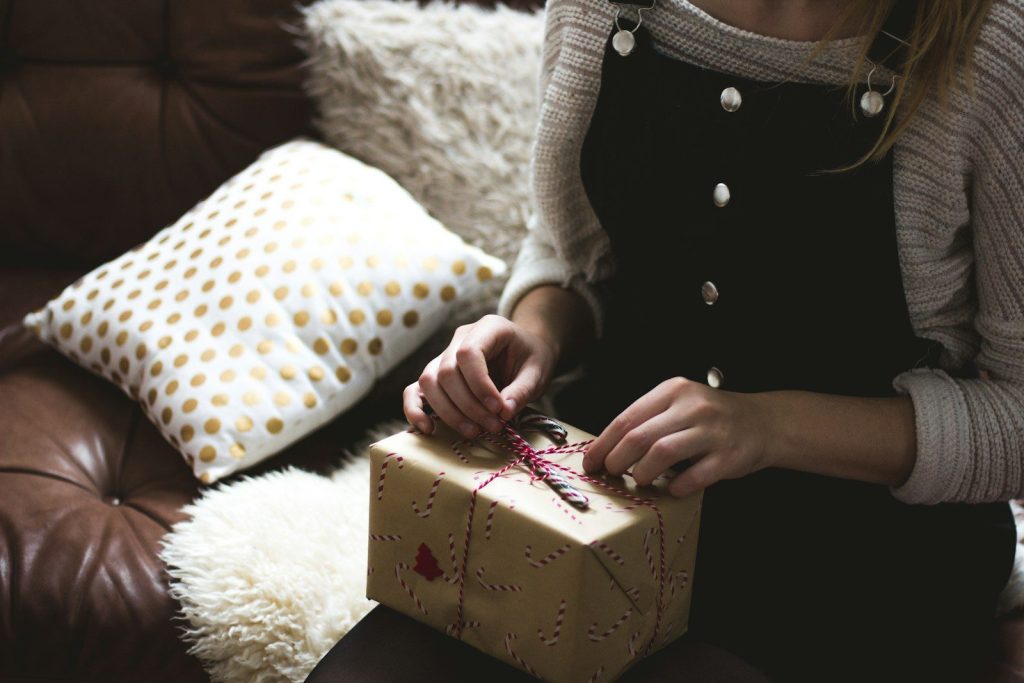
Some possessions become more valuable when they continue their story with another family member or friend. Handmade quilts, recipe books, or tools often bring greater joy when they remain part of everyday life.
Sharing treasured belongings keeps memories alive while reducing unnecessary storage. It is also a practical way to preserve family history without holding onto everything yourself.
Avoid Keeping Things Out of Guilt
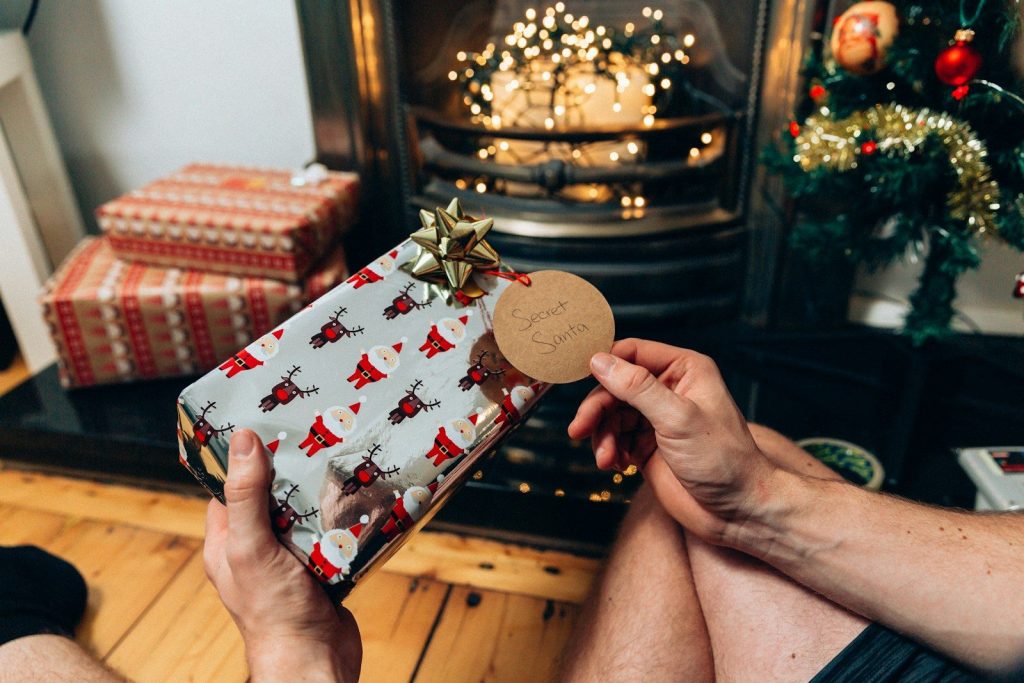
Many people save gifts or inherited items because they feel responsible for keeping them forever. In reality, the kindness behind the gift remains even if the object no longer fits your life.
Letting go respectfully creates room for belongings that truly serve your household today. It also reduces the urge to organize and clean around items that no longer have a purpose.
Create New Memories Instead of Storing Old Ones
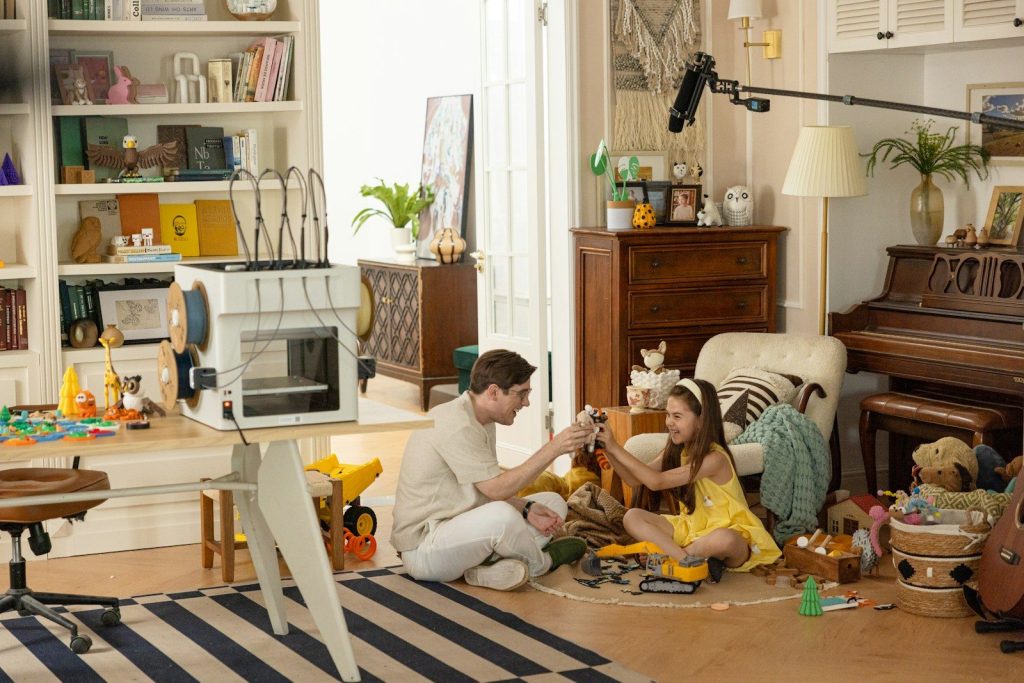
A home filled with usable space often creates more opportunities for family gatherings, hobbies, and everyday moments than one filled with overflowing storage boxes. Living comfortably can become part of your future memories.
Thoughtful decluttering is not about forgetting the past. It is about making room for the life you are living now while protecting the memories that matter most through intentional choices instead of excess possessions.
Featured Image: Photo by Gina Santangelo on Unsplash