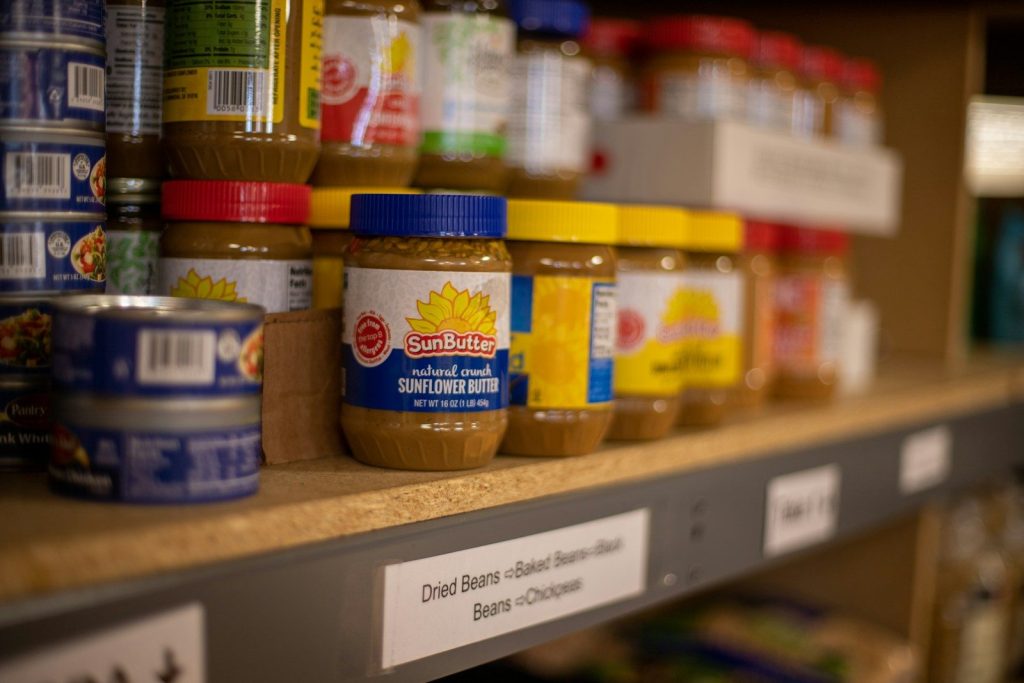

A well-stocked pantry makes everyday cooking easier, but many people assume shelf-stable foods stay at their best for years. In reality, several common ingredients slowly lose flavor, texture, or performance long before they become obviously unusable.
Knowing what to check can help you cook better meals, avoid unnecessary waste, and make smarter grocery purchases. A few simple storage habits can also stretch your food budget by helping you use ingredients while they are still worth enjoying.
Whole Grains Are Not as Timeless as They Look
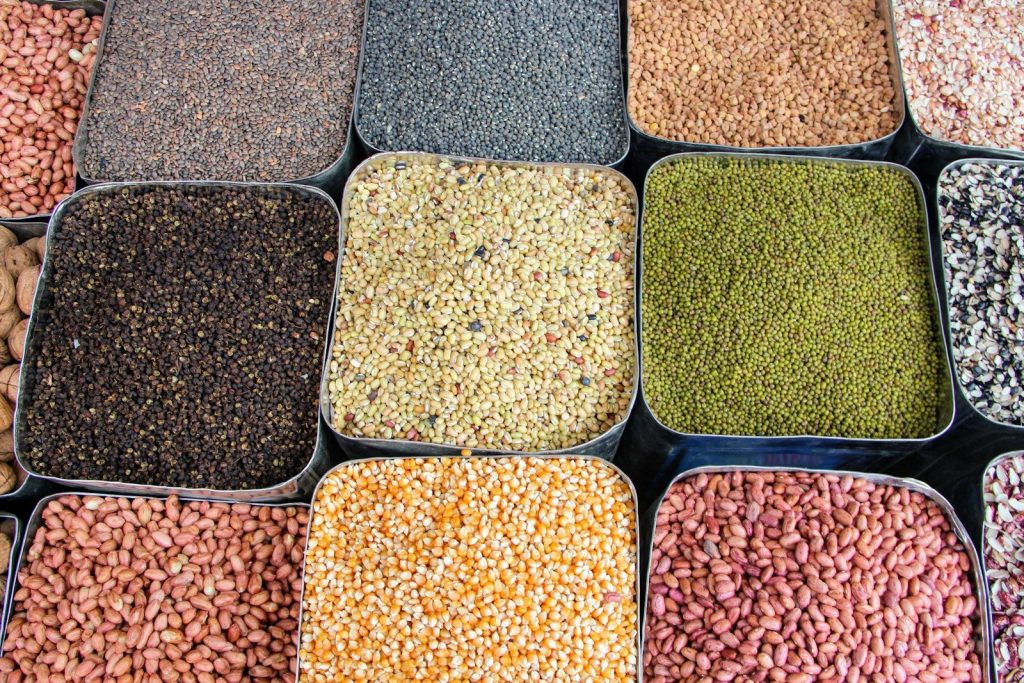
Whole grains such as quinoa, farro, and brown rice contain natural oils that gradually break down with exposure to air, heat, and light. Even if they appear fine, older grains can develop a dull taste that changes the flavor of your favorite meals.
Instead of buying oversized bags, choose amounts you will actually use within a few months. Airtight containers stored in a cool place can help preserve freshness while reducing the chance of throwing away forgotten ingredients.
Olive Oil Deserves More Attention
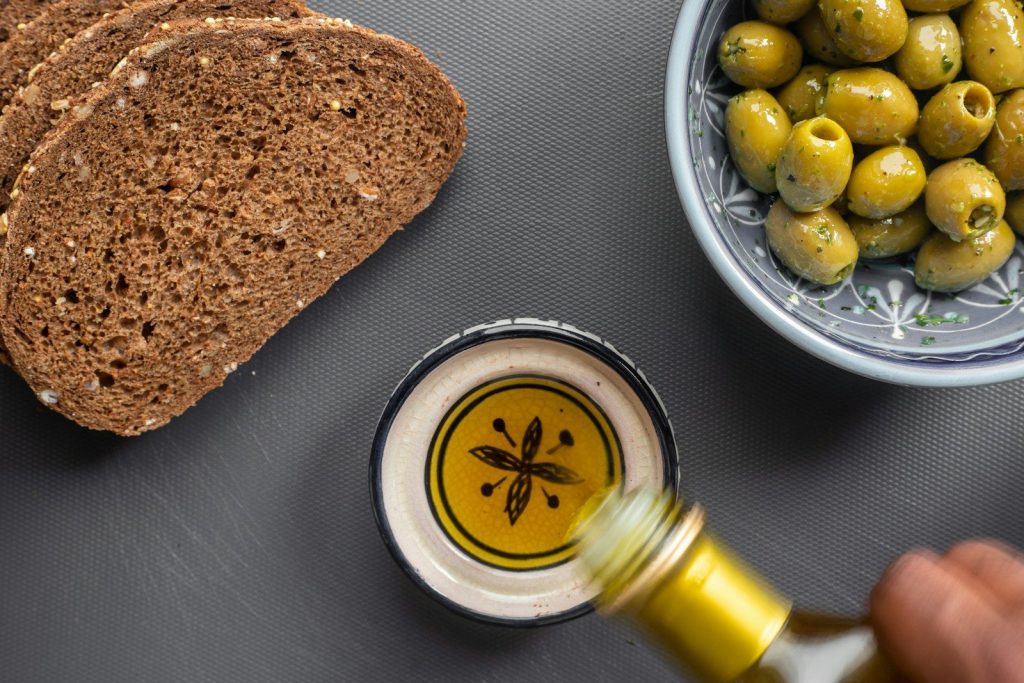
Olive oil is often treated like a permanent pantry item, but once opened it slowly loses its fresh taste. Light and warm temperatures speed up this process, leaving the oil with a flat or slightly unpleasant flavor. (Food Network)
Buying a smaller bottle can actually save money if you cook with olive oil only occasionally. You are more likely to finish it while it still adds the rich flavor you expect.
Nuts and Seeds Change Faster Than You Think
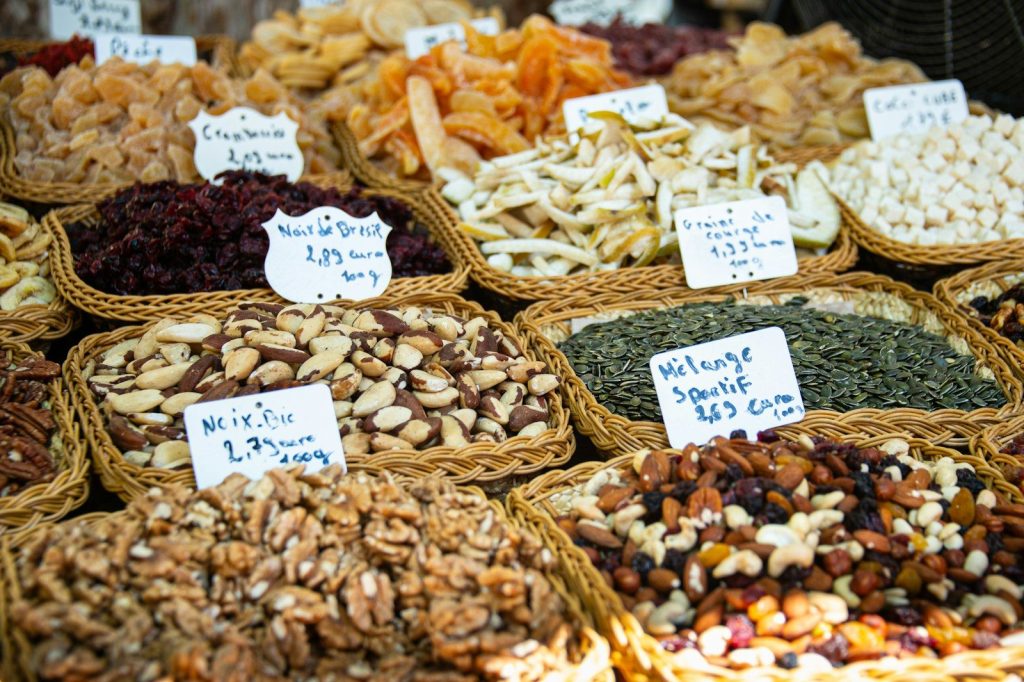
Because nuts and seeds contain healthy fats, they can become stale or rancid if left sitting too long. The change is often subtle at first, making baked goods and snacks taste less satisfying.
Store them in tightly sealed containers and consider refrigeration or freezing if you buy them in bulk. That simple habit helps protect both flavor and your grocery investment.
Ground Spices Slowly Lose Their Magic
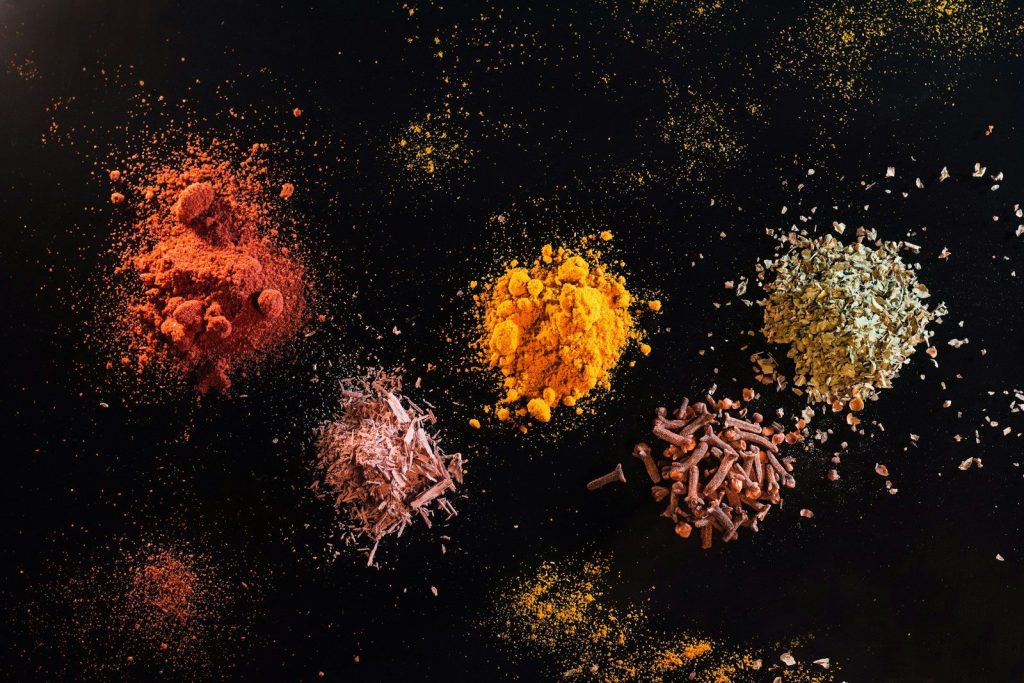
Old spices rarely make food unsafe, but they often lose the bold aroma that makes recipes shine. If paprika, cinnamon, or oregano barely have a scent, they are probably no longer doing much in your cooking.
A quick smell test before cooking can prevent disappointing meals. Replacing only the spices you use most often is a practical way to balance freshness with your budget.
Baking Ingredients Can Let You Down
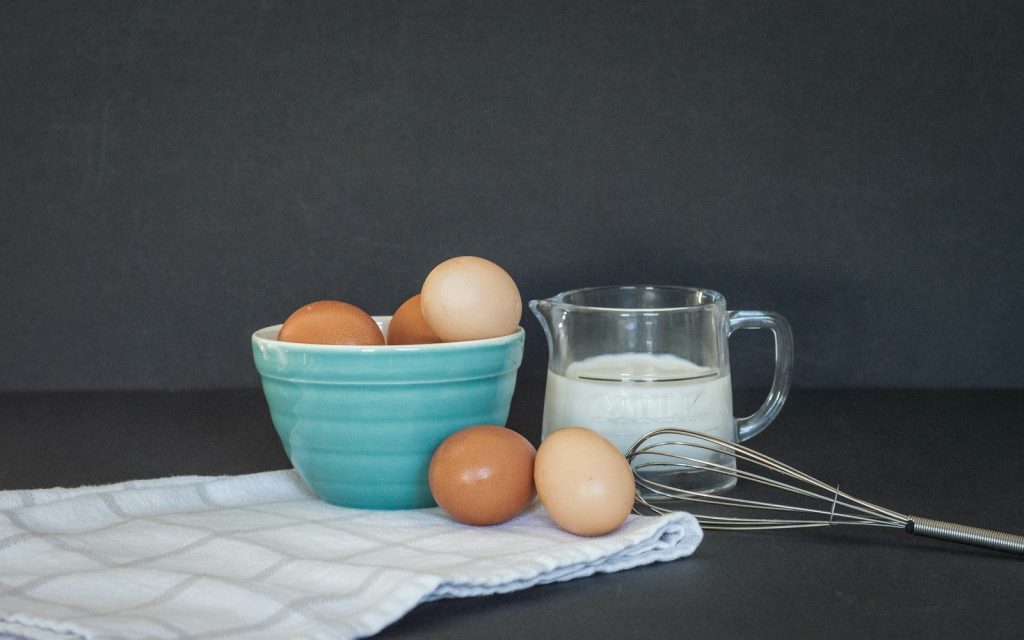
Baking powder and baking soda may still look perfectly normal long after they have lost much of their lifting power. The result can be cakes, biscuits, or muffins that never rise as expected.
Simple freshness checks before an important recipe can save time and ingredients. Keeping smaller packages on hand also reduces the chance of storing them for years.
Whole Grain Flour Needs Extra Care
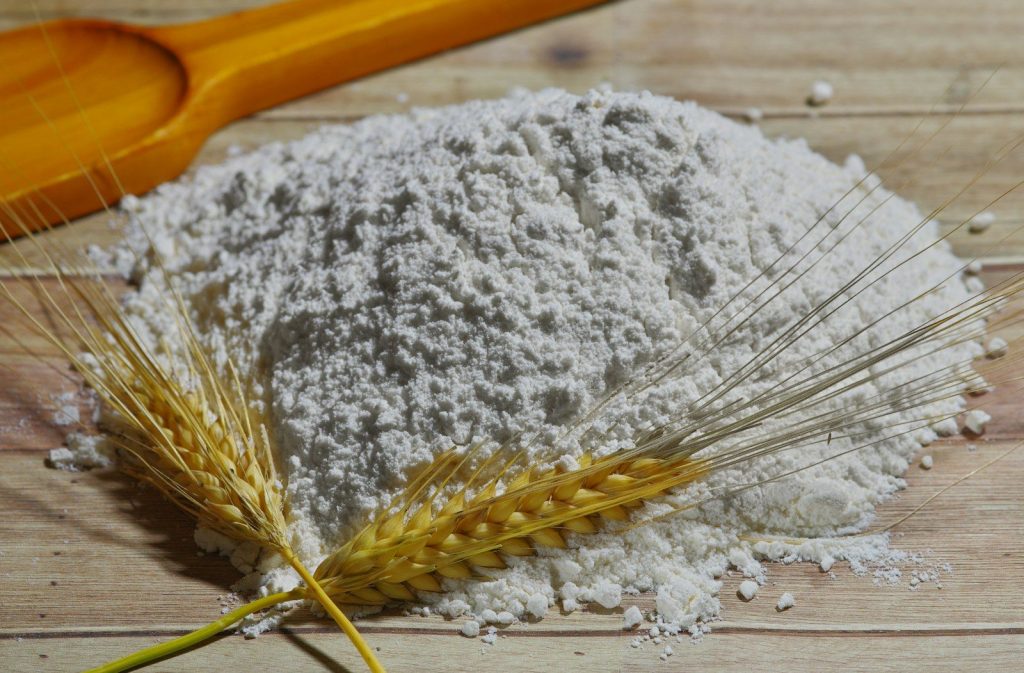
Whole grain flour contains more natural oils than refined flour, so it does not stay fresh as long in a warm pantry. Over time, the flavor can become unpleasant even when no obvious signs appear.
If you bake only occasionally, refrigerating or freezing whole grain flour can help extend its quality. Labeling the purchase date also makes pantry rotation much easier.
Breakfast Cereal Does Not Stay Crisp Forever
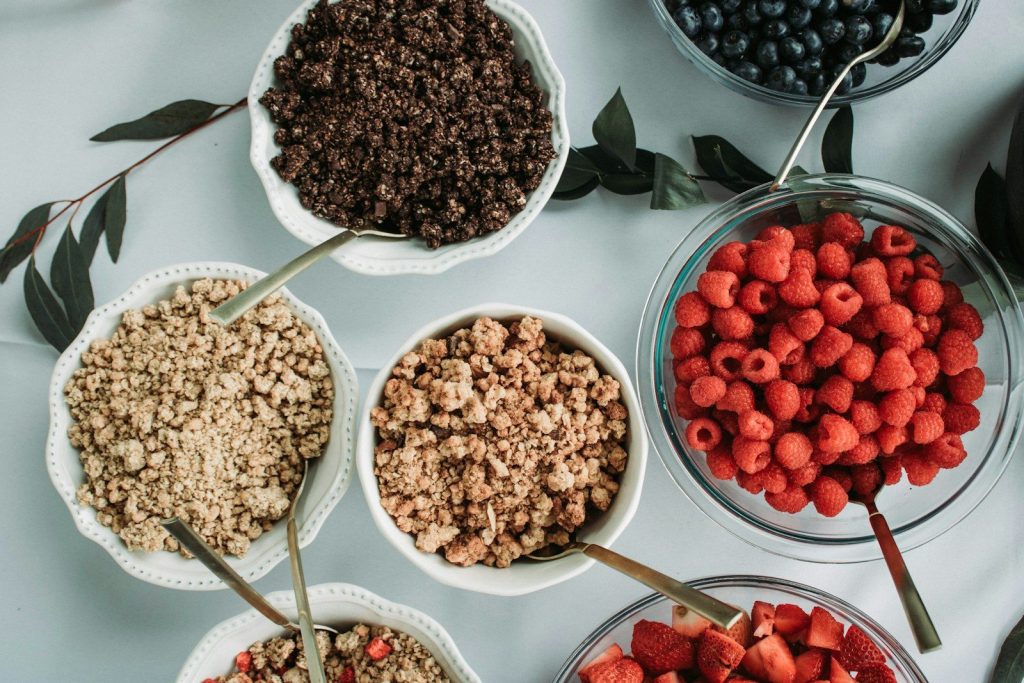
An unopened box of cereal can last quite a while, but once opened it gradually absorbs moisture from the air. Crunch disappears, flavors fade, and breakfast becomes much less enjoyable.
Sealing cereal in an airtight container after opening is an easy habit that helps preserve texture. It also prevents waste when larger family-sized boxes take longer to finish.
A Quick Pantry Check Saves More Than Space
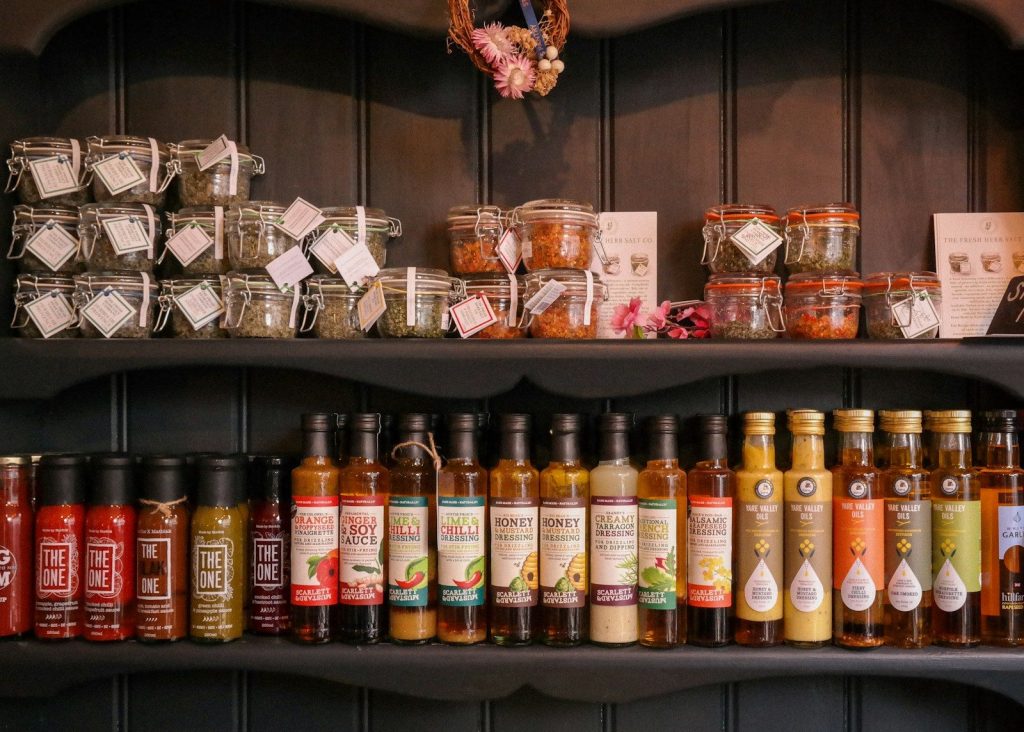
Many pantry foods do not suddenly spoil. Instead, they slowly lose the qualities that made you buy them in the first place. Checking shelves every few months helps you spot older ingredients before they quietly disappoint your next meal.
Keeping newer purchases behind older ones and planning meals around ingredients you already own can reduce waste and stretch every grocery trip. Small habits like these make your pantry more organized and help every dollar work a little harder.
Featured image: Photo by Aaron Doucett on Unsplash