
Some of the best money saving habits do not feel like budgeting at all. They simply make daily routines smoother, reduce waste, and help ordinary items last longer than expected.
Many of these ideas come from people who learned to work with what they already had instead of constantly buying replacements. That practical mindset often saves both time and money in surprising ways.
Turn Leftovers Into Planned Meals
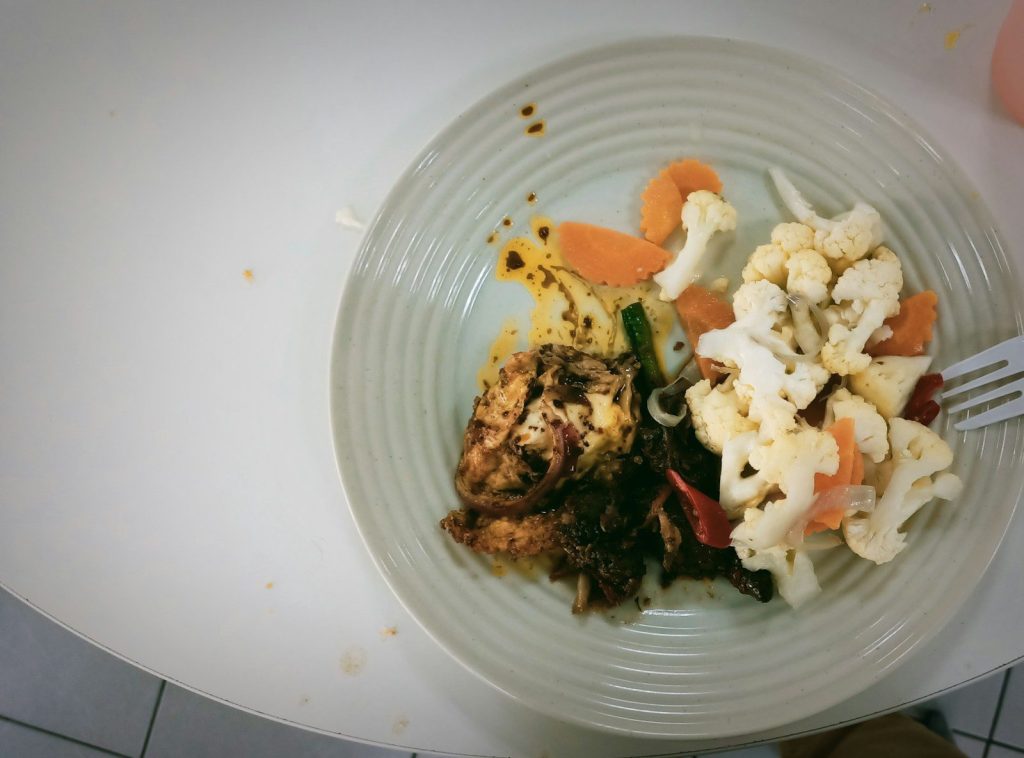
People often think of leftovers as backup food, but treating them as ingredients changes everything. Roast chicken can become soup, wraps, or pasta dishes that feel completely different from the original meal.
Planning one meal to intentionally create another reduces food waste and lowers grocery costs without requiring extra effort later in the week.
Keep a Small Repair Basket Nearby
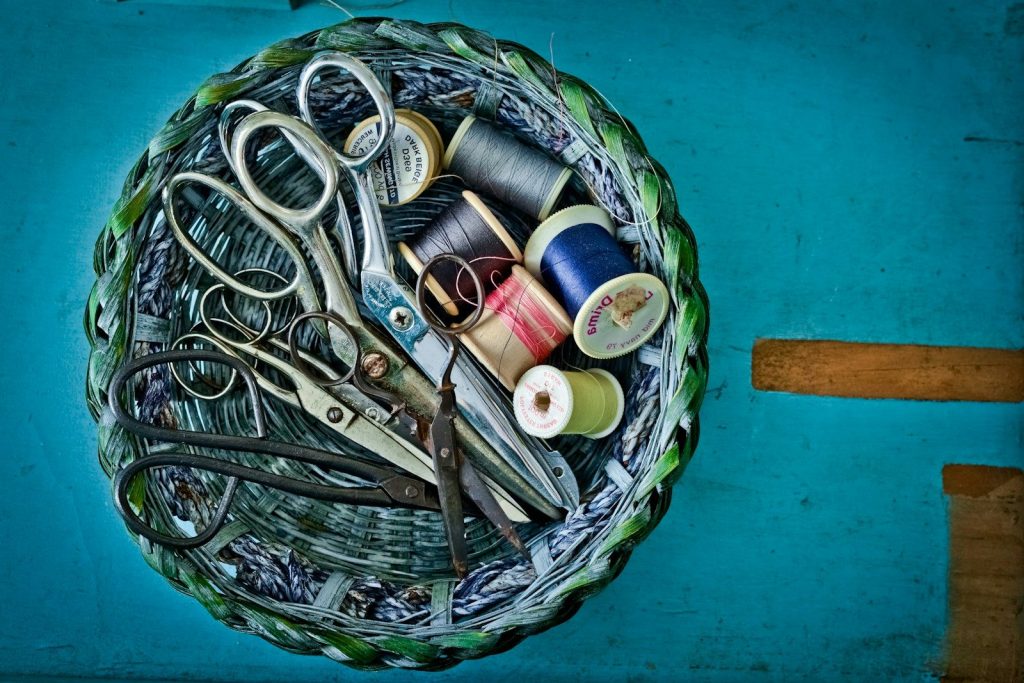
A basket with thread, glue, spare buttons, tape, and batteries solves more problems than most people realize. Small fixes happen quickly when supplies are easy to reach.
Replacing a missing button takes minutes, while replacing a favorite shirt costs much more. Tiny repairs quietly protect household budgets over time.
Freeze More Than Just Meat
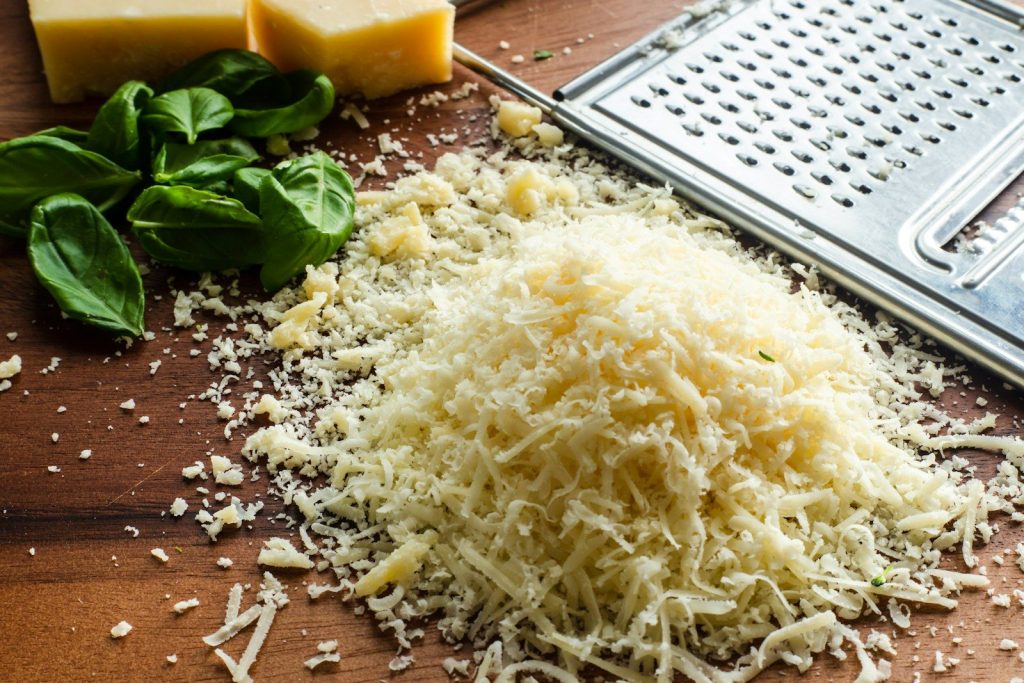
Many households freeze meat and vegetables but overlook items like shredded cheese, bread, herbs, and cooked rice. These foods often survive freezing remarkably well.
Having ready to use ingredients available reduces last minute grocery trips that somehow always end with extra purchases in the cart.
Give Containers a Second Career
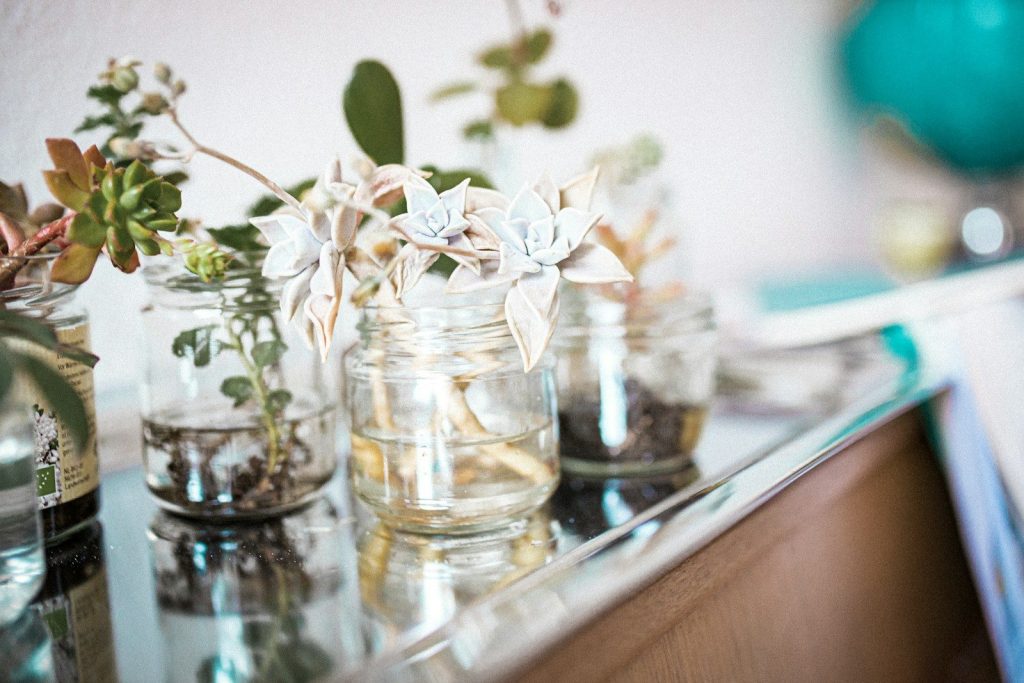
Glass jars, sturdy boxes, and food containers can organize drawers, hold craft supplies, or store pantry staples without spending money on organizers.
Some of the most efficient homes rely less on matching storage products and more on creative reuse of items already available.
Create a Waiting List for Purchases

Writing down wanted items and revisiting the list a week later changes buying habits quickly. Many purchases lose their appeal once the excitement fades.
The items that remain on the list after several days are often the ones that genuinely improve daily life and deserve the expense.
Learn Which Products Really Need Premium Versions

Some products perform better when buying higher quality, while others deliver nearly identical results regardless of price. Knowing the difference prevents overspending.
Many experienced shoppers save money by choosing store brands for basics while reserving premium purchases for products used heavily every day.
Use One Item for Multiple Jobs
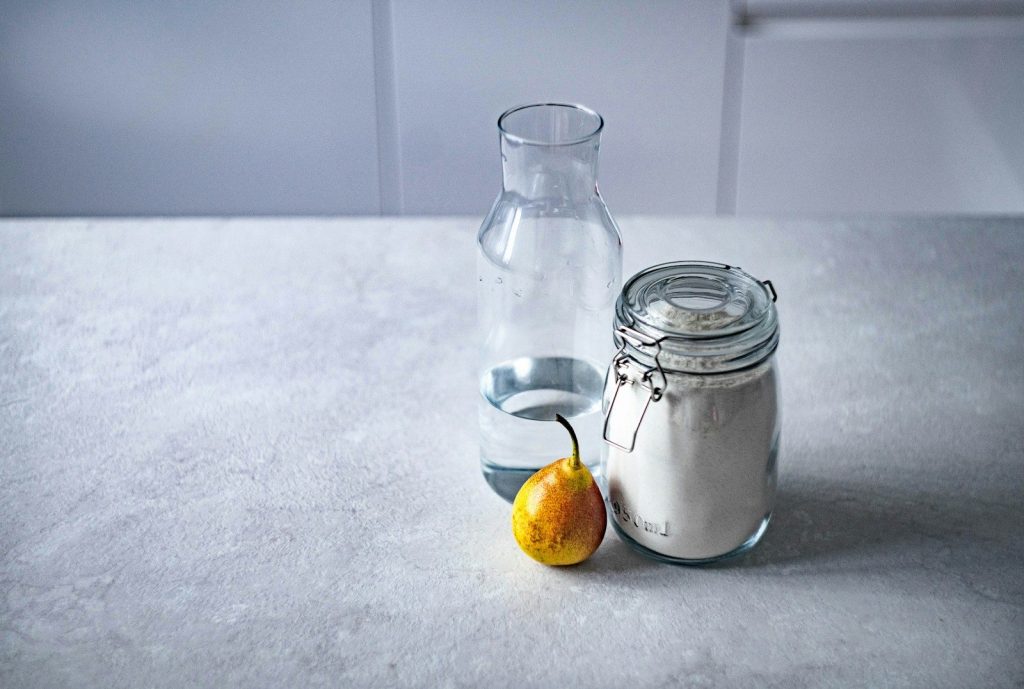
Baking soda, white vinegar, and microfiber cloths can handle dozens of household tasks. Multipurpose products reduce clutter and simplify shopping lists.
Older generations often relied on fewer products because they understood how versatile ordinary household items could be when used creatively.
Track What Gets Thrown Away
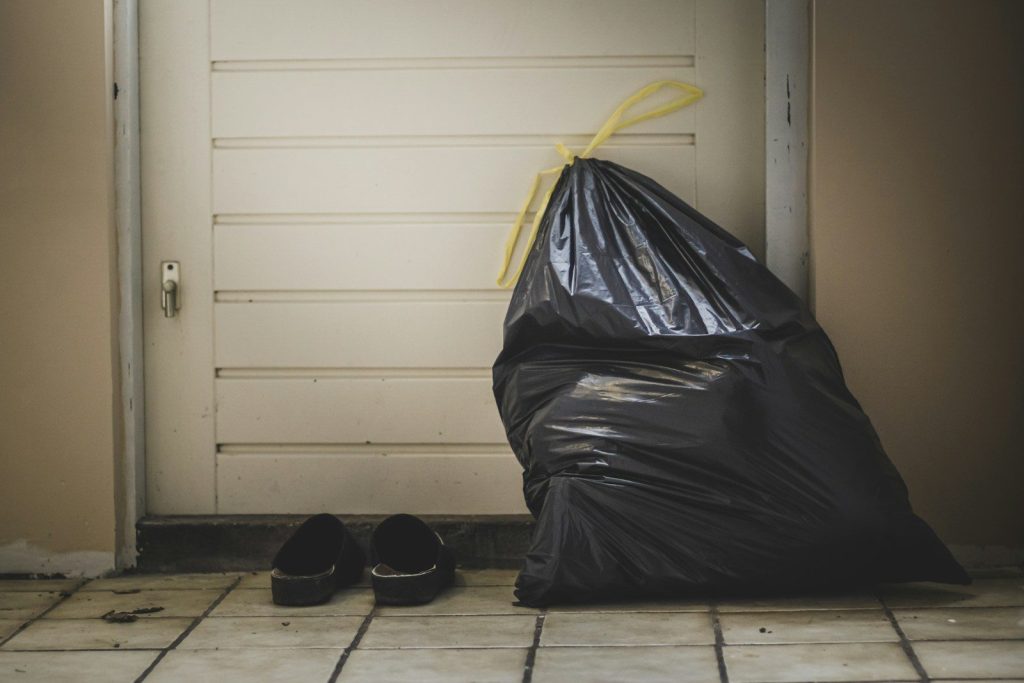
Paying attention to what regularly ends up in the trash reveals spending patterns that receipts often hide. Expired produce and unused snacks tell an important story.
Small observations lead to smarter shopping decisions, less waste, and homes that run more efficiently without feeling restrictive or complicated.
Featured Image: Photo by Jakub Żerdzicki on Unsplash