

Most people imagine saving money means giving something up or tracking every dollar that leaves their wallet. In reality, some of the biggest savings come from small habits that quietly work in the background of daily life.
The best part is that many of these ideas also reduce waste, simplify routines, and make everyday tasks feel less stressful. A few minor changes can create results that add up far faster than most people expect.
Shop Your Home Before You Shop the Store

Before buying something new, take a few minutes to check closets, drawers, and storage bins. Many households already own spare batteries, notebooks, cleaning supplies, and kitchen tools that have simply been forgotten over time.
This habit prevents duplicate purchases and often reveals items that can serve a second purpose. People are frequently surprised by how much money stays in their account simply because they paused before adding another item to the cart.
Build Meals Around What Needs Using First
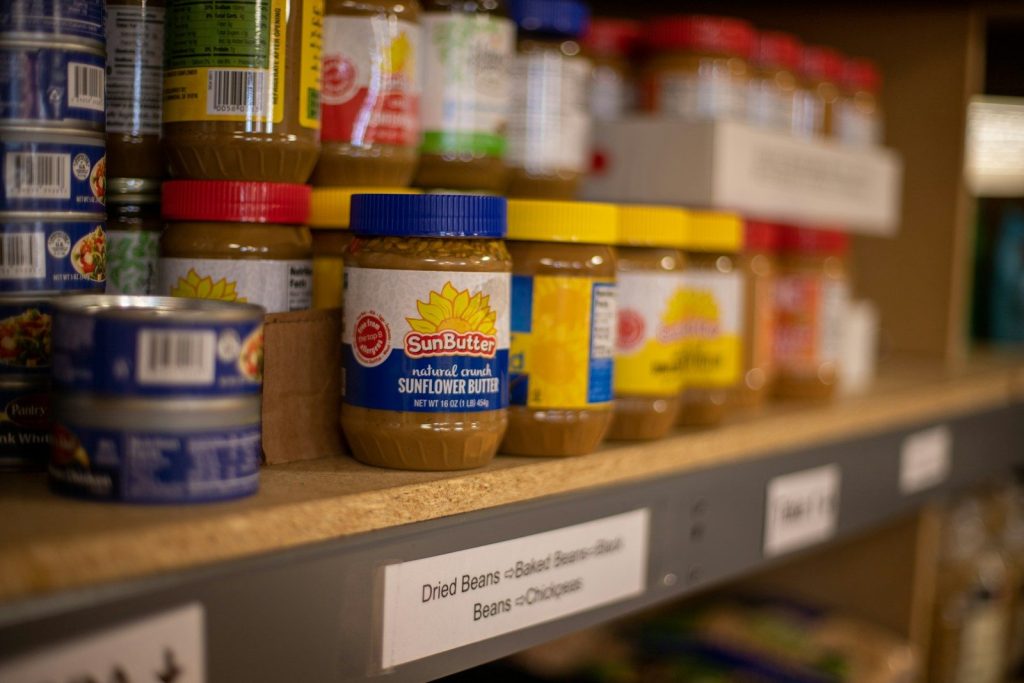
A quick look through the refrigerator before grocery shopping can change an entire week of spending. Ingredients nearing their expiration date often inspire meals that cost nothing extra to prepare.
This approach reduces food waste while making grocery trips more intentional. Leftover vegetables can become soup, extra rice can become fried rice, and yesterday’s chicken can easily become tomorrow’s lunch.
Keep a Waiting List for Non Essential Purchases

Impulse buying becomes less tempting when purchases spend a few days on a waiting list. Writing an item down instead of buying it immediately creates space to decide whether it is truly useful.
Many products lose their appeal after a week of consideration. The items that still seem worthwhile later usually turn out to be better purchases and more satisfying in the long run.
Use Appliances During Their Full Capacity
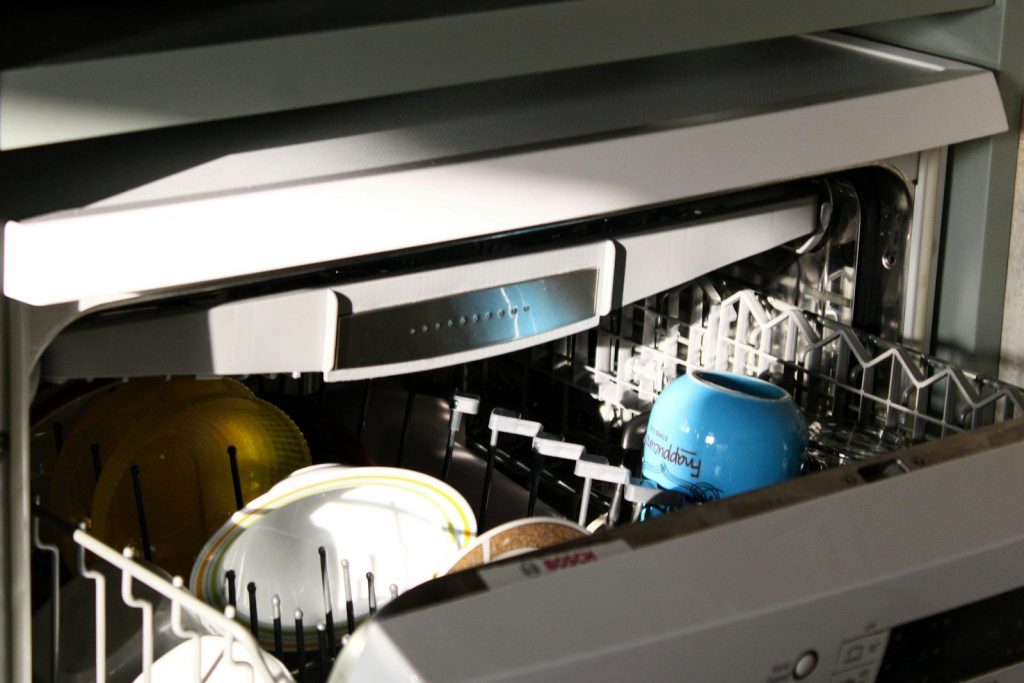
Running half full dishwashers, washing machines, or ovens may seem harmless, but those small costs repeat throughout the year. Waiting until appliances are fully loaded makes better use of electricity and water.
The same idea applies to errands. Combining several stops into one trip saves fuel and reduces time spent driving across town for a single item.
Give Everyday Items a Second Job
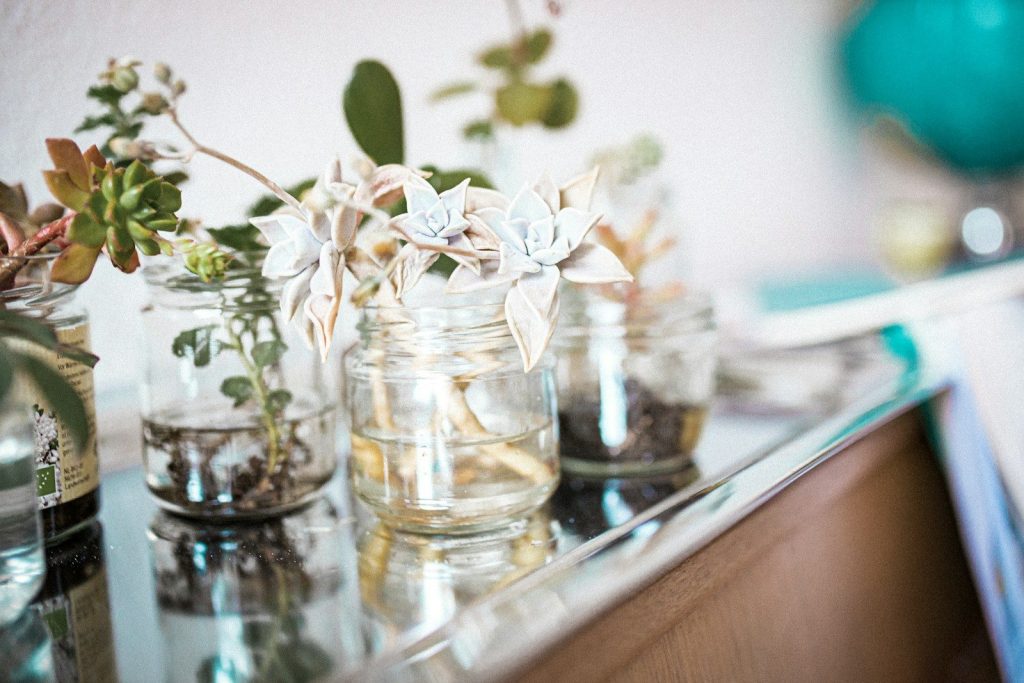
Glass jars can organize office supplies, leftovers, or pantry staples. Gift bags, shipping boxes, and packing materials often have plenty of life left before they belong in the recycling bin.
Older generations treated household items as resources rather than disposable products. That mindset still works remarkably well today and often leads to surprisingly practical solutions.
Create a Small Repair Station at Home
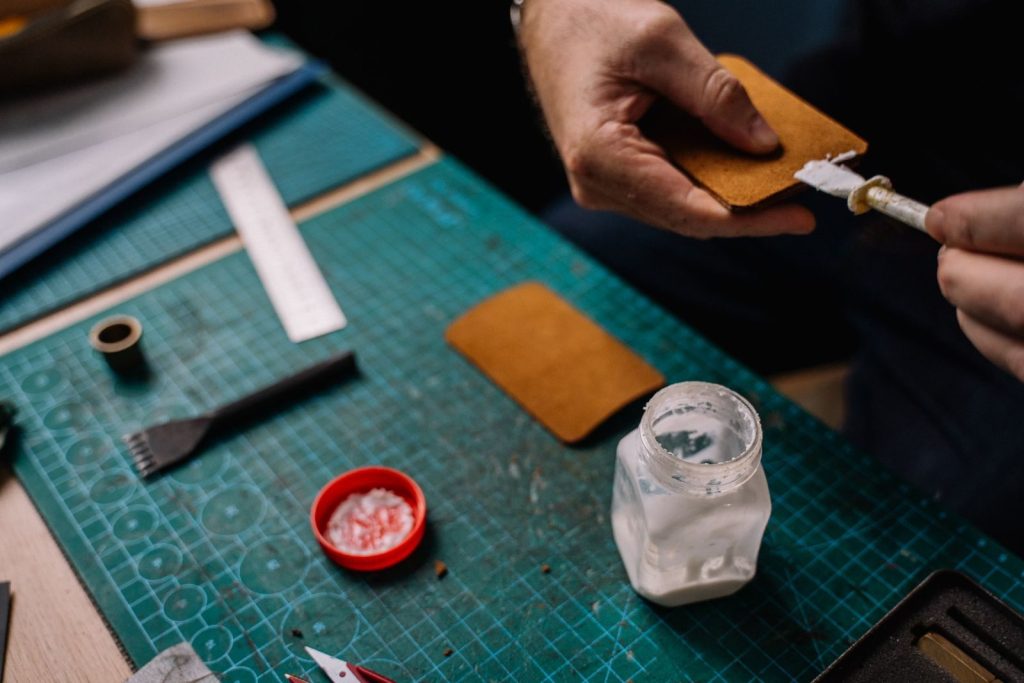
A drawer with basic supplies like glue, tape, thread, and spare buttons can rescue items that would otherwise be replaced. Small repairs often take only minutes but prevent unnecessary spending.
Loose hems, broken handles, and missing buttons rarely require professional help. Fixing small problems quickly also prevents them from becoming larger and more expensive issues later.
Make Convenience Purchases Less Convenient
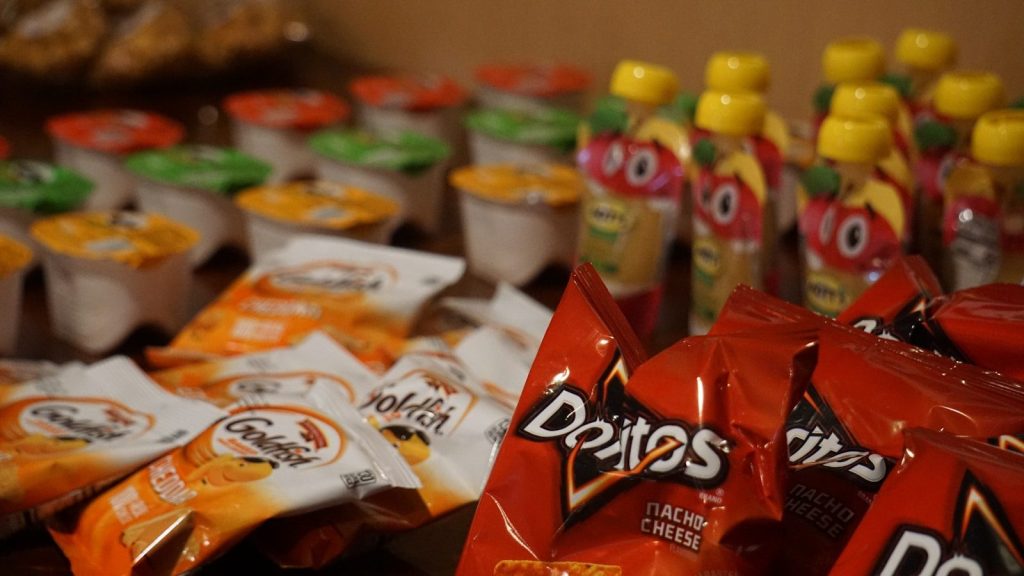
Keeping snacks, coffee, and simple meals at home reduces the temptation to make expensive last minute purchases. Convenience spending often happens because the easier option wins in the moment.
Preparing for busy days changes that equation. A packed snack or reusable water bottle can quietly eliminate dozens of unnecessary purchases throughout the month.
Track Savings Wins Instead of Restrictions

Many people stop saving because they focus only on what they cannot buy. Paying attention to successful choices creates a more positive and sustainable mindset.
Seeing that a homemade lunch saved money or that a delayed purchase was never needed makes these habits feel rewarding instead of limiting. Over time, smart choices become automatic parts of everyday life.
Featured Image: Photo by Towfiqu barbhuiya on Unsplash