

Sharing a home often means sharing expenses, but groceries can become surprisingly complicated when habits and schedules are different. Many households discover that food spending grows faster than expected when everyone shops independently.
Some of the smartest savers are finding that a few simple systems create less stress, fewer arguments, and noticeably smaller grocery bills. The ideas are practical enough for roommates, couples, and even busy families.
Start With Categories Instead of Individual Foods
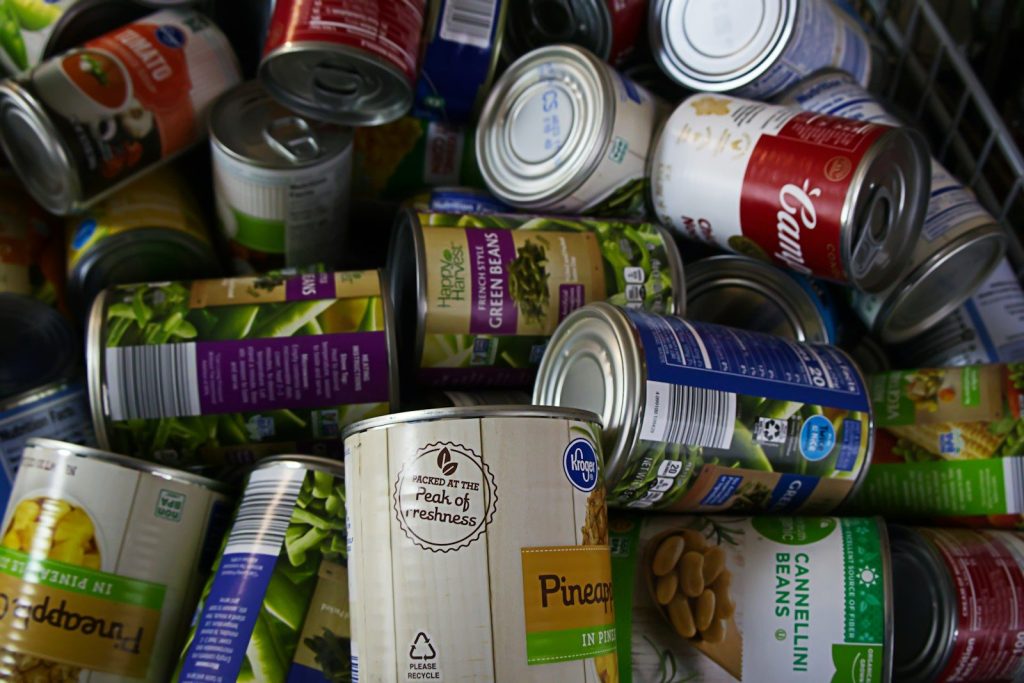
Many shared homes run into trouble because people focus on specific products instead of broader needs. One person buys snacks while another buys ingredients, leaving important basics missing from the kitchen.
Creating categories like breakfast items, fresh produce, proteins, and pantry staples gives everyone a clear picture of what actually needs attention before another shopping trip begins.
Assign Responsibility Instead of Splitting Every Receipt
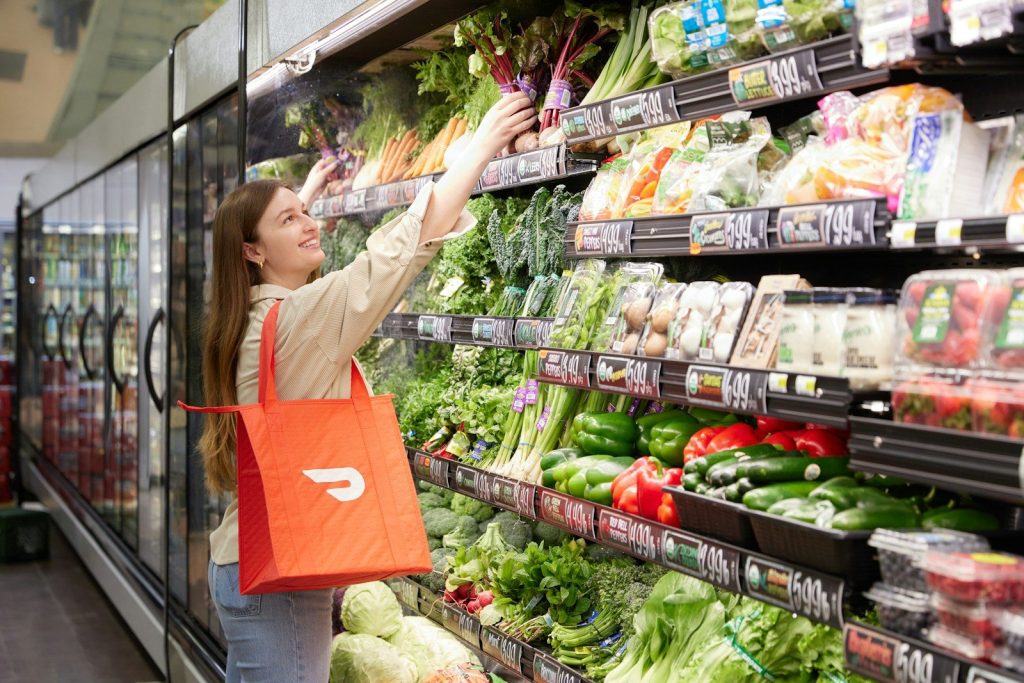
Trying to divide every grocery bill down to the dollar often creates frustration. Small purchases become discussions that take more effort than the money involved.
Some households save time by assigning ownership of categories. One person handles fruit and vegetables while another manages dairy or household essentials. The system feels simpler and more balanced.
Keep a Shared List Where Everyone Can Add Items

Memory is surprisingly expensive at the grocery store. Forgotten items lead to extra trips, impulse purchases, and duplicate products sitting unused in cabinets.
A shared list on paper or on a phone keeps everyone informed. Adding items immediately prevents guesswork and makes each shopping trip more efficient and focused.
Create Rules for Treats and Personal Favorites
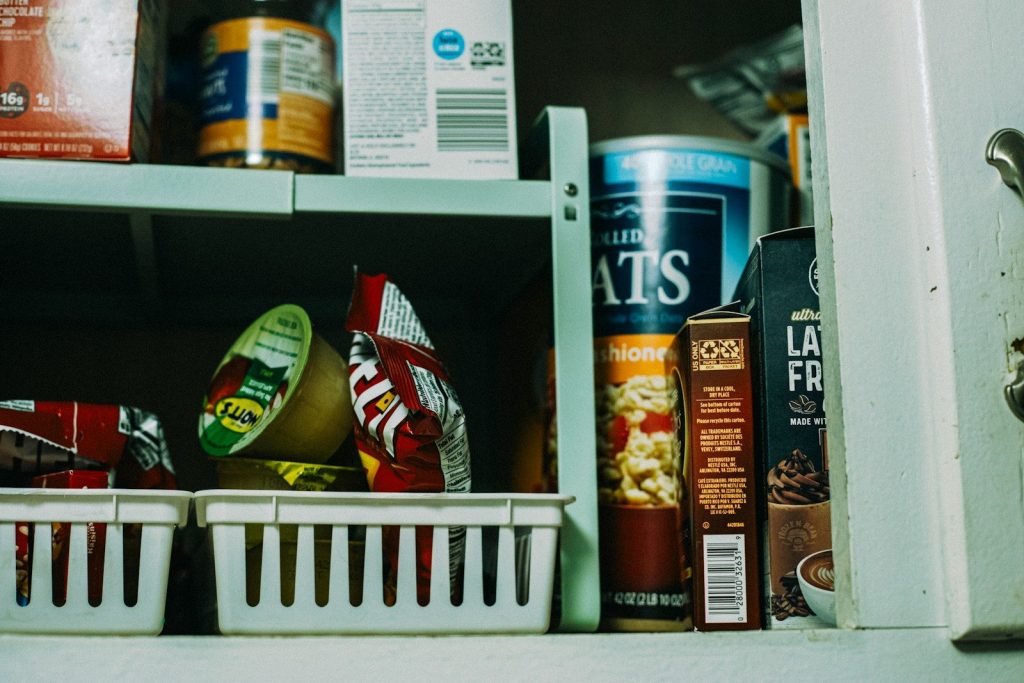
Certain foods are personal purchases rather than shared supplies. Specialty coffee, premium snacks, or favorite desserts can create confusion if expectations are unclear.
Many successful households separate everyday groceries from personal extras. This protects the shared budget while giving everyone freedom to enjoy their preferred items without resentment.
Use a First In First Out Shelf
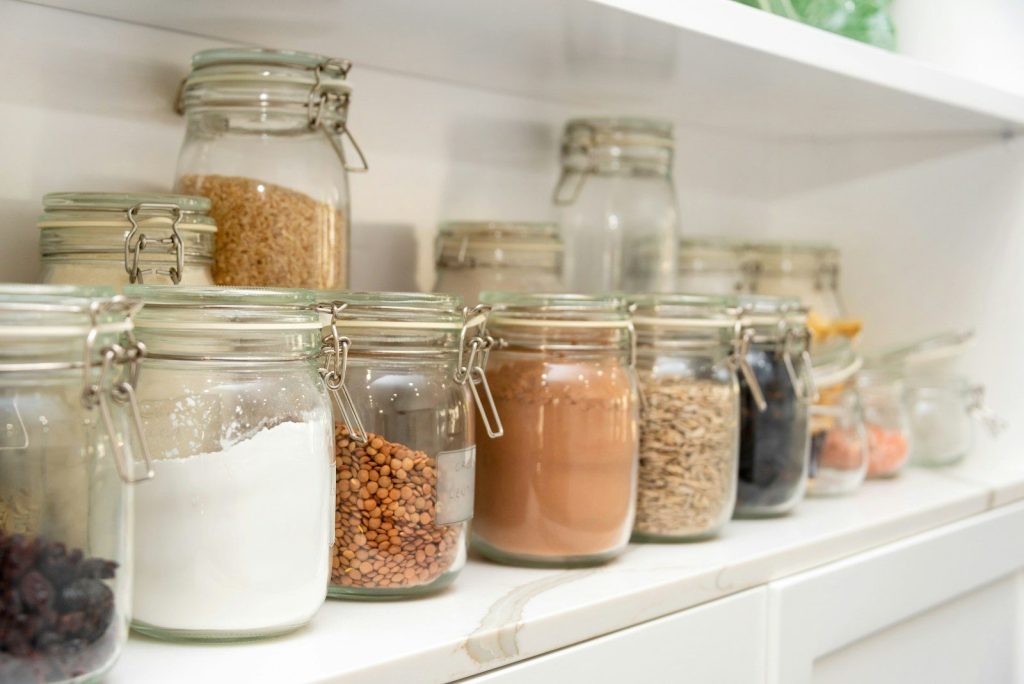
Food waste quietly drains grocery budgets every month. Older products disappear behind newer purchases and expire before anyone notices they are still available.
A dedicated shelf for items that should be eaten first keeps food visible. Leftover vegetables, yogurt cups, and bread often get used instead of thrown away.
Schedule One Quick Kitchen Check Each Week
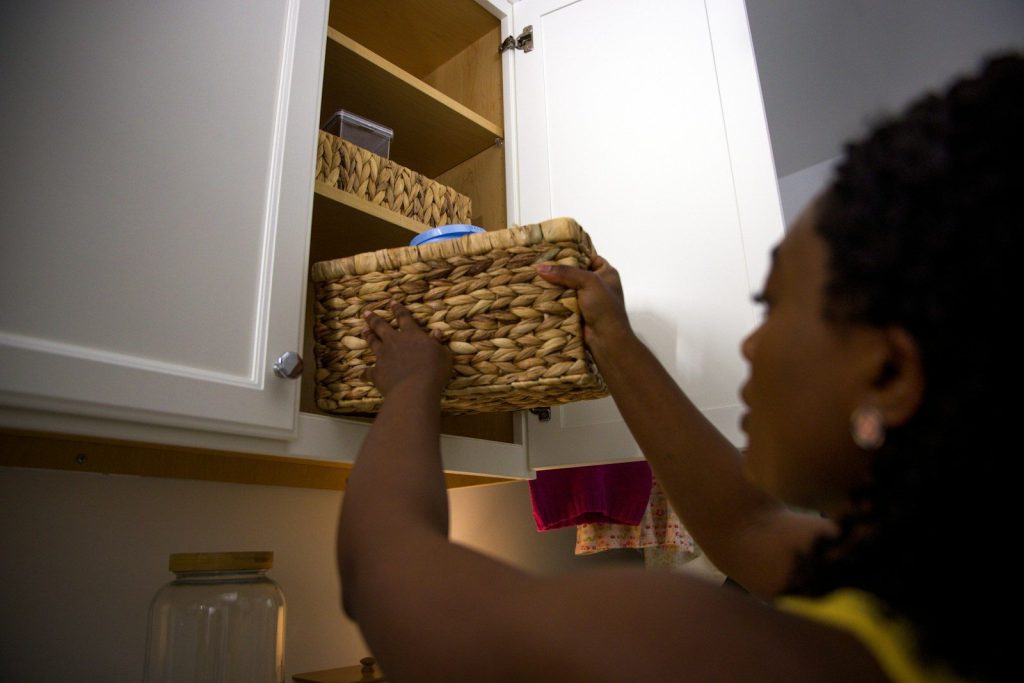
Most grocery mistakes happen because nobody knows what is already in the house. People buy pasta while three unopened boxes are already sitting in the pantry.
A five minute kitchen review solves the problem. Checking shelves before shopping encourages smarter spending decisions and reduces clutter in refrigerators and cabinets.
Buy Shared Staples in Larger Sizes
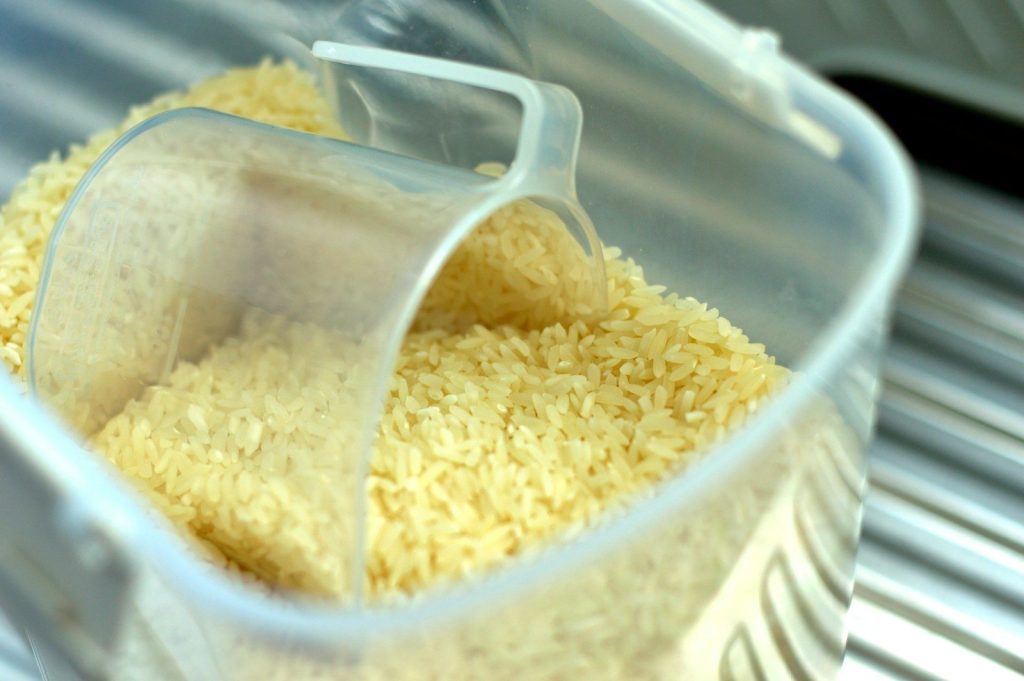
Certain products disappear quickly in shared homes. Rice, oats, cooking oil, and cleaning supplies usually cost less when purchased in larger quantities.
The key is choosing items everyone actually uses. Buying bulk products that sit untouched for months creates waste rather than savings, so consistency matters more than size.
Treat Grocery Planning as a Household Routine

The most effective systems are rarely complicated. They succeed because everyone understands the process and follows the same expectations from week to week.
A simple routine turns grocery shopping into a cooperative effort rather than a recurring problem. The result is less waste, lower spending, and a kitchen that works better for everyone.
Featured Image: Photo by Ninthgrid on Unsplash