

Keeping energy costs under control does not always require expensive upgrades or major home renovations. In many homes, the biggest savings come from small daily habits that are easy to overlook.
A few thoughtful changes can reduce waste, improve comfort, and help your household run more efficiently throughout the year. These practical ideas make saving energy feel simple instead of overwhelming.
Let Natural Light Do More Work

Open curtains during the day to brighten rooms instead of reaching for the light switch. Sunlight can make living spaces feel warmer and more inviting without adding to your electricity bill.
Arrange your most used areas near windows whenever possible. This simple adjustment helps you rely less on artificial lighting during daylight hours.
Unplug Devices You Rarely Use
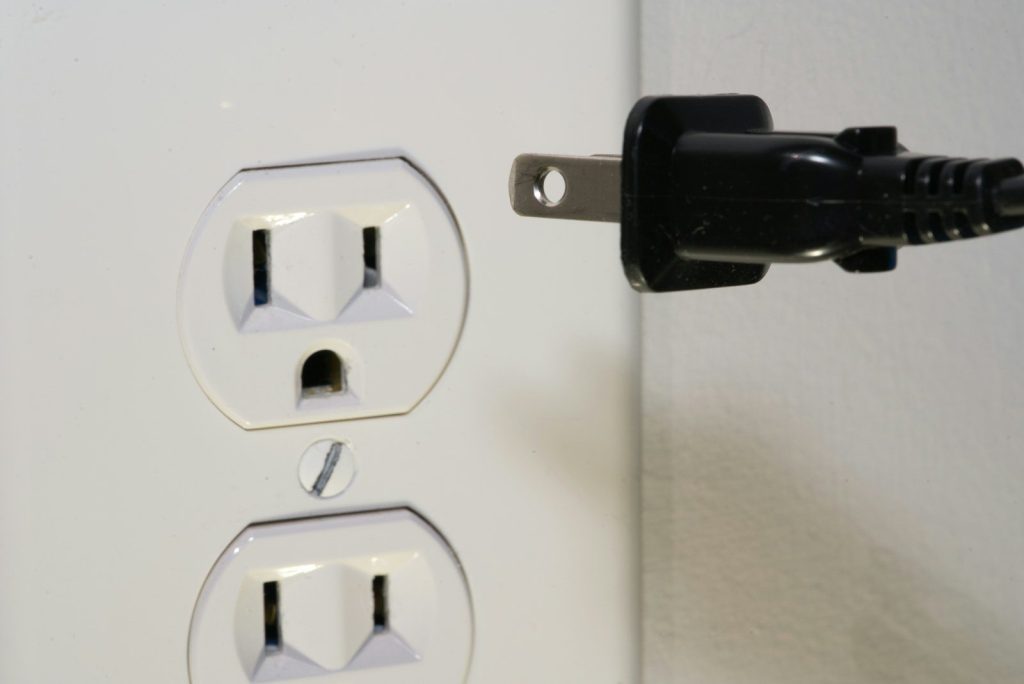
Many electronics continue using small amounts of electricity even after they are turned off. Chargers, entertainment systems, and kitchen appliances can quietly consume power while sitting idle.
Connect several devices to one power strip for easier control. Turning off a single switch becomes a quick daily habit that helps reduce unnecessary energy use.
Make Your Thermostat Work Smarter
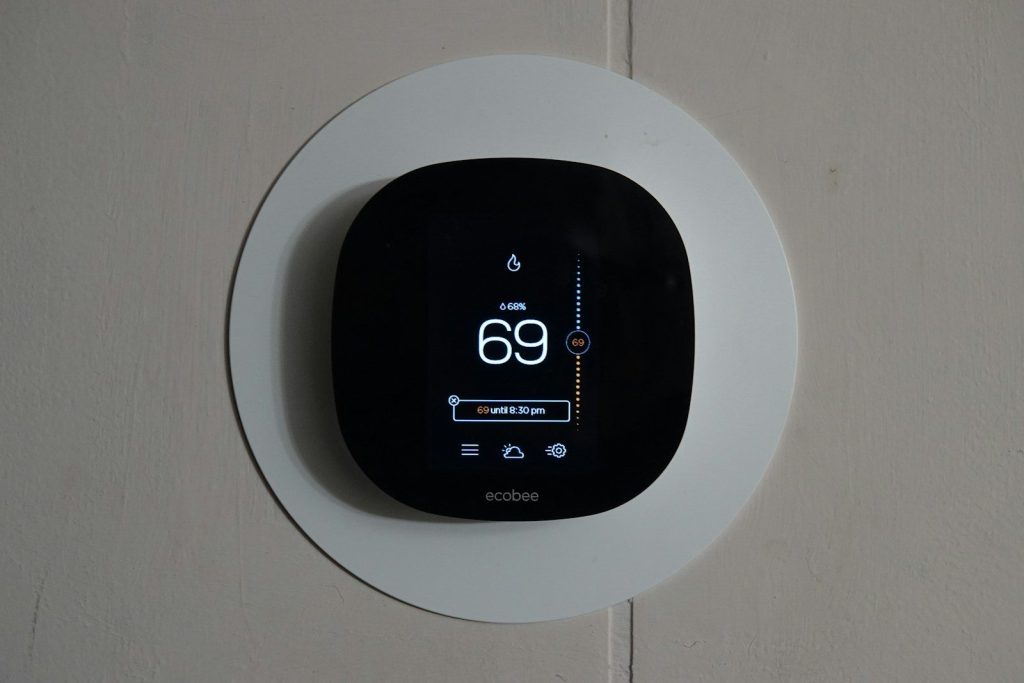
A comfortable home does not always require dramatic temperature settings. Small seasonal adjustments often provide noticeable savings without making your rooms uncomfortable.
Wear cozy clothing during colder months or use ceiling fans when temperatures rise. These simple habits reduce the workload on heating and cooling systems.
Use Appliances With Full Loads
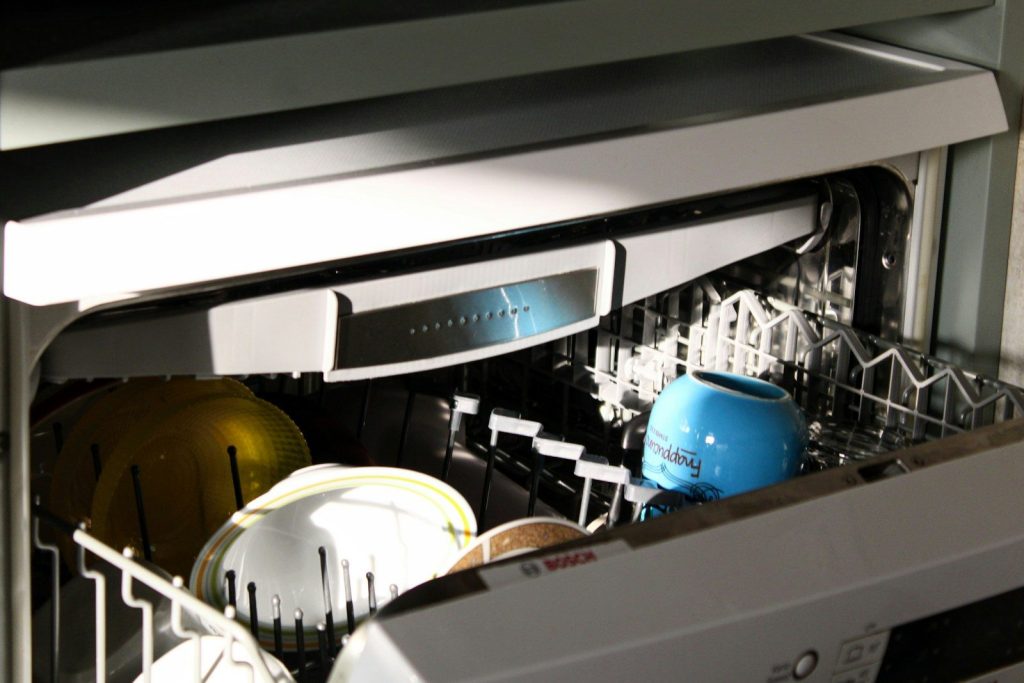
Running dishwashers and washing machines only when they are full helps make every cycle count. You use the same amount of energy more efficiently by cleaning more items at once.
Planning laundry days instead of washing small loads throughout the week also saves time. This routine creates better value from every appliance you own.
Keep Air Moving Freely

Blocked heating vents and crowded air returns make your system work harder than necessary. Furniture, storage boxes, or rugs can reduce airflow without you realizing it.
Take a few minutes every season to check each room. Better circulation helps maintain comfort while using energy more effectively.
Seal Small Drafts Before They Grow
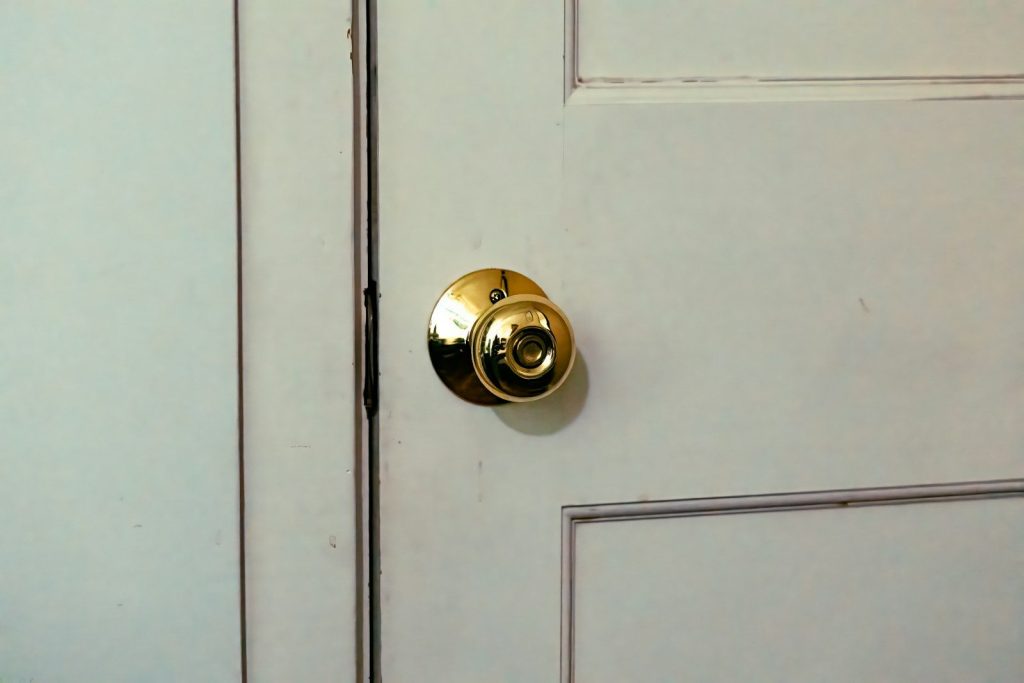
Tiny gaps around doors and windows allow conditioned air to escape throughout the year. Those small leaks often add up to higher utility costs over time.
Simple weather sealing products are usually affordable and easy to install. They help your heating and cooling systems maintain indoor temperatures with less effort.
Build Better Kitchen Habits

Using lids while cooking helps food heat faster and keeps warmth inside the pot. Matching cookware to burner size also prevents wasted energy during meal preparation.
Avoid opening the oven repeatedly while baking. Checking through the window instead helps maintain cooking temperatures without making the appliance work harder.
Make Energy Saving Part of Your Routine
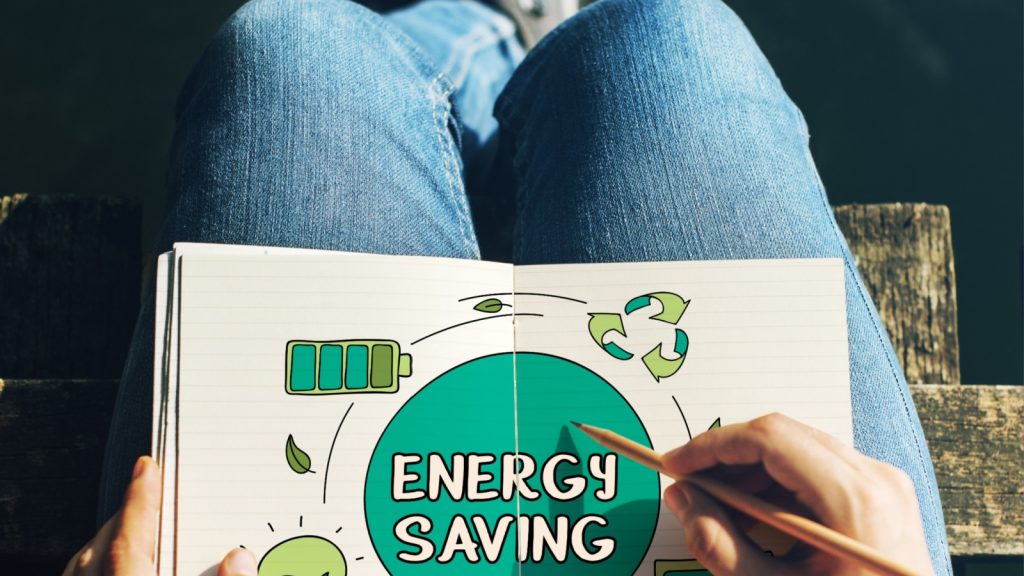
The most effective changes are usually the ones you repeat consistently. Small daily habits often create greater savings than occasional large efforts.
Review your household routines every few months to spot new opportunities. As these simple practices become automatic, your home becomes more efficient while keeping more money in your budget.