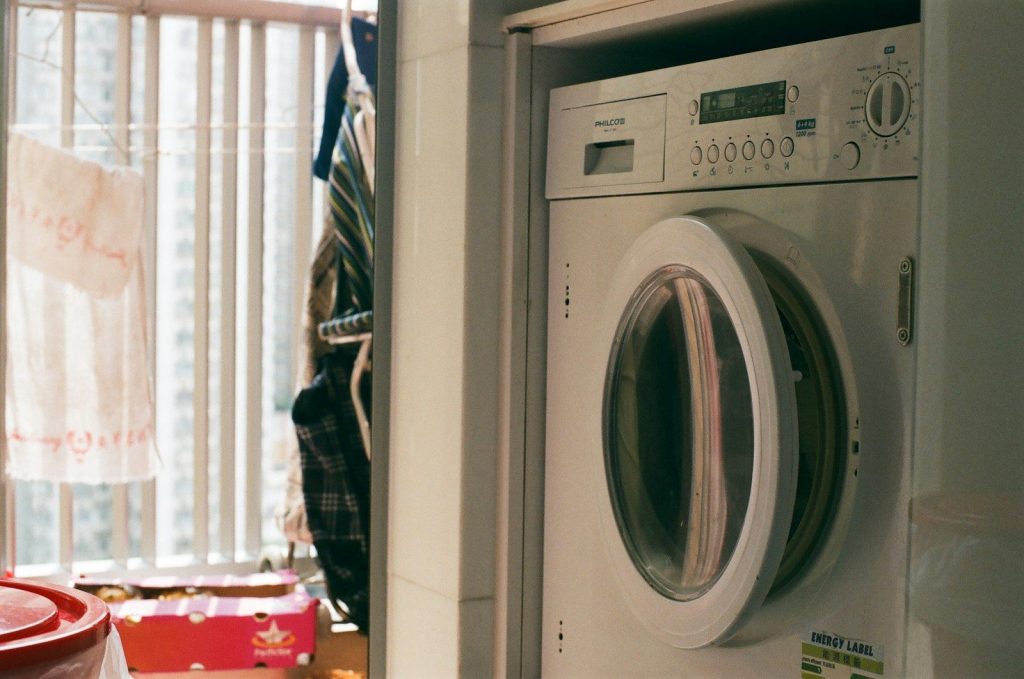

Many people automatically toss every item into the washing machine, but that is not always the best choice. Some fabrics stay softer, keep their shape, and look newer when they are cleaned by hand with just a little extra care.
Hand washing is also a practical household habit that saves water, reduces energy use, and helps expensive clothing last longer. These simple techniques make laundry easier while helping you get more value from the clothes you already own.
Know Which Clothes Benefit From Hand Washing
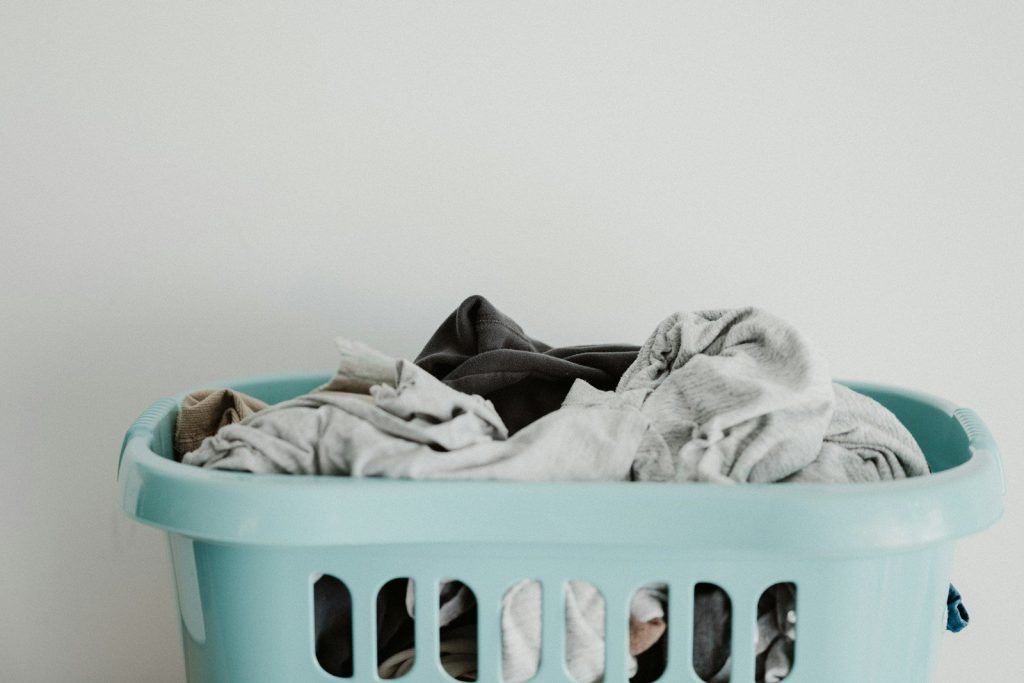
Some garments are better suited for gentle care than regular machine cycles. Knit sweaters, silk blouses, lace pieces, workout clothing, and lightweight shirts often hold up much better when washed by hand instead of being tossed into a crowded load.
Checking the care label before washing takes only a moment but can prevent shrinking, stretching, or fading. Keeping delicate favorites in good condition means replacing them less often, which is always a smart way to stretch a household budget.
Fill The Sink The Right Way
A clean sink is the perfect place to begin. Any leftover food, soap, or cleaning products should be rinsed away before adding fresh water so fabrics stay clean from start to finish.
Use cool or lukewarm water for most clothing since extreme heat can damage fibers or cause colors to fade. Adding only a small amount of gentle detergent is usually enough to clean clothes without creating extra work during rinsing.
Clean Without Scrubbing Too Hard

Many people believe clothes need vigorous scrubbing to become clean, but gentle movement often works much better. Slowly swishing garments through the water allows dirt and body oils to loosen naturally without stressing the fabric.
If a collar or cuff has a visible mark, lightly rub only that section with your fingers instead of attacking the entire garment. A little patience helps protect delicate materials while still delivering fresh results.
Give Clothes Enough Time To Soak
One overlooked trick is allowing garments to sit in soapy water for several minutes before handling them again. The soak gives detergent time to lift dirt from the fibers without requiring unnecessary rubbing.
This simple habit works especially well for lightly worn clothing that only needs refreshing. Instead of using extra detergent or stronger cleaning products, time does much of the work for you.
Rinse Until The Water Runs Clear

Soap left inside fabric can leave clothes feeling stiff or attract dirt more quickly after drying. Taking the extra minute to rinse thoroughly makes a noticeable difference in both comfort and appearance.
Continue rinsing with fresh water until no bubbles remain. Proper rinsing helps fabrics stay soft while allowing colors and textures to look their best after every wash.
Remove Water Without Twisting Fabric
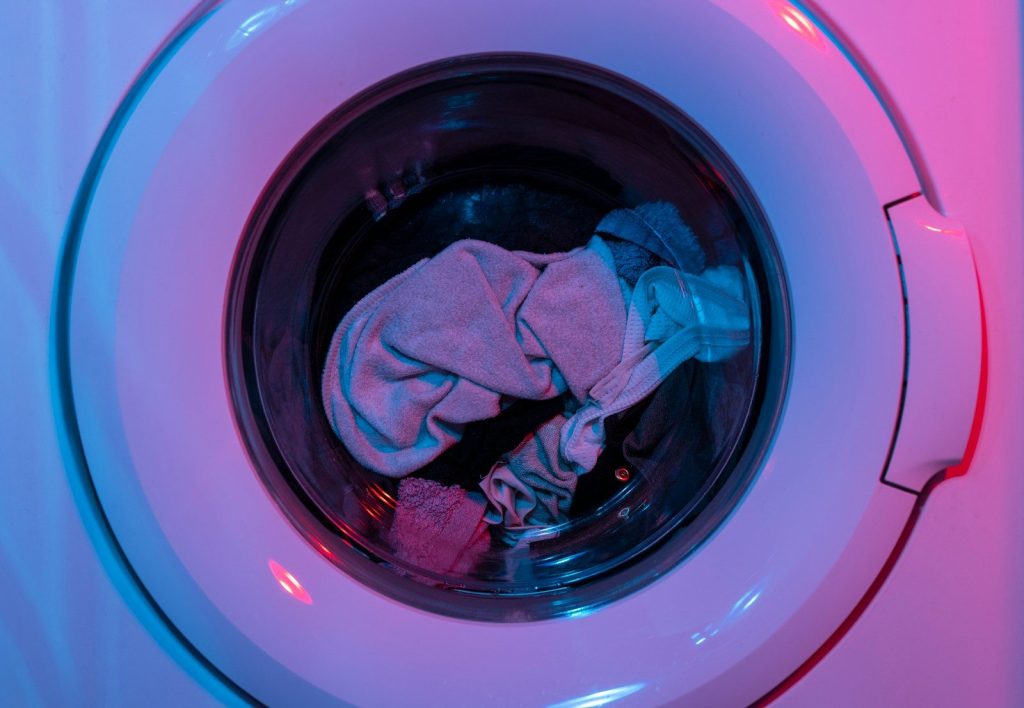
Twisting wet clothing may seem like the fastest way to remove water, but it can stretch delicate fibers and permanently change the shape of some garments. Gentle pressure is a much safer approach.
Lay the item flat on a clean towel and roll the towel together with the garment. Press lightly along the roll to absorb moisture. This old-fashioned method protects fabric while helping clothes dry more quickly.
Dry Clothes With Care For Better Results
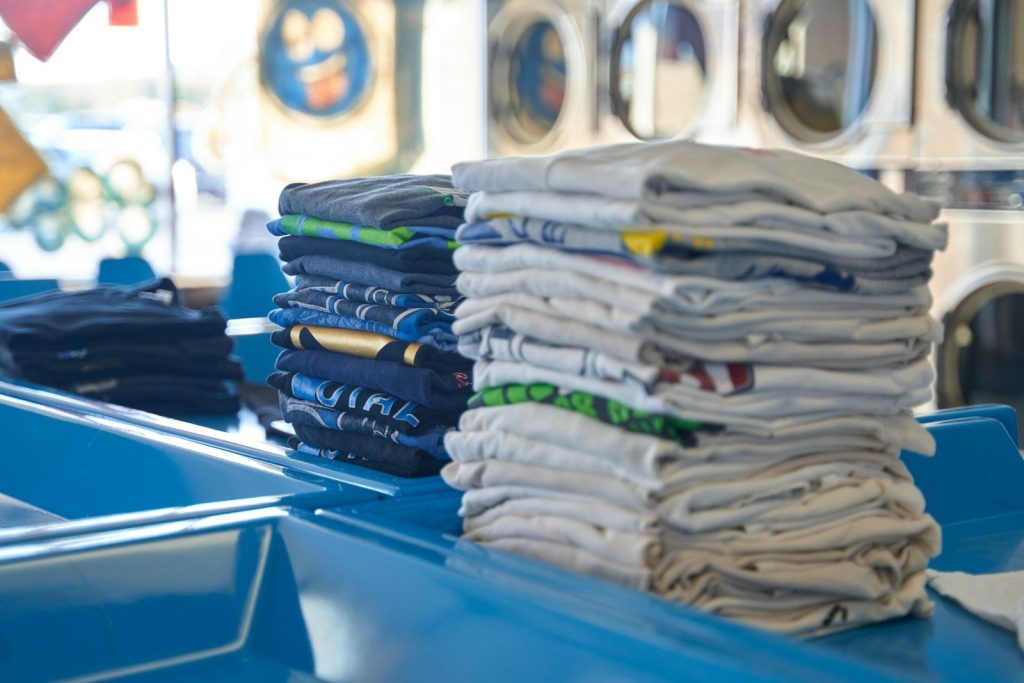
Drying deserves just as much attention as washing. Heavy sweaters and other delicate items should usually be laid flat instead of hanging, since wet fabric can stretch under its own weight.
Choose a spot with good airflow and avoid strong direct sunlight whenever possible. Careful drying helps preserve color, fit, and softness, allowing favorite clothes to stay part of your wardrobe for many more seasons.
Make Hand Washing Part Of Your Weekly Routine
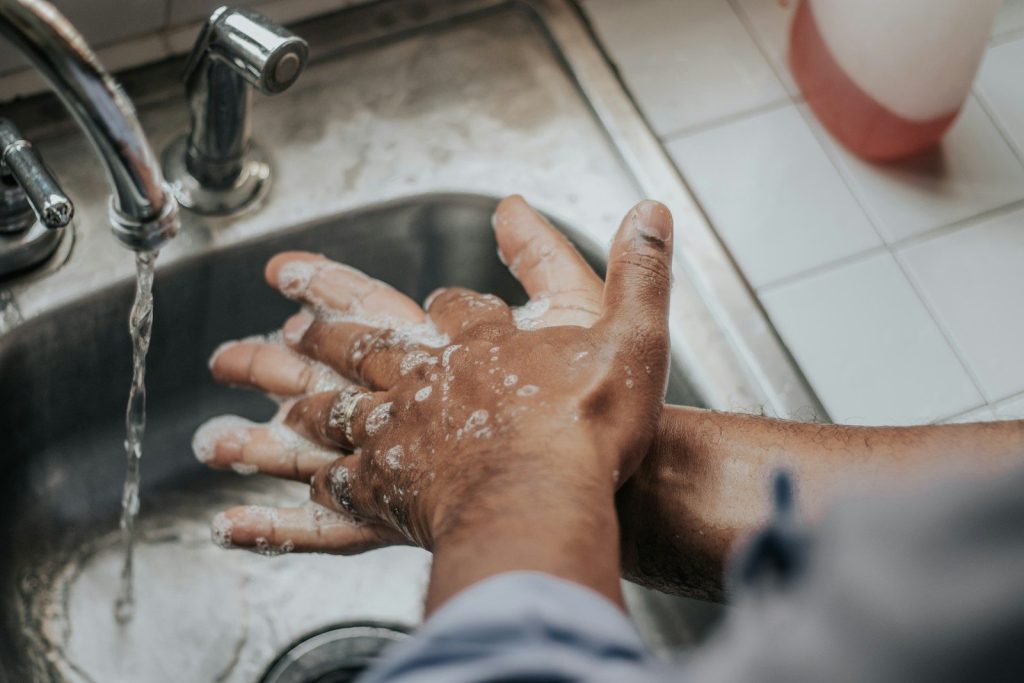
Hand washing does not need to replace every load of laundry, but it is an excellent habit for special pieces that deserve extra care. Spending a few minutes each week can prevent unnecessary wear and keep clothing looking newer.
Over time, this simple routine reduces waste, lowers energy use, and helps you avoid replacing garments before their time. Small household habits like this prove that taking better care of everyday items often leads to meaningful savings without adding much effort.