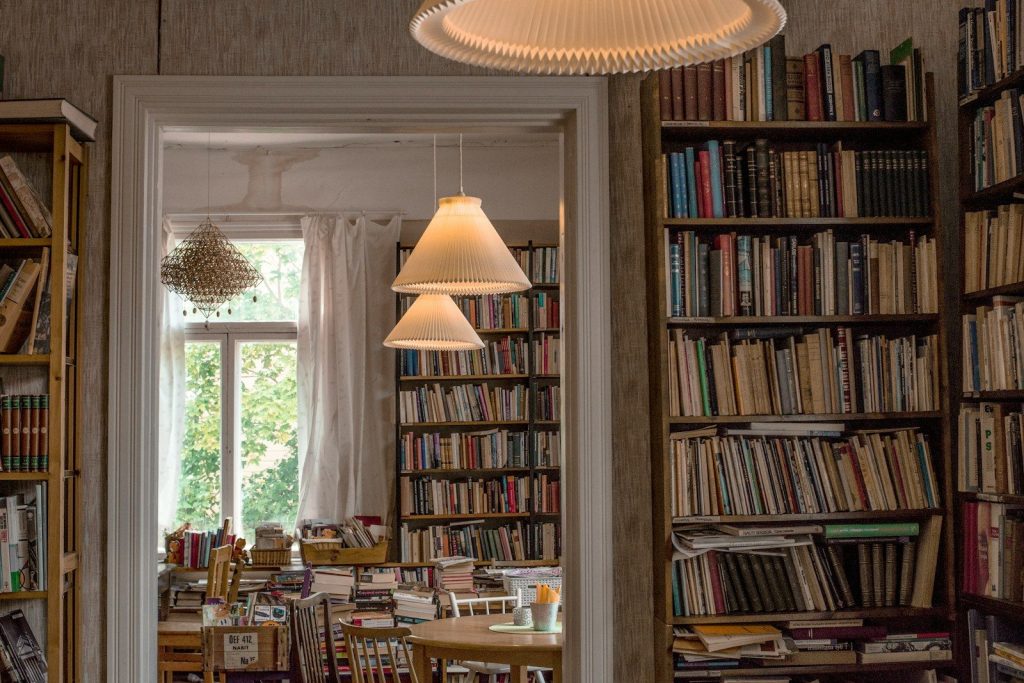

A home library does not require floor-to-ceiling shelves or a dedicated room. With thoughtful planning, even a small corner can become a relaxing retreat for reading, conversation, or quiet evenings at home while making better use of existing furniture.
The best library spaces combine comfort, organization, and personal style without demanding a large decorating budget. These ideas help you create a welcoming area that feels special while staying practical and resourceful.
Start With an Unused Corner
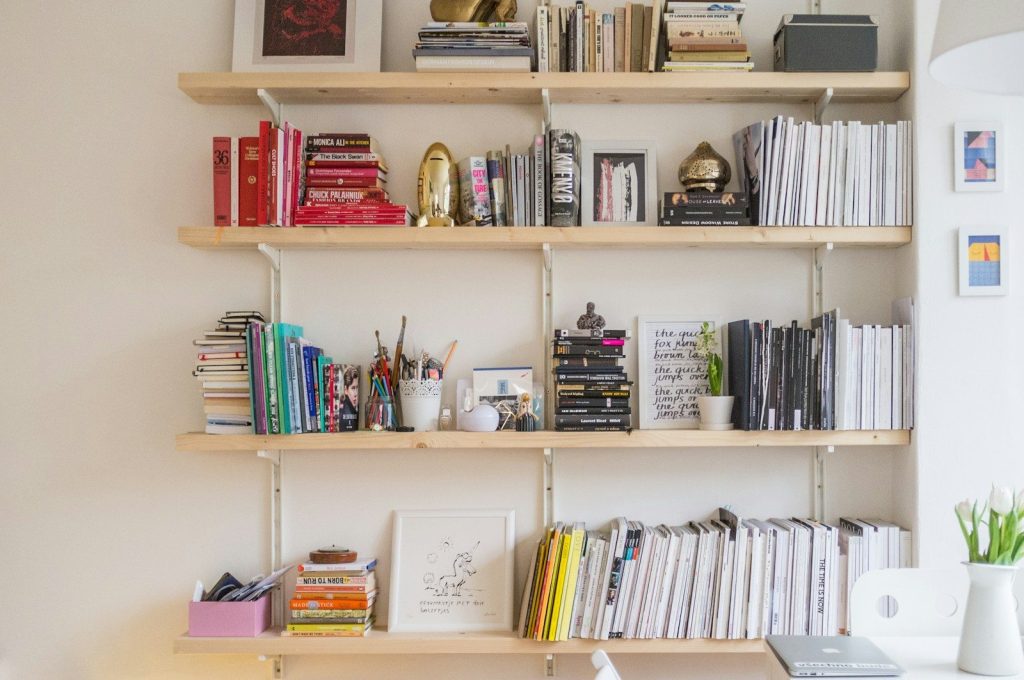
Many homes have overlooked spaces that can become inviting reading areas. A quiet corner in the living room, hallway, or bedroom may be all you need to build a comfortable library nook.
Repurposing existing space saves money and avoids unnecessary renovations. A small area often feels more intimate than a large room when thoughtfully arranged.
Display Books as Part of the Decor
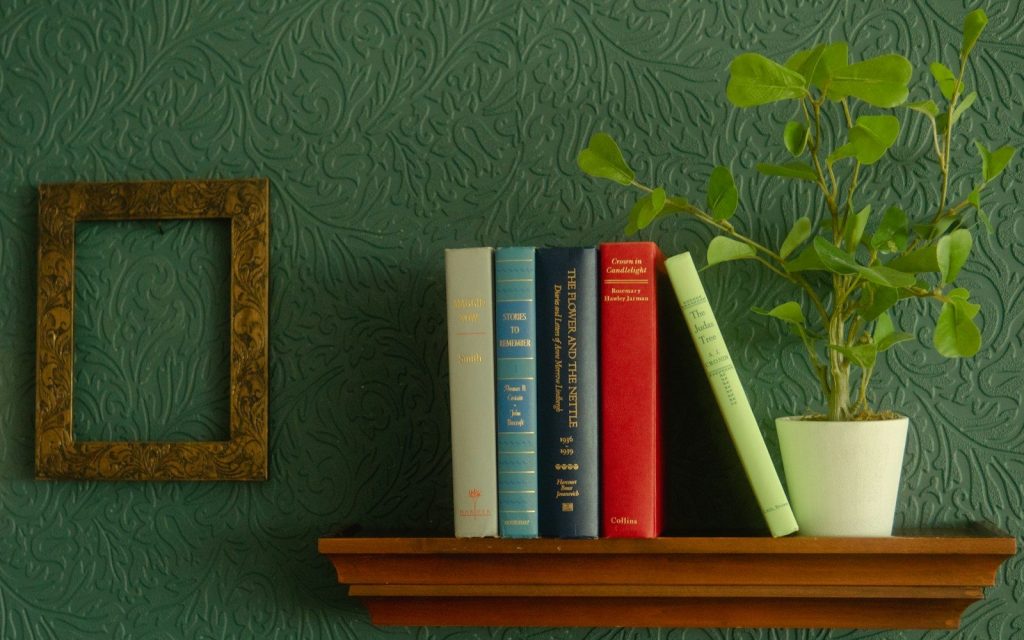
Books can add warmth and personality while serving a practical purpose. Instead of hiding every title away, arrange favorite books by size, color, or theme to create an attractive display.
Mix in framed photos or meaningful keepsakes without overcrowding the shelves. Leaving some open space keeps the collection feeling organized rather than cluttered.
Choose Seating That Invites You to Stay
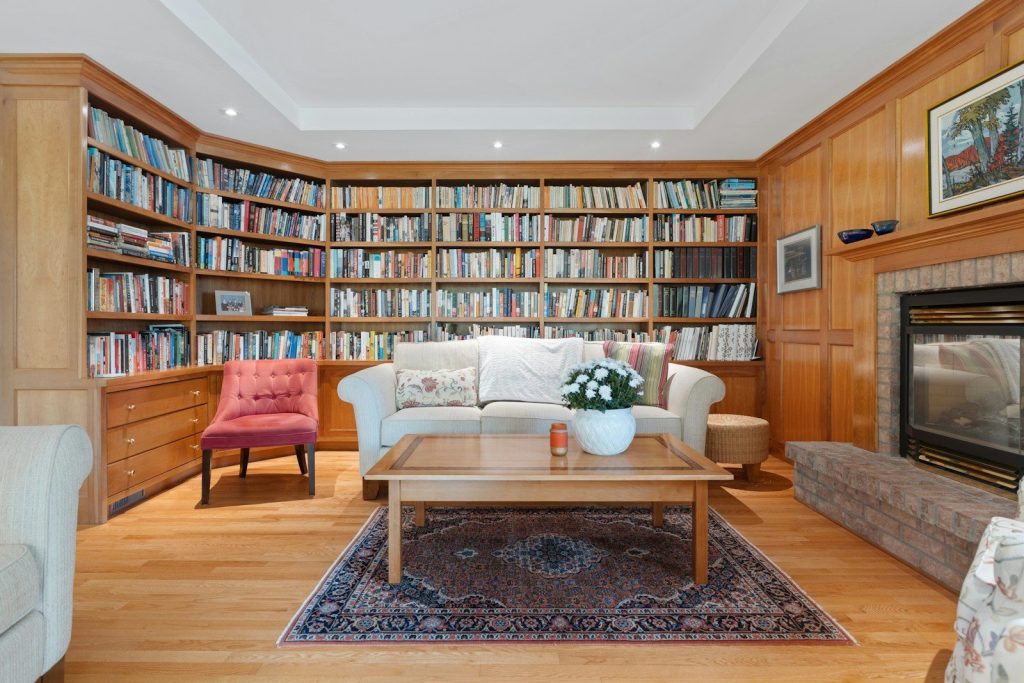
A comfortable chair encourages you to spend more time reading and less time scrolling through screens. Pair it with a small side table so drinks, notebooks, or reading glasses remain within easy reach.
You do not need expensive furniture to create comfort. An existing armchair with a soft throw blanket and supportive cushion can transform the space.
Add Lighting That Sets the Mood
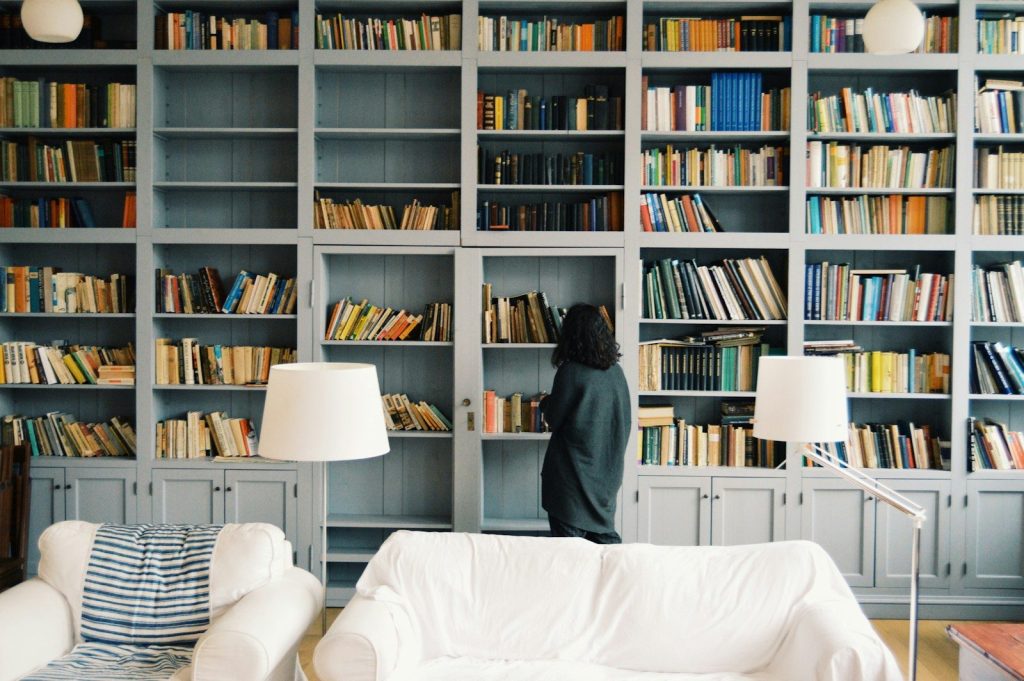
Good lighting makes reading easier while giving the room a welcoming atmosphere. A floor lamp or adjustable table lamp can provide focused light without requiring major electrical updates.
Warm lighting also makes evening reading sessions more relaxing. Choosing energy-efficient bulbs keeps electricity costs lower over time.
Give the Space More Than One Purpose
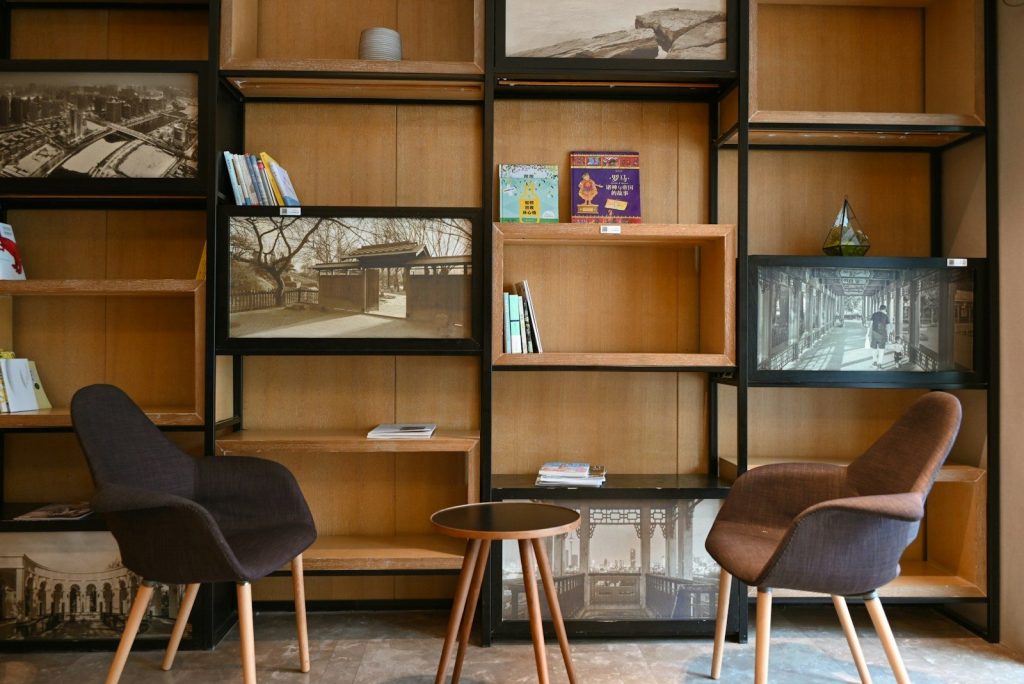
A library corner can become more than a place for books. It can double as a quiet workspace, journaling spot, or peaceful area for enjoying coffee before the day begins.
Making one area serve multiple purposes helps every square foot work harder. This approach is especially useful in smaller homes where flexibility matters.
Keep Favorite Items Within Easy Reach
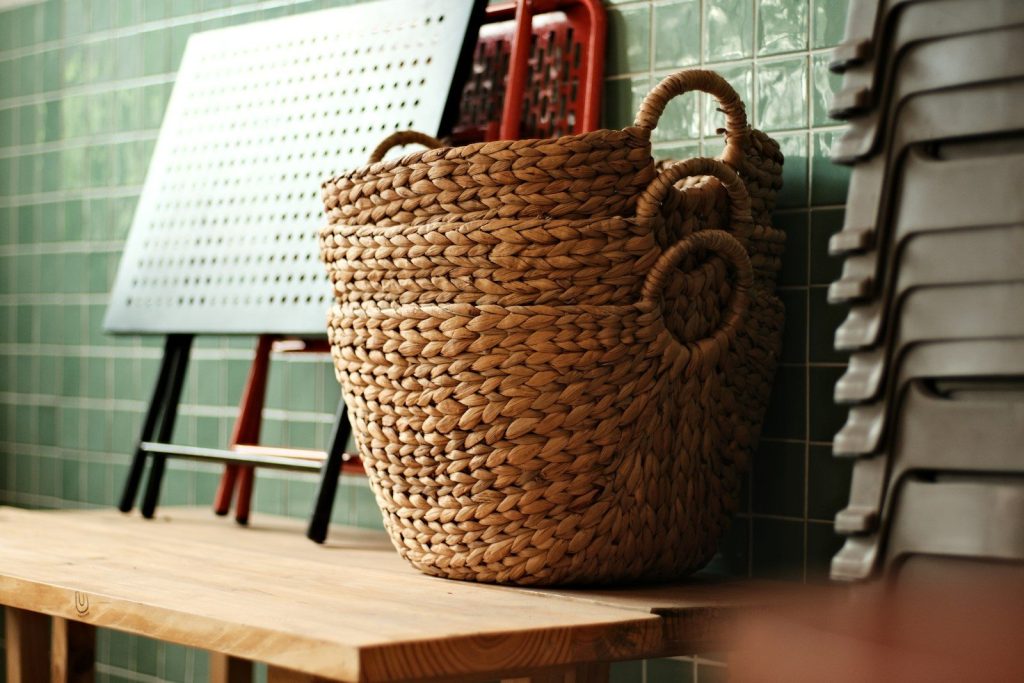
Store bookmarks, notebooks, reading glasses, and charging cables in decorative baskets or small containers nearby. Having everything organized makes it easier to settle into a relaxing routine.
Repurposed boxes, trays, or jars from around the house work just as well as specialty organizers. Simple storage solutions help reduce unnecessary purchases.
Create a Space Worth Sharing

A welcoming library encourages conversations with family and friends. Add an extra chair or stool so guests can comfortably join you for book discussions, board games, or quiet visits.
Keeping refreshments nearby on a small tray or cabinet can make casual gatherings feel effortless. Entertaining at home often costs far less than frequent outings while creating meaningful memories.
Let Your Library Reflect Your Life
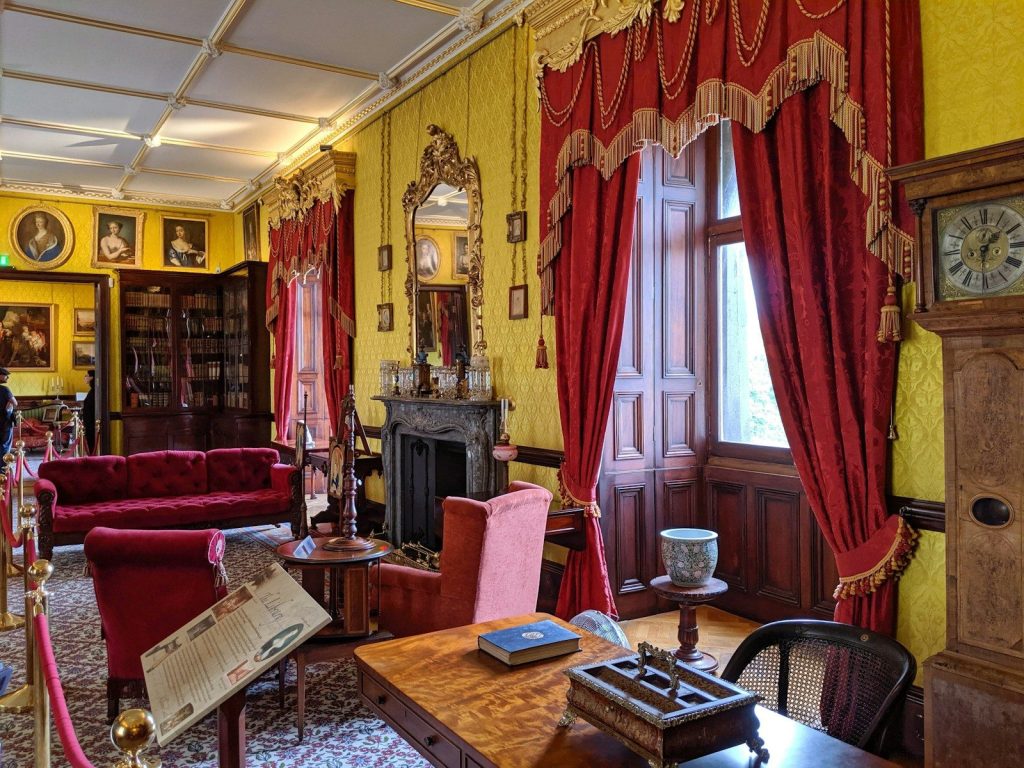
The most memorable home libraries are filled with books, collections, and decorations that tell a personal story. Instead of following every design trend, focus on items that inspire you and fit your daily routine.
Building the space gradually allows you to reuse existing furniture, shop thoughtfully, and avoid unnecessary spending. Over time