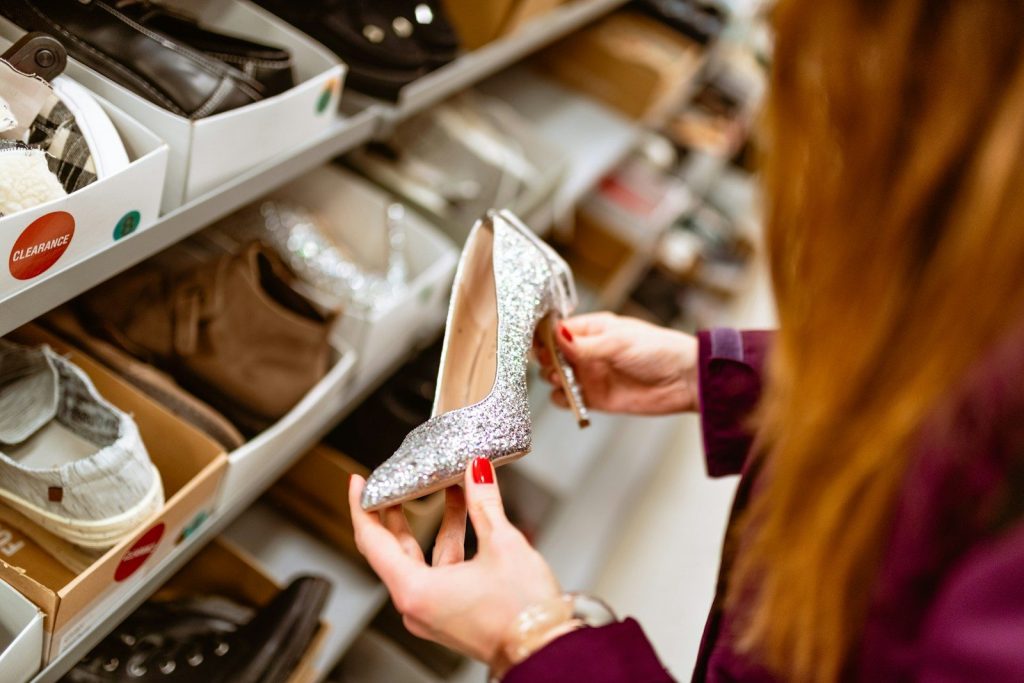

Buying walking shoes is one of those purchases that can either save you money or quietly cost you more over time. A thoughtful choice means better comfort, fewer replacements, and a pair that keeps up with your daily routine instead of wearing out too soon.
You do not have to buy the most expensive shoes to get lasting quality. A few smart shopping habits can help you find dependable footwear that fits your budget while making every walk more enjoyable.
Start With Your Walking Routine

Before looking at brands or prices, think about where you walk most often. Neighborhood sidewalks, shopping centers, parks, and nature trails all place different demands on your shoes.
Matching your footwear to your daily routine helps you avoid paying for features you will never use. It also gives you a better chance of finding shoes that stay comfortable for longer.
Comfort Should Always Come Before Style

A stylish shoe is nice to have, but comfort matters much more after several miles on your feet. Good cushioning and proper support make daily walking feel easier from the very first step.
Try shoes on while wearing the socks you normally use for walking. This simple habit often prevents buying a pair that feels different once you get home.
Shopping During Sales Can Stretch Your Budget
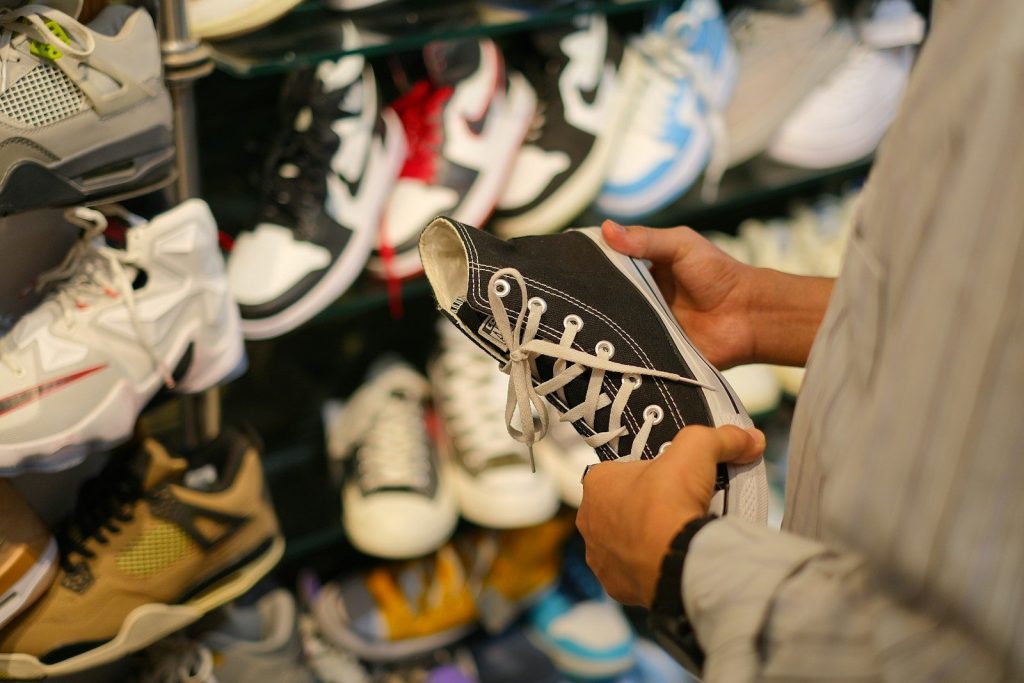
One of the easiest ways to spend less is by watching for seasonal promotions instead of waiting until your current shoes completely wear out. Planning ahead gives you more choices and better prices.
A quality pair purchased on sale can last much longer than a cheaper pair bought in a hurry. Looking beyond the discount tag and considering long-term value usually pays off.
Do Not Judge a Shoe by the Brand Alone

Popular brands often make excellent walking shoes, but every model is different. Even within the same company, one style may suit your feet much better than another.
Instead of buying based on the name, compare comfort, flexibility, and support. Those features have a greater impact on your everyday experience than a familiar logo.
Small Care Habits Can Add Months of Use
Walking shoes last longer when they receive basic care. Brushing away dirt after walks and allowing shoes to dry naturally helps protect the materials from unnecessary wear.
Rotating between two pairs is another simple trick. Giving each pair time to recover between walks helps the cushioning maintain its shape and performance.
Learn When Shoes Have Reached the End
Many people replace shoes only when the fabric starts looking worn. In reality, the support inside often wears out much earlier than the outside suggests.
Check the soles every few weeks for uneven wear and reduced grip. Catching these signs early helps maintain comfort and may prevent unnecessary strain during longer walks.
Spend More Time Comparing Than Buying

The best deal is rarely the first one you see. Comparing prices across several stores often reveals better offers on the same shoe without sacrificing quality.
Reading customer reviews can also highlight details that product descriptions leave out. Real experiences often provide useful clues about sizing, comfort, and long-term durability.
Think About Cost Per Walk Instead of Purchase Price
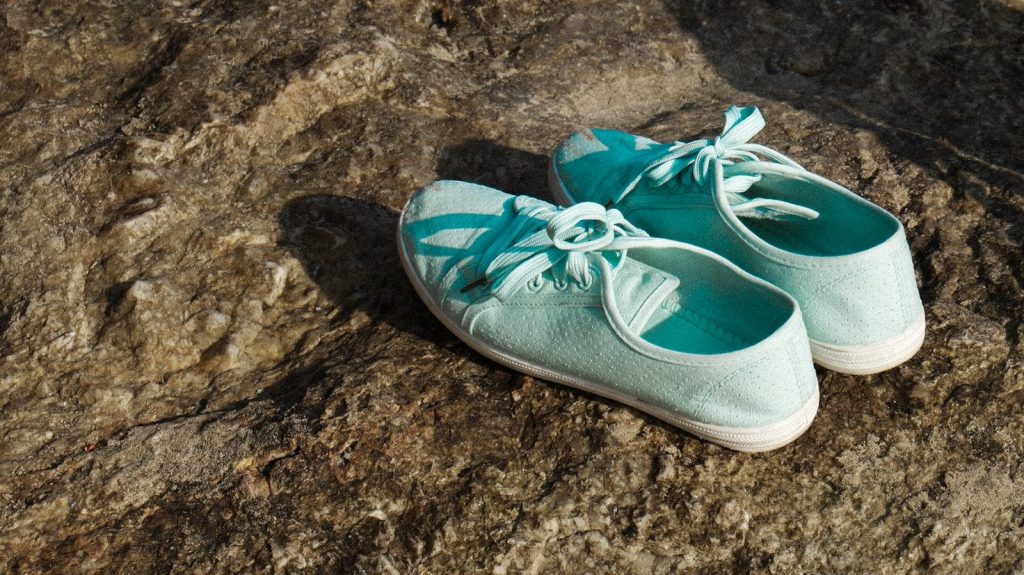
A walking shoe that stays supportive for hundreds of walks usually delivers better value than a cheaper pair that needs replacing much sooner. Looking beyond the initial price changes the way you shop.
Making thoughtful purchases helps you stay active while avoiding unnecessary spending. Smart buying habits today can keep both your feet and your household budget in better shape over time.