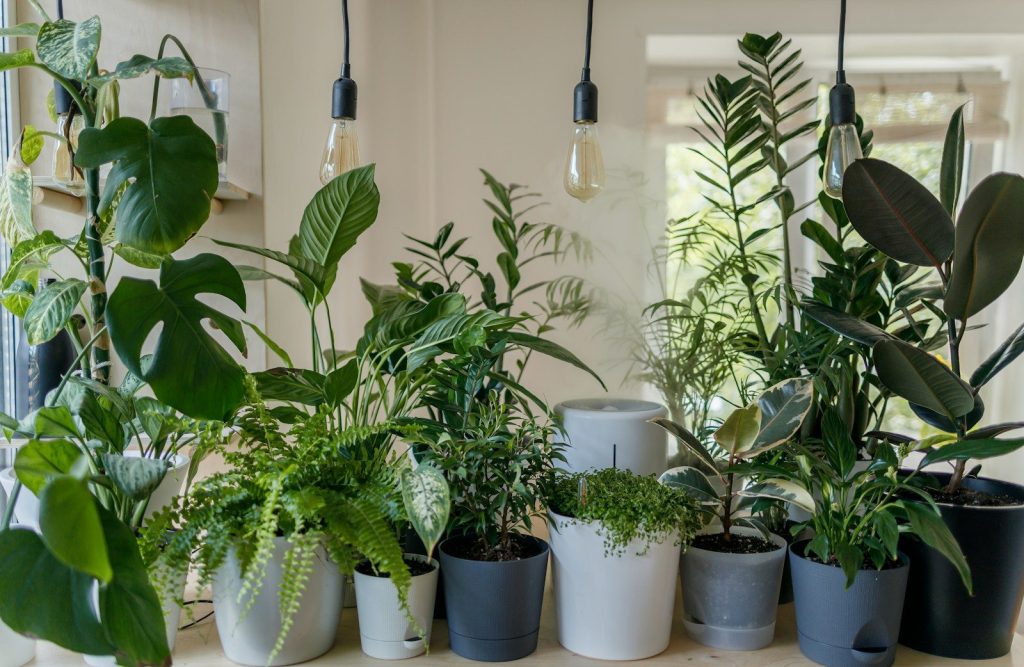

A struggling houseplant does not always need to be replaced. Many common signs of decline come from small care mistakes that are easy to correct once you know what to look for. With a little attention, even plants that seem beyond help can often make a surprising comeback.
Learning how to revive potted plants is not just good for your indoor garden. It also helps you avoid unnecessary spending, reduce waste, and get more value from the plants you already own. Here are eight practical ways to bring fading greenery back to life.
Start With a Careful Plant Check
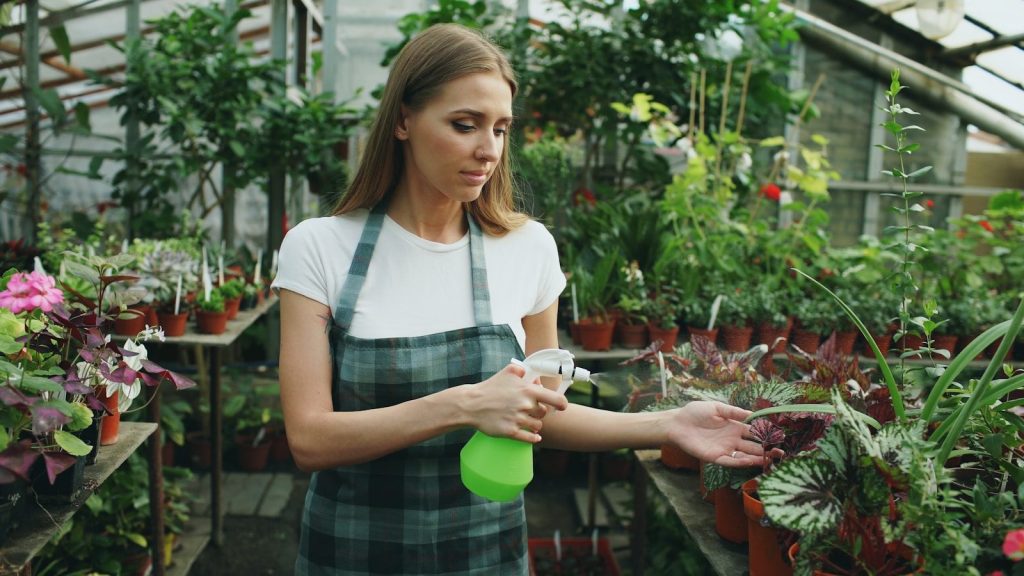
Before changing your routine, spend a few minutes examining the entire plant. Look for yellow leaves, brown edges, soft stems, or signs that the soil stays wet for too long. These clues often point to the real issue instead of leaving you guessing.
Check underneath the leaves as well since tiny pests can hide there without being noticed. Catching a problem early makes it easier to fix and helps prevent the need to replace a favorite plant before it has a chance to recover.
Let the Soil Tell You When to Water
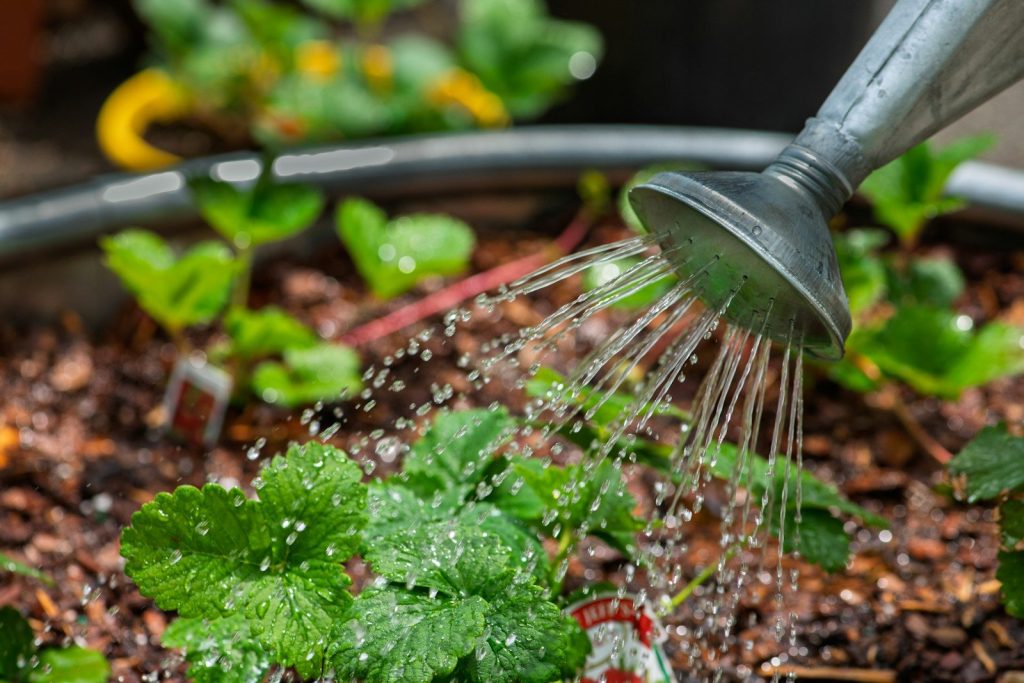
Many people water on a schedule instead of checking what the plant actually needs. Soil that stays constantly wet can weaken roots just as quickly as soil that becomes completely dry.
Press a finger into the top inch of soil before watering. If it still feels moist, wait another day or two. This simple habit saves water, keeps roots healthier, and prevents many of the problems that cause indoor plants to decline.
Refresh Old Soil for New Energy
Potting soil does not stay rich forever. After months of watering, nutrients become depleted, and the soil can become compact, making it harder for roots to grow and absorb moisture evenly.
Replacing some or all of the old soil gives plants a fresh start without costing much. New potting mix improves drainage and provides nutrients that support stronger leaves and healthier growth over time.
Make Sure the Pot Still Fits
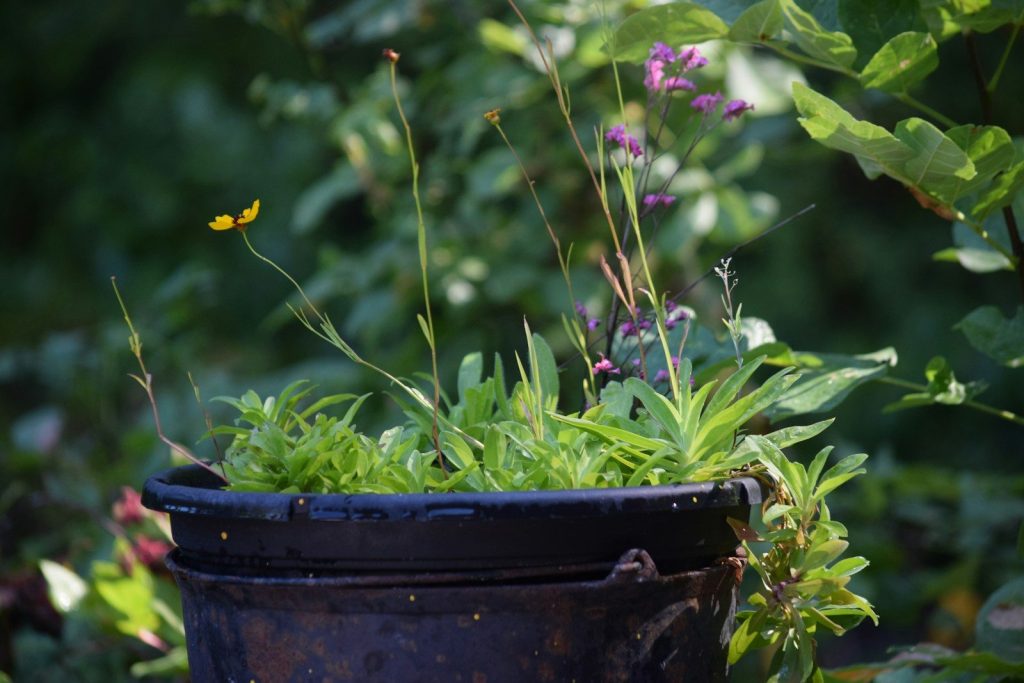
As plants grow, their roots eventually fill every available space inside the container. When roots become crowded, water and nutrients move less efficiently, leaving the plant looking tired even with regular care.
Look for roots growing through drainage holes or wrapping around the root ball. Moving the plant into a slightly larger container gives those roots room to spread and often leads to noticeable improvement within weeks.
Trim Away Damaged Growth
Dead leaves and broken stems do more than affect appearance. They also take away energy that the plant could use to produce healthy new growth.
Use clean scissors to remove dry or damaged parts without cutting healthy stems. Regular pruning helps plants focus their energy where it matters most and gives them a cleaner, fresher look at the same time.
Give Your Plant Better Light
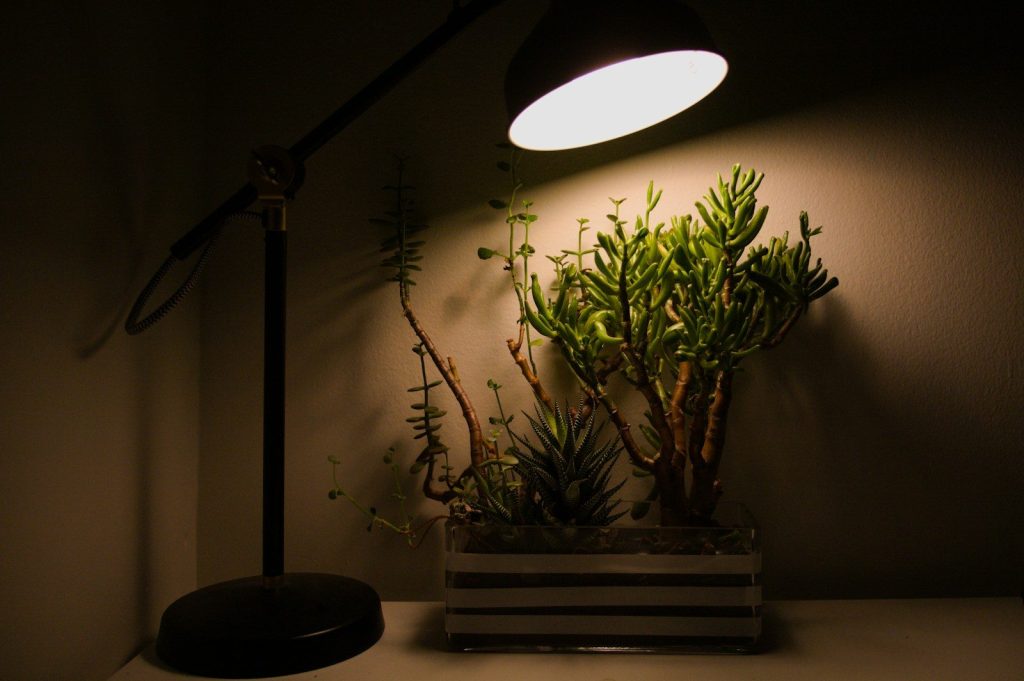
Even healthy watering habits cannot make up for poor lighting. Some plants need bright indirect light while others perform better in gentle shade, so matching the location to the plant makes a real difference.
If your plant has stopped growing or looks stretched, try moving it to another spot for a few weeks. A better balance of light often encourages fuller leaves without requiring expensive products or complicated care.
Feed With Care Instead of Guessing
Fertilizer supports healthy growth, but more is not always better. Feeding too often can overwhelm stressed plants and create new problems instead of solving existing ones.
Choose a balanced fertilizer during the active growing season and follow the recommended amount. A careful approach gives plants the nutrients they need while helping you avoid wasting products through unnecessary use.
Build Simple Habits That Keep Plants Thriving
Once a plant begins recovering, consistent care is the key to keeping it healthy. Small weekly checks make it easier to catch changes before they become serious problems.
Take a few minutes to inspect leaves, rotate pots for even light, and remove faded growth when needed. These simple routines help your plants stay healthy longer, reduce household waste, and save money by making every plant last.