

Stress does not always announce itself with obvious warning signs. Sometimes it appears through small physical changes that are easy to dismiss as part of a busy schedule, leaving people to wonder why they never quite feel their best.
Learning to recognize these signals early can make daily life easier. Better yet, many helpful habits cost little or nothing, making them practical ways to improve your routine while staying true to a Saving Savers lifestyle.
Frequent Headaches That Keep Returning

Recurring headaches are often blamed on screens or lack of sleep, but stress can also tighten muscles around the neck and scalp. That tension may build gradually until even simple tasks become uncomfortable.
Instead of immediately buying new products, begin with affordable daily habits. Drinking enough water, taking short stretch breaks, and stepping away from screens for a few minutes can ease built-up tension while keeping your routine simple.
Tight Shoulders That Never Feel Comfortable

Many people carry stress across their shoulders without realizing it. Hours spent working, driving, or even scrolling on a phone can leave muscles feeling stiff long after the day is over.
A rolled towel works well for gentle stretching, saving money on specialty equipment. Regular movement throughout the day can also prevent stiffness before it becomes harder to manage.
Digestive Changes That Seem Random

Stress does not only affect your mood. It can also influence digestion, making some days feel completely different from others without any obvious reason.
A basic notebook can become a useful tool for tracking meals and daily stress levels. Spotting patterns may help you avoid unnecessary purchases while making smarter decisions about your everyday habits.
Sleep That Never Feels Restful

Feeling exhausted but struggling to sleep can sometimes point to ongoing stress. Even when your body is tired, your mind may stay active long into the evening.
Simple evening routines often work better than expensive gadgets. Reading a book, lowering the lights, and putting away electronic devices before bedtime can create a calmer environment without increasing household expenses.
Small Problems Suddenly Feel Overwhelming
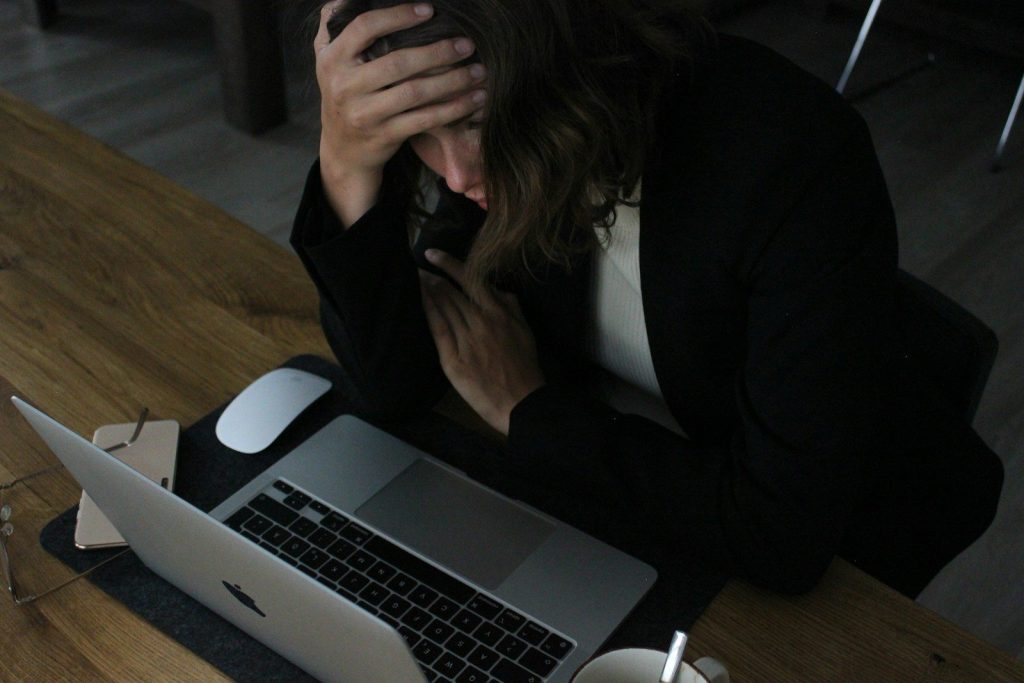
When stress builds over time, even minor inconveniences may seem much bigger than they really are. Misplacing your keys or dealing with traffic can feel surprisingly frustrating.
One helpful habit is restoring a sense of order at home. Organizing a single drawer or clearing one countertop can reduce visual clutter while making your daily routine more efficient.
Forgetting Everyday Tasks More Often

Walking into a room and forgetting why you went there happens to everyone. When stress becomes constant, however, memory and focus often become less reliable.
Simple organization systems make everyday life easier. Keeping a shopping list, storing important items in one place, and using a reusable calendar can reduce mental overload while helping avoid unnecessary repeat purchases.
Unexpected Changes in Your Skin

Your skin sometimes reflects what is happening inside your body. Stress may contribute to dryness, irritation, or occasional breakouts, even if your skincare routine has not changed.
Before spending money on new beauty products, focus on basic habits first. Drinking water, cleaning makeup brushes regularly, and following a gentle routine are practical ways to support healthy skin without increasing your budget.
Constant Fatigue Even After Rest

Feeling worn out despite getting enough sleep can be another quiet sign that stress is affecting your daily life. When your body remains under pressure for long periods, your energy may never seem fully restored.
Sometimes the smartest solution is simplifying instead of adding more. Preparing meals at home, protecting quiet time, and reducing unnecessary commitments can help you save time, lower everyday expenses, and create a routine that feels more balanced.