

Many people say raising children feels more expensive than ever, and much of the conversation focuses on rising prices. Yet another change receives far less attention. Many of the everyday habits that once helped families share costs have gradually disappeared.
Recent discussions about whether modern life is built mainly for the wealthy raise an interesting question. Instead of only asking why parenting costs more, it may be worth asking which practical traditions quietly made it easier in the first place.
Baby Items Were Once Shared, Not Replaced

Previous generations rarely expected every child to have brand new swings, strollers, bassinets, or toys. Families borrowed, traded, and passed along items until they genuinely wore out.
Today, many parents feel pressure to start from scratch. Accepting quality hand-me-downs or neighborhood swaps can save hundreds while reducing perfectly usable waste.
Children’s Clothes Had More Than One Life
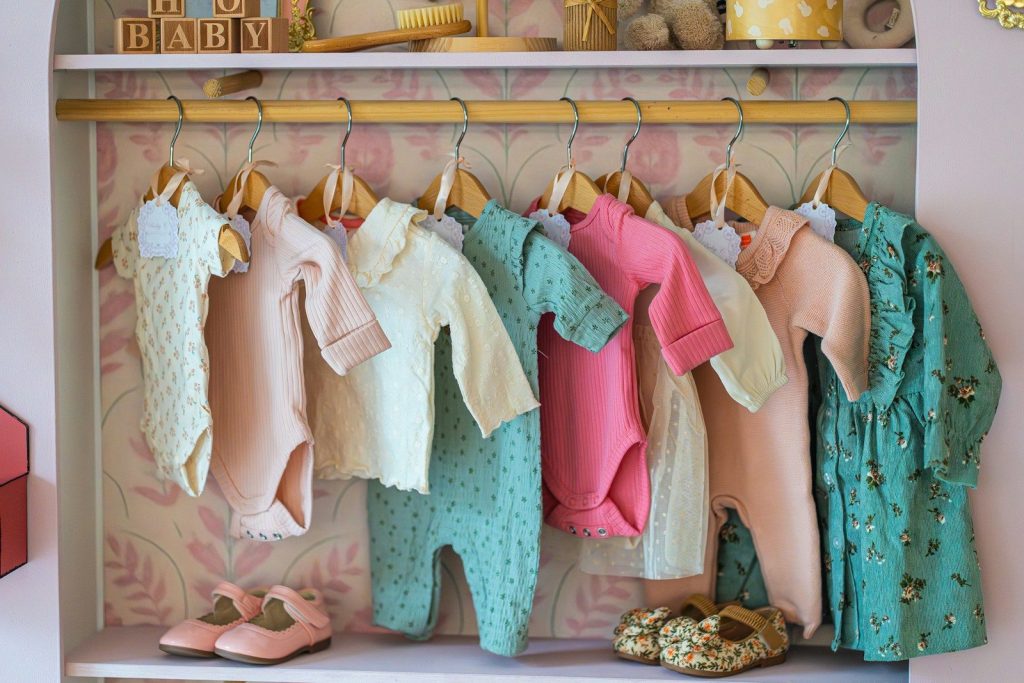
A jacket often belonged to several cousins before finally reaching the donation pile. Parents repaired small tears, replaced buttons, and adjusted hems instead of shopping every season.
Learning a few basic sewing skills can extend children’s clothing surprisingly well and reduce impulse purchases throughout the year.
Communities Once Shared the Work of Raising Kids

Grandparents, neighbors, relatives, and trusted friends often helped with school pickups, occasional childcare, or meal sharing. These informal support systems reduced both costs and stress.
While every family looks different today, rebuilding even a small network of trusted helpers can ease everyday pressures without requiring expensive services.
Celebrations Focused More on Togetherness Than Perfection
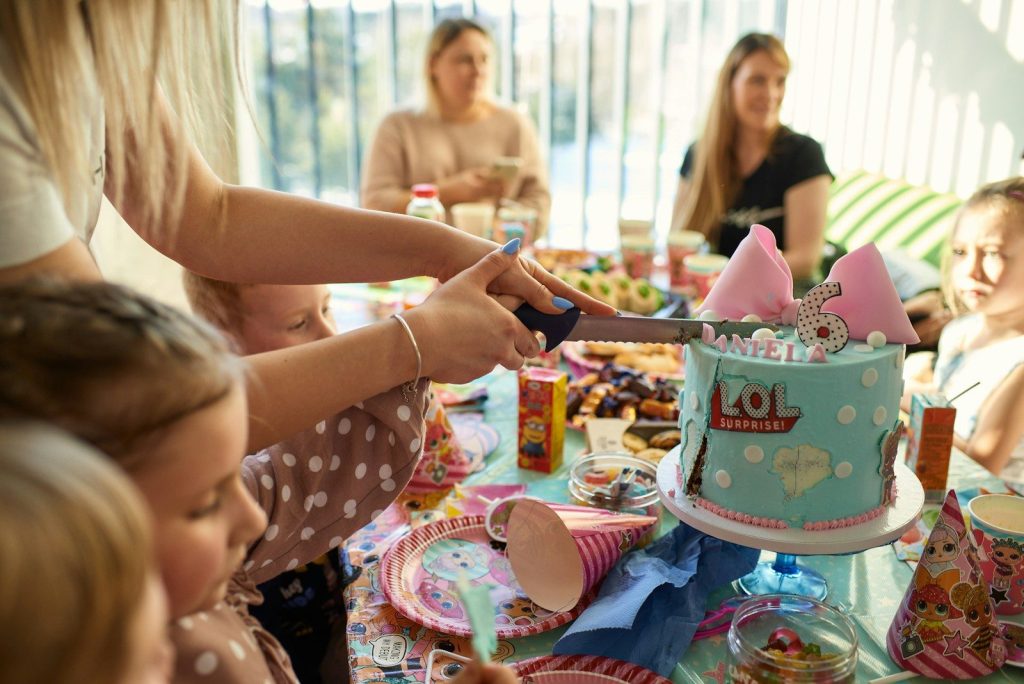
Birthday parties once centered around homemade cakes, backyard games, and borrowed decorations. Children usually remembered the fun rather than the price tag.
Choosing meaningful experiences over elaborate themes allows families to celebrate generously without overspending on details that disappear after one afternoon.
Skills Replaced Many Purchases
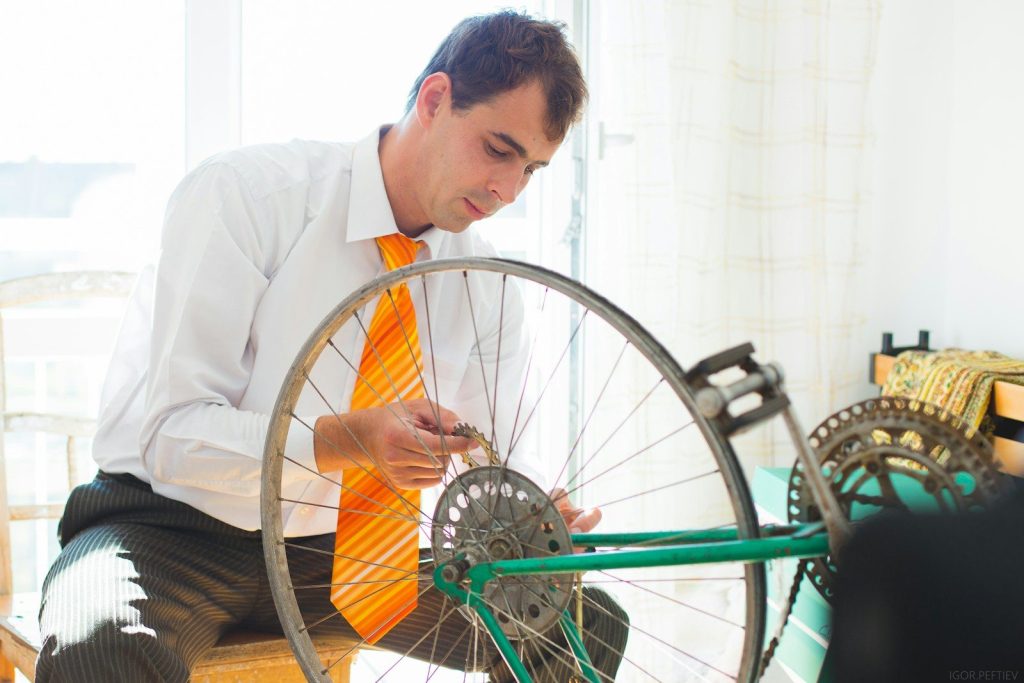
Parents often repaired bicycles, built simple furniture, canned seasonal produce, or fixed broken toys instead of replacing everything immediately. Those practical abilities quietly stretched family budgets.
Even learning one new household skill each year can reduce long-term expenses while creating confidence that money cannot easily buy.
Children Learned That Everything Had Value
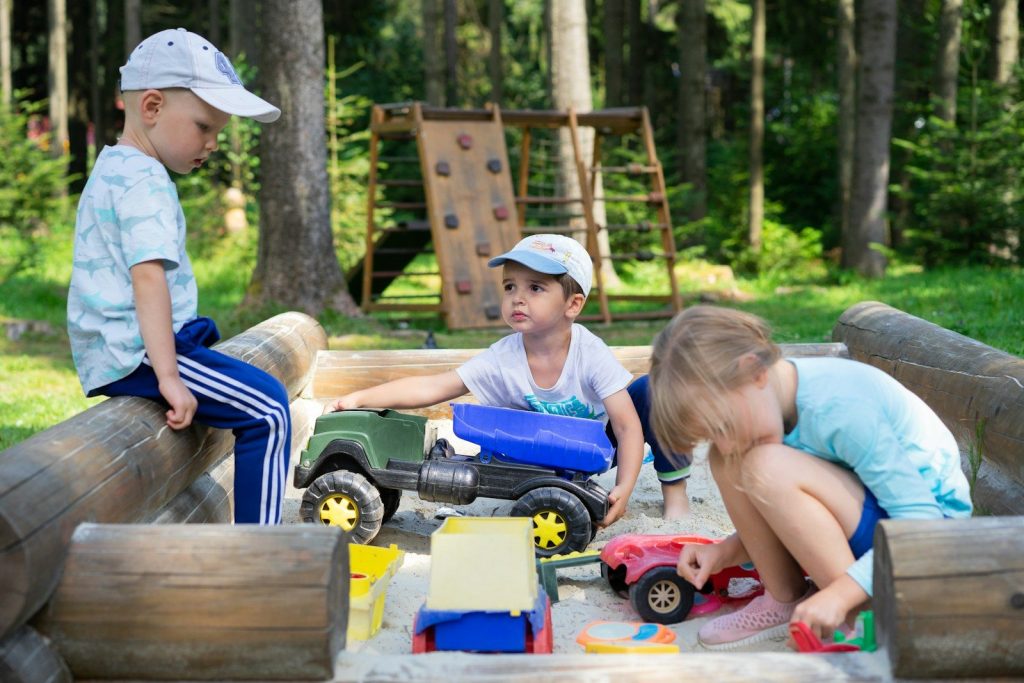
Instead of replacing damaged belongings, families encouraged children to care for what they already owned. Toys were repaired, books were protected, and school supplies lasted until they truly needed replacing.
These habits not only saved money but also taught responsibility through everyday routines rather than lectures.
Convenience Slowly Became the Default

Modern families save time through delivery services, disposable products, and countless subscriptions. Each choice feels small, yet together they quietly increase the cost of daily life.
Identifying just a few conveniences that add little real value can free up money for experiences that matter much more.
Looking Back Can Help Families Move Forward

The conversation about why many people feel they cannot afford children often focuses on economic pressures, and those challenges are very real. Yet history also reminds us that strong communities, practical skills, and shared resources once softened many everyday expenses.
Bringing back even a handful of those habits will not solve every financial challenge, but they can make family life feel more manageable while keeping the Saving Savers spirit of resourcefulness alive.