

Every day, experts debate economic warning signs that could shape the future, from rising prices to changing consumer habits. While those headlines matter, the first place many financial problems begin is much closer to home, inside the routines and spaces we rarely question.
Think of your home as its own small economy. Every appliance, grocery trip, utility bill, and daily habit either strengthens your household budget or quietly drains it, often long before you notice the impact.
Every Household Has Its Own Economic Signals

National economies reveal trouble through patterns that appear gradually rather than all at once. Your home behaves much the same way, sending subtle signals before everyday expenses begin to feel overwhelming.
A grocery bill that keeps creeping upward, food expiring before anyone eats it, or a growing collection of unused purchases can all point to habits worth revisiting. Spotting these changes early is often easier than fixing the consequences later.
Small Repairs Rarely Stay Small
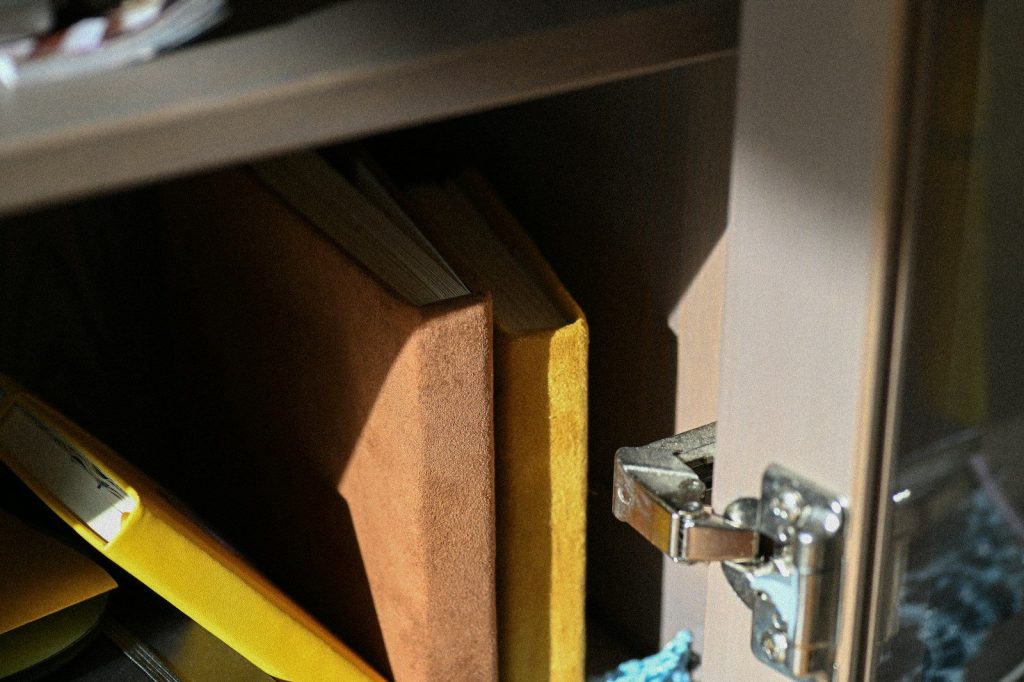
Large repair bills often begin with problems that seemed too minor to address. A dripping faucet, loose cabinet door, or squeaky appliance may feel easy to ignore because everything still works well enough.
Those tiny issues usually become more expensive with time. Spending a few minutes on basic maintenance today can prevent a much larger bill from arriving months later.
When Convenience Quietly Rewrites Your Budget

One takeout order or delivery fee rarely changes a household budget. The challenge comes when convenience becomes an automatic response instead of an occasional treat.
Cooking simple meals before busy days or combining errands into one trip reduces both spending and wasted time. Small adjustments often create savings without making life feel restrictive.
A Full Pantry Can Still Signal Waste

A pantry packed with groceries looks reassuring, yet it can hide one of the most common household money leaks. Forgotten ingredients often expire while new ones continue filling the shelves.
Before shopping, build meals around what you already own. Using older ingredients first keeps food moving through your kitchen instead of quietly becoming waste.
Utility Bills Tell a Story If You Read Them

Many people pay their monthly bills without comparing them to previous months. Small increases often feel insignificant, making it easy to miss changes that slowly become part of everyday spending.
A rising electricity or water bill may point to worn appliances, hidden leaks, or changing habits. Paying attention to those patterns gives you the chance to respond before higher costs become your new normal.
Clutter Is Sometimes a Financial Warning

Clutter does more than fill shelves and closets. It often hides duplicate purchases because people forget what they already own or cannot find it when they need it.
Taking time to organize one area at a time makes everyday items easier to see and use. That simple habit can reduce unnecessary shopping while helping your home work more efficiently.
The Most Expensive Habits Are Usually the Quietest

Household budgets are rarely affected by one dramatic purchase alone. More often, they are shaped by small recurring choices that feel too ordinary to question.
Unused subscriptions, impulse purchases at checkout, and products bought for convenience instead of necessity can slowly reshape a budget. Reviewing these habits every few months helps keep spending aligned with what truly adds value.
The Best Time to Notice a Warning Is Before It Becomes a Problem

Economists look for early signals because small changes often reveal larger trends ahead. Your household deserves the same attention, since everyday routines can reveal opportunities to save long before a financial setback occurs.
Viewing your home as its own economy changes how you make decisions. When you notice the quiet warning signs, care for what you already have, and make thoughtful adjustments, you create a household that is more efficient, less wasteful, and better prepared for whatever comes next.