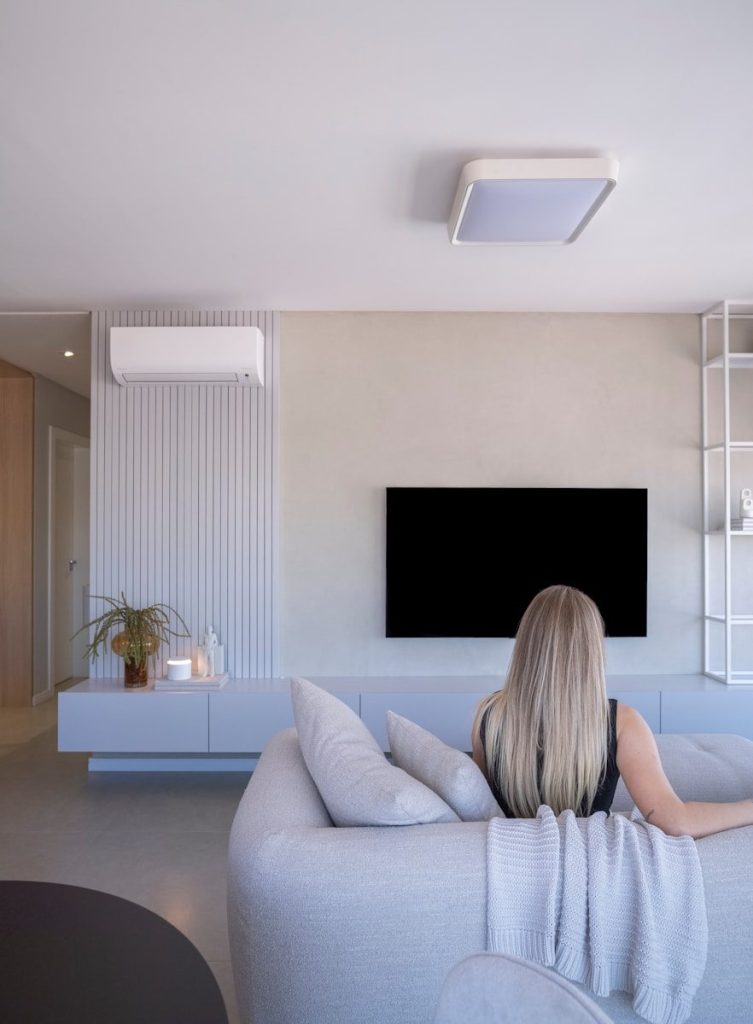

When forecasts warn about prolonged periods of extreme heat, most people immediately think about running the air conditioner longer. That works, but it is not always the only or most affordable solution.
As weather experts warn that intense heat domes can place extra strain on homes and energy bills, a few simple changes around the house can make indoor spaces noticeably more comfortable while helping reduce unnecessary electricity use.
Your Windows Can Either Trap Heat or Block It
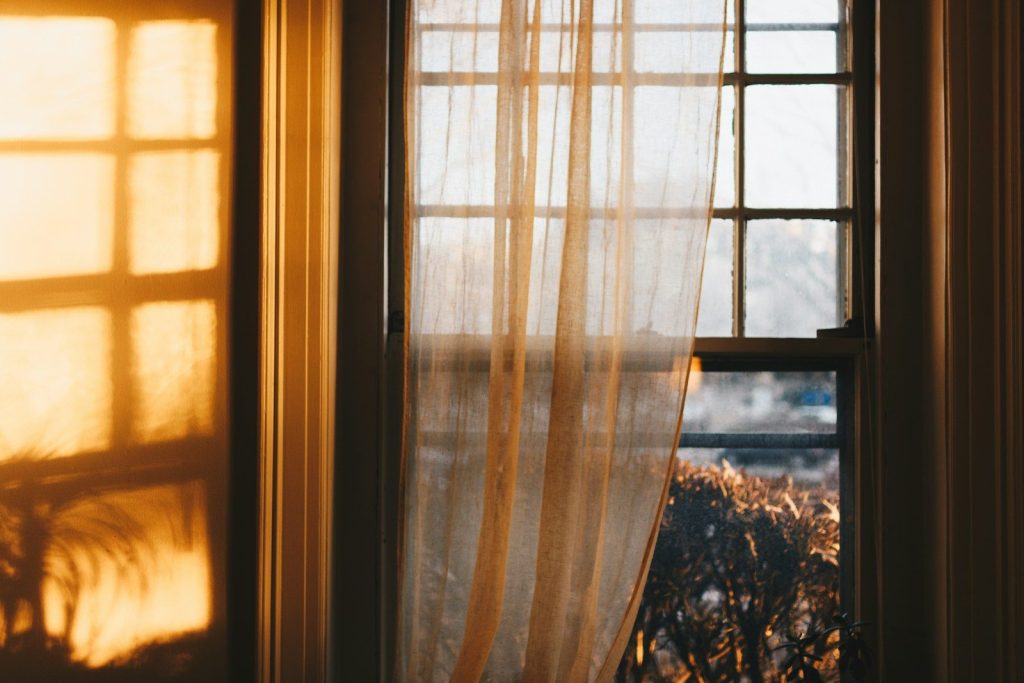
Sunlight streaming through uncovered windows acts like a slow heater throughout the day. South and west-facing windows usually contribute the most unwanted warmth.
Closing curtains or reflective blinds before the hottest hours begin keeps indoor temperatures steadier and reduces how hard cooling systems need to work.
Cook Earlier Than You Normally Would
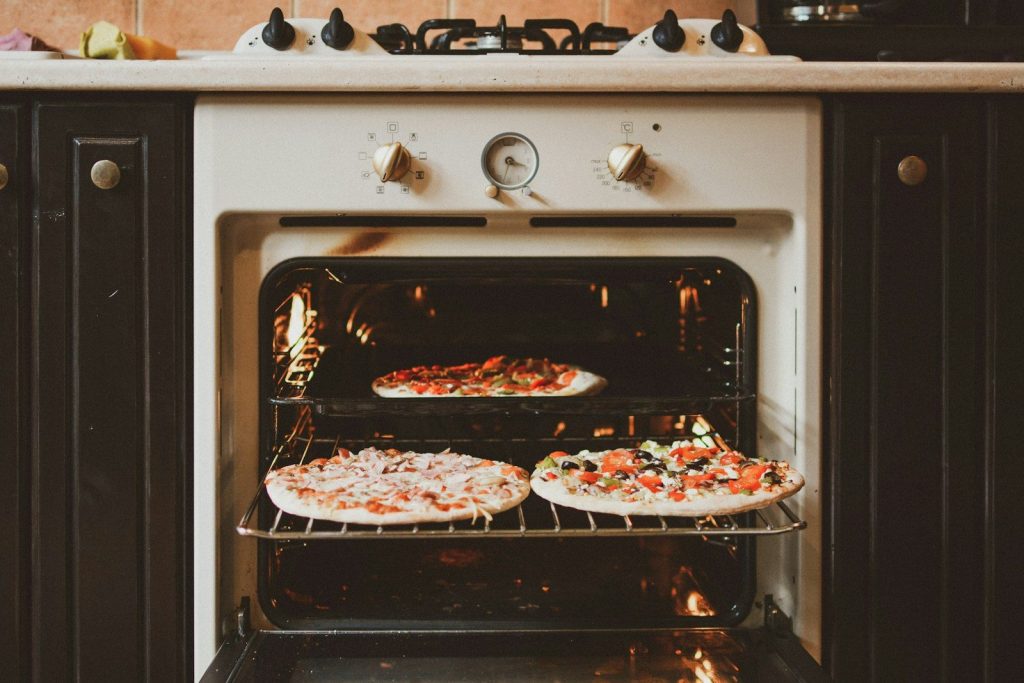
An oven running during the afternoon can raise kitchen temperatures faster than many people realize. That extra warmth often spreads throughout nearby rooms.
Preparing meals in the morning or using a slow cooker, microwave, or outdoor grill keeps the house cooler while reducing the need for extra cooling later.
Turn Ceiling Fans Into Cooling Partners
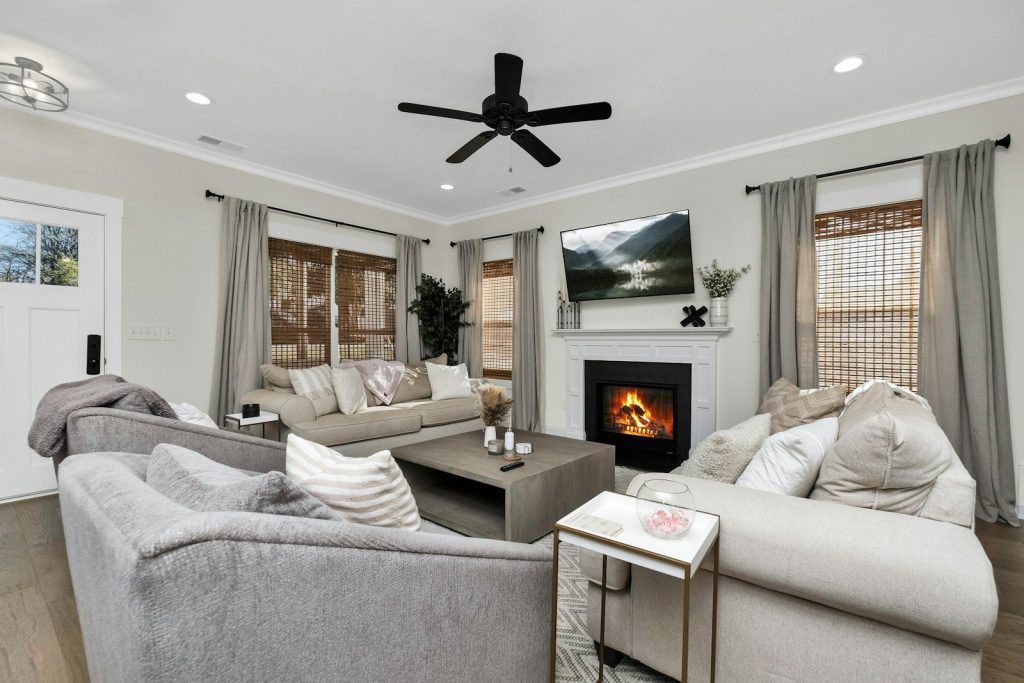
Many homeowners assume ceiling fans lower the room temperature. In reality, they cool people by moving air across the skin rather than chilling the room itself.
Running fans only while rooms are occupied saves electricity and makes air conditioning feel more effective without lowering the thermostat further.
Give Your Refrigerator Some Breathing Room
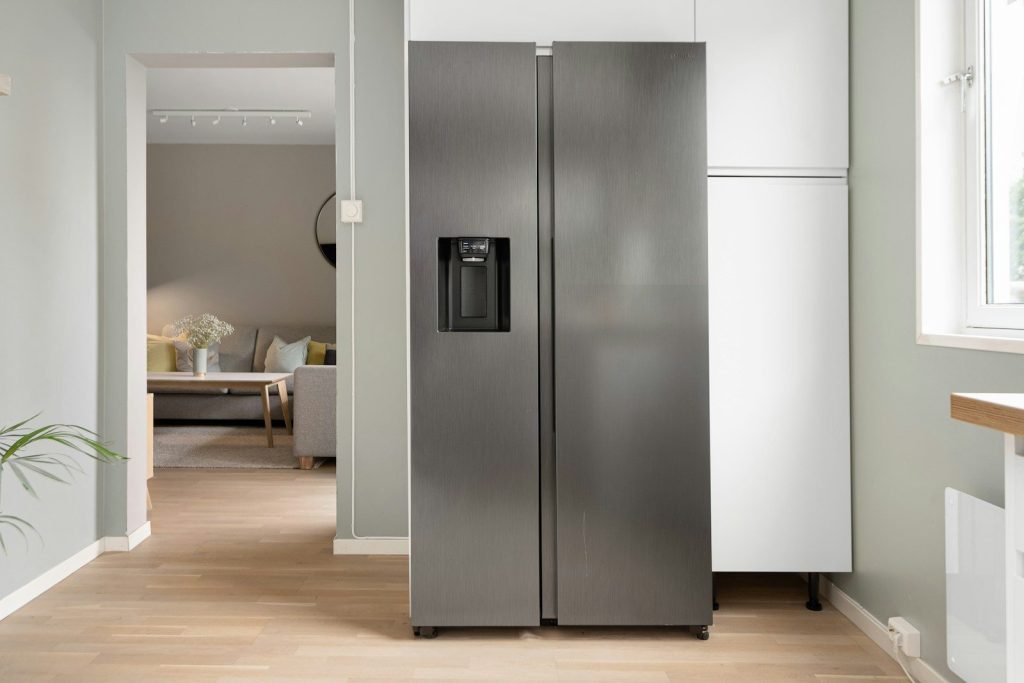
Appliances quietly release heat while operating. A refrigerator pushed tightly against the wall has to work harder because warm air cannot circulate properly.
Leaving a small amount of space behind large appliances improves efficiency and can slightly reduce both heat buildup and energy use over time.
The Right Bedding Makes Summer Nights Easier

Heavy blankets often stay on beds long after temperatures rise. Swapping them for lightweight cotton sheets creates a cooler sleeping environment without changing the thermostat.
Better sleep also makes hot days feel more manageable, especially during stretches of extreme weather.
Create Shade Before the Sun Arrives

Temporary shade often works better than people expect. Patio umbrellas, outdoor curtains, climbing plants, or strategically placed shade cloth can reduce direct sunlight entering windows.
Blocking heat outside is usually more effective than trying to remove it once it has already entered the home.
Small Daily Habits Add Up During Long Heat Spells
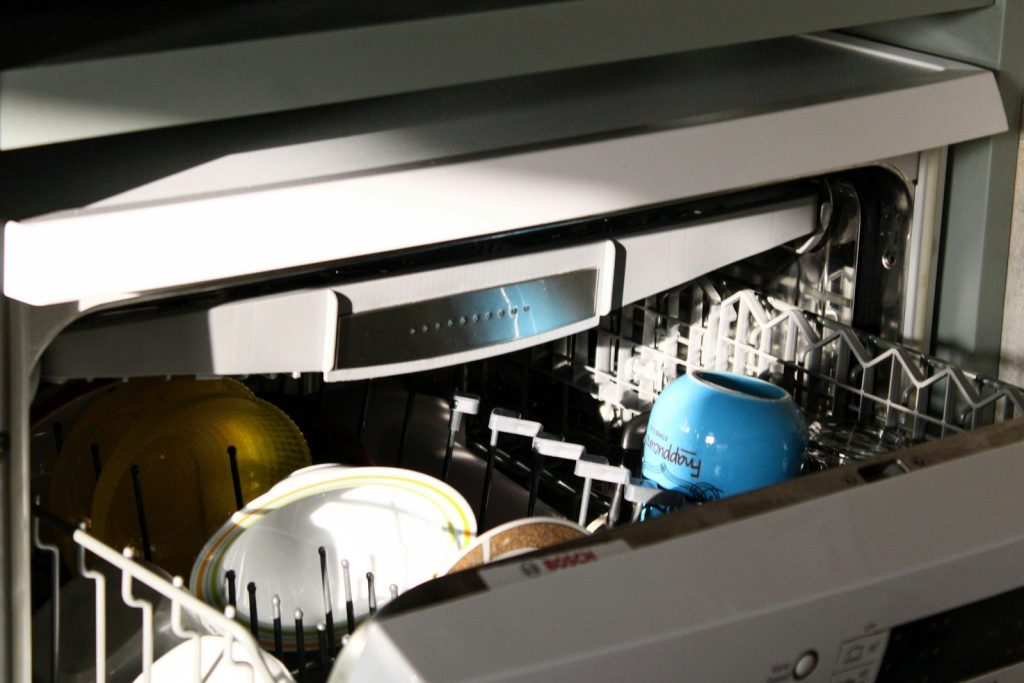
Turning off unused lights, unplugging electronics, and running dishwashers or laundry machines after sunset all reduce unnecessary indoor heat.
Each change may seem minor on its own, yet together they create a home that feels noticeably cooler during extended periods of high temperatures.
Prepare Before the Forecast Becomes Reality
Meteorologists are warning that multiple heat domes could bring unusually intense temperatures to parts of the country. Waiting until the hottest day arrives often means higher energy use and greater discomfort.
Preparing your home in advance with a handful of practical adjustments helps protect your comfort, lowers cooling costs, and makes every hot spell easier to manage without relying solely on air conditioning.