

It is easy to admire impressive homes, luxury cars, or successful careers while overlooking the routines that helped build them. The most valuable habits are usually the quiet ones that happen long before anyone notices the results.
Many of these habits have nothing to do with earning millions. They are simple choices that help people spend with purpose, care for what they own, and make everyday life run more smoothly.
Successful People Often Repeat Ordinary Routines
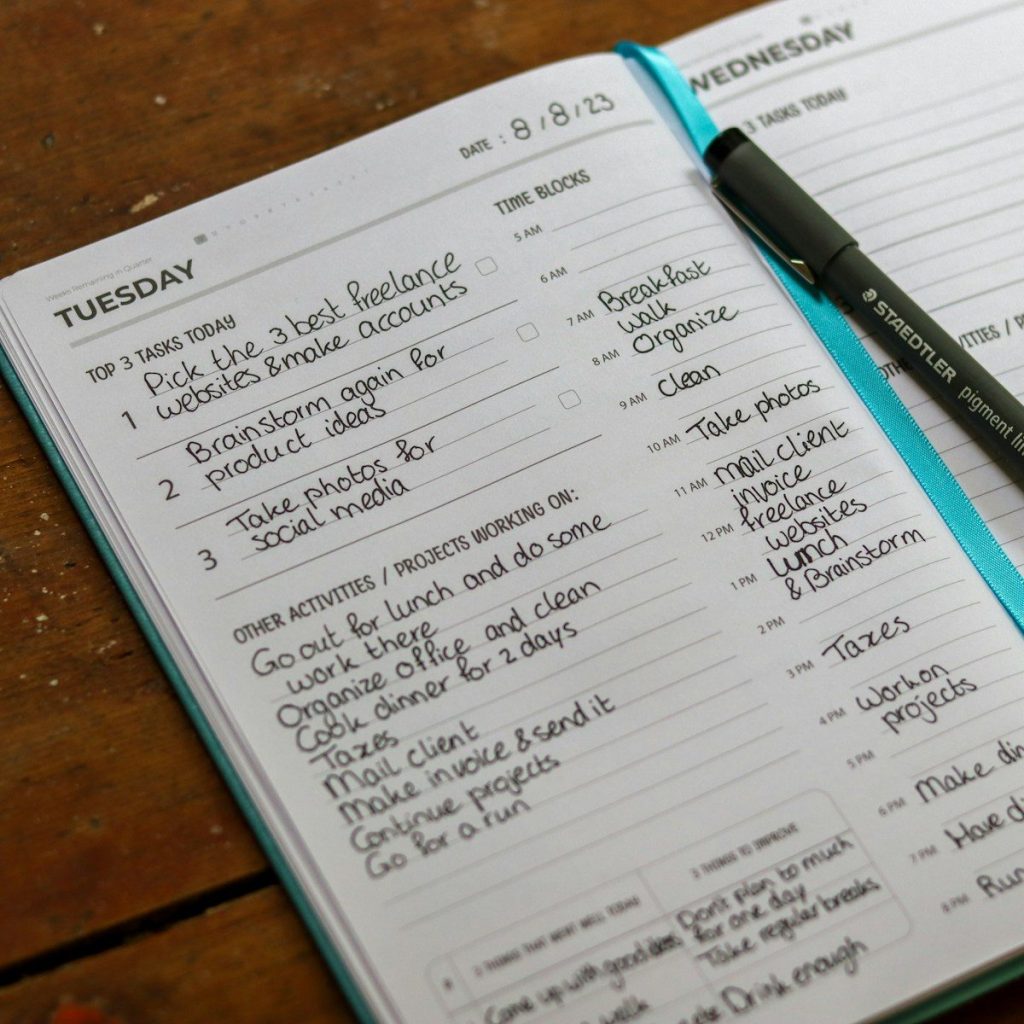
People tend to associate wealth with major achievements, yet many successful individuals rely on small routines repeated consistently over time. Preparing for the next day, organizing important tasks, or planning meals may not look impressive, but these habits reduce unnecessary stress and impulsive decisions.
A predictable routine also saves money in subtle ways. When your day has structure, you are less likely to rely on expensive convenience, forgotten purchases, or last-minute solutions.
They Spend Time Maintaining What They Already Own

Luxury is often associated with buying new things, but lasting value usually comes from caring for existing ones. Shoes last longer when cleaned regularly, kitchen knives work better when sharpened, and appliances perform more efficiently when maintained.
Looking after everyday belongings is one of the simplest ways to stretch a household budget. A few minutes of care today can delay expensive replacements tomorrow.
The Most Valuable Purchase Is Sometimes the One You Skip

Many people assume successful living means always choosing the best or newest option. In reality, thoughtful buyers are comfortable walking away from purchases that do not truly improve their lives.
Before bringing something home, ask whether it solves a real problem or simply creates a moment of excitement. That question often saves more money than waiting for a sale.
They Protect Their Time as Carefully as Their Money

Time and money are closely connected. Rushing through the week often leads to takeout meals, duplicate purchases, forgotten bills, and unnecessary errands that quietly increase expenses.
Simple planning creates breathing room. Preparing lunches, writing shopping lists, or grouping errands together makes daily life feel easier while reducing avoidable costs.
Quality Is Chosen With Patience, Not Impulse

Buying the cheapest option every time can become expensive if it needs frequent replacement. On the other hand, buying the most expensive item does not always guarantee better value either.
The smartest approach is learning to recognize quality. Reading reviews, comparing materials, and waiting before making larger purchases often leads to products that serve you well for years.
They Know That Small Habits Create Big Results

Financial stability rarely comes from one dramatic decision. It grows through ordinary actions like checking receipts, avoiding food waste, turning off unused lights, or reviewing monthly subscriptions before they renew.
These habits may seem too small to matter on their own, yet their combined effect becomes noticeable over months and years.
They Appreciate What They Already Have

Constant comparison makes almost every home feel incomplete. Social media encourages people to focus on upgrades rather than recognizing what already works well.
Taking inventory of your belongings often reveals items that are underused rather than inadequate. Rediscovering what you own can delay purchases while making your home feel more functional.
Lasting Wealth Begins With Everyday Choices

People often remember impressive achievements while forgetting the quiet decisions that made them possible. Caring for possessions, planning ahead, spending thoughtfully, and avoiding waste rarely attract attention, yet they build a strong foundation over time.
Whether someone is managing a modest budget or a significant success, these practical habits remain valuable. They prove that living well is often less about owning more and more and more about making the most of what is already within reach.