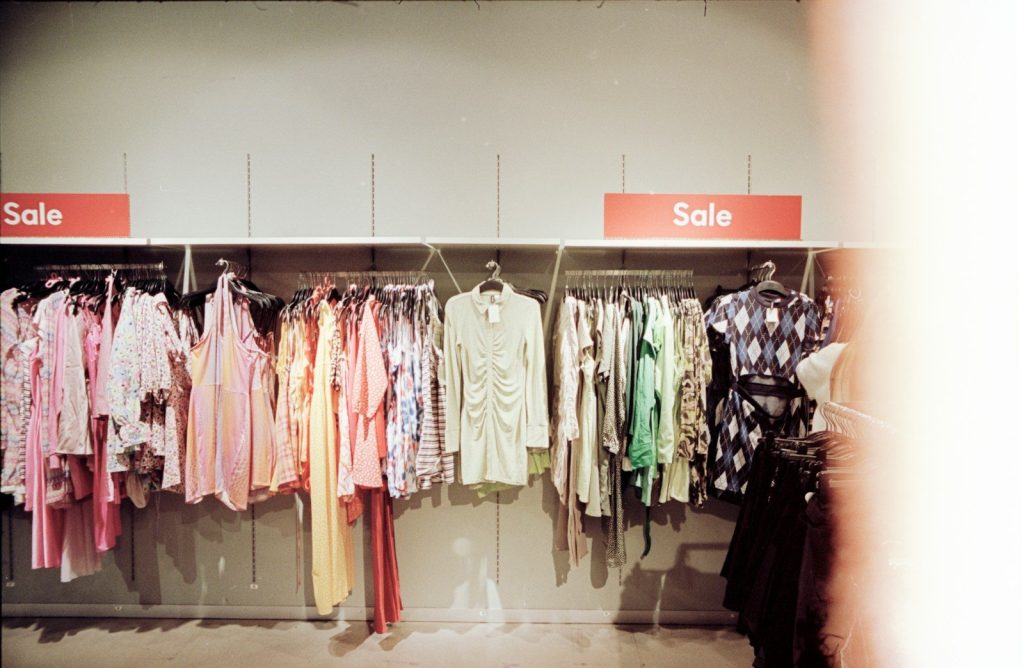

Buying clothes used to feel like a simple part of everyday life, but rising prices have changed how many people fill their closets. More shoppers are becoming selective, looking for pieces that last longer and offer better value instead of following every trend.
That shift is creating smarter shopping habits that save money without sacrificing personal style. Here are eight clothing purchases that many people are quietly reconsidering and what they are choosing instead.
Fast Fashion Trend Pieces
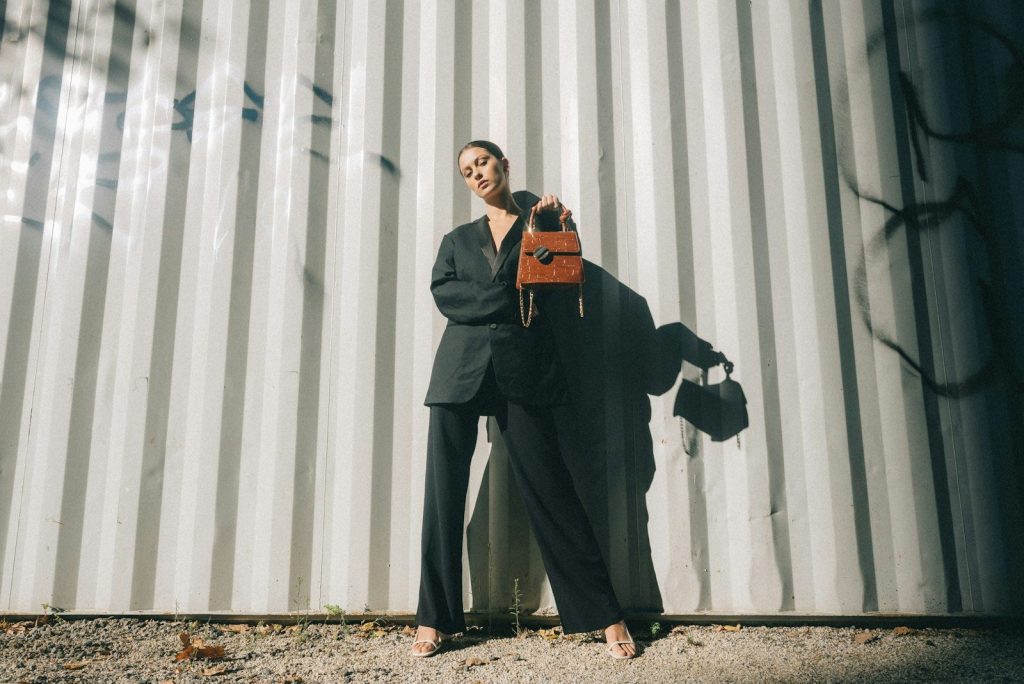
Many trendy clothing items only stay popular for a short time, yet their prices have steadily increased. Paying more for something that may only be worn a handful of times makes many shoppers stop and think before checking out.
Instead, people are building wardrobes around timeless basics that mix easily with existing outfits. Choosing versatile clothing means fewer impulse purchases and better value from every item already hanging in the closet.
Premium Designer Jeans
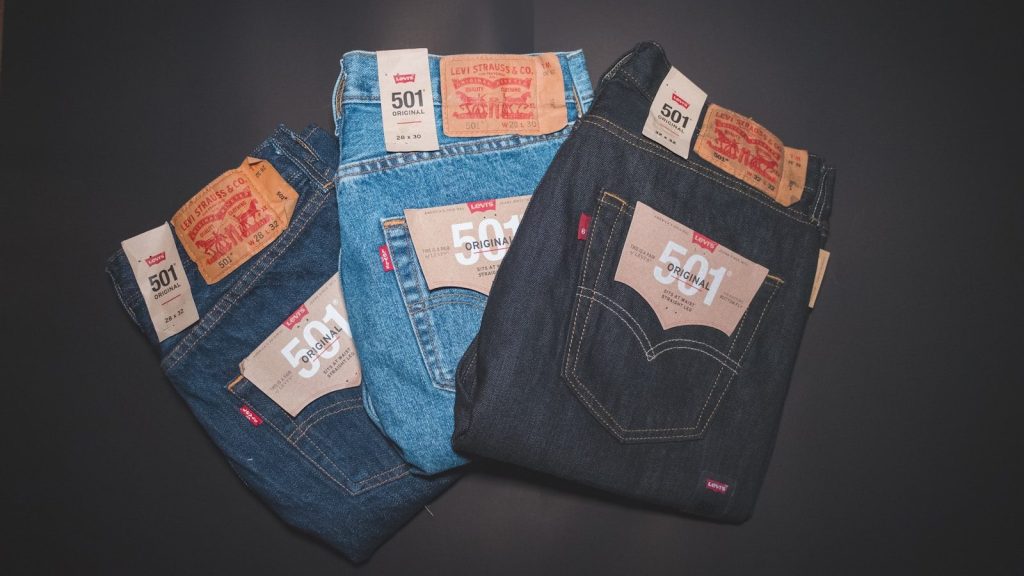
Designer denim once felt like a worthwhile splurge, but higher price tags have encouraged shoppers to compare quality instead of brand names. Many affordable labels now offer similar comfort, fit, and durability without the luxury markup.
Trying different brands, shopping seasonal sales, or browsing secondhand stores often leads to excellent finds. A great-fitting pair of jeans that costs less leaves room in the budget for other wardrobe essentials.
Luxury Athletic Wear

Workout clothing has become surprisingly expensive, especially for well-known brands. Since many people exercise at home, walk outdoors, or visit the gym casually, paying premium prices no longer feels necessary for everyone.
Affordable activewear has improved significantly in comfort and performance. Reading reviews and choosing practical fabrics instead of famous logos can deliver nearly the same experience while stretching clothing dollars much further.
Special Occasion Outfits
Buying a new outfit for every wedding, party, or celebration often leads to clothes sitting untouched after a single event. As prices rise, many shoppers are questioning whether those one-time purchases are truly worth it.
Creative styling offers another solution. Accessories, shoes, and jackets can completely refresh a favorite outfit, making it look different each time while avoiding unnecessary spending and reducing closet clutter.
High-End Office Clothing

Many workplaces have adopted more relaxed dress codes or hybrid schedules. That change means fewer people feel the need to invest heavily in expensive business wardrobes that may only be worn occasionally.
Instead, shoppers are choosing flexible pieces that work both professionally and casually. A quality pair of pants or a simple blazer can transition between meetings and everyday errands with very little effort.
Seasonal Fashion Collections
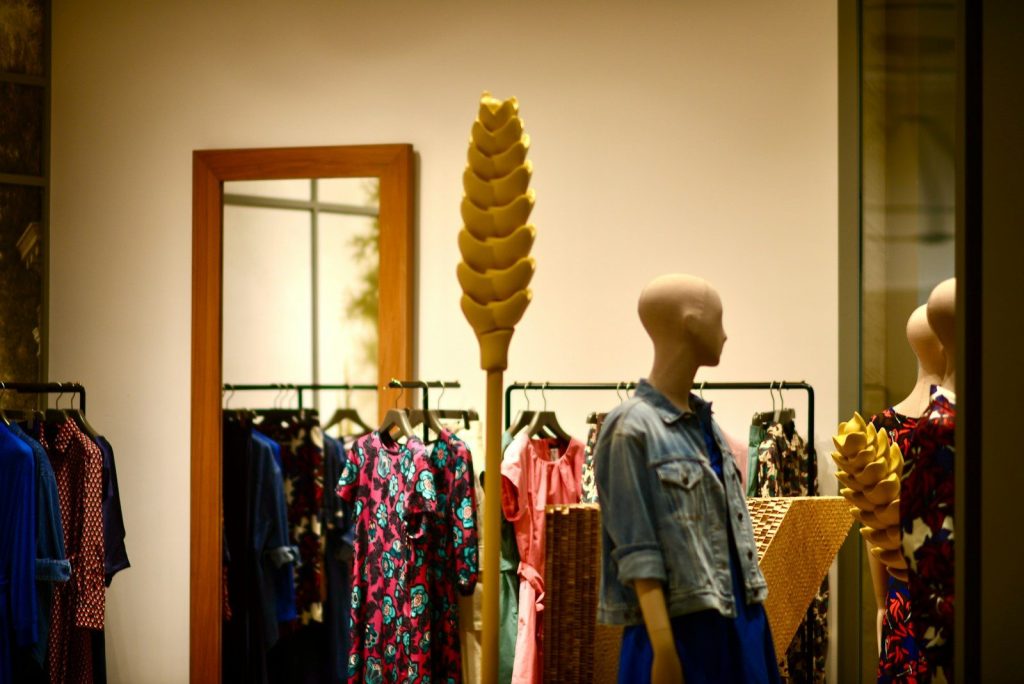
Retailers introduce fresh collections throughout the year, creating pressure to constantly update wardrobes. Many shoppers are stepping away from this cycle because replacing perfectly wearable clothing adds up quickly.
Building a capsule wardrobe with coordinating colors makes getting dressed easier while reducing unnecessary purchases. Fewer carefully selected pieces often create more outfit combinations than overflowing closets filled with rarely worn items.
Expensive Everyday Basics
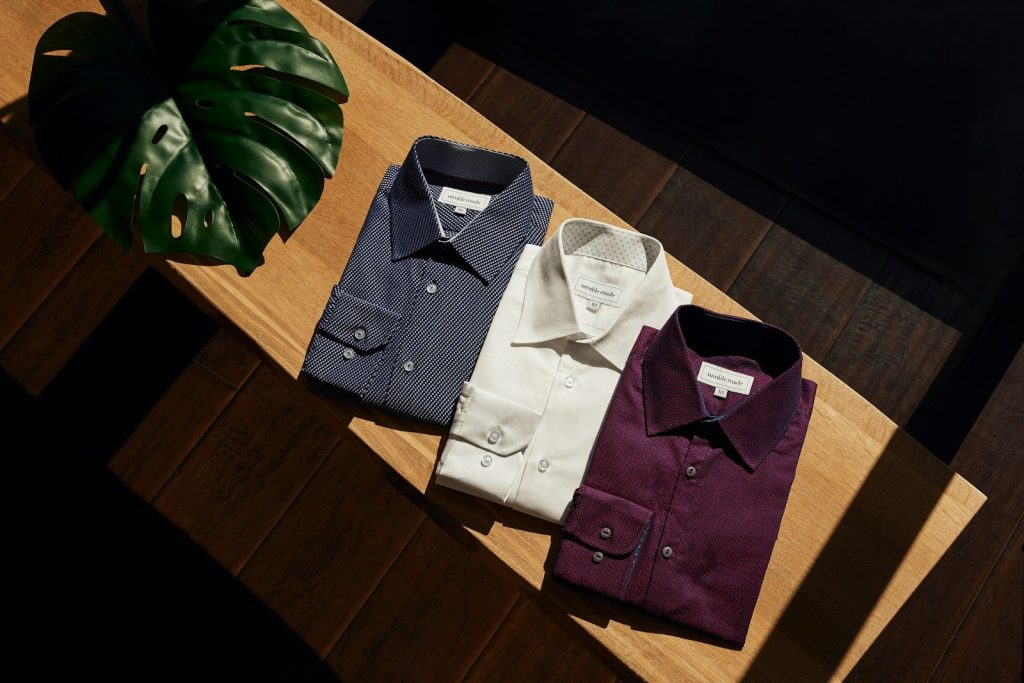
Simple shirts, socks, and basic sweaters have become noticeably more expensive in many stores. Since these essentials wear out over time, paying premium prices for every replacement can strain household budgets.
Watching for sales, purchasing multipacks when prices drop, and caring for fabrics properly can extend the life of everyday clothing. Small habits like washing in cold water and avoiding excessive drying help garments stay in better condition longer.
Clothing Bought on Impulse
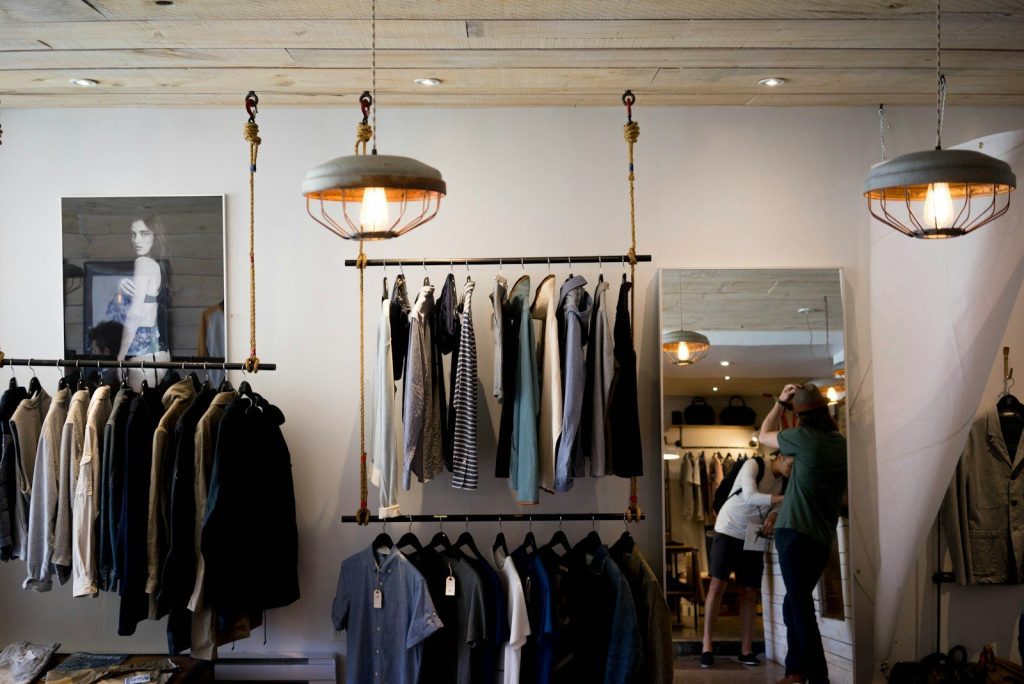
Impulse purchases often seem exciting in the moment but can quickly become forgotten items hidden in the back of a closet. Rising prices have encouraged more shoppers to pause before making unplanned clothing purchases.
Waiting a day before buying, checking whether an item matches existing outfits, and focusing on long-term usefulness can reduce waste while keeping spending under control. Those simple habits help create a wardrobe filled with clothes that earn their place over time.