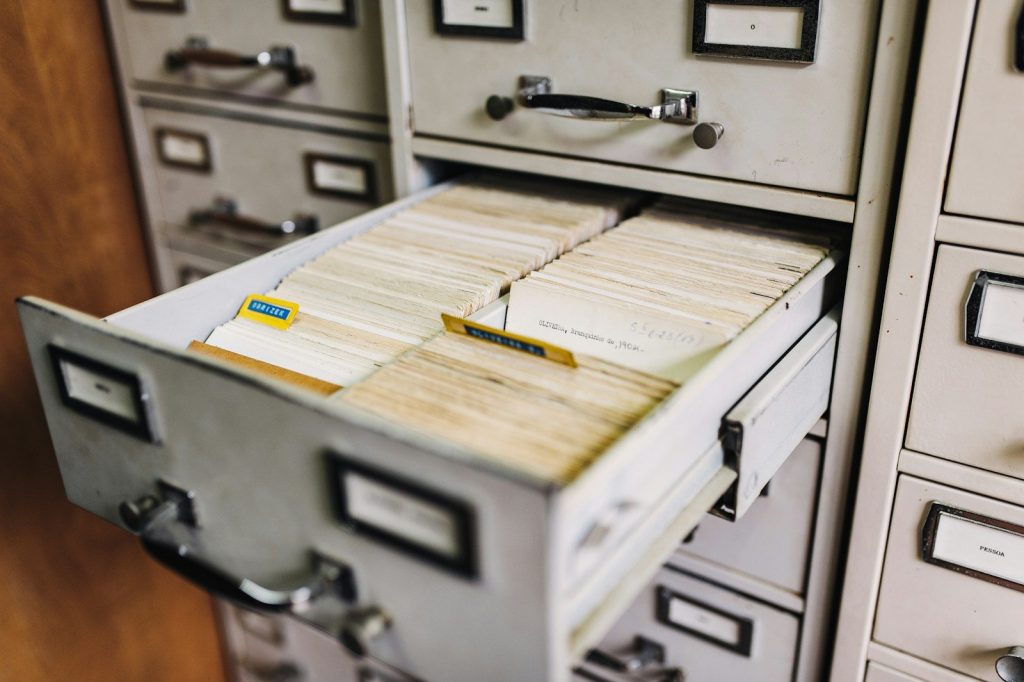

Most people think about taxes only when filing deadlines are around the corner. By then, important documents are often buried in drawers, lost in email inboxes, or accidentally thrown away, making an already stressful task even harder.
Keeping a few everyday papers throughout the year is less about creating clutter and more about protecting your money. A simple filing habit can save time, reduce stress, and help ensure you have the information you need when tax season arrives.
Donation Receipts Are Easy to Forget but Hard to Replace
Dropping off bags of clothing or household goods at a charity often feels like the end of the task. The receipt usually gets folded into a wallet, tucked into a car door, or left in the donation bag by mistake. Months later, many people cannot remember where it went.
Create one envelope or digital folder for every charitable donation as soon as you receive the receipt. Even if you are unsure whether it will matter later, keeping it costs nothing and prevents unnecessary scrambling when organizing tax documents.
Home Improvement Records Tell a Bigger Story
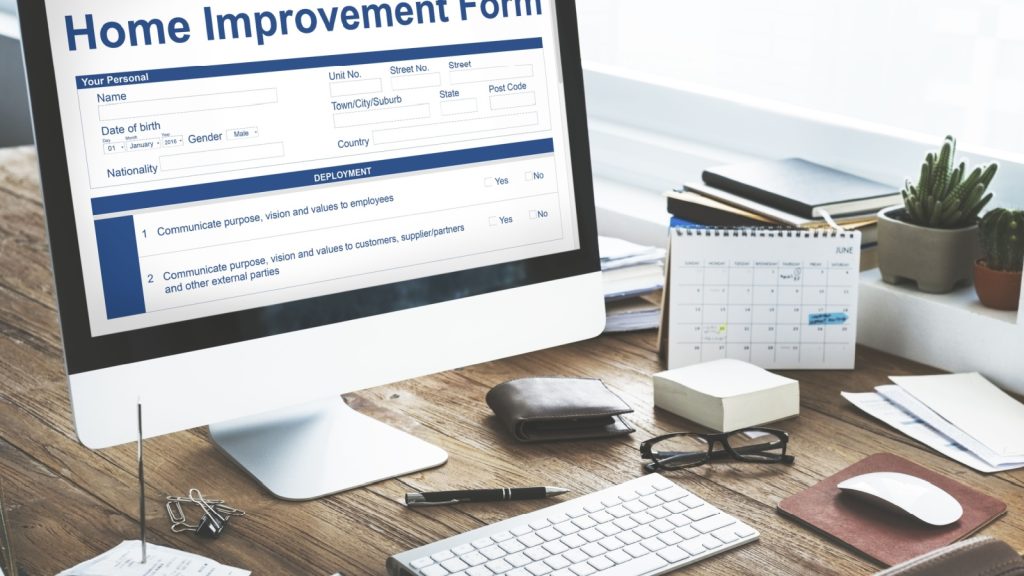
Many homeowners save appliance manuals but throw away receipts for repairs or renovations. Yet those invoices often provide a valuable record of work completed, especially when tracking improvements made over several years. They also help create a clear history of your home.
Instead of stuffing receipts into random kitchen drawers, keep one folder dedicated to your home. Grouping paint receipts, contractor invoices, and renovation paperwork together makes future record-keeping much easier and saves hours of searching.
Medical Paperwork Deserves More Than a Kitchen Counter

Medical bills, pharmacy receipts, and insurance statements tend to pile up because they arrive throughout the year. Once the immediate payment is made, many people assume the paperwork is no longer useful. That habit can make it difficult to locate important records later.
Choose one place for every health-related document instead of leaving papers scattered around the house. Whether you keep physical copies or scanned files, consistent organization is often more valuable than trying to remember where everything ended up.
Education Documents Often Arrive Before You Expect Them
Tuition statements, course fee records, and education-related paperwork sometimes arrive digitally, while other documents come through the mail. Because they appear at different times, they are easy to overlook or file in separate places. Finding everything months later becomes frustrating.
As soon as an education document arrives, move it into the same folder as your other important records. A few seconds of organization today can prevent unnecessary searching during tax season.
Do Not Ignore the Small Receipts
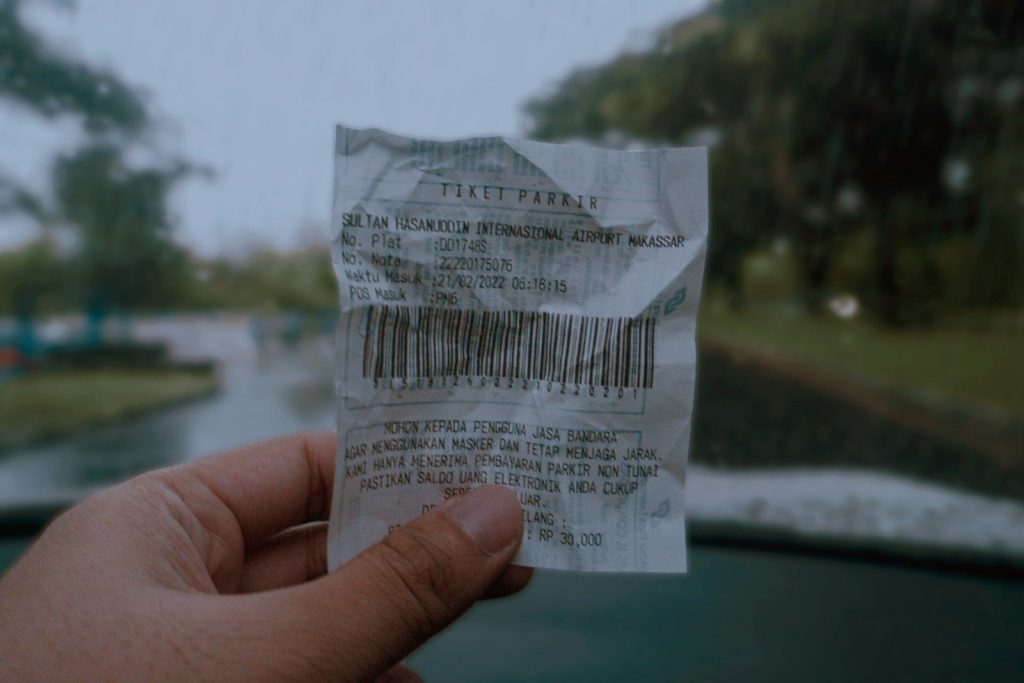
Large purchases naturally get more attention, but smaller receipts often disappear first. Business supplies, professional memberships, or work-related expenses can quickly become a stack of fading paper that is difficult to sort through later. Thermal receipts can even become unreadable over time.
Taking a quick photo of important receipts gives you a backup that is easy to find. A digital copy also protects you if the original paper fades or gets misplaced before you need it.
Digital Documents Need Organizing Too
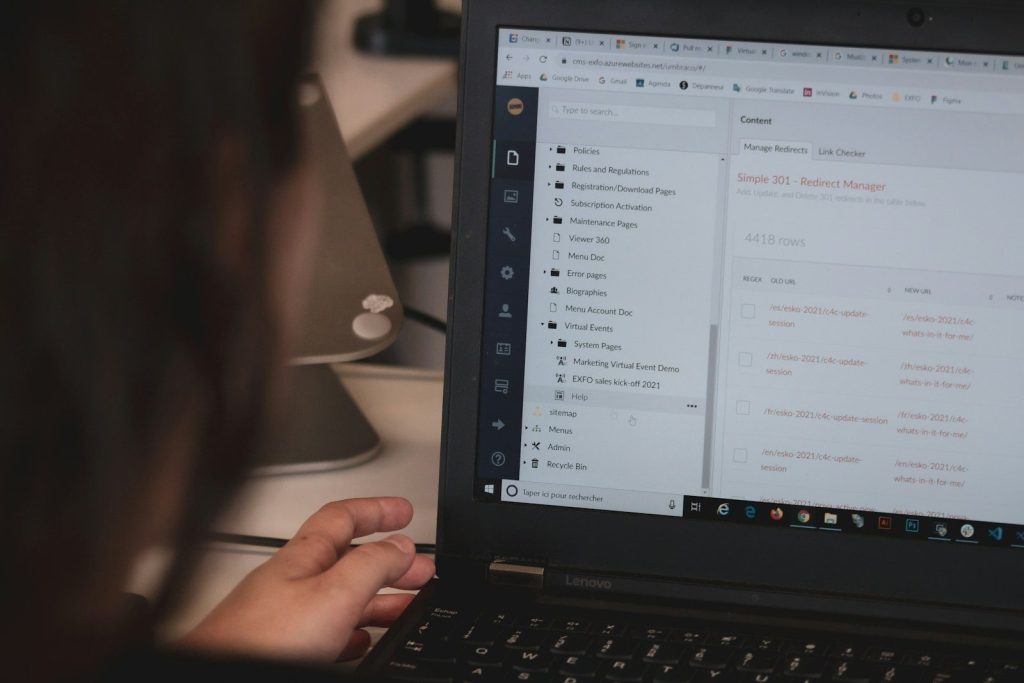
Many people assume paper clutter disappeared once bills became electronic. In reality, email inboxes often become the new junk drawer where important statements are buried beneath newsletters and promotions. Searching for one document months later can take far longer than expected.
Create a dedicated folder inside your email for financial records. Moving important statements there as they arrive keeps everything together and makes future searches much faster.
One Simple Filing Habit Makes Everything Easier
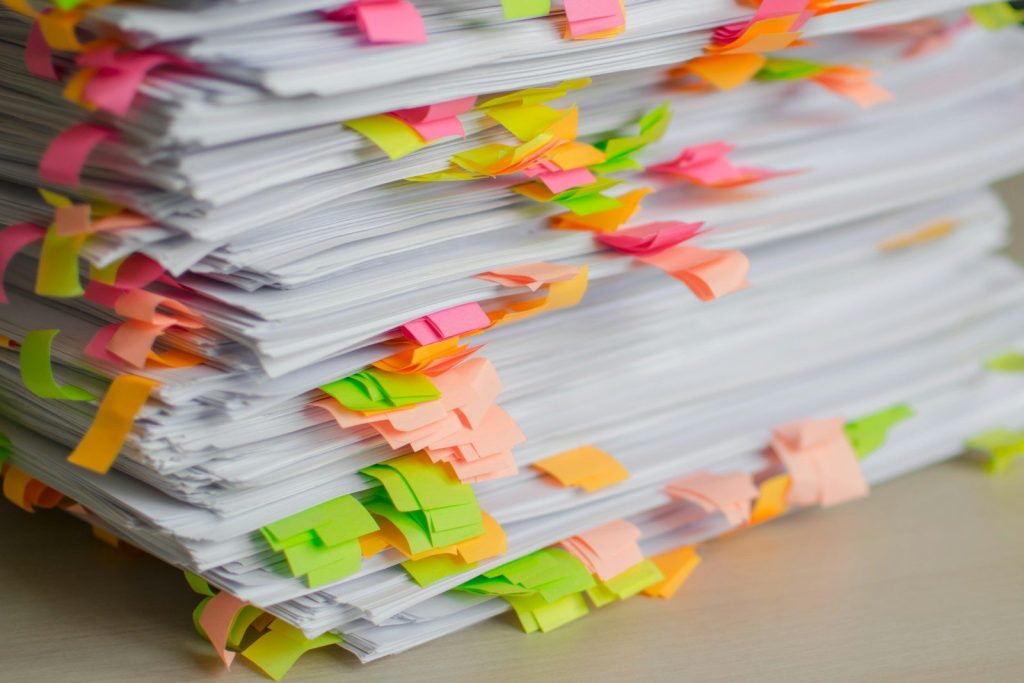
The most organized households rarely spend hours sorting paperwork because they never allow it to pile up in the first place. They handle each important document once, decide where it belongs, and know exactly where to find it later. That routine removes much of the stress from tax season.
Set aside ten minutes each month to file new paperwork instead of waiting until the end of the year. Small organizing sessions feel effortless compared with tackling a mountain of unsorted papers all at once.
Good Records Protect More Than Your Time
Staying organized is not just about making tax season less stressful. It also helps you respond more confidently when you need proof of a purchase, a home repair, a donation, or another important financial record. Those papers often become useful long after taxes are filed.
The best filing system is the one you will actually use throughout the year. Whether it is a simple folder, a small filing box, or a digital archive, protecting everyday paperwork is one of the easiest ways to protect your money and your peace of mind.