
The most expensive part of a grocery trip often happens before the cashier scans a single item.
A grocery bill rarely jumps because of one dramatic mistake. More often, it creeps up through tiny choices that feel harmless in the aisle: one display item, one convenience pack, one sale that was not really a deal. If your total keeps surprising you at checkout, these cart habits are worth catching before they become part of the trip.
End-Cap Deals
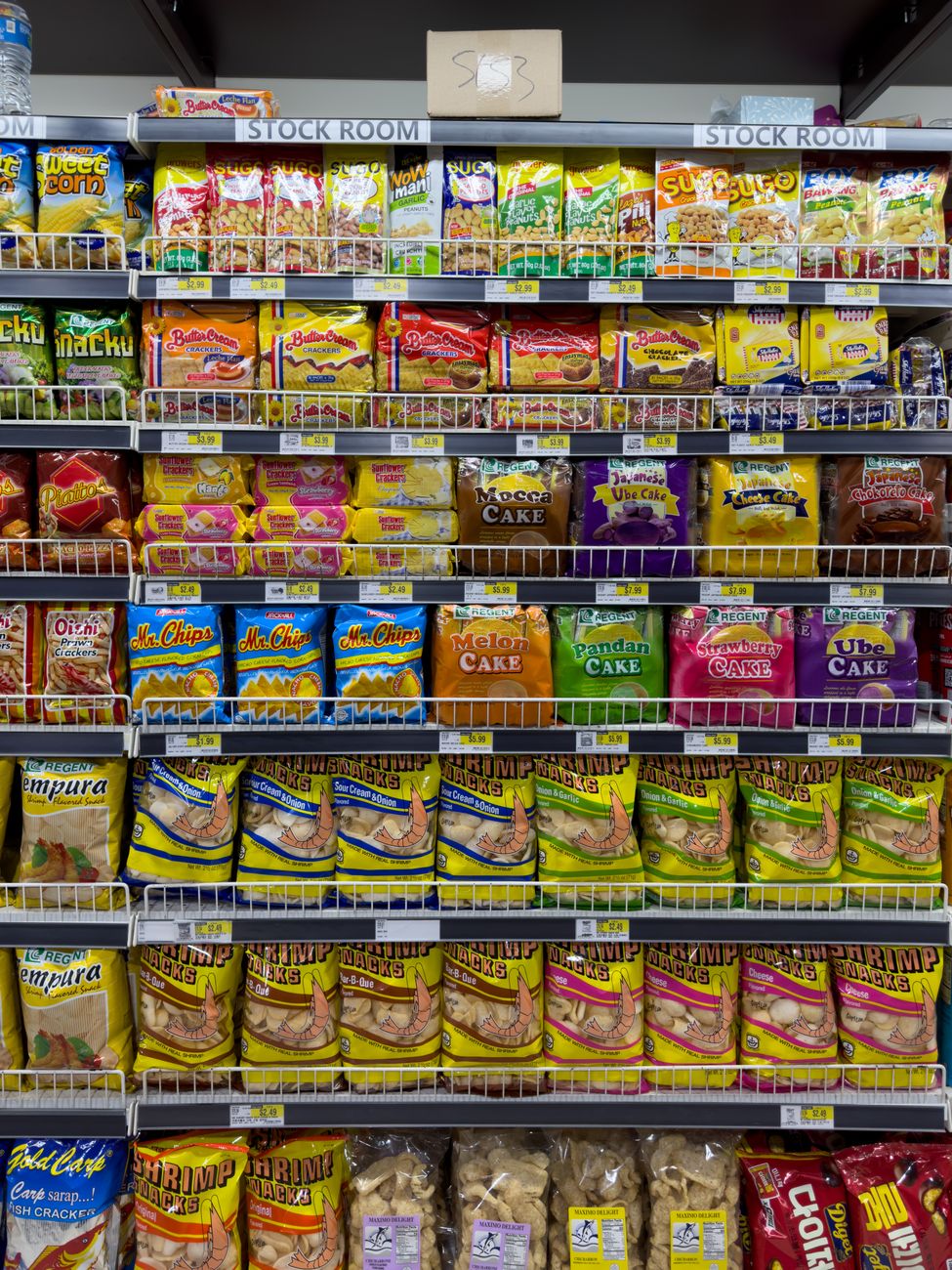
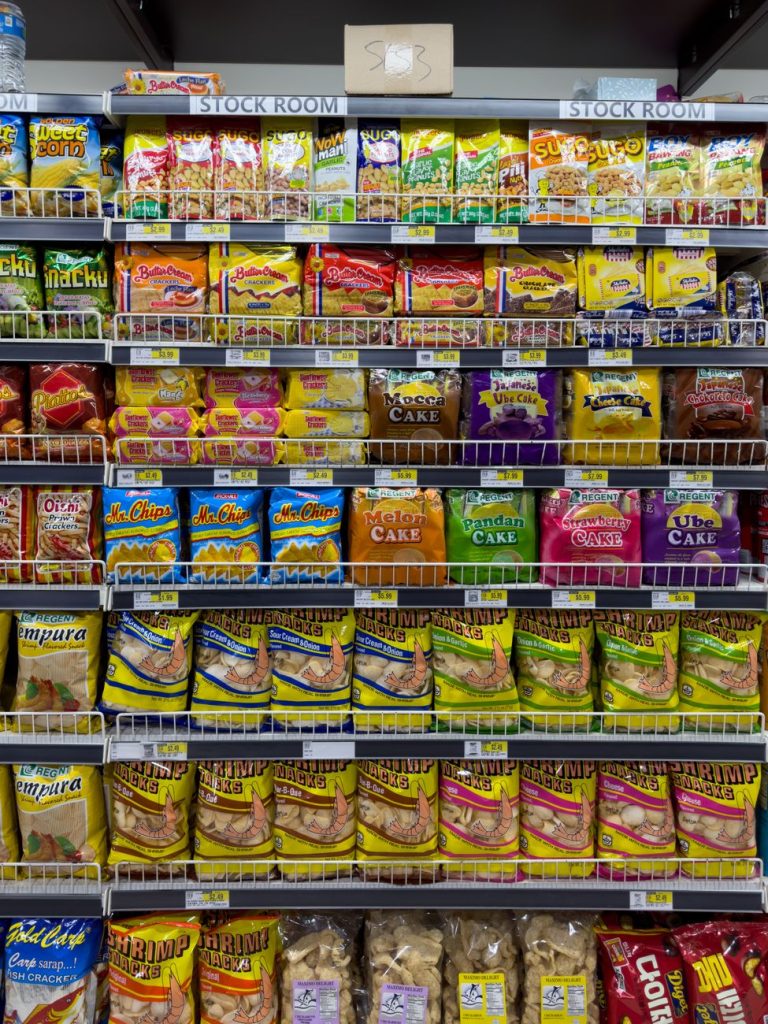
End caps are designed to interrupt the trip. They sit where shoppers turn, pause, or pass with a cart, which makes them easy places to add items that were never on the list. The word deal can also make a purchase feel safer than it is, even when the product is still more expensive than a store brand, a larger size, or an item you already have at home.
- Ask whether the item solves a real meal or pantry need this week.
- Compare the shelf price nearby before assuming the display is cheapest.
- Be extra careful with snacks, drinks, and seasonal items that disappear fast at home.
This habit matters most for families and anyone shopping after work, when quick decisions pile up. One end-cap item may not wreck the budget, but three or four can change the whole receipt.
Oversized Grocery Cart
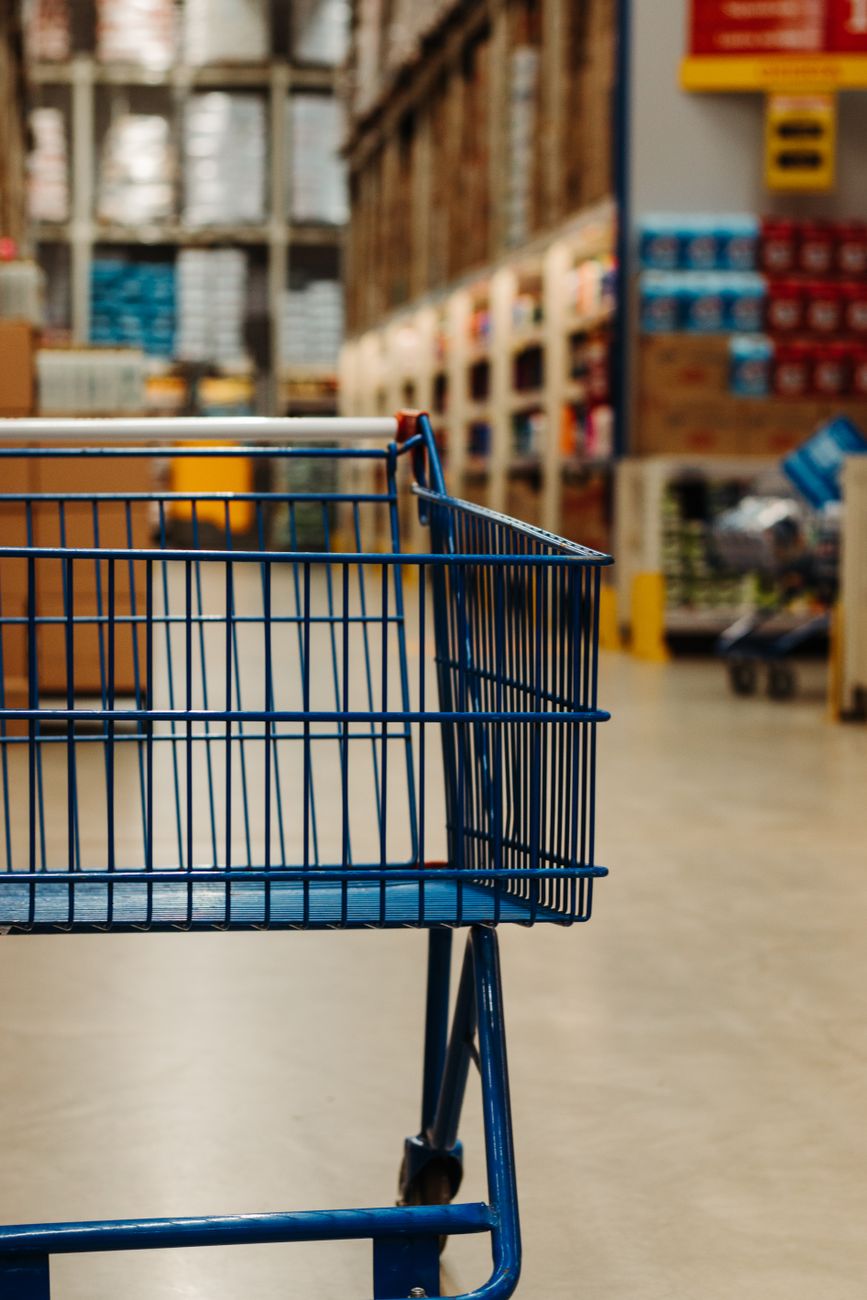
A big cart can make a normal shop feel unfinished. When there is plenty of empty space, tossing in another box, bottle, or bag does not look like much. That visual trick is easy to miss, especially during a quick stop for a few dinner items that turns into a full cart. The cart is not the problem by itself, but it can quietly encourage a larger trip than planned.
- Use a hand basket when you only need a short list.
- Put priority items in first so extras are easier to spot.
- Pause halfway through the store and remove anything that has no clear purpose.
This helps shoppers who go in for a few basics and leave with a week of unplanned extras. A smaller container adds friction, and sometimes that little inconvenience is exactly what protects the total.
Precut Produce Tubs
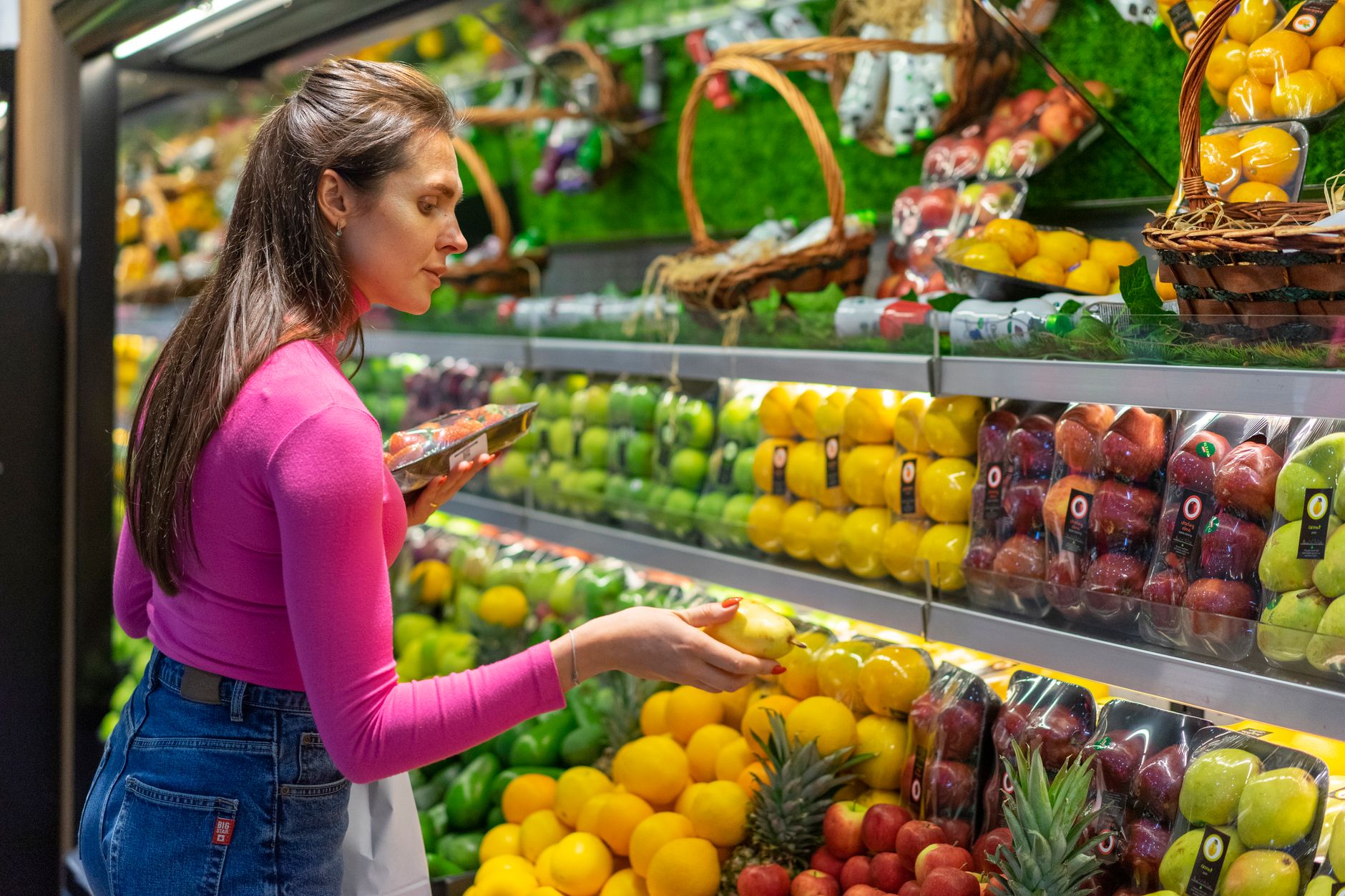
Precut fruit, chopped vegetables, and ready-to-cook mixes can be useful, especially for busy nights or households trying to waste less food. The issue starts when convenience packs become the default. You may pay more for washing, cutting, packaging, and shorter shelf life, then still throw some away if plans change. That is a double hit: a higher price at the store and more pressure to use it quickly.
- Buy precut only when it prevents takeout, skipped meals, or spoiled whole produce.
- Check the use-by date before putting it in the cart.
- Compare the tub to the whole item sitting a few feet away.
This is not about never buying convenience. It is about choosing it on purpose, not because the package looks like the easiest answer in a rushed aisle.
Sale Tags Without Unit Prices
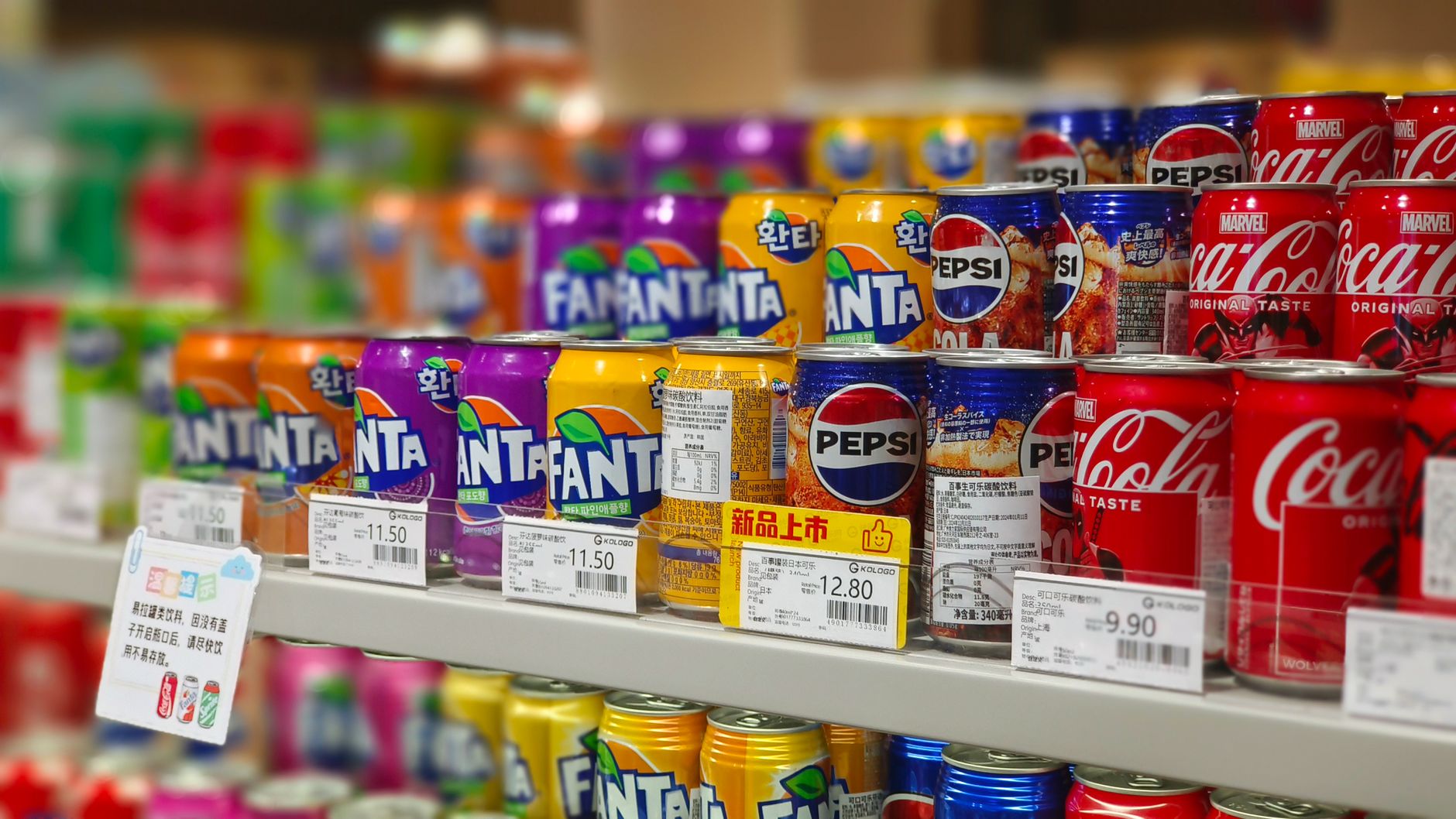
A bright sale tag can make a product feel like the obvious choice, but the lower sticker price does not always mean better value. Smaller packages, special flavors, and temporary promotions can still cost more per ounce, pound, or item than the regular option nearby. This is where the unit price earns its keep. It slows the decision just enough to separate a real discount from a louder label.
- Look for price per ounce, pound, count, or sheet on the shelf label.
- Compare similar sizes instead of only comparing front-of-package prices.
- Watch for multi-buy offers that require buying more than you can use.
This habit helps anyone shopping with a tight list, because it keeps the cart focused on value rather than decoration. If the unit price is missing or confusing, compare package weights before you commit.
Checkout Lane Extras
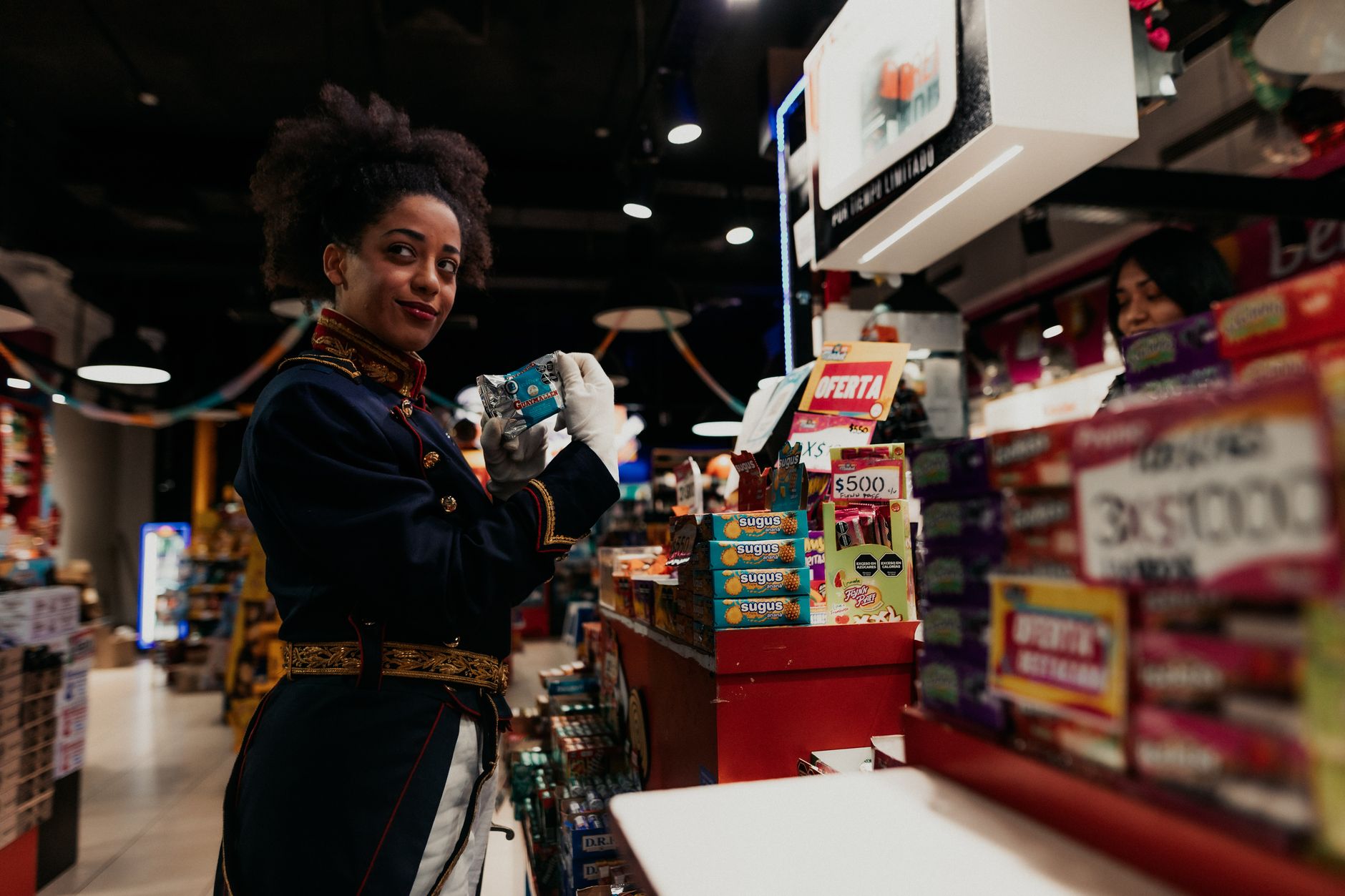
The checkout lane is where discipline gets tested at the very end. By then, you have already made dozens of small decisions, and a low-priced candy bar, drink, charger, or magazine can feel too small to matter. That is exactly why these items work their way into the cart. They are easy to justify individually, but repeated trips turn them into a regular grocery expense.
- Keep your phone calculator or list open while waiting in line.
- Set a simple rule: no checkout items unless they were on the list before entering the store.
- Bring a snack or water if you often shop hungry or with kids.
This affects solo shoppers and parents differently, but the result is similar: the final few feet can add cost without adding a meal. Treat the lane like part of the store, not the finish line.
The easiest grocery savings often come from noticing the moment before an item lands in the cart. Displays, cart size, convenience packs, sale labels, and checkout extras all have a job: to make spending feel automatic. A short list, a quick unit-price check, and one pause before the register can turn a surprise total into a planned one.