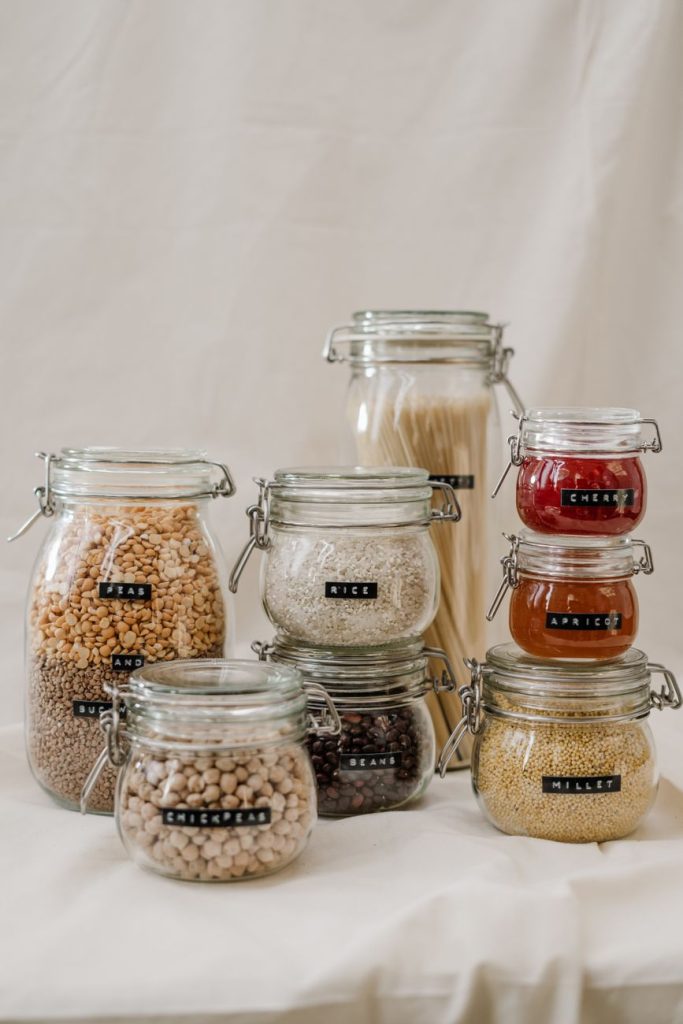

The cheapest item on the shelf is not always the smartest buy. These staples earn repeat space because they solve more than one dinner problem.
Frugal households do not stock a pantry like a museum. The best staples have jobs: they rescue leftovers, stretch pricier ingredients, and turn a thin fridge into dinner without another store run. The trick is knowing which basics actually get used instead of sitting untouched behind the cereal. These five repeat buys are not glamorous, but they keep proving their value when grocery prices feel stubborn.
Dried Beans and Lentils
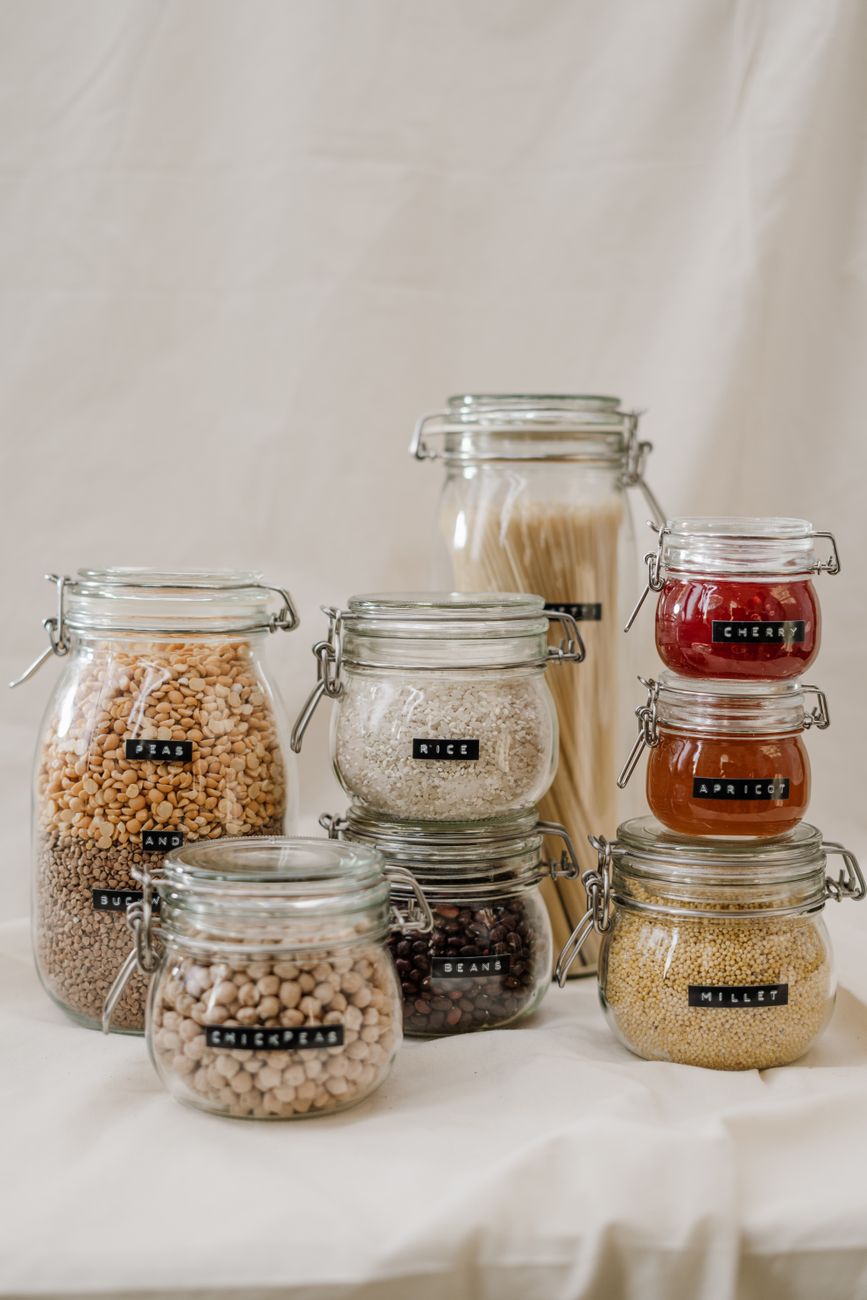
Dried beans and lentils earn their shelf space because they can turn small amounts of other food into a full meal. A little onion, leftover ham, wilted greens, canned tomatoes, or rice suddenly has a backbone when beans are involved. They also help households avoid the costly pattern of buying a separate protein for every dinner.
- They work in soups, tacos, salads, rice bowls, and simple stews.
- They store well when kept dry and sealed.
- They are especially useful for using up vegetables before they spoil.
The catch is time. If dried beans never get soaked or cooked, they are not saving anything. Lentils are the easier entry point because many cook quickly, while beans can be batch-cooked and frozen in meal-size portions. Before buying more, check whether your pantry already has half-used bags hiding in the back.
Old-Fashioned Oats
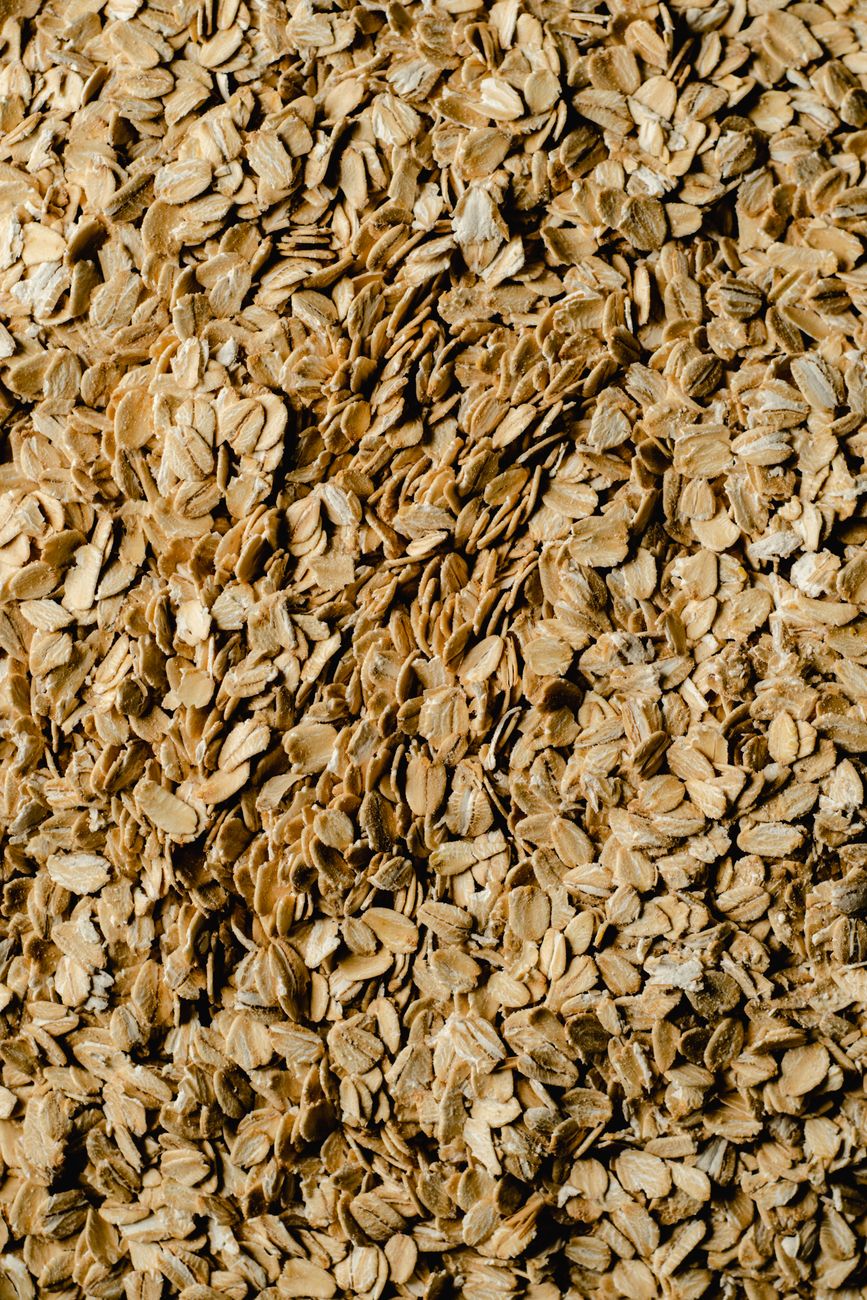
Old-fashioned oats are one of those staples that quietly replace more expensive convenience foods. They can be breakfast, a binder for meatloaf, a topping for fruit crisps, or a filler in homemade granola. For households trying to cut back on pricey snack packs or drive-thru breakfasts, oats create a cheap default that can be changed with fruit, nuts, cinnamon, or a spoonful of peanut butter.
- They are flexible enough for sweet or savory meals.
- They help stretch baked goods and breakfast prep.
- They reduce the need for individually packaged morning foods.
The mistake is buying flavored packets when plain oats would do more work for less fuss. Plain oats also let you control the add-ins. If a container has been open too long, smell it before using; oats can turn stale, especially near heat or sunlight.
Canned Tomatoes
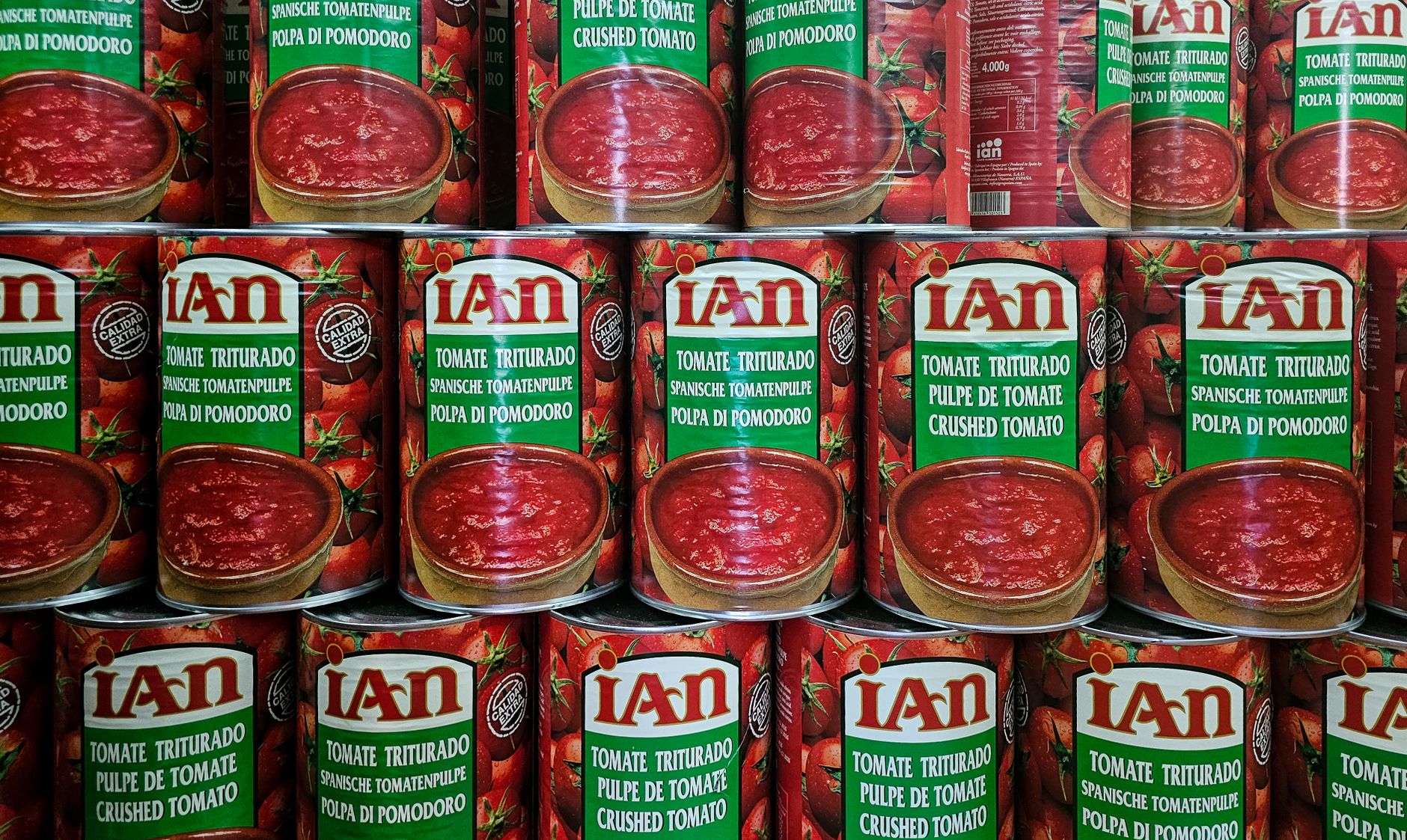
Canned tomatoes are a repeat buy because they make cheap ingredients taste like a planned meal. Pasta, beans, rice, eggs, frozen vegetables, and leftover chicken all become easier to use when there is a can of tomatoes on hand. They are also useful when fresh tomatoes are out of season, overpriced, or likely to go soft before anyone gets to them.
- Crushed tomatoes can become sauce, soup, or chili base.
- Diced tomatoes work in skillets, casseroles, and rice dishes.
- Whole tomatoes can be broken down for a more rustic sauce.
What can go wrong is buying specialty versions for one recipe and never using the rest. Frugal shoppers often stick with plain cans and season them at home. Check sodium levels if that matters to your household, and rotate older cans forward so they do not expire unnoticed.
White Rice
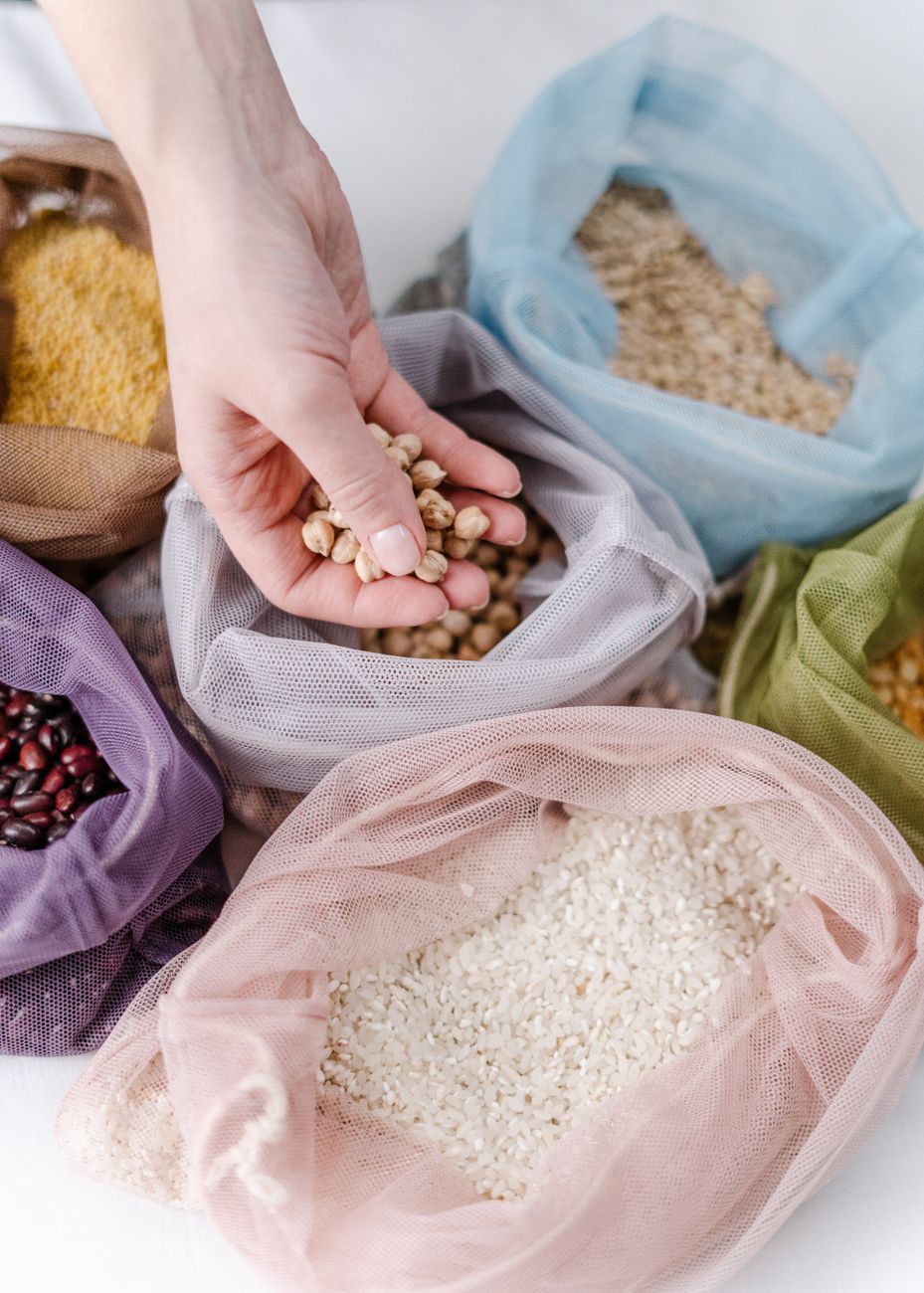
White rice keeps showing up in frugal kitchens because it is a reliable base for leftovers. A small amount of meat, a handful of frozen vegetables, or a scoop of beans goes farther over rice. It also helps turn odds and ends into fried rice, burrito bowls, soups, stuffed peppers, or simple side dishes when the rest of the meal feels thin.
- It cooks quickly compared with many whole grains.
- It pairs with nearly any sauce or seasoning style.
- It can reduce the urge to order takeout on busy nights.
The budget trap is cooking too much and then wasting it. Leftover rice should be cooled promptly, stored safely, and used within a reasonable window. If your household eats rice often, a larger bag can make sense, but only if you have a sealed container that keeps moisture and pests out.
Vinegar
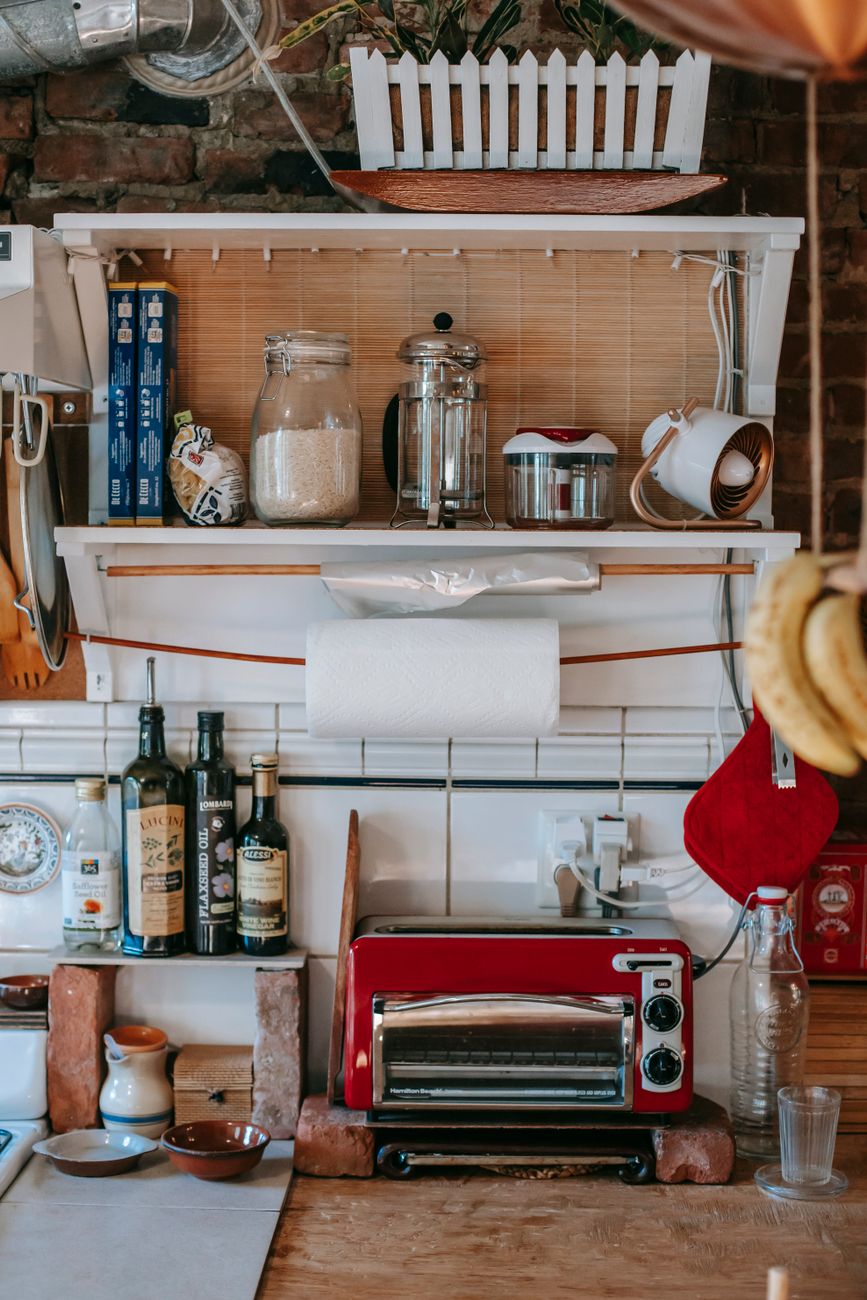
Vinegar earns its keep because a splash can revive food that tastes flat. It brightens beans, balances rich soups, wakes up slaws, and turns leftover vegetables into quick pickles. That matters for savings because food that tastes better is less likely to be abandoned in the fridge after one serving.
- White vinegar is useful for pickling and basic kitchen tasks.
- Apple cider vinegar works well in dressings and pork dishes.
- Red wine or rice vinegar can make simple bowls and salads feel fresher.
The danger is collecting too many specialty bottles. One or two types that fit how your family actually cooks are usually more useful than a crowded shelf. Check the cap and label before buying another bottle; many households already have one tucked behind oils or sauces.
The smartest pantry staples are not just cheap; they are useful under pressure. Before restocking, look for the items that help you finish leftovers, skip extra trips, and build meals around what you already own. If a staple keeps solving dinner problems, it has probably earned its place.