

A weak vacuum, rough towel, or cloudy glass can look finished long before it is. These quick checks can save a replacement run.
The easiest way to waste household money is not always a big splurge. Sometimes it is the small replacement that happens too early: a towel that feels rough, a vacuum that seems weak, a chair that wobbles, or a glass that looks permanently cloudy. Before another ordinary item goes in the trash or into an online cart, a quick repair, cleaning, or reset may be enough to keep it working.
Dull Kitchen Knives

A dull knife often gets blamed on age, but most kitchen knives are not worn out just because they drag through tomatoes or crush herbs. The edge may simply be rolled, dirty, or overdue for a real sharpening. Replacing a full knife set is expensive, and it can leave the same problem if the new knives go into a drawer unprotected.
- Try first: Use a honing rod for a bent edge, then sharpen with a stone, pull-through sharpener, or local sharpening service.
- Check next: Store knives in a block, sleeve, or magnetic strip so the edge is not banging against other tools.
- Replace when: The blade is cracked, badly chipped, loose at the handle, or unsafe to control.
Weak Vacuum Cleaner
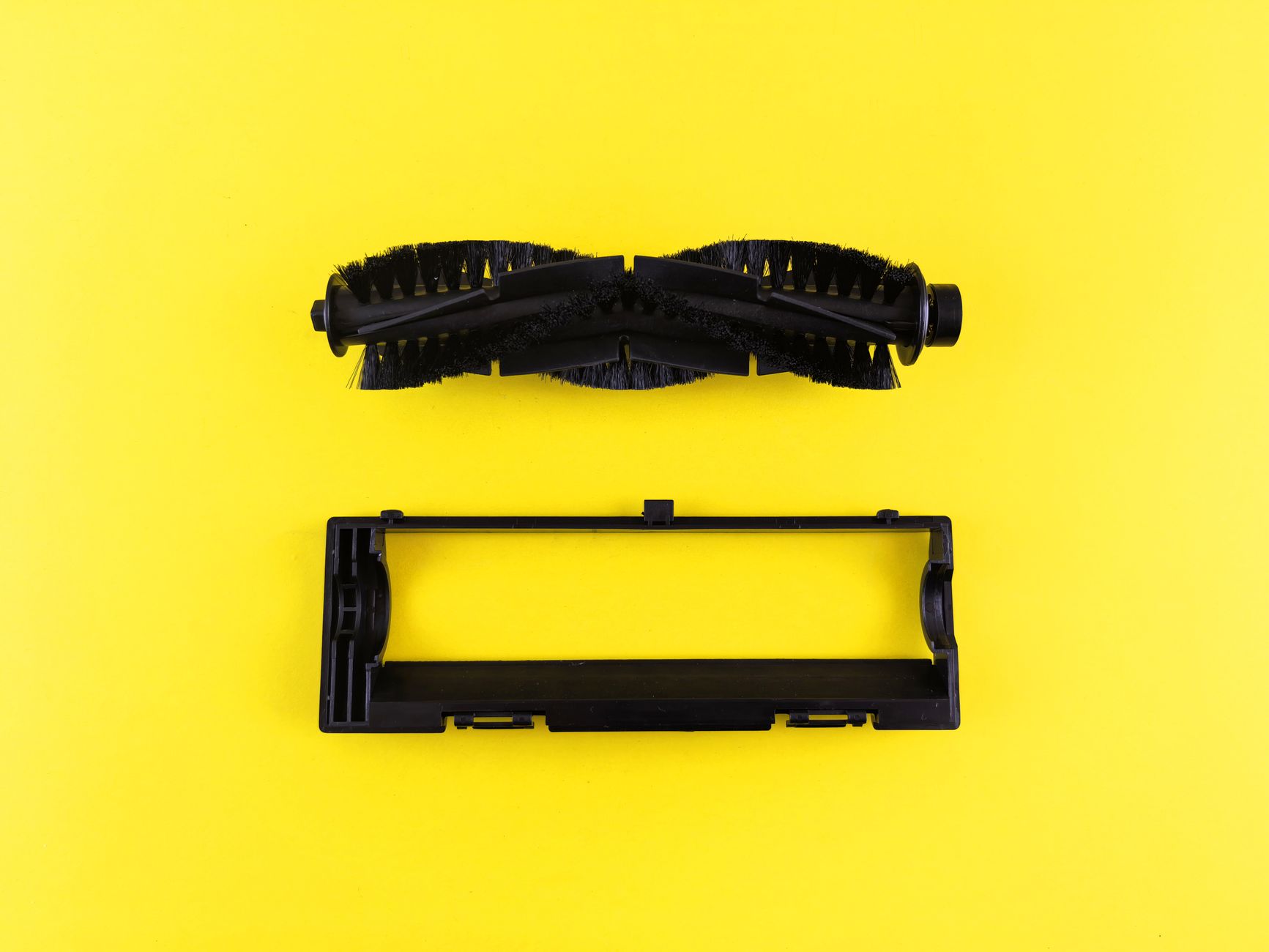
A vacuum that leaves crumbs behind can feel like a failed machine, but suction problems often come from maintenance that is easy to miss. A packed filter, tangled brush roll, clogged hose, or stretched belt can make a solid vacuum act worn out. The risk is replacing the whole unit while the real issue is a few minutes of cleanup or a low-cost part.
- Try first: Empty the bin, wash or replace the filter as directed, cut hair from the brush roll, and check the hose for blockages.
- Check next: Listen for a spinning brush and look for worn belts, cracked attachments, or seals that do not close tightly.
- Replace when: The motor smells hot, electrical parts are damaged, or repairs cost more than a sensible replacement.
Scratchy Bath Towels
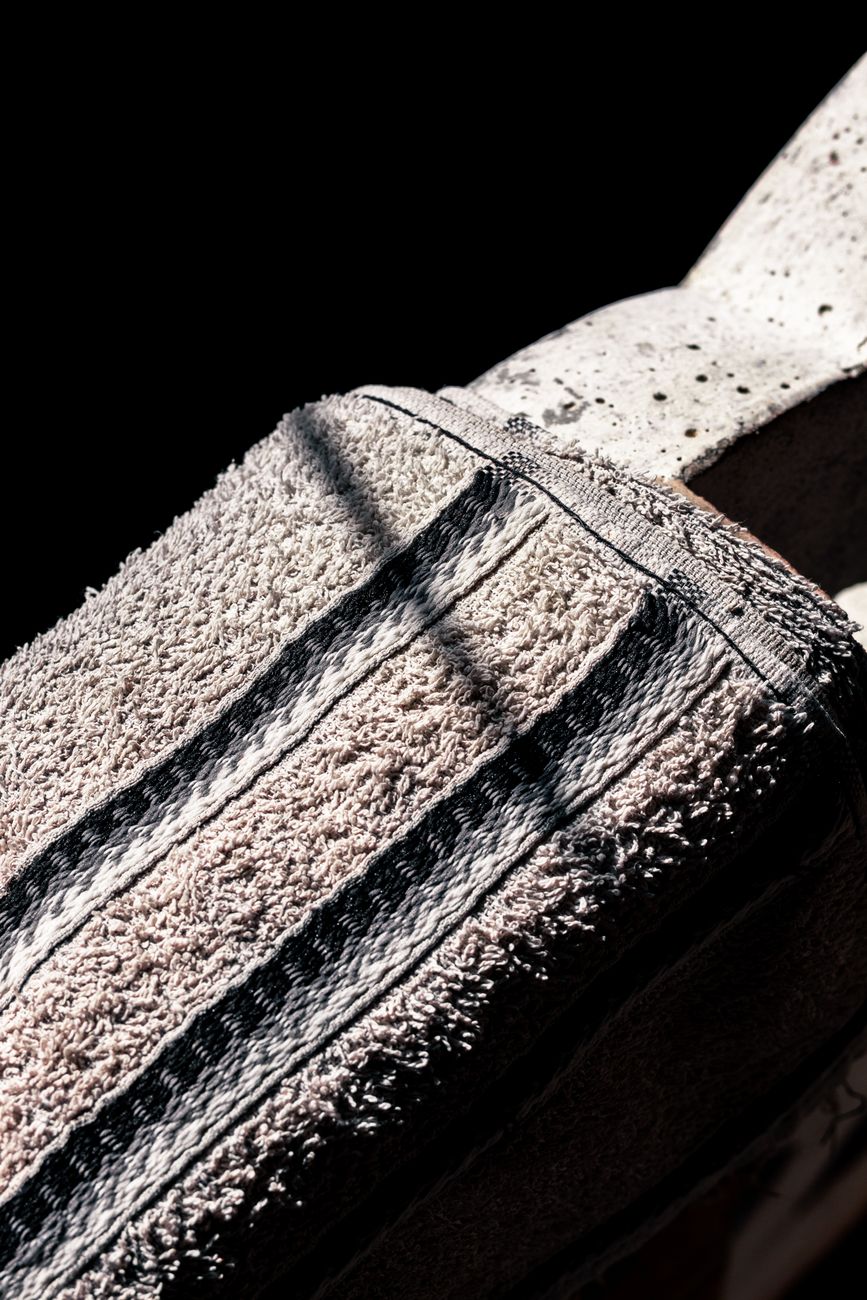
Scratchy towels can seem ready for replacement, especially when they stop feeling fluffy after a few years of laundry cycles. Often the problem is buildup from detergent, fabric softener, hard water, or overcrowded loads. Buying new towels fixes the feeling for a while, but the same laundry habits can make the next set stiff too.
- Try first: Wash towels with less detergent, skip fabric softener, and run an occasional hot wash with white vinegar in the rinse cycle.
- Check next: Dry towels fully, avoid cramming the machine, and shake them before drying to loosen fibers.
- Replace when: Towels are threadbare, smell musty after proper washing, or no longer absorb water well.
Cloudy Drinking Glasses

Cloudy glasses can make a cabinet look tired, but the haze is not always permanent damage. In many kitchens, it is mineral film from hard water, too much detergent, or dishwasher residue. Replacing the whole set may feel satisfying, yet the new glasses can develop the same film unless the washing routine changes.
- Try first: Soak one glass in white vinegar, then rinse and dry it. If it clears, the problem is likely buildup rather than ruined glass.
- Check next: Use the correct detergent amount, add rinse aid if the dishwasher allows it, and avoid overloading the rack.
- Replace when: The surface is etched, scratched, chipped, or still cloudy after a mineral-removal test.
Wobbly Dining Chairs

A wobbly dining chair can make the whole set feel ready for the curb, especially if guests notice it first. But looseness often starts with screws backing out, glue joints drying, or floor glides wearing unevenly. Replacing a matching set can be one of the costlier household upgrades, while a small repair may buy several more years of everyday use.
- Try first: Tighten visible hardware, add wood glue to loose joints, clamp overnight, and replace missing floor protectors.
- Check next: Sit on each chair on a level surface; a wobble may be the floor, not the frame.
- Replace when: A leg is split through, the seat support is cracked, or the chair still shifts after repair.
Before replacing a household item, slow the decision down with three quick questions: can it be cleaned, can it be tightened, and can one small part solve the problem? If the answer is yes, the cheaper move is usually to test the fix first. If the item is unsafe, cracked, moldy, or no longer does its job after a fair repair attempt, replacement makes more sense.