

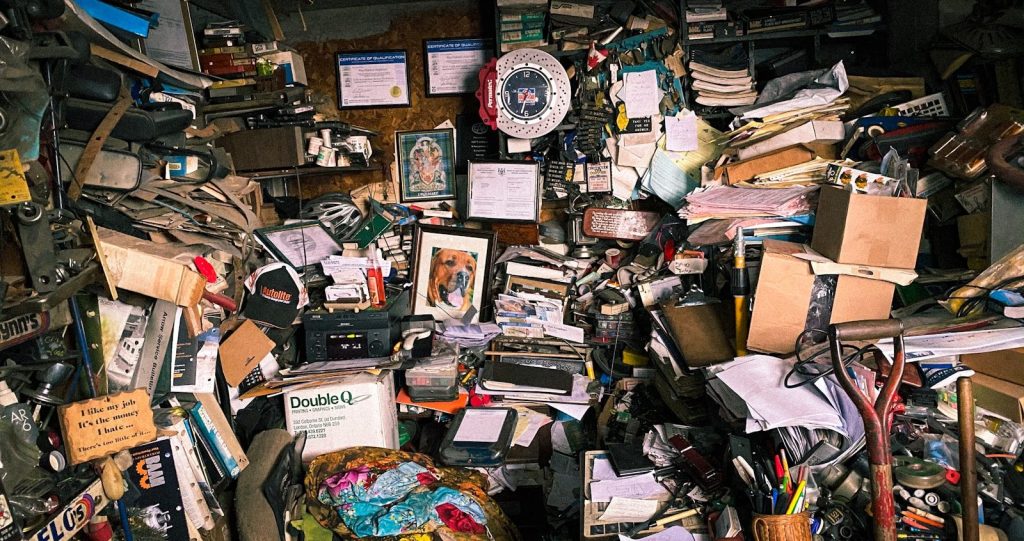
The average American household contains more than 300,000 items, and most families use roughly 20% of them on a regular basis. The rest sits in closets, garages, and drawers, collecting dust and, according to multiple studies, quietly raising stress levels.
No one likes living in a clutter house, and the state of your home has a huge impact on your mood. While decluttering sound like a lot of work (which it is), it is absolutely worth the effort, and once you get started, you’ll see that it’s not as bad as you think.
Between the growing popularity of resale platforms, better digital tools, and a broader cultural shift toward owning less, the conditions for a serious home clear-out are better than ever. These nine tips cover the full process, from deciding what to keep to making sure the clutter never comes back.
1. Use the “Joy Plus Function” Test

Anything that sparks genuine joy or serves a function that actually gets used earns its place. Everything else is a candidate for removal. A decorative object that brings pleasure every time someone walks past it belongs in the keep pile, but a specialty kitchen gadget that has not left the drawer in eighteen months can go straight to the donation pile.
For sentimental items, photograph them before letting them go. The memory is preserved without the object taking up space. Set a firm limit on sentimental keeping, such as one dedicated box per person, and apply it consistently.
2. Sort by Category, Not by Room

Going room by room addresses surface appearance. Sorting by category addresses actual accumulation. Pull every item from a single category into one physical location at the same time. Gathering all clothing, or all kitchen tools, into a single pile makes duplicates obvious and decisions easier.
Start with lower-emotion categories like clothing and kitchenware. Save paperwork and sentimental items for last, once the decision-making habit is warmed up.
3. Sell Smarter With the Resale Economy

The secondhand market is going strong right now. Furniture, electronics, clothing, and sporting equipment sell well on resale platforms, and there is real money available for anyone clearing out quality possessions.
The obstacle is follow-through. Give each item two weeks to sell. If it has not moved, donate it. This prevents the process from stalling and keeps the donate pile from becoming a second storage pile. Good lighting and a clean background affect selling speed and price more than most people expect.
4. Go Digital-First With Paper Clutter

Paper accumulates in small, invisible increments and builds into stacks that are genuinely difficult to sort through. Document-scanning apps make the process fast: one scan, one named folder in cloud storage, and the document becomes searchable without taking up physical space.
Physical documents worth keeping in hard copy are limited to a short list: passports, birth certificates, wills, and property deeds. Everything else can be scanned and shredded. Opting out of paper statements for utilities and banks removes the source rather than just managing the output.
5. Run a “One In, One Out” Policy
A single declutter session clears the backlog. A consistent policy prevents it from forming again. Every time a new item enters the home, one existing item leaves. This moves the decision to the point of purchase, which is exactly where it belongs.
The rule applies to clothing, books, kitchen gadgets, and décor. For households recovering from a significant backlog, running a stricter version for a few months, such as one in and two out, helps close the gap faster.
6. Use 15-Minute Sprints

A full-day decluttering commitment feels overwhelming, so nothing happens. But, short, focused sessions on a specific target are far easier to sustain. Set a timer for 15 minutes, pick one clearly defined area such as a single drawer or one shelf, and work without distraction until the timer ends.
Three sessions per week adds up to roughly three hours of active decluttering per month. Pairing each sprint with an existing daily habit makes it easier to maintain. Keep a donate box in a visible spot and drop it off once it fills.
7. Reduce Before Buying Storage

More storage containers do not solve a clutter problem. They provide more places to hide things. Purging comes first. Organizing comes second. Buying bins and baskets before reducing volume leads to organized clutter, and the results reverse themselves within months.
Once possessions reflect what is truly needed, a modest set of storage solutions works well. Clear or labeled containers show when a category is getting full, which naturally checks re-accumulation.
8. Declutter With Other People in the House
Personal spaces belong to the person who occupies them. Removing someone else’s belongings without permission creates conflict regardless of intention. Common areas are a different matter. Shared rooms benefit from shared agreements about what stays out and what gets removed.
With children, involvement works better than management. Kids around age four and up can meaningfully sort their own toys and clothes. Framing donations around other children who would enjoy the items builds a constructive attitude toward letting things go.
9. Audit the Digital Side of the Home

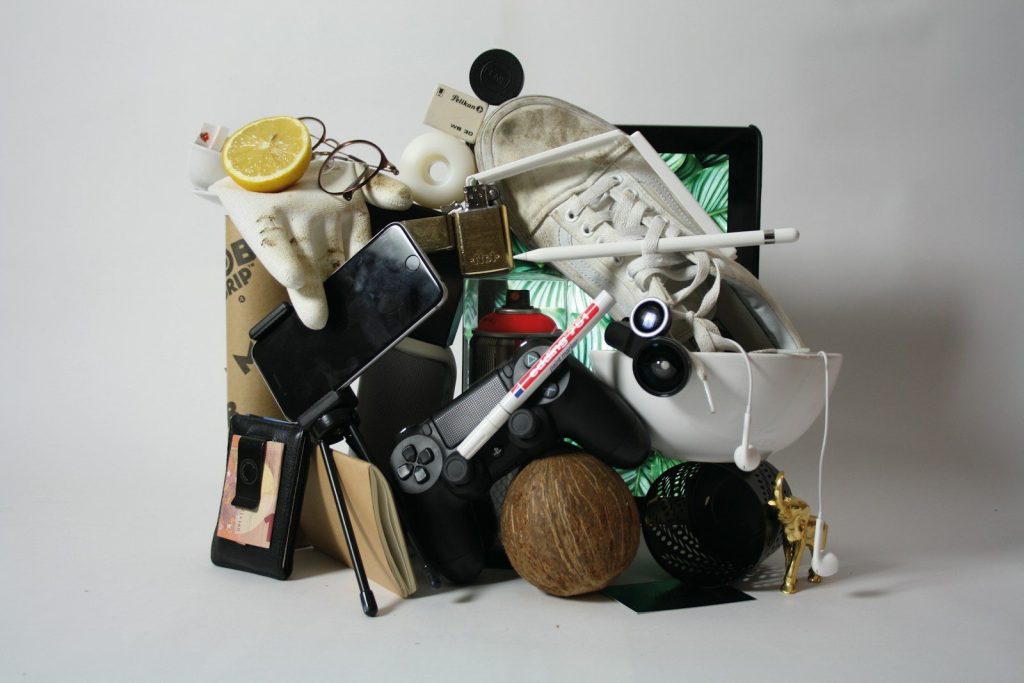
Digital accumulation creates its own strain. Devices slow down, cloud storage fills up, and subscription fees for rarely used services drain money quietly every month. A thorough home clear-out extends to the digital environment as well.
Review bank statements for recurring charges and cancel anything not providing active value. Unsubscribe from email lists rather than deleting messages individually. Delete apps unused for three months. Back up the camera roll and remove duplicates. A clutter-free home, physical and digital, is the result of small, consistent decisions made over time.