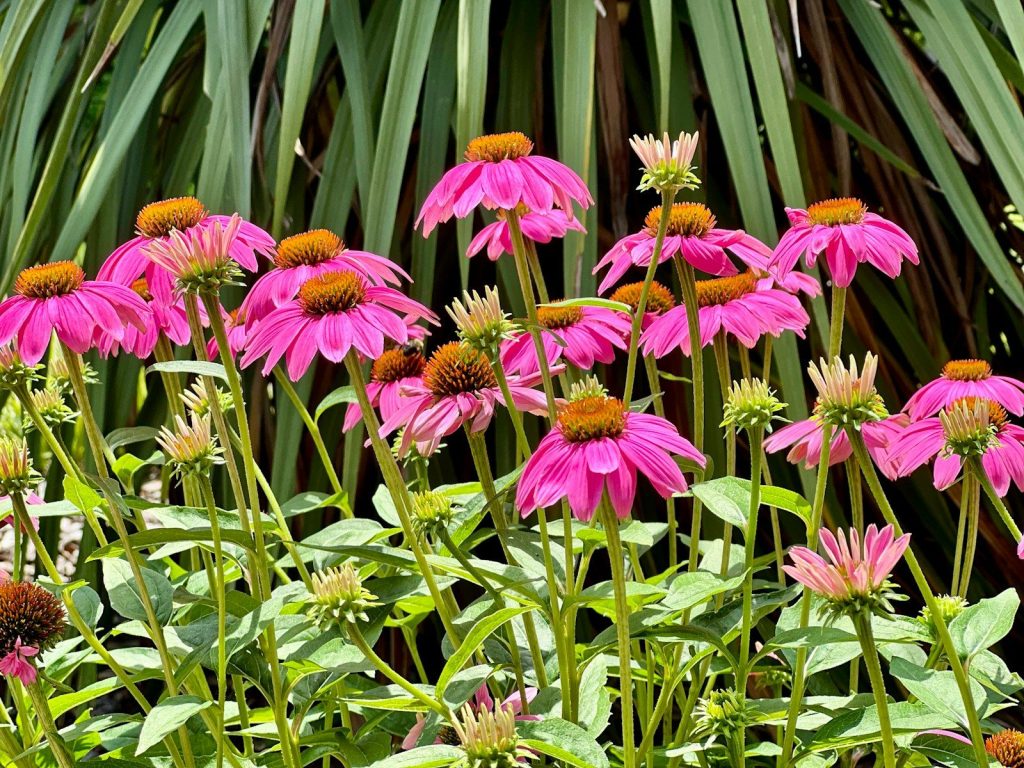

American gardeners are shifting toward plants that return every year with minimal effort. Replanting annuals each spring, increasing water bills, and losing plants after the first frost no longer appeals to many homeowners.
Perennials offer a simpler approach. Once established, they tolerate drought, heat, poor soil, and inconsistent care far better than most annual flowers. Many also improve as they mature, filling out naturally over time.
The eight plants in this article were selected for resilience, ornamental value, and reliable long-term performance in American gardens.
1. Black-Eyed Susan
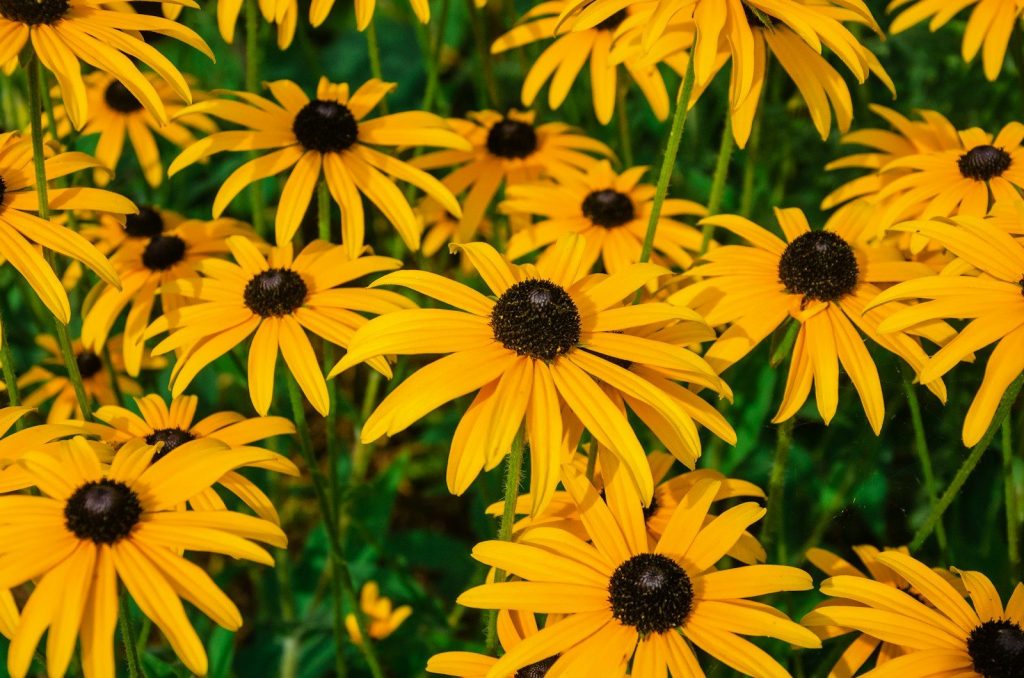
Black-Eyed Susan evolved in dry prairie conditions with intense sun and poor soil, which explains its durability in home gardens. It blooms from midsummer into early fall and continues flowering without constant deadheading.
Cold-hardy to Zone 3, it thrives in full sun with minimal watering once rooted. The flowers attract bees and butterflies during summer, while seed heads provide food for birds in fall and winter.
Leaving dried seed heads standing through winter also adds texture and structure to the garden during colder months.
2. Purple Coneflower
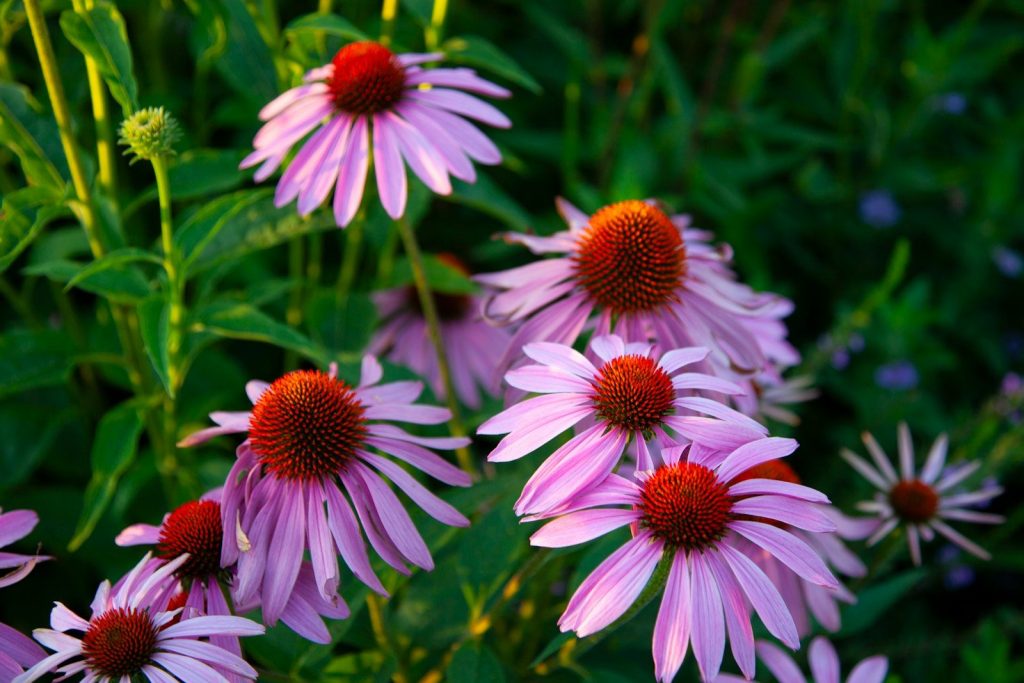
Purple Coneflower develops deep roots that allow mature plants to tolerate extended dry periods with little visible stress. Established clumps bloom for up to ten weeks during summer and attract a wide variety of pollinators.
The traditional rosy-purple form consistently outperforms heavily modified hybrids in both lifespan and reliability. Many newer double-flowered or coral-colored varieties decline more quickly after several seasons.
A healthy clump often looks stronger in its third or fourth year than when first planted.
3. Daylily
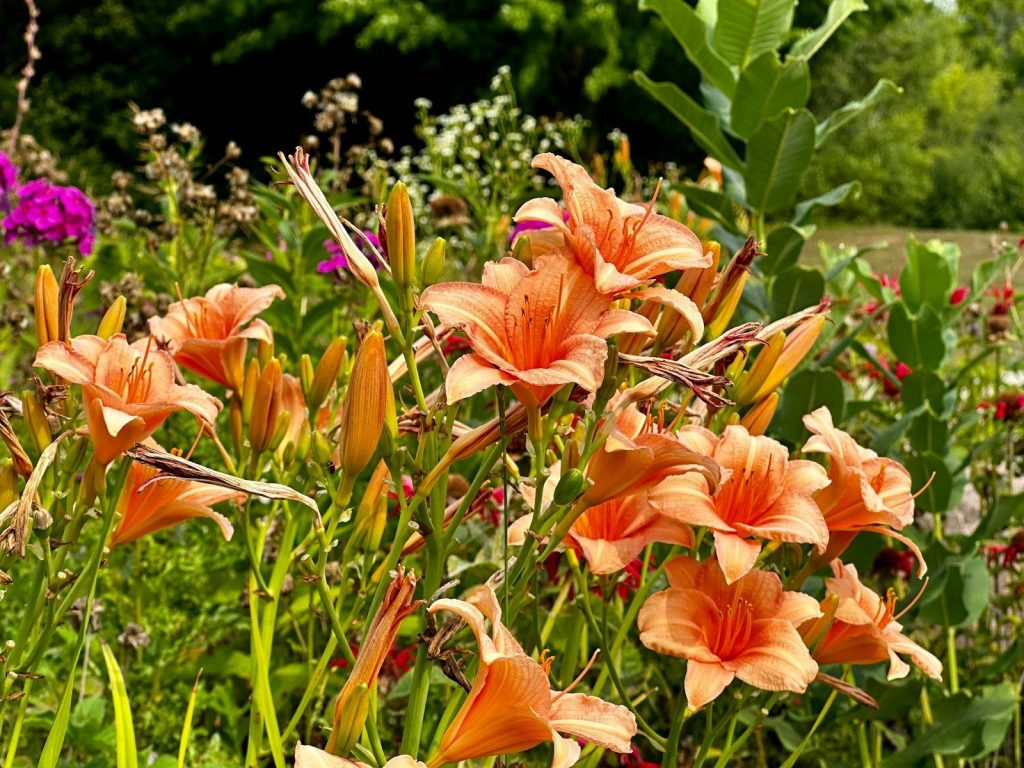
Daylily remains one of the easiest flowering perennials to grow. It tolerates nearly any soil type and performs well in either full sun or partial shade.
Each flower blooms for only one day, though mature plants produce hundreds of buds across a four to six week flowering period. That steady sequence keeps the display looking continuous throughout the season.
Daylilies require little maintenance once established and recover quickly from drought or inconsistent watering.
4. Russian Sage
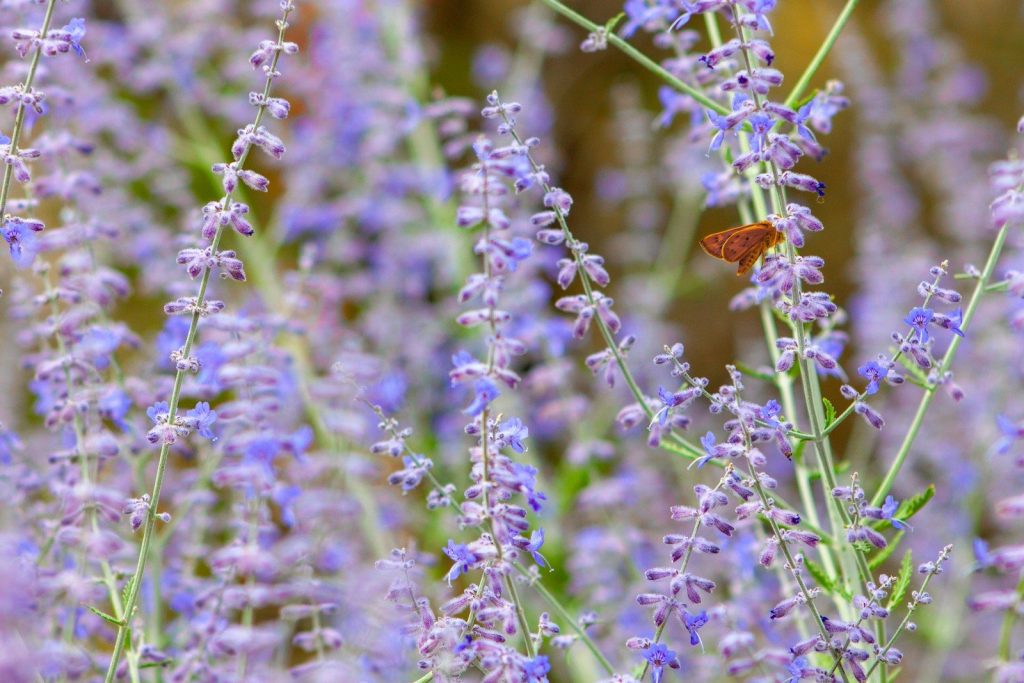
Russian Sage, now classified as Salvia yangii, produces tall sprays of lavender-blue flowers from midsummer into fall. Silvery stems and aromatic foliage give the plant visual interest even outside peak bloom periods.
It performs best in full sun with well-drained soil and handles heat extremely well. Established plants tolerate long dry spells without difficulty.
Deer usually avoid Russian Sage because of its fragrant foliage, making it useful in areas with browsing pressure.
5. Sedum
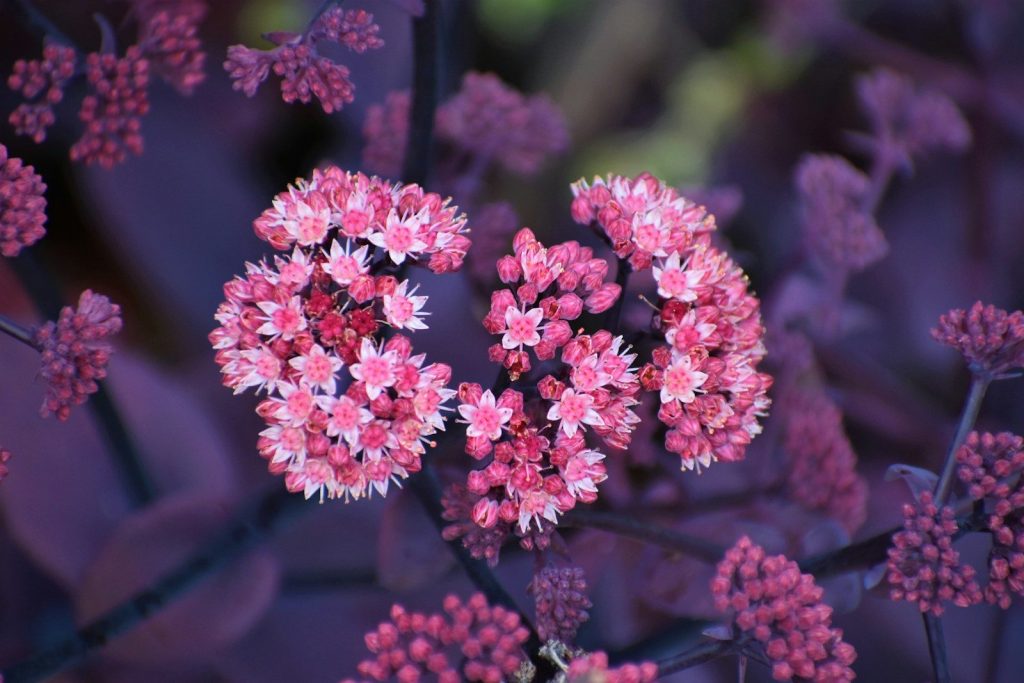
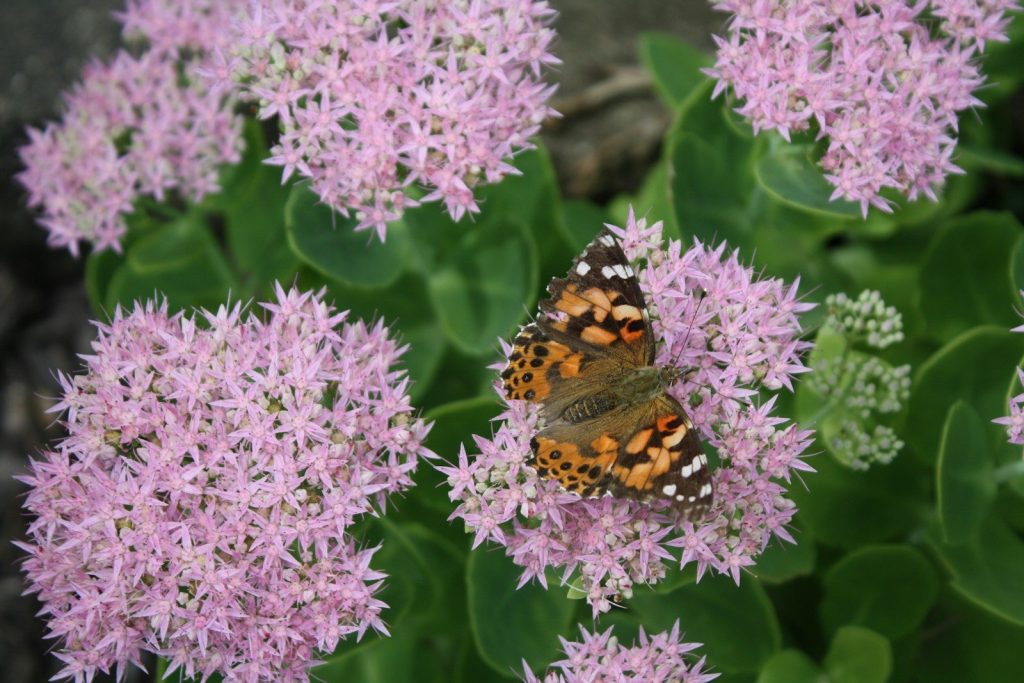
Sedum stores water directly in its thick leaves, allowing mature plants to go long periods without rainfall. Upright varieties produce broad flower clusters that open pink in late summer and gradually deepen into bronze tones during fall.
The dried flower heads often remain upright through winter, extending seasonal interest well beyond the growing season.
Sedums require little beyond full sun and decent drainage to remain healthy for years.
6. Karl Foerster Grass
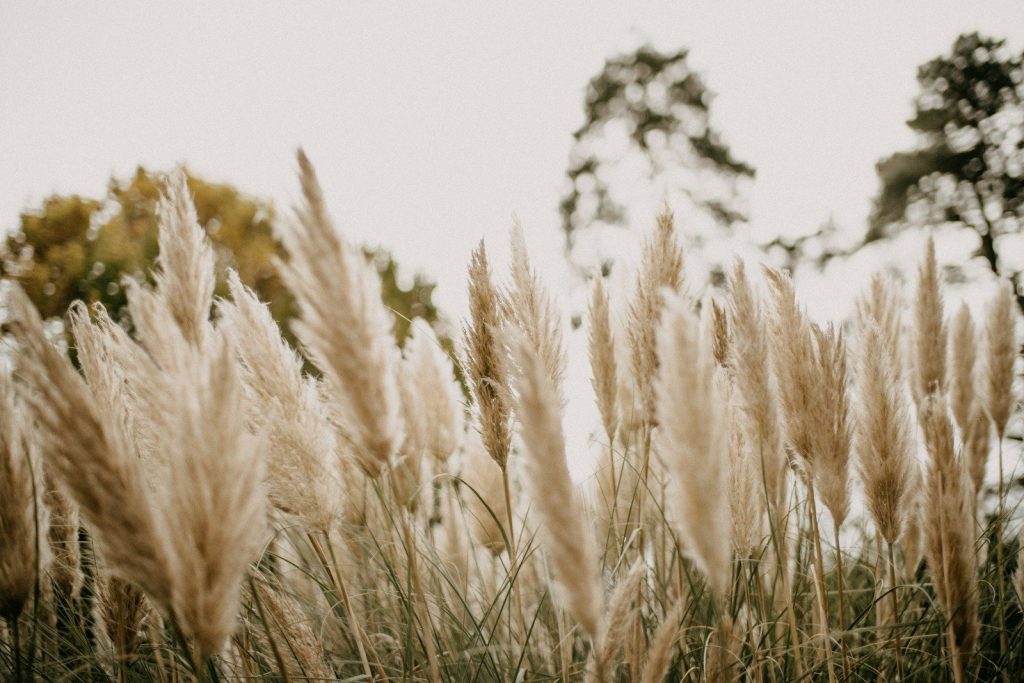
Karl Foerster Feather Reed Grass grows in a narrow upright shape that adds strong vertical structure to perennial borders. Feathery plumes emerge in early summer and slowly shift from green to golden tan as the season progresses.
Even during winter, dried stems remain standing through snow and wind, helping gardens maintain structure after flowering plants die back.
The plant requires minimal maintenance beyond occasional cutting back in late winter or early spring.
7. Catmint
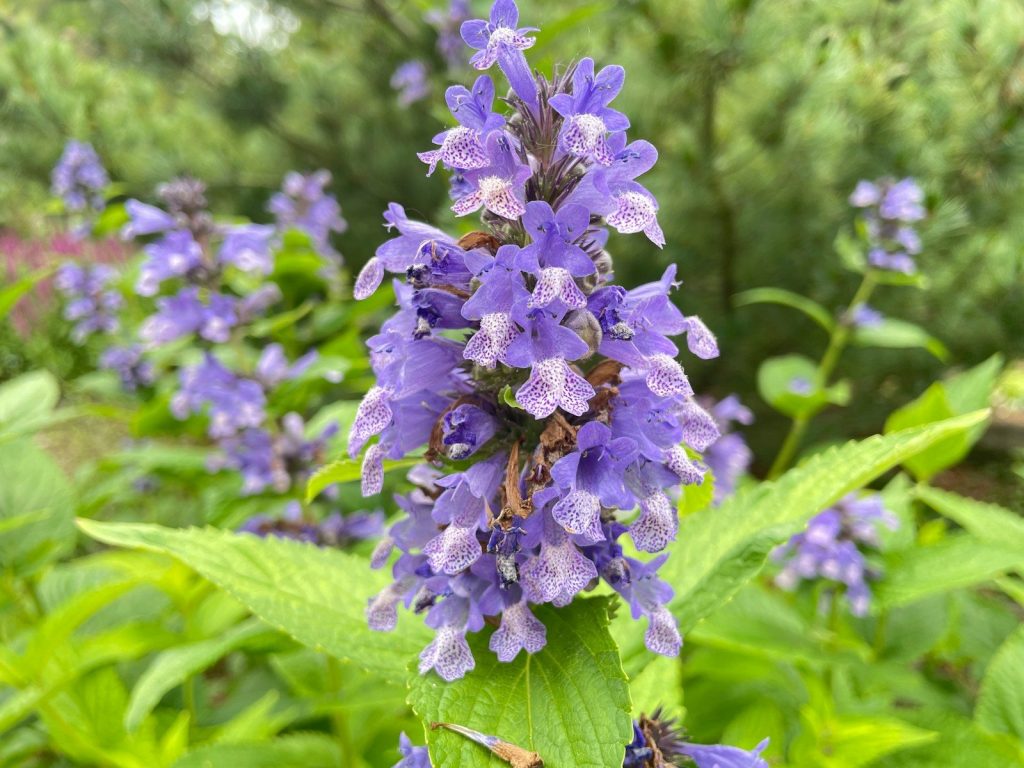
Catmint produces lavender-blue flowers from late spring into early summer and often reblooms after trimming. Bees and butterflies visit the flowers heavily throughout the growing season.
The aromatic foliage helps discourage deer, and the plant handles poor soil, drought, and summer heat with little difficulty.
Catmint spreads into soft mounds that work well along pathways, borders, or mixed perennial beds.
8. Hosta
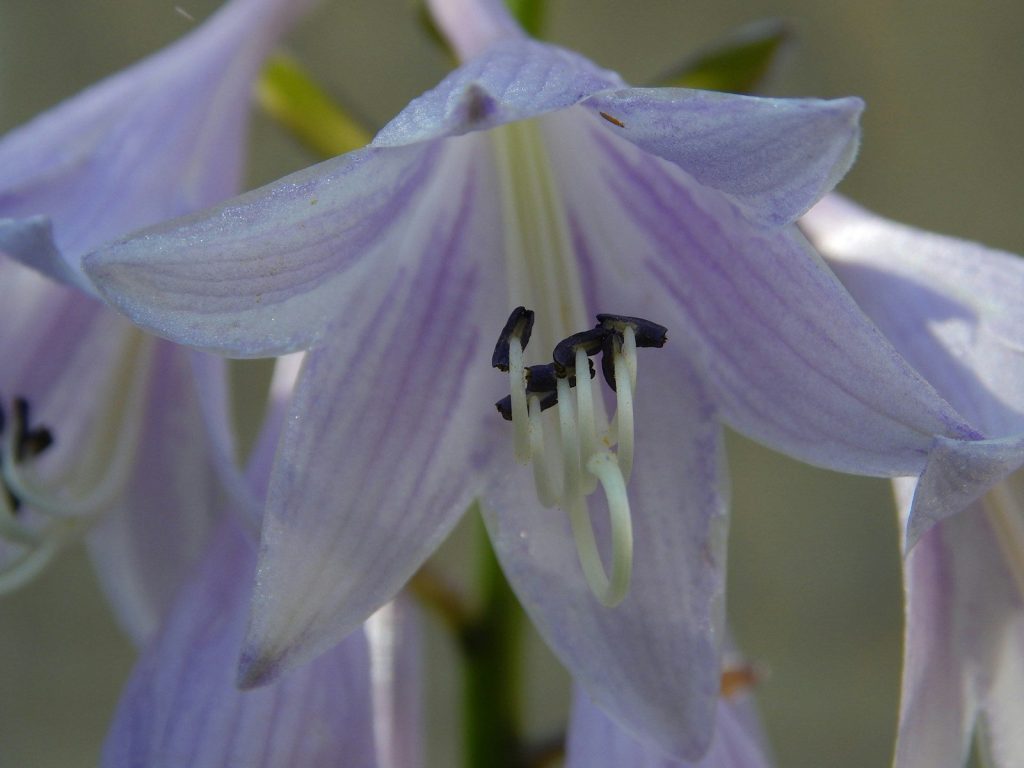
Hosta solves one of the most difficult gardening problems: deep shade. It grows successfully beneath trees and in low-light spaces where many flowering plants struggle.
Leaf sizes range from compact chartreuse mounds to large blue-green varieties with leaves spanning nearly two feet across. The foliage provides season-long texture even when plants are not flowering.
Slugs can become an issue in wet conditions, though hostas otherwise require little maintenance beyond occasional division every several years.
Building a Garden That Lasts
The first growing season requires the most attention. Newly planted perennials benefit from roughly one inch of water per week during their first summer. By the second year, most become largely self-sufficient.
Fall planting often encourages stronger root development because soil stays warm longer after air temperatures cool. Adding mulch after planting helps conserve moisture and suppress weeds.
A perennial garden improves with time. Clumps expand naturally, pollinators return each season, and the planting develops a settled appearance that annual gardens rarely achieve. Starting with just a few reliable plants and expanding gradually often produces the strongest long-term results.