

The rise of mindful drinking has become one of the biggest lifestyle trends of the mid-2020s. More people are choosing to go for functional beverages, like drinks created to support relaxation, focus, or stress management instead of alcohol. Sales of alcohol-free alternatives climbed rapidly between 2023 and 2025, and the category is still growing now in 2026.
With so many products making bold promises, finding drinks that actually do what you want them to do can be hard. These three beverages stand out because of the research supporting their ingredients, how they affect the body, and the ways they can fit into a healthy routine.
1. Ashwagandha Elixir: The Stress-Relief Root
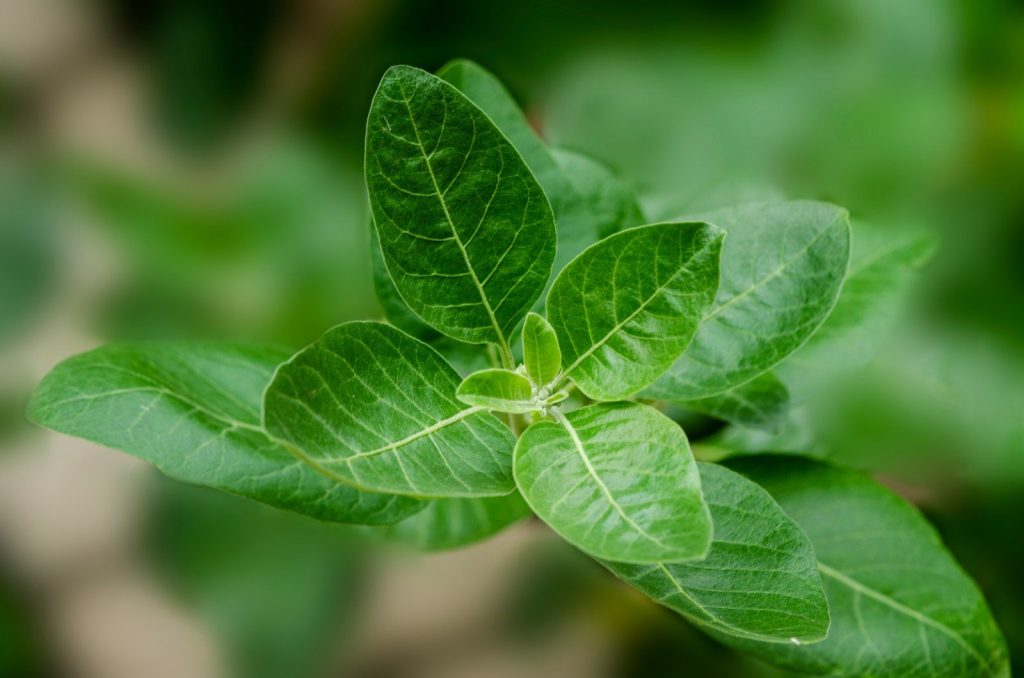
Ashwagandha, also known as Withania somnifera, has been used in Ayurvedic medicine for thousands of years to help with stress, fatigue, and anxiety. Modern studies support many of those traditional uses. A 2023 review published in the Journal of Ethnopharmacology found that regular ashwagandha supplementation lowered cortisol levels, the hormone linked to the body’s stress response.
High cortisol over long periods can affect sleep, mood, and digestion. Ashwagandha supports a healthier stress response by influencing the hypothalamic-pituitary-adrenal axis, the system that regulates how the body handles pressure and tension. By 2026, ashwagandha drinks are widely available in forms such as sparkling tonics, canned beverages, and warm oat-milk blends.
Ashwagandha: Getting the Best Results
Ashwagandha works gradually. Most users notice changes in overall stress levels after two to four weeks of steady use. Quality matters when choosing a product. Look for standardized root extracts that list withanolide content, since these compounds are responsible for many of the herb’s stress-supporting effects. Most effective servings contain 300 to 600 milligrams of root extract with at least 5% withanolides.
A simple homemade version combines half a teaspoon of ashwagandha powder with warm oat milk, cinnamon, and honey. The flavor is earthy and lightly sweet, making it a calming evening drink. Anyone who is pregnant, breastfeeding, or taking thyroid medication should speak with a doctor before regular use.
2. Kava: The Pacific Island Relaxant
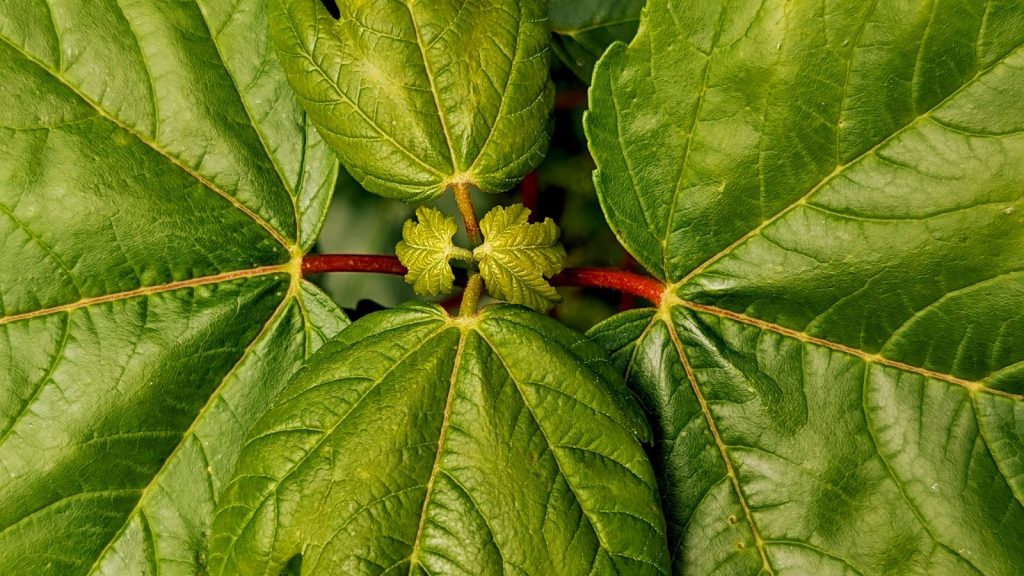
Kava comes from the root of the Piper methysticum plant and has been consumed in Fiji, Tonga, Vanuatu, and Hawaii for centuries. Its active compounds, known as kavalactones, interact with GABA receptors in the brain and help reduce anxiety.
Many people describe kava as calming and socially relaxing while still allowing clear thinking. Research published in Nutrients in 2024 reported that noble kava varieties have a solid safety profile when consumed responsibly and in moderate amounts.
Consumers should confirm that products contain noble kava root only. Lower-quality products sometimes include leaves, stems, or tudei kava varieties, which carry a greater risk of liver strain.
Kava: A Modern Social Alternative
Kava bars have expanded across cities such as Austin, Miami, Portland, and New York. By 2026, many operate as social gathering spaces that also host meditation sessions, live music, and quiet community events.
For people seeking a relaxing social drink without alcohol’s hangover effects, kava has become a popular option. Typical servings contain between 70 and 250 milligrams of kavalactones. Effects usually begin within 20 to 30 minutes and may last several hours. Kava should never be mixed with alcohol because both substances are processed by the liver. Combining them increases unnecessary strain on the body.
3. L-Theanine Tea: Calm Focus
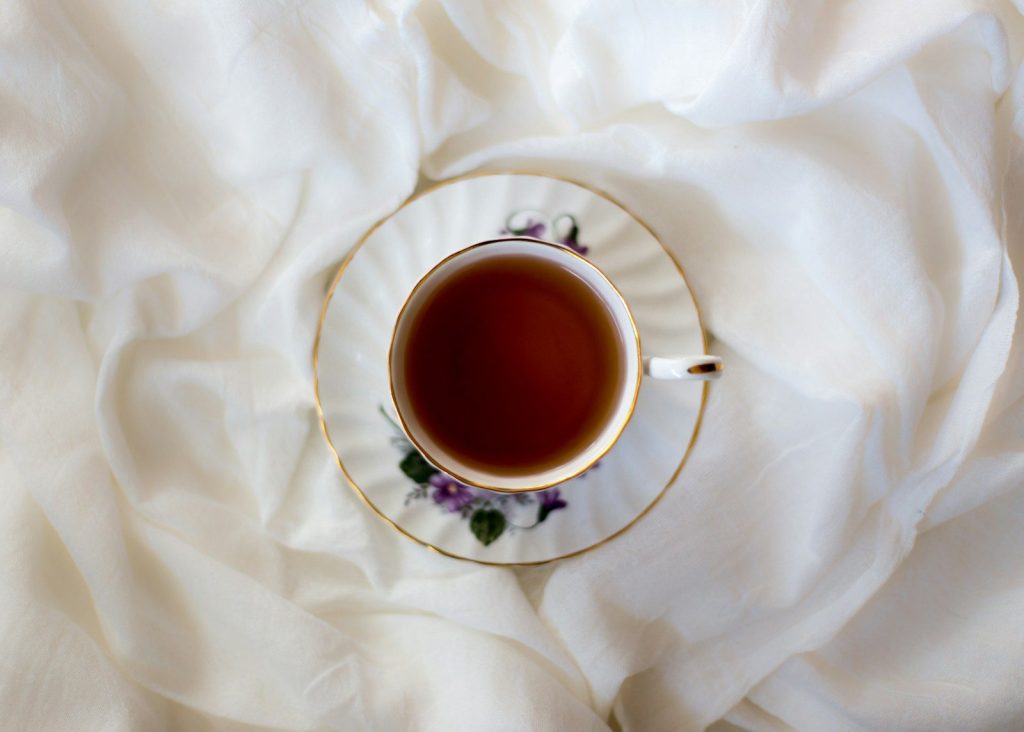
L-theanine is an amino acid found mainly in the tea plant, Camellia sinensis. It increases alpha brain wave activity, which is linked to relaxation and mental clarity. It also supports levels of GABA and serotonin, chemicals connected to mood and calmness.
Unlike many relaxing compounds, L-theanine does not usually cause drowsiness. When combined with caffeine, as naturally found in tea, it can create a smoother and steadier sense of alertness. Nutrition researchers often point to this pairing as one of the most reliable combinations for calm focus.
L-Theanine Tea: Choosing the Best Type
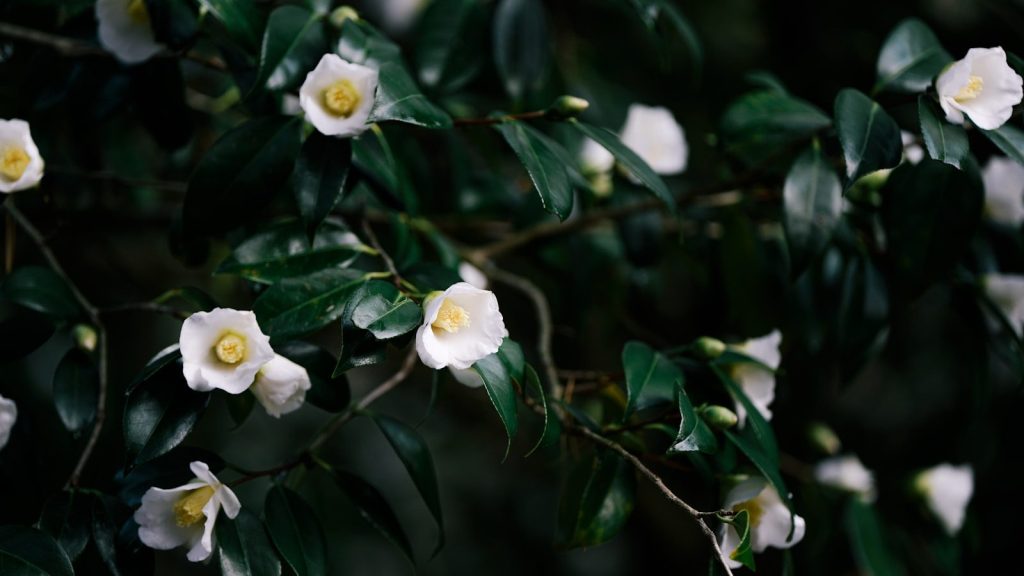
Matcha contains some of the highest levels of L-theanine because the entire tea leaf is consumed in powdered form. A cup of matcha may contain two or three times more L-theanine than standard green tea. Gyokuro also contains high levels, followed by green tea, white tea, and black tea. Herbal teas do not contain L-theanine because they are not made from the tea plant.
By 2026, canned teas and sparkling waters infused with 100 to 200 milligrams of L-theanine are common in stores. People looking for relaxation without stimulation may prefer caffeine-free L-theanine drinks or low-temperature brewed gyokuro, which draws out more theanine and less caffeine.
Putting It Together

Each of these drinks supports relaxation in a different way. Ashwagandha works best as a long-term daily habit for stress management. Kava is more suited to social settings or evening relaxation after a demanding day. L-theanine tea supports calm focus and steady concentration during work or quiet evening routines.
None of these beverages replaces professional treatment for severe anxiety or chronic stress conditions. Used as part of a balanced lifestyle, they can provide meaningful support backed by growing scientific research.
The Bottom Line

The strongest alcohol-free beverages of 2026 are building their own identity around ingredients with researched effects on stress, focus, and relaxation.
Ashwagandha supports long-term stress regulation. Kava promotes social calm and relaxation. L-theanine encourages mental clarity with a gentler sense of focus.
Trying One Option
A practical way to begin is by trying one option that fits a specific need, whether that means preparing a warm ashwagandha drink at night, visiting a kava bar, or starting the day with matcha tea.
Anyone adding supplements or functional drinks to a regular routine should speak with a healthcare provider first, especially when taking medication or managing an existing health condition.