
Buying a washer-dryer is one of the more consequential appliance decisions a household makes. Unlike smaller appliances that get replaced without much thought, a washer-dryer is expected to run thousands of cycles over a decade or more, handling everything from muddy sports uniforms to heavy winter bedding, week after week.
The market in 2026 is crowded. Dozens of brands compete for shelf space, and the marketing language all sounds the same. Price alone does not separate the reliable from the unreliable. What does is the data.
Repair technicians, consumer reliability surveys, and long-term ownership reports consistently show that a handful of brands pull ahead, and others fall well short of their advertised lifespans. The seven brands covered here are the ones experts point to when asked what they would put in their own homes.
What Makes a Washer-Dryer Reliable
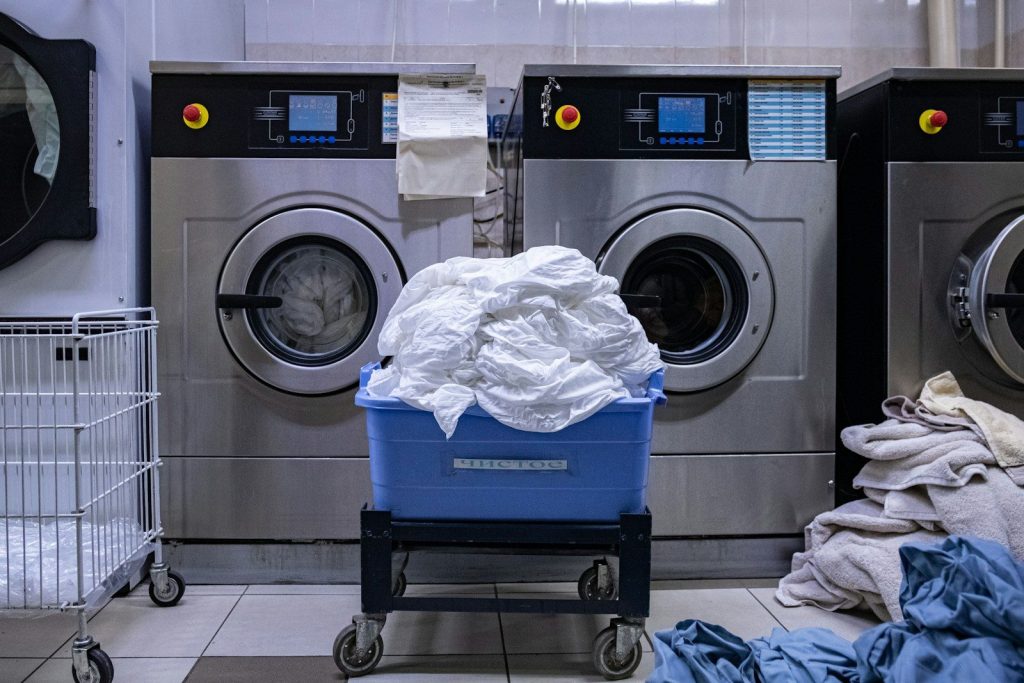
Reliability comes down to specific engineering decisions. Direct-drive and inverter motors eliminate belt-and-pulley systems, reducing failure points and noise. Parts availability matters just as much: brands with deep manufacturing histories keep components in circulation longer, lowering repair costs.
Repair rate data from Consumer Reports and independent technicians offers the most objective measure of which machines hold up. A motor warranty of five years or more signals genuine manufacturer confidence.
And simpler control interfaces outperform feature-heavy touchscreen panels over the long run, since every added electronic component is an additional point of potential failure.
1. LG
LG holds the top spot in independent reliability rankings consistently enough that technicians treat it as a baseline expectation. The Direct Drive motor connects directly to the drum without a belt or pulley, and its durability in real-world conditions is well documented.
LG backs it with a ten-year motor warranty, one of the strongest in the category. TurboWash 360 cuts cycle times using multiple water jets, and the Steam Plus function refreshes garments without a full wash cycle. The WashTower integrated unit reduces vibration and suits smaller homes. For most households, LG is the place to start.
2. Miele
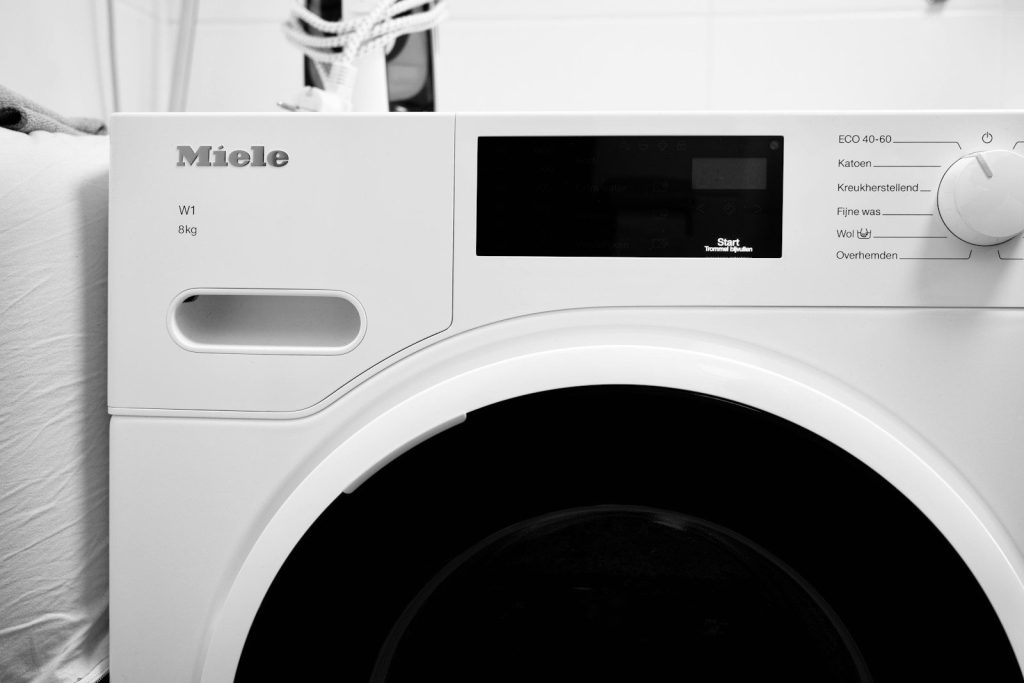
Every Miele machine is factory-tested to 20 years of use before leaving the facility. That standard reflects in failure rate data collected across more than a decade of ownership surveys. The price falls between $1,500 and $2,500, which is a significant adjustment for most buyers.
Owners who make the switch report that repair bills, replacement costs, and depreciation over ten years change the math considerably. The HoneyComb drum creates a film of water between fabric and drum, extending garment life alongside machine life.
Parts availability in the U.S. is strong, and resale value holds better than almost any competing brand. For households planning a long stay in one home and willing to invest accordingly, Miele is the most defensible choice available.
3. Speed Queen
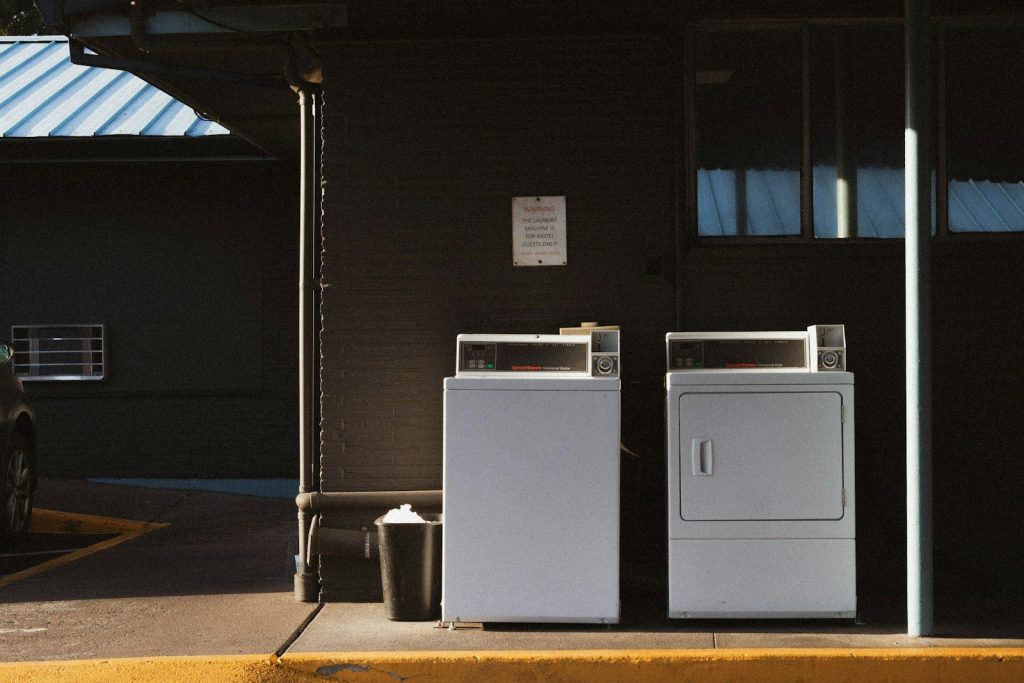
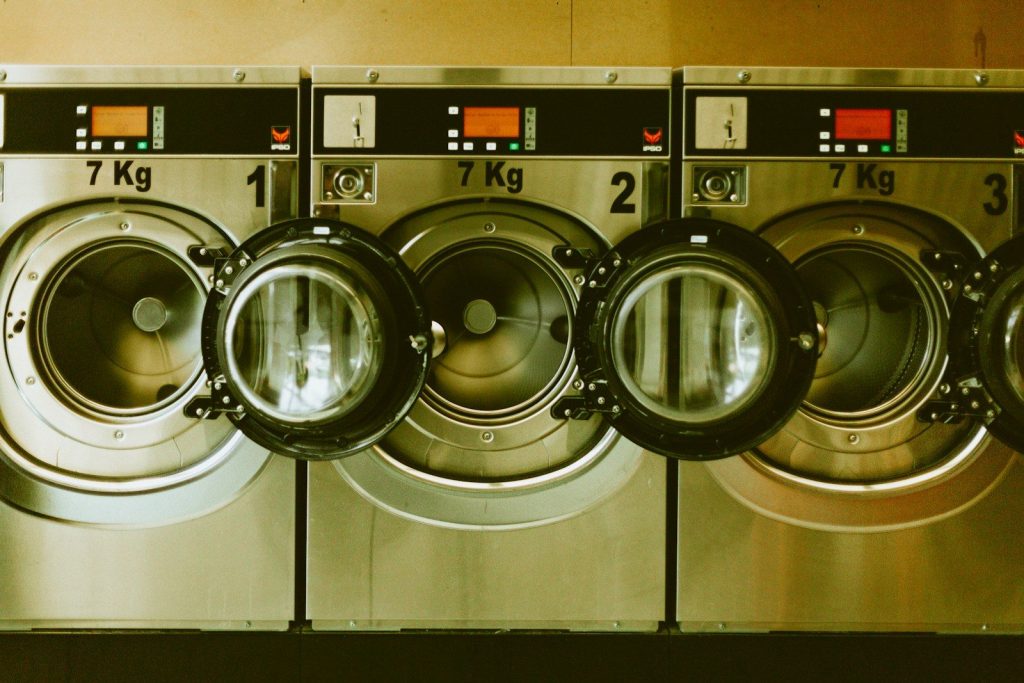
Speed Queen builds machines for commercial laundromats. The residential line uses the same engineering foundation. Tubs are stainless steel, transmissions are commercial-grade, and controls are mechanical rather than digital, eliminating control board failures entirely.
The brand has been manufactured in Ripon, Wisconsin since 1908, and spare parts are widely available. The current residential line carries a five-year warranty on parts, labor, and motor. Speed Queen machines are not the most feature-rich option on the market.
They are built to wash clothes reliably for as long as possible, and they do exactly that. Large families and heavy-use households will find the build quality holds up in ways that most competitors do not match.
4. Samsung and Bosch
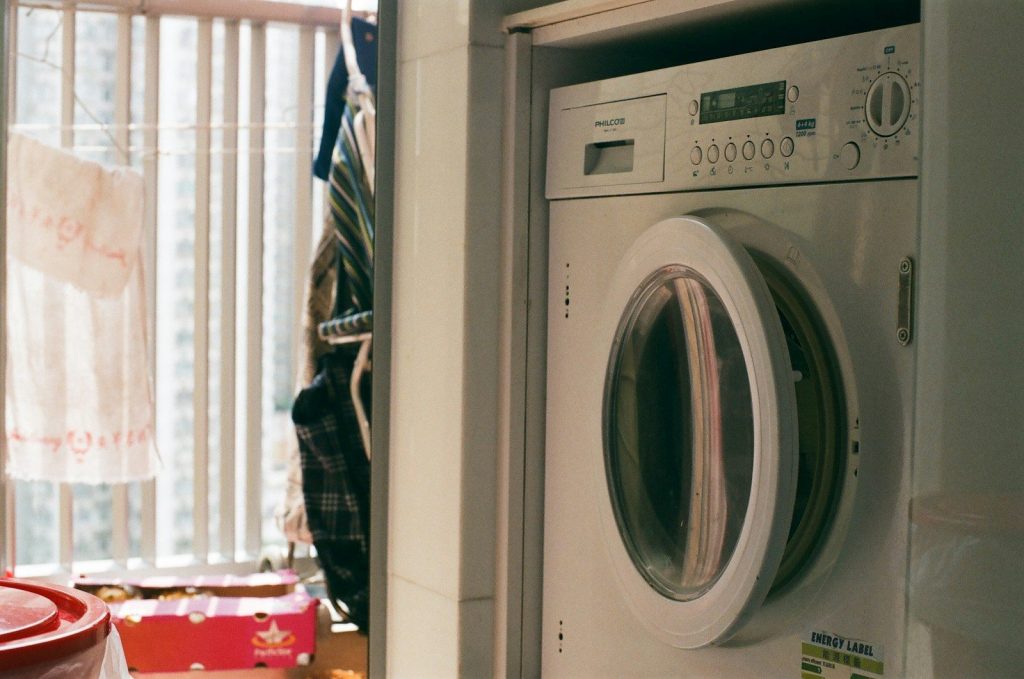
Samsung’s VRT Plus vibration reduction system has improved reliability scores on current models, and EcoBubble technology allows effective cold-water washing that reduces energy consumption. Mid-range Samsung configurations with conventional panel controls outperform flagship models with large touchscreens, which show higher control board failure rates in consumer data.
Bosch is the consistent recommendation for apartments and condos. The EcoSilence motor runs quietly enough to allow normal conversation in an adjacent room during a spin cycle. Series 8 front-loaders post wash quality scores that compete with machines priced considerably higher, and failure rates sit well below the industry average. Compact configurations fit spaces where standard-depth machines do not.
5. Electrolux and Whirlpool
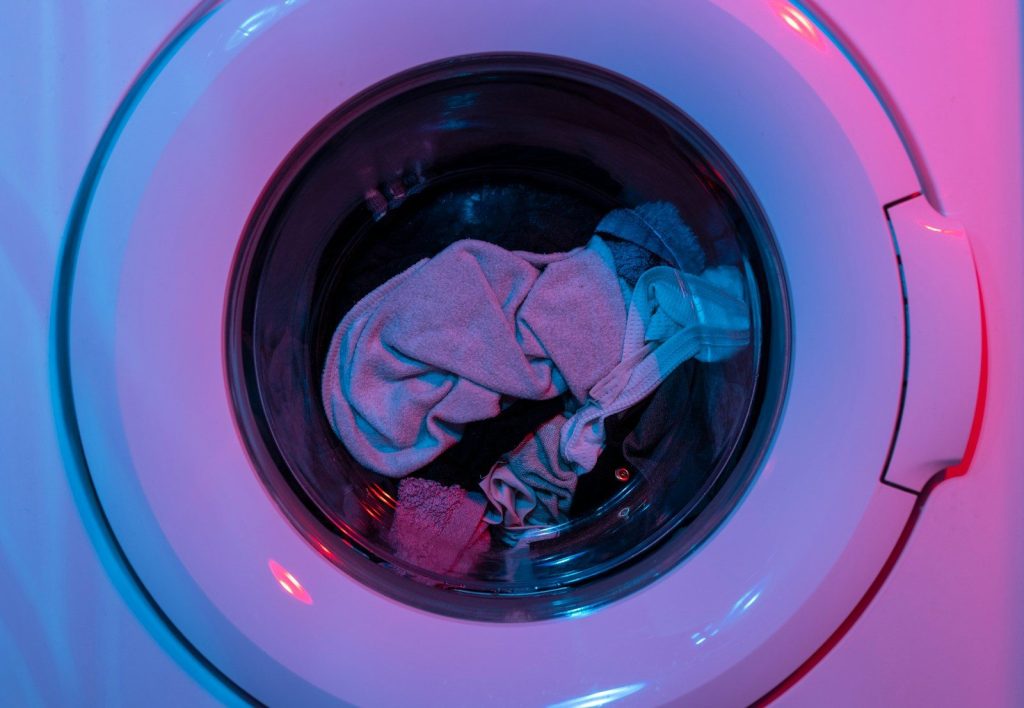
Electrolux front-loaders are built around fabric care. The Perfect Steam system reduces wrinkling, and the LuxCare Wash algorithm adjusts temperature, drum speed, and soak time based on load weight and fabric type. Five-year owner satisfaction surveys place Electrolux near the top of the mid-range category, with notably low drum failure rates.
Whirlpool does not top any single performance category. It earns its place through serviceability. Authorized technicians cover virtually every U.S. zip code, parts are inexpensive and widely stocked, and the brand maintains consistent parts compatibility across model generations. For households that prioritize low-friction repairs over maximum performance, Whirlpool is a well-supported, rational choice.
Brands to Approach With Caution
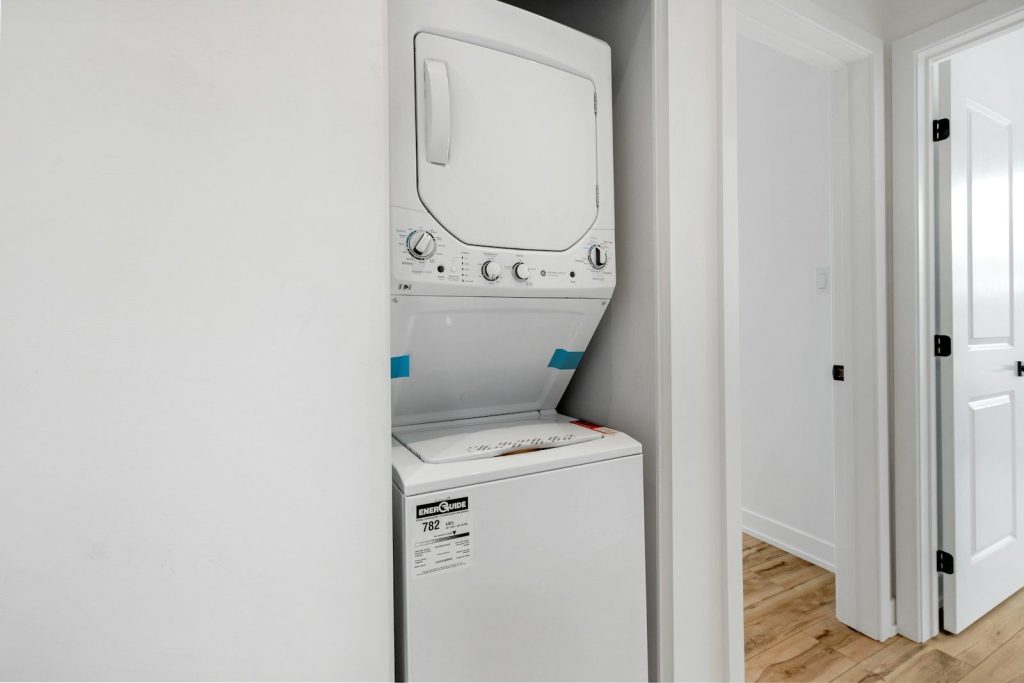
Budget-priced imports without a domestic service network have expanded since 2023. A minor mechanical problem can translate into a multi-week wait for internationally shipped parts, or a service call that costs more than the machine is worth to repair. Feature-heavy flagship models from otherwise reliable brands carry disproportionately higher control board failure rates.
First-year releases of new product lines carry manufacturing unknowns regardless of brand. Buying a model in its second or third year of production is consistently lower risk. Before committing to any machine, cross-reference the specific model on RepairClinic.com and check Consumer Reports’ appliance reliability surveys.
Five Things to Do Before Buying
Check the model’s production year, not just the brand name. Seek out reviews from owners two to five years into ownership, where reliability problems surface. Call the brand’s service line and confirm how many authorized technicians operate within 30 miles of the home address.
Prioritize motor warranty length as a standalone criterion: a five-to-ten-year motor warranty reflects genuine confidence in the machine’s core component. Evaluate every listed feature against actual use. Each piece of connectivity or smart-home integration that goes unused is an additional failure point working against long-term reliability.
Final Verdict
LG is the strongest overall recommendation for most buyers. Miele is the correct answer for buyers planning a decade or more in one home who want a machine that will almost certainly outlast that timeline.
Speed Queen suits large families and heavy-use households. Bosch is the top choice where noise and footprint are genuine constraints. Samsung performs well in mid-range configurations within the SmartThings ecosystem. Electrolux offers the best fabric care quality in the mid-range bracket. Whirlpool is the most practical choice for buyers who prioritize affordable, accessible service above all else.
A machine from any of these seven brands, chosen thoughtfully and maintained properly, should deliver reliable performance for a decade or more. The brands worth avoiding are the ones not on this list, particularly budget imports and heavily spec-loaded models that look appealing at the point of sale and underperform in the years that follow.