

Inflammation is the body’s built-in alarm system. When injury or infection occurs, the immune system sends chemical signals that trigger swelling, heat, and increased blood flow to the affected area. That response is necessary and, in the short term, protective.
The trouble starts when inflammation becomes chronic. Low-grade, persistent inflammation has been linked to heart disease, type 2 diabetes, and arthritis. Researchers have spent years examining how diet influences this process, and one finding that keeps resurfacing is the connection between certain teas and reduced inflammatory markers.
Six teas in particular have earned consistent attention in the scientific literature, and each one works through a distinct set of plant compounds.
Why Tea Works

Most teas contain a class of plant compounds called polyphenols. These naturally occurring chemicals interact with the body’s inflammatory signaling pathways, often by suppressing the enzymes and proteins that trigger and sustain inflammation. Polyphenols also function as antioxidants, neutralizing free radicals before they can damage cells and set off further inflammatory responses.
Different teas contain different types of polyphenols, which is why each variety has its own anti-inflammatory profile. No tea replaces medical care or treats any condition. These are dietary additions that support the body’s natural regulatory systems when consumed consistently over time.
1. Green Tea
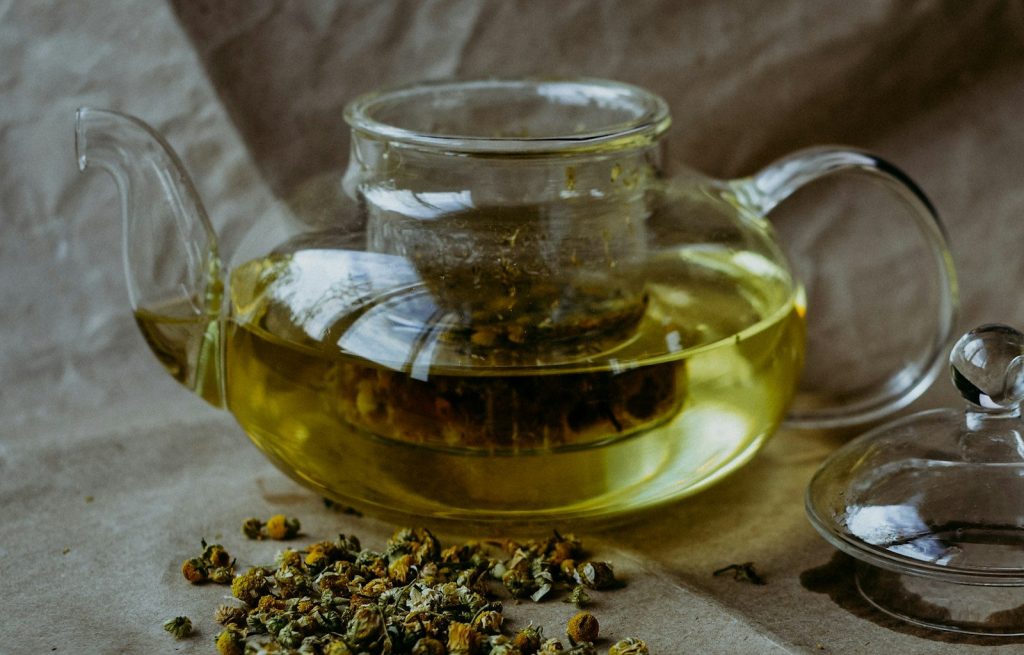
Green tea has the most extensively studied anti-inflammatory profile of any beverage. Its primary active compound is epigallocatechin gallate, or EGCG, a catechin that works by inhibiting NF-kB, a protein complex that functions as a master switch for inflammation. When NF-kB becomes overactive, it drives the production of pro-inflammatory cytokines. EGCG disrupts this pathway and helps reduce systemic inflammation at the cellular level.
Human studies have shown that regular green tea consumption is associated with lower blood levels of C-reactive protein (CRP), a standard clinical marker for inflammation. Green tea should be steeped at around 75 to 80 degrees Celsius. Higher temperatures degrade EGCG. Matcha, a powdered whole-leaf form of green tea, delivers a significantly higher concentration of the same compounds per serving.
2. Turmeric Tea
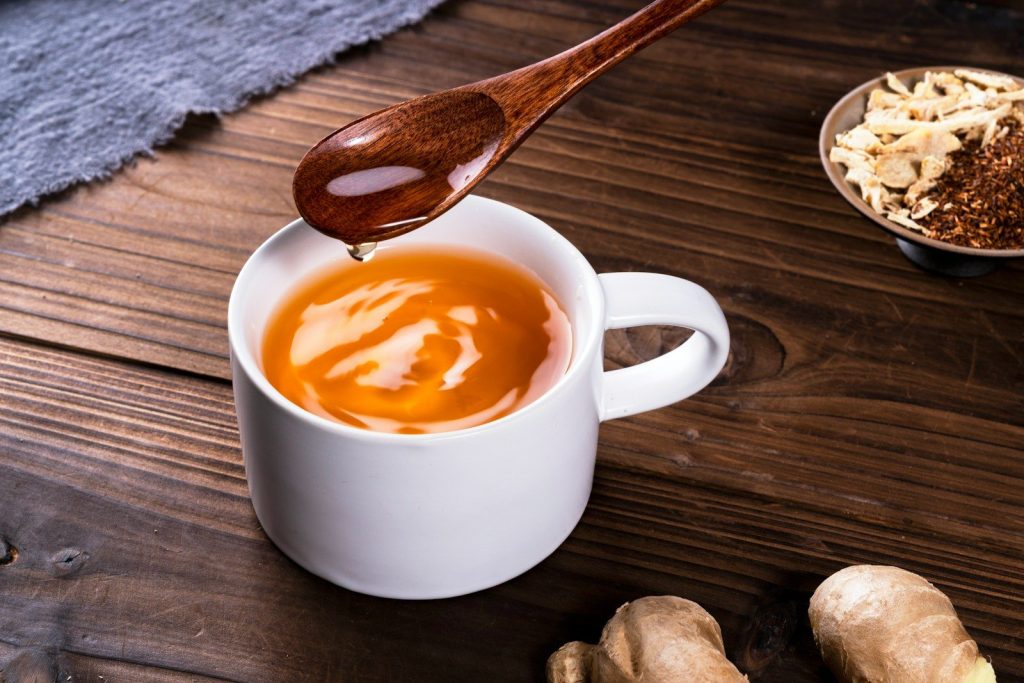
Turmeric’s primary active compound is curcumin, a polyphenol that works on several inflammatory pathways at once. It suppresses NF-kB and inhibits COX-2 enzymes, the same mechanism behind over-the-counter anti-inflammatory medications like ibuprofen.
Curcumin is absorbed poorly on its own. Adding black pepper solves this problem. Piperine, the compound responsible for black pepper’s heat, increases curcumin absorption by up to 2,000 percent. Adding a small amount of healthy fat, such as coconut milk, improves absorption further.
3. Ginger Tea

Ginger’s main active compounds are gingerols and shogaols, phytochemicals that inhibit pro-inflammatory enzymes and reduce the production of inflammatory prostaglandins. A 2022 meta-analysis found that ginger supplementation produced measurable reductions in CRP and TNF-alpha, both standard markers of systemic inflammation.
Ginger tea is also one of the most gut-supportive options on this list. It aids digestion and may help regulate gut microbiota, which researchers have increasingly linked to whole-body inflammation control. Fresh ginger contains higher concentrations of gingerols, while dried ginger is richer in shogaols. Both forms carry anti-inflammatory value.
4. Chamomile Tea

Chamomile’s primary active compounds are flavonoids, particularly apigenin, which has demonstrated the ability to reduce inflammatory activity in both laboratory models and human trials. Research published in the journal Phytomedicine documented chamomile’s ability to reduce COX-2 expression and suppress several inflammatory genes.
Chamomile also addresses inflammation through its effect on stress and sleep. Chronic stress elevates cortisol, and persistently high cortisol levels increase the production of inflammatory cytokines. Poor sleep has a similar effect. Chamomile has been shown to reduce anxiety and improve sleep quality, making it useful both for its direct phytochemical activity and its effect on the stress response.
5. Rosehip Tea

Rosehips are among the richest plant sources of vitamin C available, and vitamin C is one of the primary antioxidants the body uses to counteract oxidative stress. The more distinctive compound in rosehips is GOPO, a galactolipid found in very few other natural sources.
Multiple randomized controlled trials have shown GOPO produces measurable reductions in pain and stiffness in patients with osteoarthritis and rheumatoid arthritis. A 2025 systematic review identified rosehip extract as one of the more promising natural interventions for inflammatory joint conditions.
6. White Tea

White tea comes from the youngest leaves and buds of the Camellia sinensis plant, harvested before they fully open and processed as minimally as possible. Some analyses have found white tea to contain higher concentrations of certain catechins than green tea. A 2021 study in the Journal of Inflammation Research found that white tea extract suppressed multiple inflammatory pathways in macrophage cell models, which are immune cells central to chronic inflammation.
White tea also contains L-theanine, an amino acid that may help moderate the stress response. Of all true teas, it carries the lowest caffeine content.
Getting the Most From These Teas

Consistency produces better results than occasional large quantities. Two to four cups per day is a realistic, evidence-supported target. Added sugar works against the goal, as refined sugar is pro-inflammatory on its own. Small amounts of raw honey are a reasonable alternative.
Rotating between varieties throughout the week covers a broader range of anti-inflammatory pathways than sticking to one tea exclusively. Pairing these teas with adequate sleep, regular physical activity, and a diet based on whole foods amplifies the effect considerably.
Takeaway

Each tea covered here targets inflammation through a distinct mechanism. Green tea offers EGCG, which blocks the NF-kB inflammatory switch. Turmeric delivers curcumin, which rivals pharmaceutical COX-2 inhibitors in its mechanism. Ginger reduces established inflammatory markers and supports gut health.
Chamomile works through direct flavonoid activity and its calming effect on the stress and sleep systems. Rosehip provides vitamin C alongside GOPO, with clinical trial evidence specifically for joint inflammation. White tea preserves polyphenols at high levels through minimal processing and carries the lowest caffeine load of any true tea.
Adding one or two of these teas to a daily routine is a low-cost, practical way to support the body’s ability to regulate inflammation over time.