

Aging is inevitable, but looking older than you are is not. Most people blame their genetics or time for visible aging, but your daily habits play a bigger role than either of those two things.
The way you sleep, eat, hydrate, and even hold your phone accumulates over the years and can show on your face and body. Luckily, we have compiled 8 commons everyday habits that can make you look older. None of these habits are dramatic, but that’s what makes them worth paying attention to.
1. Skimping on Sleep

During deep sleep, the body releases growth hormones, which are responsible for cell repair and collagen production. If you cut this process short consistently, your skin loses its ability to recover. This means that fine lines can deepen faster, puffiness can stop fully resolving, and your complexion can turn dull and uneven.
Research in sleep medicine has shown that people who get fewer than six hours of sleep per night are rated as looking noticeably older than well-rested individuals, even by strangers. With screen time at record levels in 2026 and sleep schedules more disrupted than ever, this is one of the most common aging accelerators people underestimate.
You should aim for 7 to 9 hours of sleep each night. If you struggle to fall asleep, you can try a wind-down routine and cut screens for about 45 minutes before bed. It makes a huge difference.
2. Skipping Sunscreen on Cloudy Days
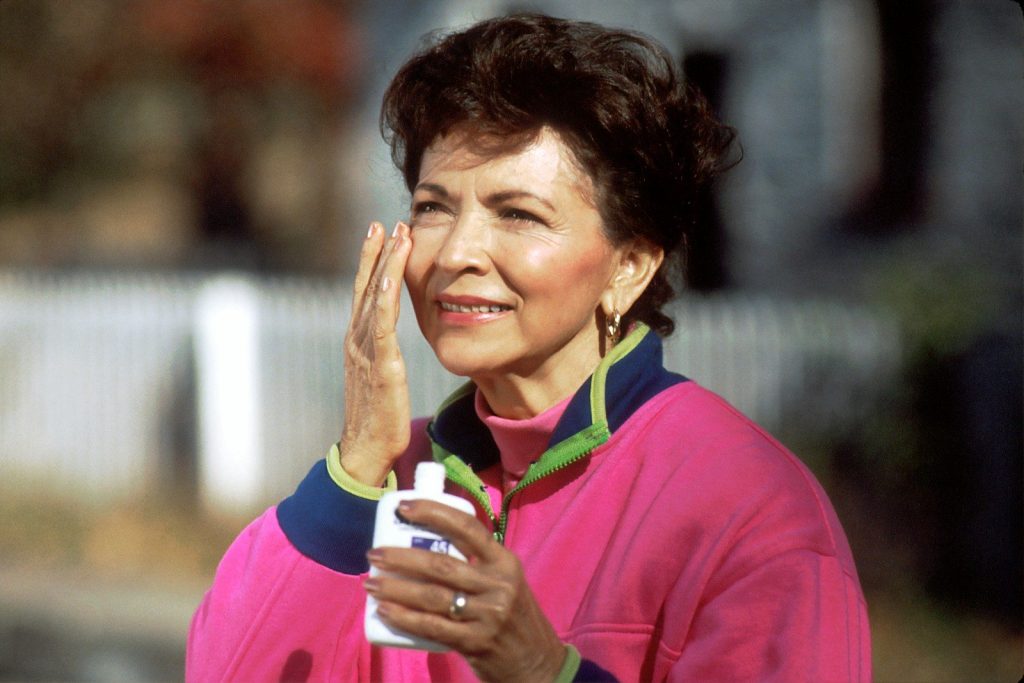
Up to 80 percent of UV radiation passes through cloud cover. That means that even on cloudy days, you should still protect yourself from the sun. Most people use SPF only when its sunny outside, and that gap in protection accumulates over the years.
Photoaging accounts for the majority of visible skin changes like hyperpigmentation, broken capillaries, loss of firmness, and deep wrinkles. Even routine daily exposure from driving or sitting near a window degrades collagen on a slow, steady basis.
Dermatologists say that daily broad-spectrum SPF is the most evidence-backed anti-aging step available. Lightweight, tinted formulations in 2026 are invisible under makeup and double as skincare, removing any real barrier to daily use.
3. Chronic Dehydration

Persistent, low-level dehydration affects skin texture, elasticity, and the visibility of fine lines. Skin cells that lack moisture become less plump, lines appear more pronounced, and your complexion looks flat.
Topical moisturizers are only good for the outer layer of your skin. Hydration has to come from within. Coffee, alcohol, and many energy drinks actively pull water from your body, which means that your actual intake is often lower than you assume. Keeping a water bottle on hand is a small adjustment that can help you prevent early aging. Visibility drives behavior more reliably than good intentions.
4. Repetitive Facial Expressions and Tech Neck

Squinting at screens deepens crow’s feet. If you frown continuously, it will set lines between your eyebrows. Looking downward at a phone or laptop for hours each day creates horizontal creases across your neck and accelerates jowl formation by pulling your face forward and down.
Tech neck has become one of the most discussed concerns in dermatology in 2026, and is tied directly to the posture most people hold during remote work and while using their phones. Raising your screen to eye level costs nothing and addresses the problem at its source. Holding a phone at face level rather than dropping your chin is a small change that makes a big difference over thousands of daily interactions.
5. A High-Sugar Diet
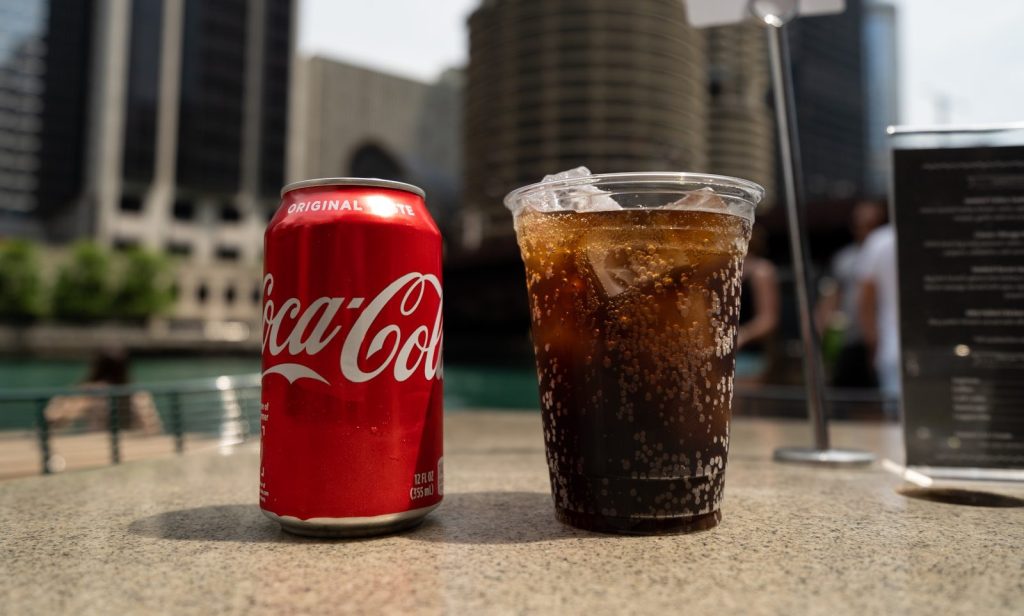
Sugar accelerates your aging through glycation. Excess glucose in the bloodstream binds to collagen and elastin, making them stiff and less functional. The collagen that is responsible for your skin’s firmness degrades faster, and your skin begins to sag and wrinkle earlier than it otherwise would.
Refined carbohydrates, including white bread, pasta, and many packaged foods that are often marketed as healthy, convert rapidly to glucose and trigger the same response. Liquid sugar in sodas, juices, and sweetened coffees is typically the easiest place to make meaningful cuts. Reducing it does not require a full dietary change, just a consistent awareness of where the largest spikes are coming from.
6. Sleeping on a Cotton Pillowcase

A standard cotton pillowcase creates friction against the skin across seven to nine hours each night. Over months and years, that friction contributes to sleep lines that gradually become permanent creases. Cotton also absorbs moisture aggressively, pulling hydration from your skin and from overnight products that you might have applied before bed.
Silk and satin pillowcases are widely available at affordable prices in 2026. The reduced friction and retained moisture produce real differences for both your skin and hair. Sleeping on your back also eliminates face-pillow contact entirely, but for those who cannot sleep on their back, the pillowcase fabric is the most practical alternative.
7. Yo-Yo Dieting and Rapid Weight Changes
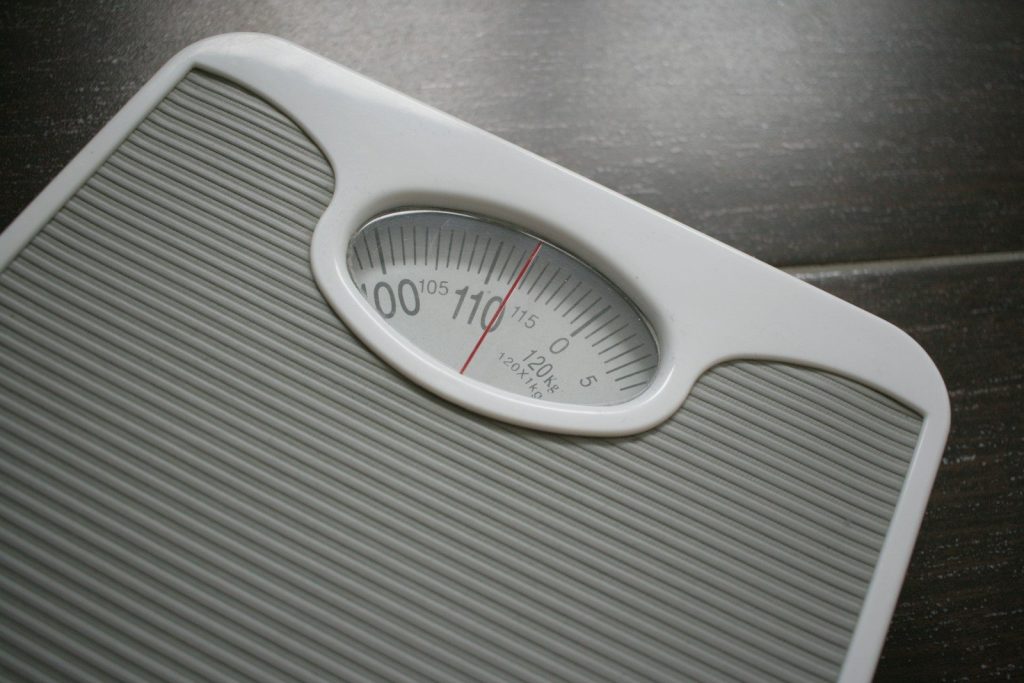
Each cycle of losing and regaining weight stretches and contracts your skin. Over time, the elastin fibers that allow your skin to retract begin to break down. After enough cycles, your skin can no longer fully snap back, and weight loss that reaches a healthy number on the scale may still leave behind sagging that adds years to a person’s appearance.
Fat loss in the face carries its own consequences. The fat pads that give a young face its fullness deplete naturally with age, and crash dieting speeds that process up considerably, hollowing the cheeks and temples almost immediately. Slow changes of one to two pounds per week give your skin time to adjust. Adequate protein intake during any weight loss phase supports muscle preservation and collagen production.
8. Neglecting the Neck and Hands
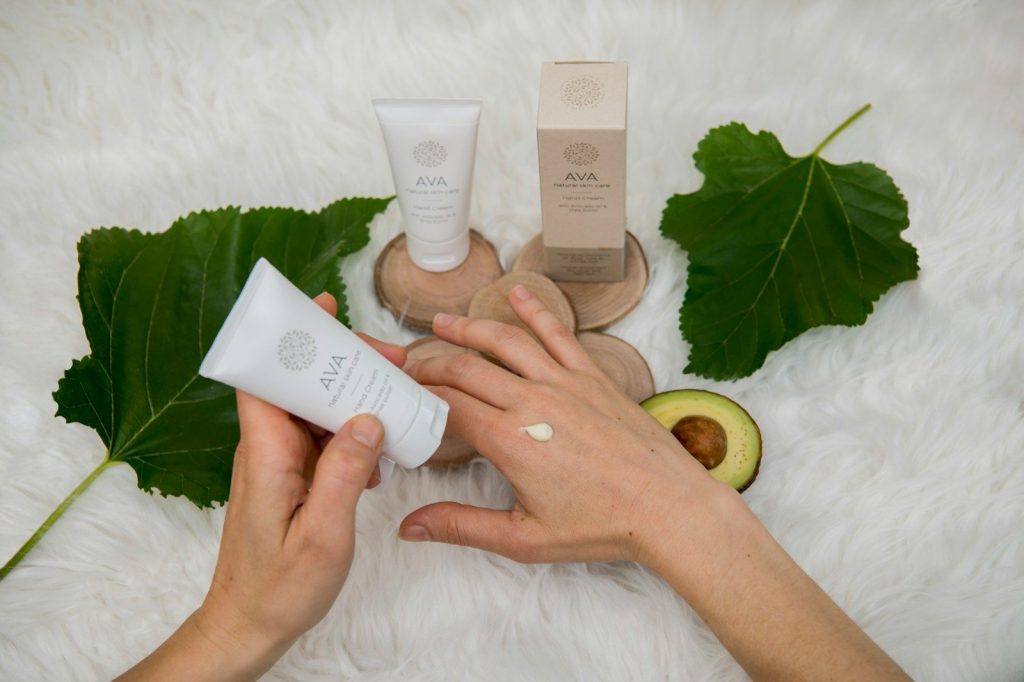
Most skincare routines stop at the jawline. But your neck and hands reveal age faster than almost any other area of your body. The skin on your neck is thinner than your facial skin, has fewer oil glands, and loses elasticity earlier in your life if you don’t use moisturizer and sun protection. Your hands are always exposed to the sun, and repeated washing and environmental stress can make your hands look older than the rest of your body.
A well-maintained face paired with a crepey neck or heavily spotted hands creates a visible inconsistency that registers quickly. In assessments of perceived age, both areas are among the first features people notice. Extending an existing routine solves it. SPF and moisturizer applied to the face can be swept down the neck and chest in the same motion. A hand cream placed next to every sink makes the habit automatic.
No Expensive Treatments
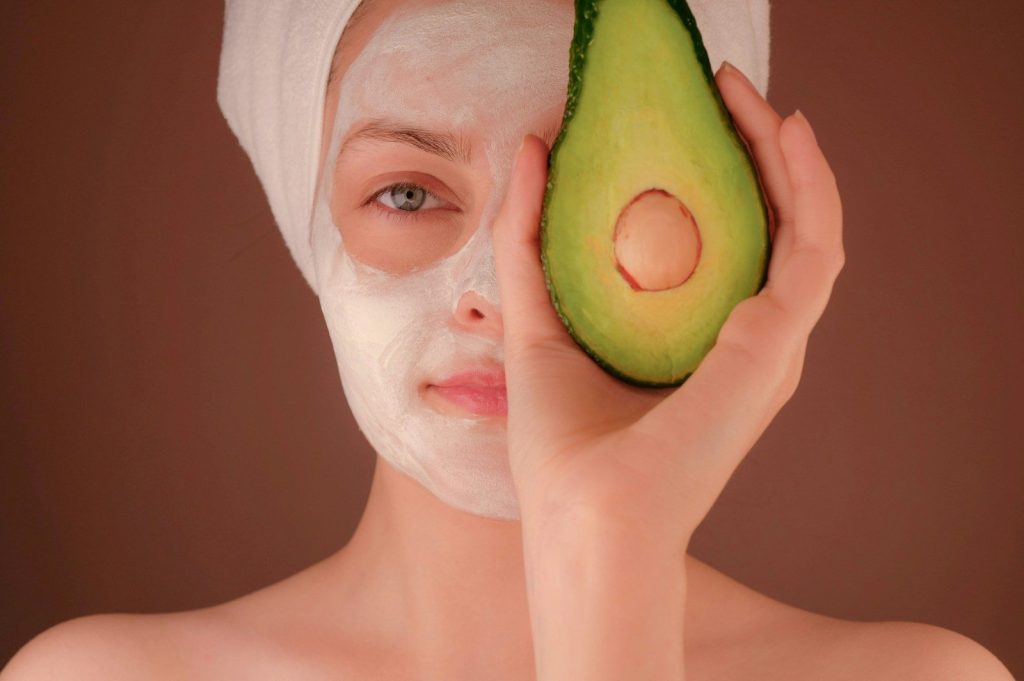
None of these habits require expensive treatments. The most aging behavior is simply not paying attention to the small, daily choices that stack up over years.
Sleep, sunscreen, water, posture, diet, fabric, and consistency. Each one is manageable on its own. Together, they determine how the face tells the story of time.