
Most households already own the two most effective general-purpose cleaners available: white distilled vinegar and baking soda. Together, they handle a surprising range of jobs that typically require a cabinet full of specialized products. The average American spends over $600 a year on household cleaning supplies, according to Bureau of Labor Statistics data.
A gallon of white vinegar runs about $3. A large box of baking soda costs less than $2. The math isn’t complicated.
This isn’t about going full homesteader or rejecting every commercial product. It’s about knowing which bottles you’re buying out of habit rather than need.
1. All-Purpose Surface Spray
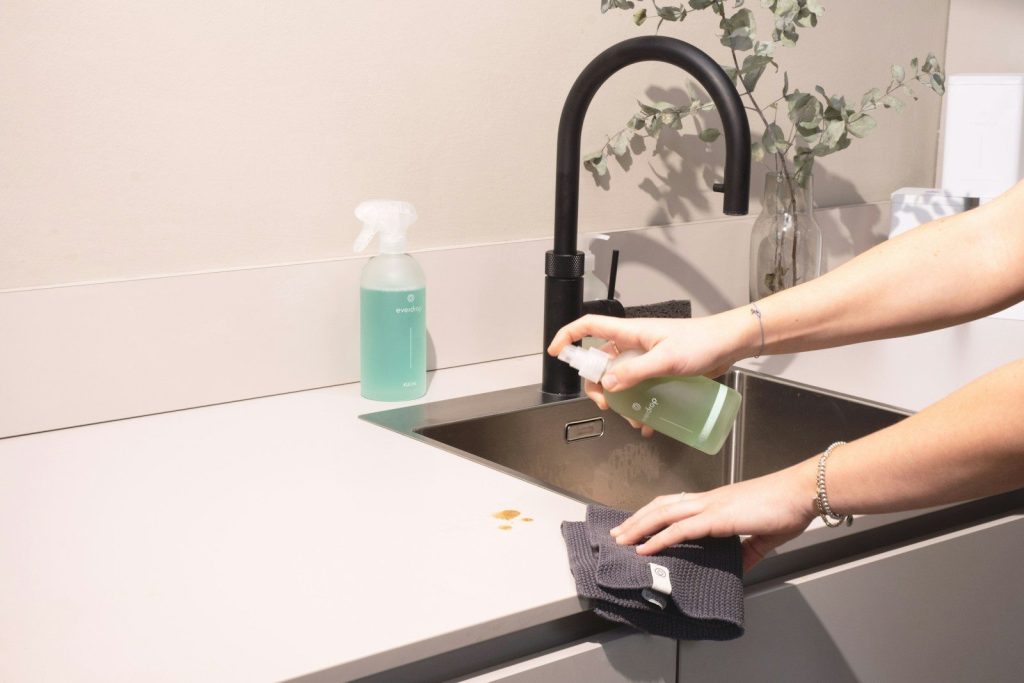
Grab a spray bottle, mix equal parts white vinegar and water, and the result outperforms most generic all-purpose sprays on countertops, sinks, and appliance exteriors. The acetic acid in vinegar cuts through grease and kills a broad spectrum of bacteria, including E. coli and Salmonella, according to research published in the journal Food Microbiology.
The scent dissipates quickly. Adding a few drops of essential oil, like lemon or lavender, takes the edge off while the solution is still wet. Commercial all-purpose sprays often contain synthetic fragrances and surfactants with questionable long-term safety profiles. The vinegar version skips all of that.
2. Soft Scrub and Abrasive Cleaner
Baking soda is a mild abrasive, which makes it ideal for scrubbing sinks, tubs, and stovetops without scratching surfaces. Mix it into a paste with a small amount of dish soap and water, and it cleans grout lines, removes soap scum, and tackles baked-on food residue with a little elbow grease.
Products like Soft Scrub or Bar Keepers Friend serve the same basic mechanical function at a far higher price per ounce. Baking soda does the same job on porcelain, stainless steel, and tile.
3. Drain Deodorizer and Light Clog Remover
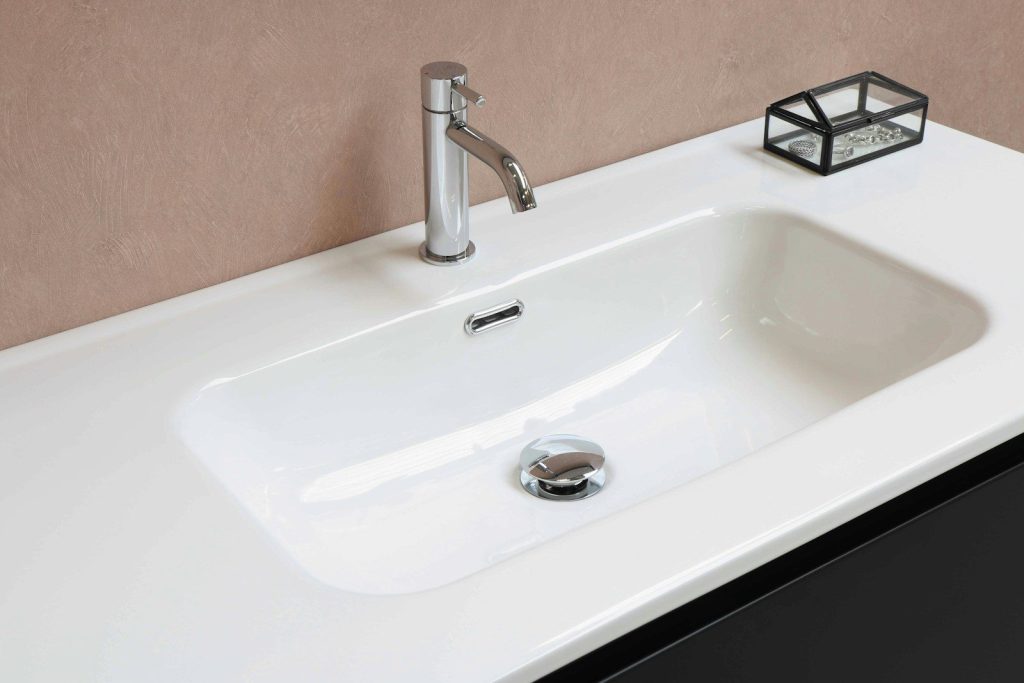
Before reaching for Drano, try pouring half a cup of baking soda directly down the drain, followed by half a cup of white vinegar. The fizzing reaction loosens buildup along pipe walls and neutralizes odors at the source. Cover the drain for five minutes, then flush with hot water.
This method won’t clear a serious clog, but it handles slow drains and persistent odors effectively. It also avoids the sodium hydroxide found in most commercial drain products, which can damage older pipes with repeated use.
4. Fabric Softener
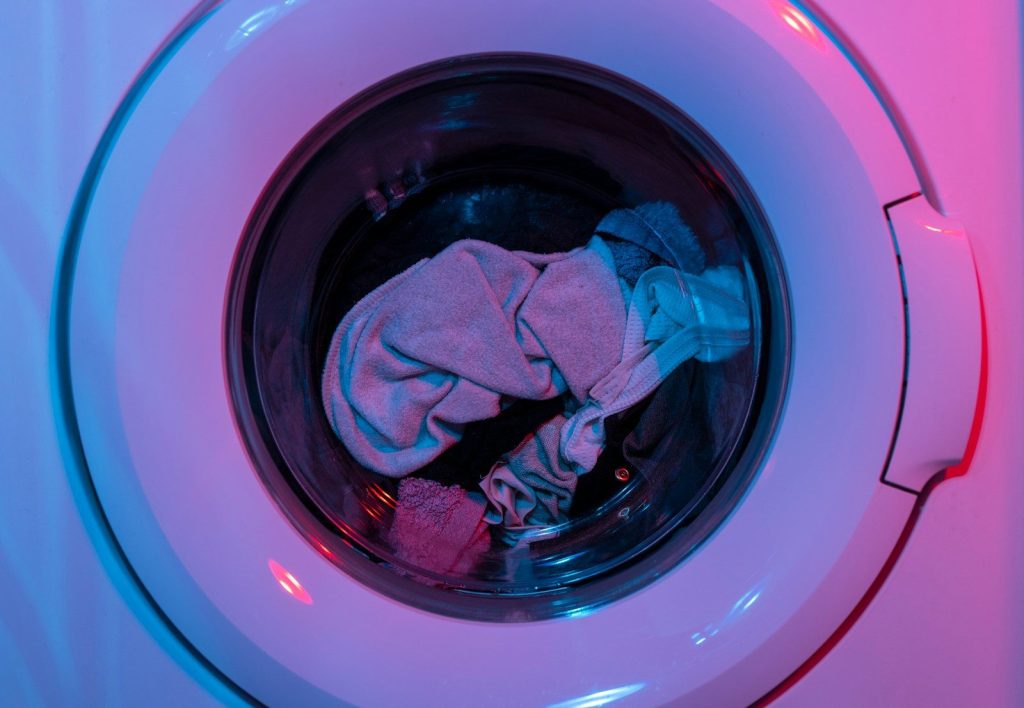
Half a cup of white vinegar added to the rinse cycle softens laundry, reduces static, and removes detergent residue left behind in fabric fibers. It does not make clothes smell like vinegar. The scent is completely gone by the time the cycle finishes.
Commercial fabric softeners work by coating fibers with a thin layer of chemicals, some of which reduce the absorbency of towels over time. Vinegar skips the coating altogether and simply removes what shouldn’t be there.
5. Oven Cleaner
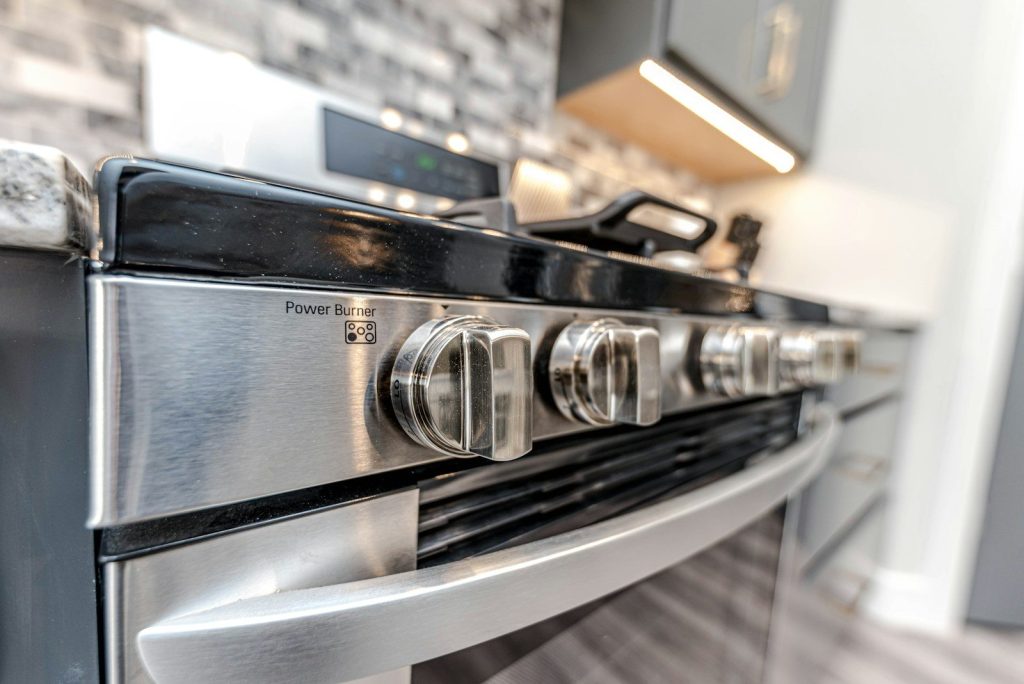
Spray the inside of a cool oven with straight white vinegar, then coat the surfaces generously with baking soda. Let it sit overnight. The next morning, wipe everything away with a damp cloth. The combination breaks down grease and carbonized food without the fumes that come with products like Easy-Off, which rely on lye and other caustic compounds that require ventilation and gloves.
It takes more patience than commercial options but produces comparable results on standard grease buildup.
6. Toilet Bowl Cleaner
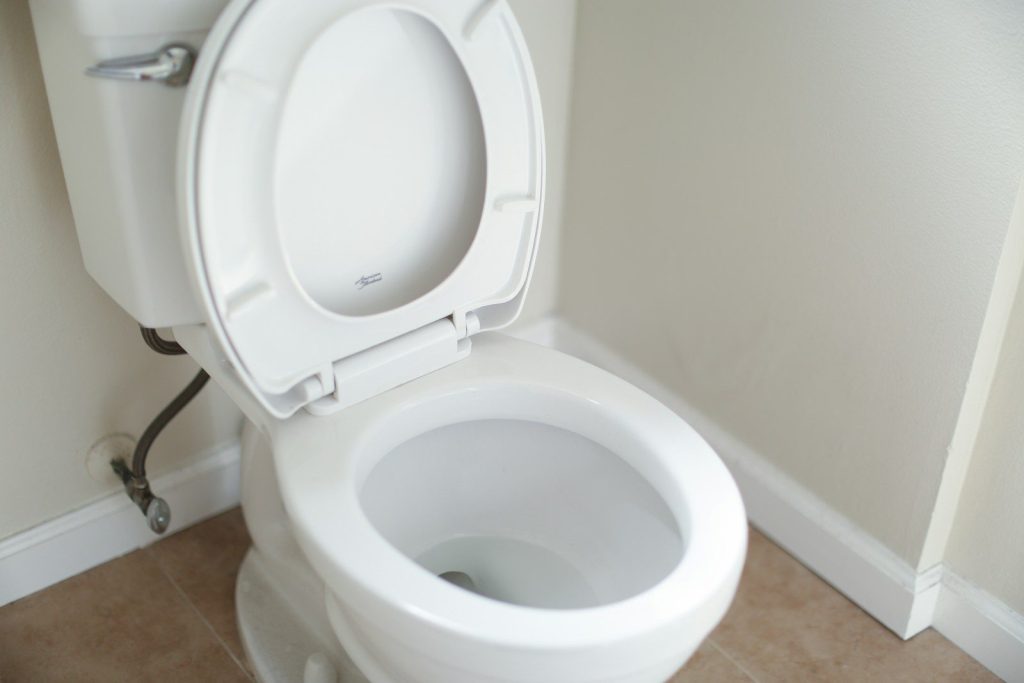
Pour one cup of white vinegar into the toilet bowl and let it sit for at least 30 minutes. Add baking soda, scrub with a toilet brush, and flush. This handles mineral deposits, light staining, and bacterial buildup reliably.
For stubborn hard water rings, undiluted vinegar left overnight does the heavy lifting. The citric acid in some commercial toilet cleaners is more aggressive on calcium deposits, so for very hard water situations, that may still be the better call. But for regular weekly cleaning, vinegar handles it.
7. Glass and Window Cleaner
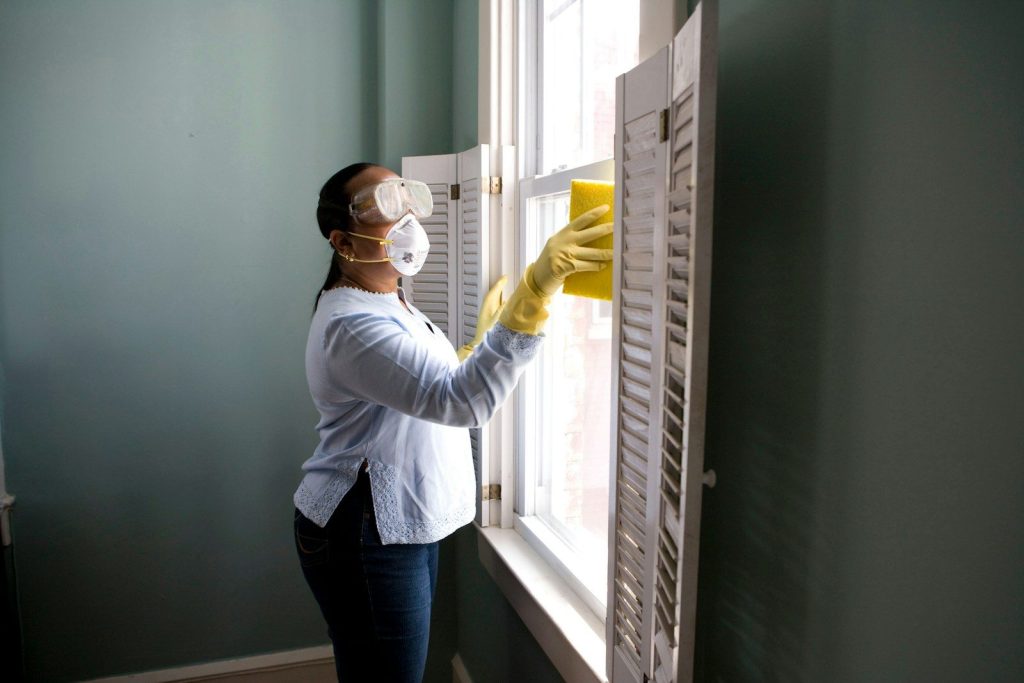
The vinegar-and-water spray from Slide 2 doubles as a window cleaner. Spray it on glass and wipe with a lint-free cloth or crumpled newspaper. It leaves no streaks and no residue.
Windex and similar products contain ammonia, which works well but also creates fumes in enclosed spaces. On a warm day with closed windows, that matters more than most people think.
8. Mold and Mildew Spray
Undiluted white vinegar applied directly to mold and left for an hour kills roughly 82% of mold species, according to a widely cited study from the University of Connecticut. Scrub with baking soda paste afterward to remove staining and any remaining surface residue.
Commercial mold sprays like Tilex contain bleach, which kills mold but also strips grout color, irritates airways, and should never be mixed with ammonia-based products. Vinegar is slower but safer for regular bathroom maintenance and works on most common household mold varieties.
9. Dishwasher Rinse Aid
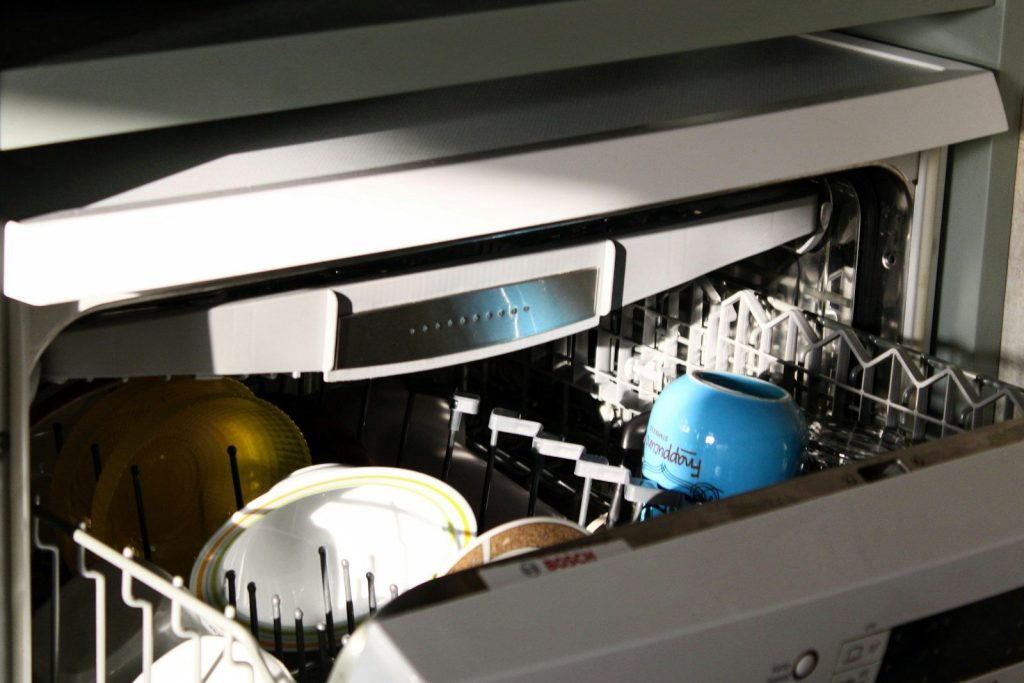
White vinegar used in the rinse aid compartment reduces water spotting on glasses and dishes the same way Jet-Dry does. It works by lowering the surface tension of water so it sheets off instead of beading and drying into spots.
Fill the rinse aid dispenser with straight white vinegar. Run a normal cycle. The results on glassware are comparable to commercial rinse aids, and the compartment holds enough for multiple cycles. At roughly $3 per gallon, it costs a fraction of branded alternatives. Some dishwasher manufacturers advise against it for long-term rubber seal health, so that caveat is worth knowing, but for most machines in regular use, the occasional vinegar rinse isn’t a problem.