
There’s a peculiar modern habit of buying solutions to problems that don’t exist. The closets are full, the cabinets are packed, and somehow the cart still gets filled on a Tuesday night. Marketers have spent decades convincing people that ownership equals preparedness, that having more means being more capable.
The reality is that most households already contain the tools, supplies, and resources needed to handle everyday life. These eight categories are the ones people keep repurchasing out of habit, anxiety, or clever advertising, when the better option is already sitting in a drawer somewhere.
1. Specialty Cleaning Products
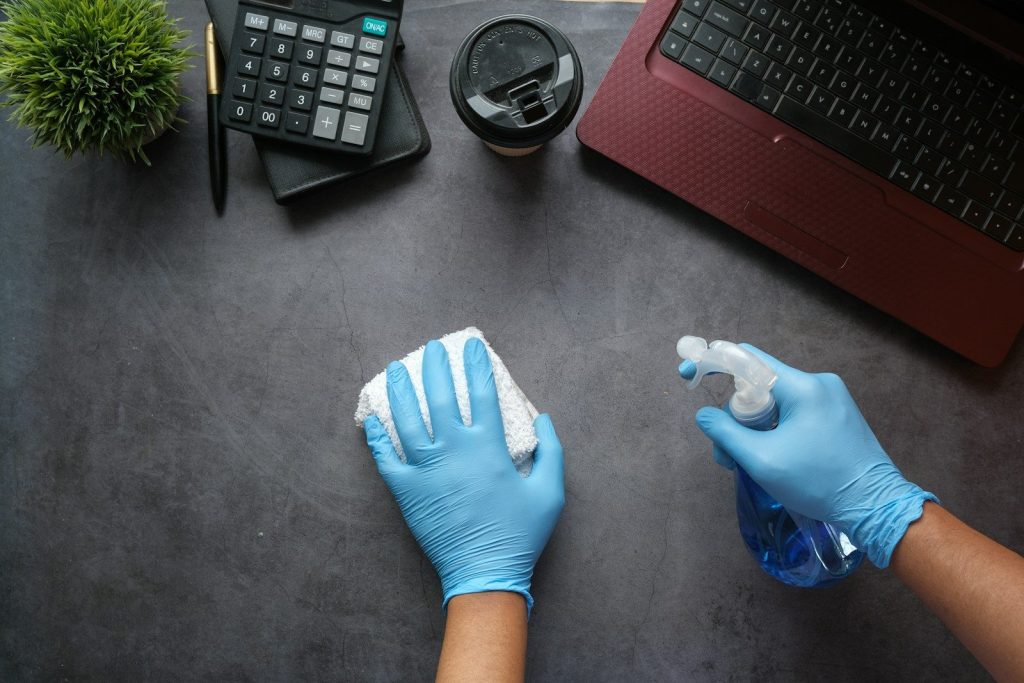
A quick count of the cleaning supplies under the average sink would likely reveal eight to twelve different products. There’s the granite spray, the stainless steel spray, the “daily shower” spray, the wood polish, the tile cleaner.
Most of them do variations of the same job. White vinegar, baking soda, and a basic dish soap handle the overwhelming majority of household cleaning tasks with no performance gap worth mentioning. The specialty products exist because they sell, not because they clean better.
2. Duplicate Kitchen Gadgets
The mandoline that replaced the box grater. The electric can opener sitting next to the manual one. The second set of measuring cups because the first set was “always in the dishwasher.” Kitchen gadget accumulation is one of the most well-documented forms of household clutter, and the industry keeps expanding.
Before adding anything new to a kitchen, it’s worth asking whether something already in that kitchen does the same job. Usually it does.
3. More Storage Containers
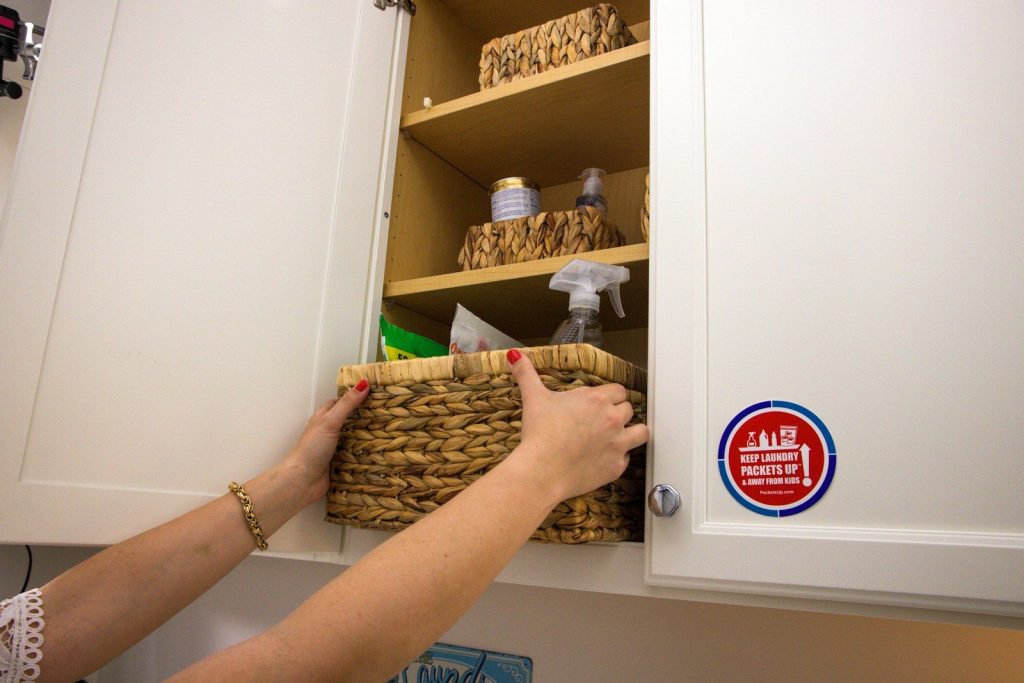
This one has a certain irony to it. The most common solution people reach for when their home feels cluttered is buying more containers to store the clutter.
Baskets, bins, boxes, and drawer organizers pile up alongside the things they were meant to organize. The actual fix is reducing the volume of stuff, not adding more vessels to hold it. Most homes already have more storage than they need.
4. Books and Courses on the Same Subject
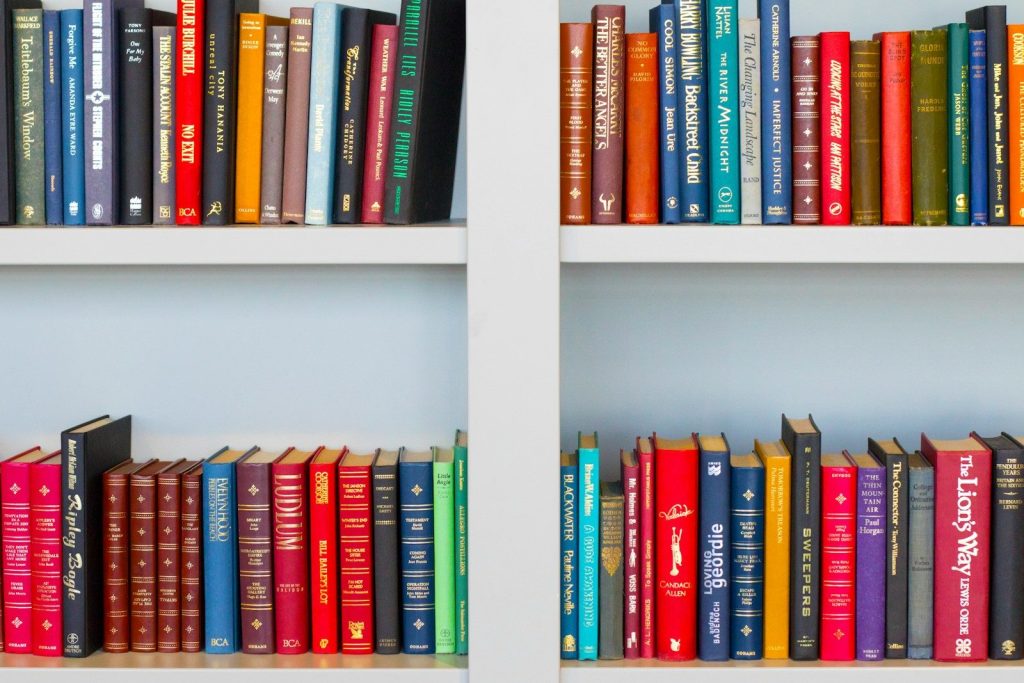
There’s a specific kind of avoidance behavior where people keep buying books about productivity instead of being productive, or purchasing a fourth course on investing instead of actually investing.
At some point, more information stops being useful and becomes a substitute for action. Most people already have more knowledge on their key interests than they’ve put to use. The next book probably won’t change that.
5. Fast Fashion Basics

White t-shirts, plain black leggings, basic denim. These are the items people rebuy every season because the cheap versions wear out quickly. The better approach, which saves money over a two or three-year window, is spending more once on a quality piece and not replacing it annually.
Brands like Uniqlo and Everlane have made a clear case for cost-per-wear math. The closet already has basics. The problem is usually that they weren’t built to last.
6. Paper Towels in Bulk
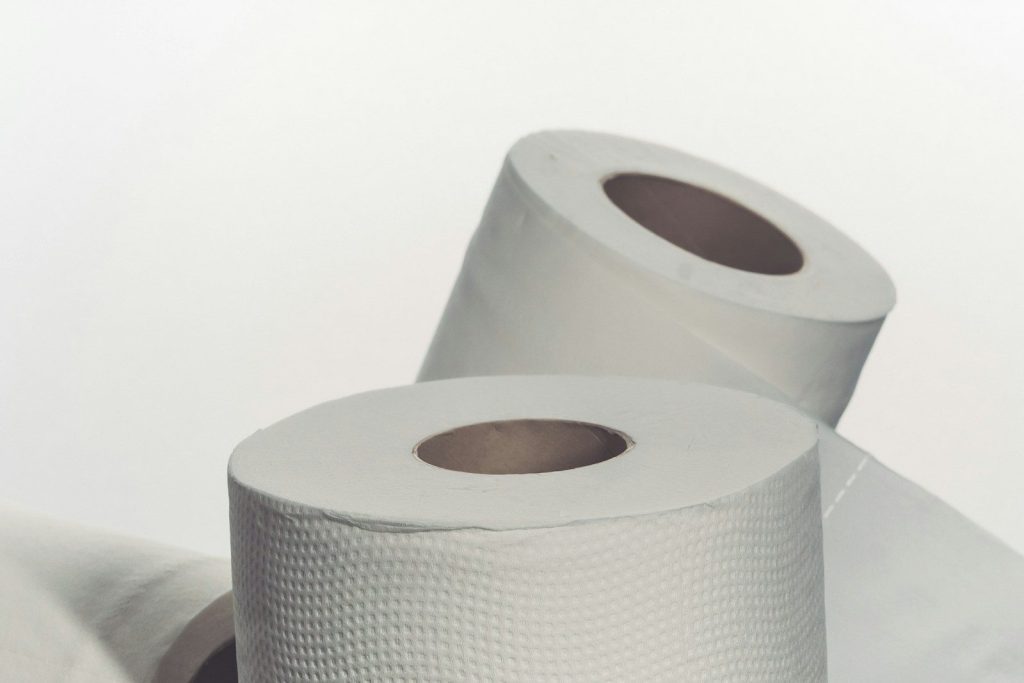
American households spend roughly $100 to $180 per year on paper towels, according to various consumer spending analyses. Most of that usage could be replaced with cloth rags, old towels cut into squares, or basic flour sack cloths.
The rags are almost certainly already in the linen closet or can be made from worn-out t-shirts. Paper towels aren’t going away entirely, but buying the 12-pack every few weeks when reusable alternatives already exist is a habit, not a necessity.
7. Gym Equipment That Duplicates Effort
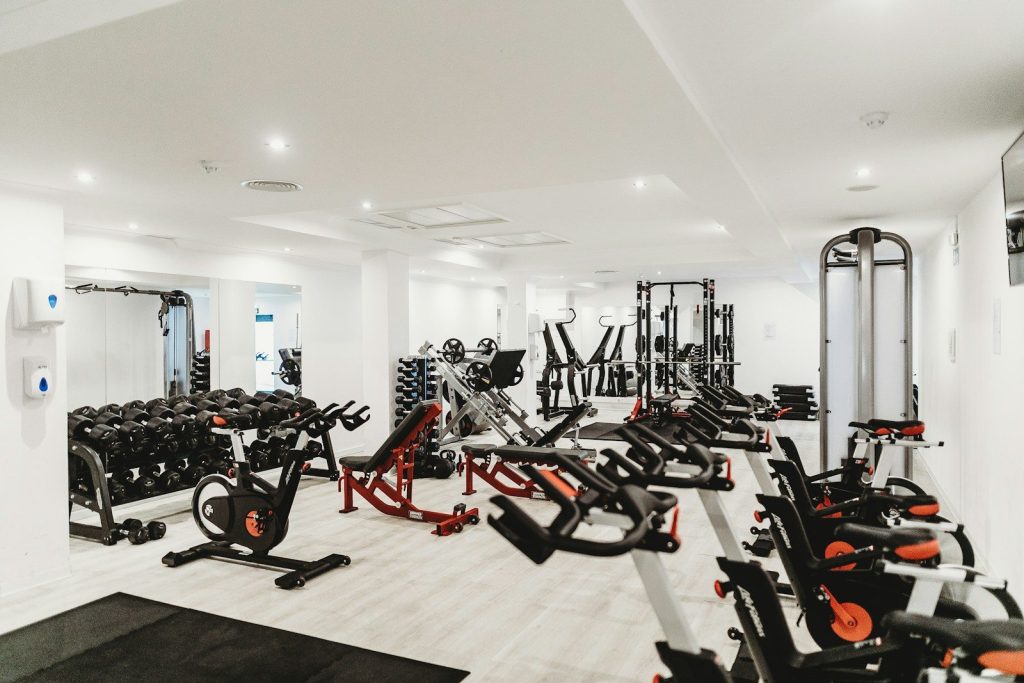
Resistance bands, dumbbells, a jump rope, a yoga mat, a pull-up bar. All reasonable purchases. A second set of resistance bands, another pair of dumbbells in a slightly different weight, a foam roller that functions similarly to one already owned: that’s where the line blurs.
Home gym equipment in 2026 tends to accumulate quickly, partly because of post-pandemic buying habits that never fully reversed. A complete, effective workout is almost always possible with what’s already there.
8. Skin and Hair Products
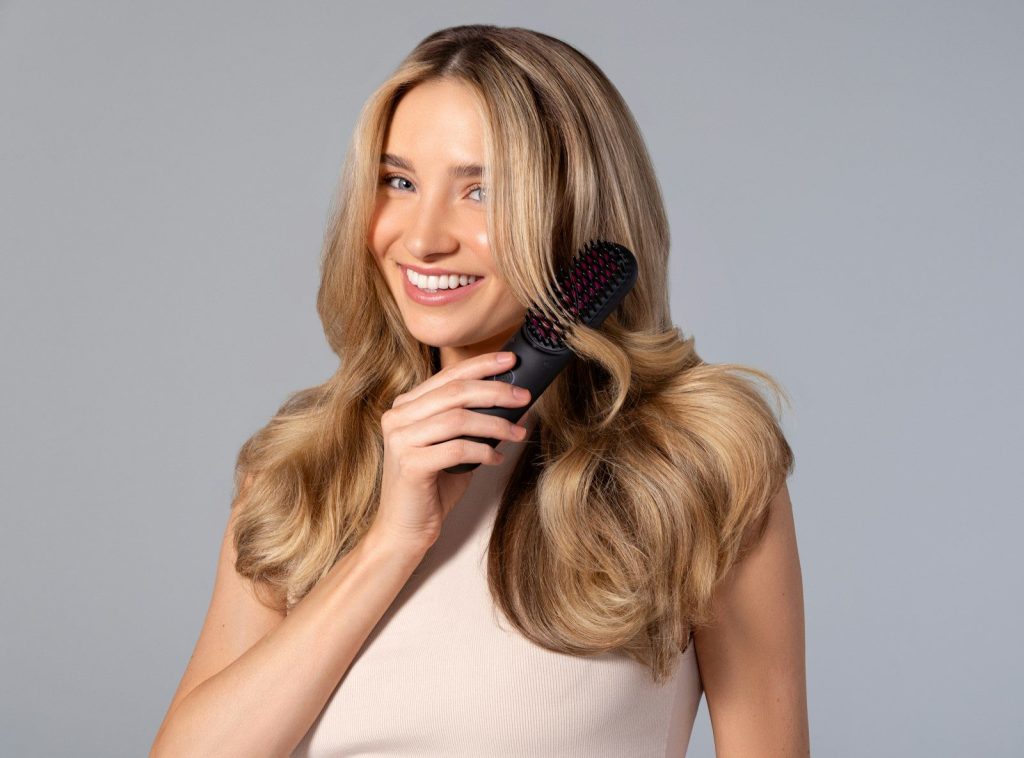
The average American bathroom shelf holds somewhere between 10 and 20 personal care products, depending on the study. Many overlap in function. A clarifying shampoo and a detox shampoo do the same thing. A serum and a moisturizer with SPF often get layered over each other when one would suffice.
The beauty industry is built on selling the next step in a routine, then the step after that. Finishing what’s already in the cabinet before buying more is both cheaper and, honestly, less wasteful.
9. Planners, Journals, and Organizational Systems
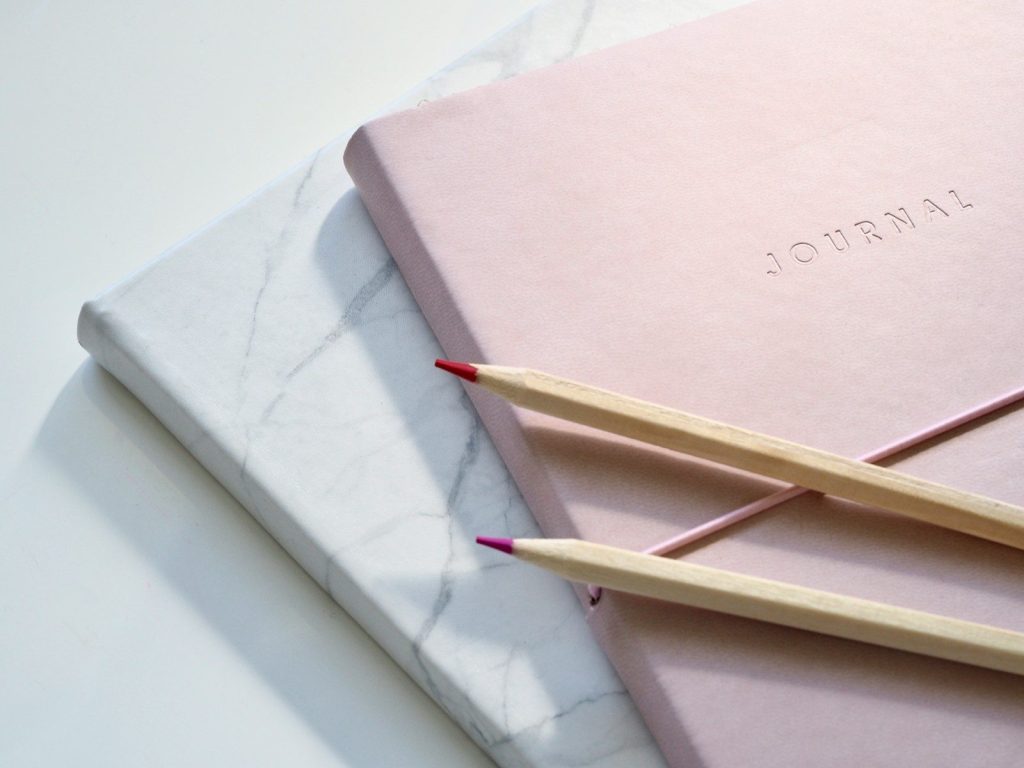
New year, new planner. New quarter, new app. New week, same unfinished to-do list from last week’s system. People who struggle with organization tend to blame the tool rather than the habit, which leads to constant purchasing of new systems.
A legal pad and a pen work. A notes app on any phone works. The $40 leather-bound journal with time-blocking grids works too, but no better than either of those options. If the last three planners went half-used, the fourth one probably will too.