
Most households throw away hundreds of dollars worth of usable material every year without realizing it. Not because people are careless, but because the culture around disposal has made tossing things out feel like the responsible move. Recycle the cardboard, bag the trash, done.
The problem is that a surprising number of everyday items headed for the bin still have real, practical uses left in them. Some of them can save money. Others can replace products people are already buying. A few are genuinely useful in ways most people have never considered.
1. Coffee Grounds
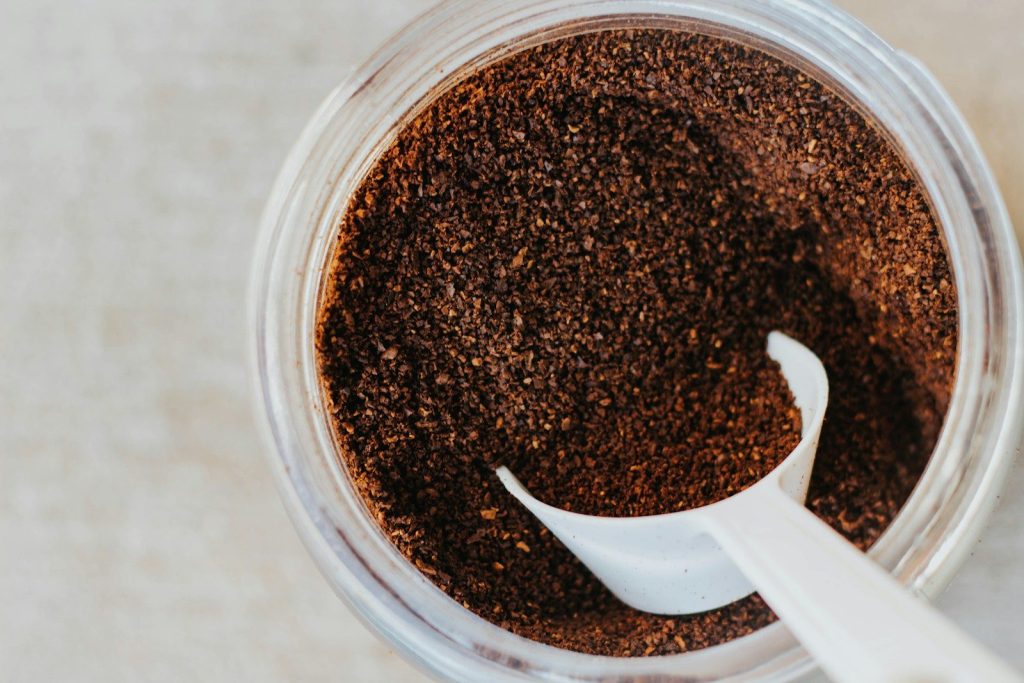
Used coffee grounds are one of the most consistently useful things people throw away every morning. They work as a mild abrasive scrub for greasy pots and pans, they neutralize odors in the fridge or freezer when placed in an open container, and gardeners have used them for decades as a soil amendment for acid-loving plants like blueberries, roses, and azaleas.
Grounds also deter slugs and certain insects when scattered around garden beds. Dry them out on a baking sheet first to prevent mold, then store in a sealed jar until needed.
2. Glass Jars
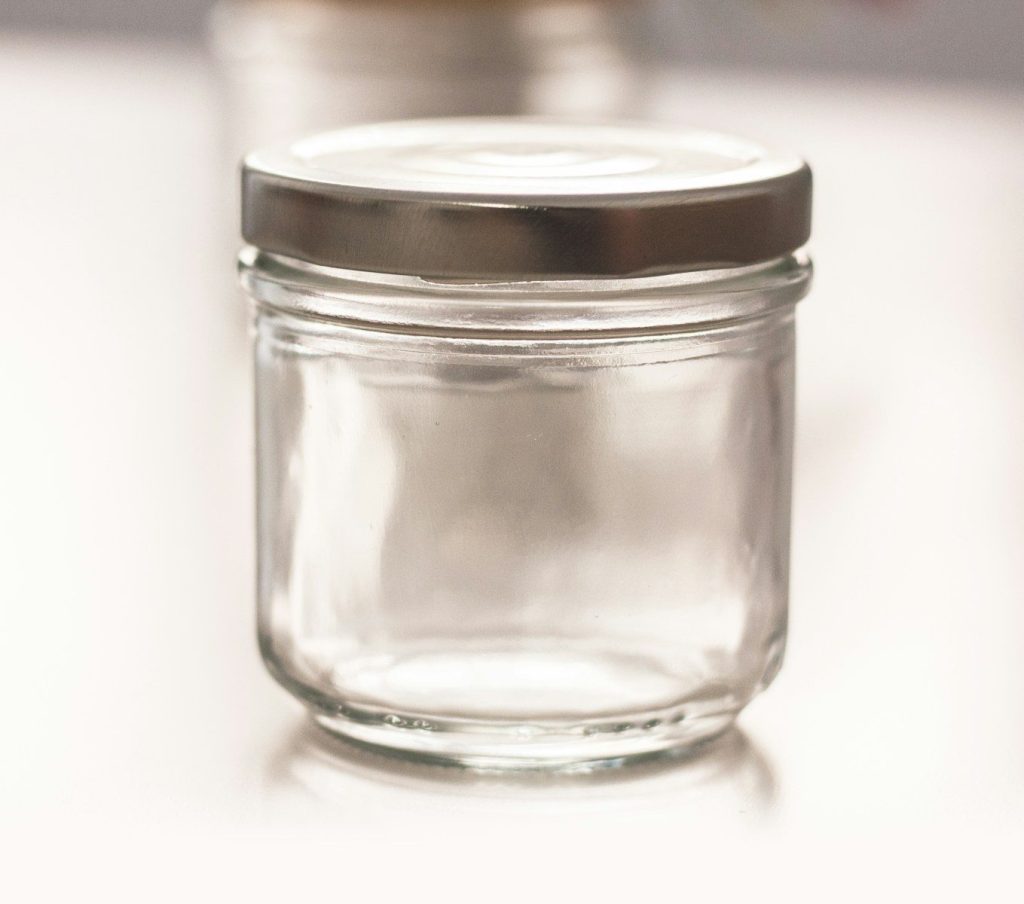
Pasta sauce jars, pickle jars, jam jars. Most of them go straight into the recycling bin after one use, which is fine, but they’re also genuinely useful storage containers. Mason jars get a lot of attention, but the commercial jars from grocery store products are just as functional.
They hold bulk pantry items, leftover paint for touch-ups, hardware like screws and nails, homemade salad dressing, or fresh-cut flowers. Wide-mouth jars work particularly well for fermentation projects like kimchi or kombucha starters.
3. Cardboard Tubes
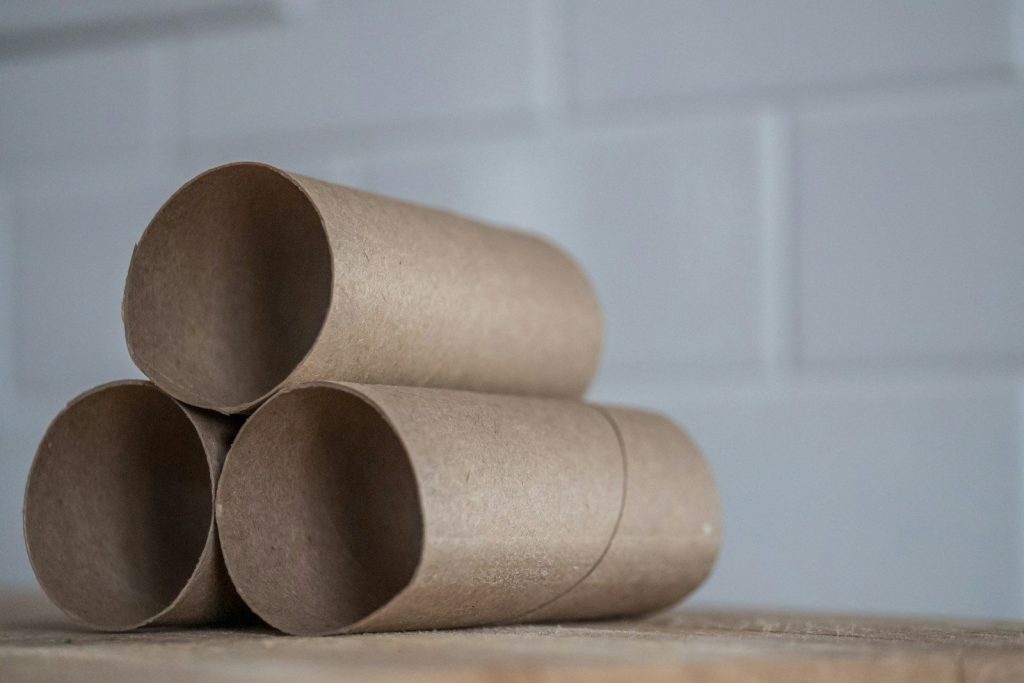
The tubes from paper towel and toilet paper rolls get laughed off as a kindergarten craft supply, but they’re more practical than that reputation suggests. Electricians and cable managers use them to coil and organize cords.
Gardeners use them as biodegradable seedling starters that can go directly into the ground. They’re also useful for storing gift wrap rolls upright, protecting fragile items during a move, or organizing small tools in a drawer. The paper towel tubes are wide enough to store a set of knitting needles or a bundle of chopsticks cleanly.
4. Citrus Peels
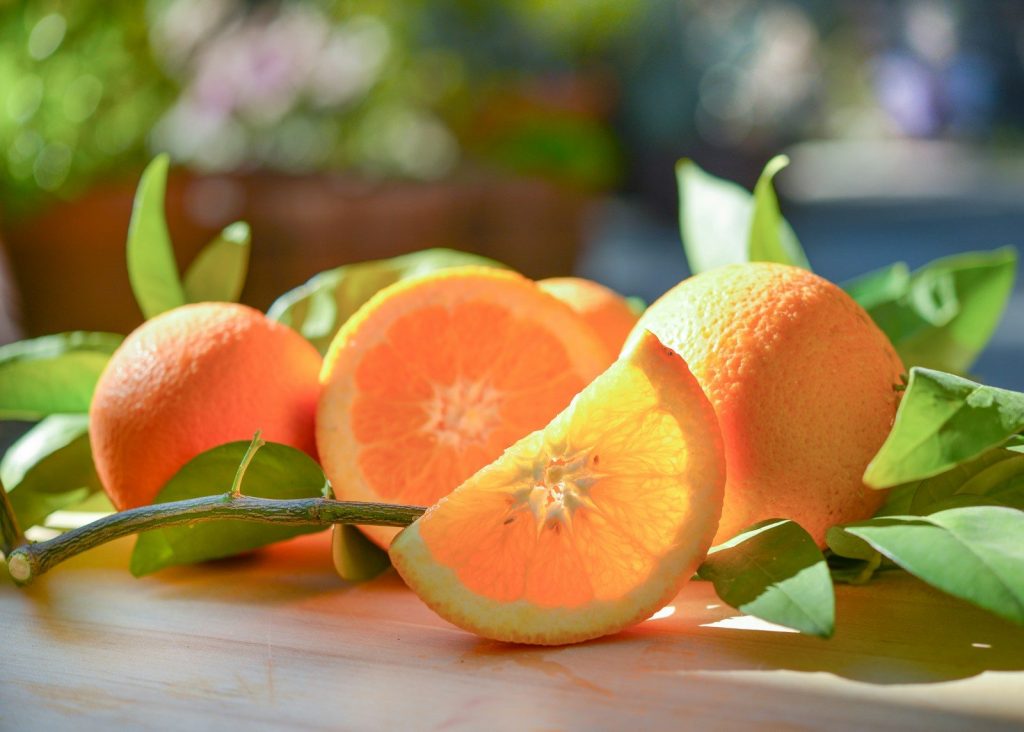
Orange, lemon, and grapefruit peels carry a surprising amount of usefulness after the fruit is gone. The oils in citrus rinds are a natural cleaner and degreaser. Simmering peels in white vinegar for a couple of weeks produces a cleaning solution that cuts through grease on stovetops and counters.
Dried peels burn slowly and smell good in a fireplace. Placed in a drawer or closet, they repel moths. Lemon peels rubbed on chrome fixtures leave them shiny without any commercial product involved.
5. Old T-Shirts
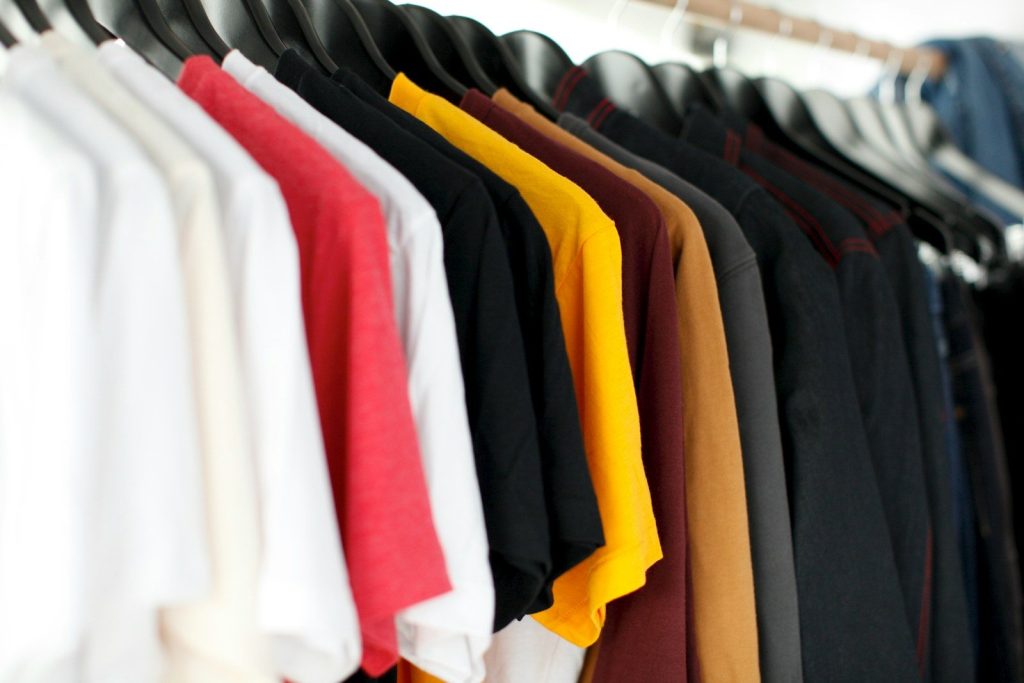
Cotton t-shirts that are too worn to donate still have a long life ahead of them as cleaning rags. Old cotton is actually better than paper towels for many tasks because it’s more absorbent and leaves less lint. Cut into squares, they work for dusting, applying wood polish, cleaning glasses, or wiping down surfaces.
A stack of them can replace disposable cleaning wipes entirely for most household tasks. For people who do any kind of furniture refinishing or leatherwork, soft cotton rags are the preferred application tool anyway.
6. Eggshells
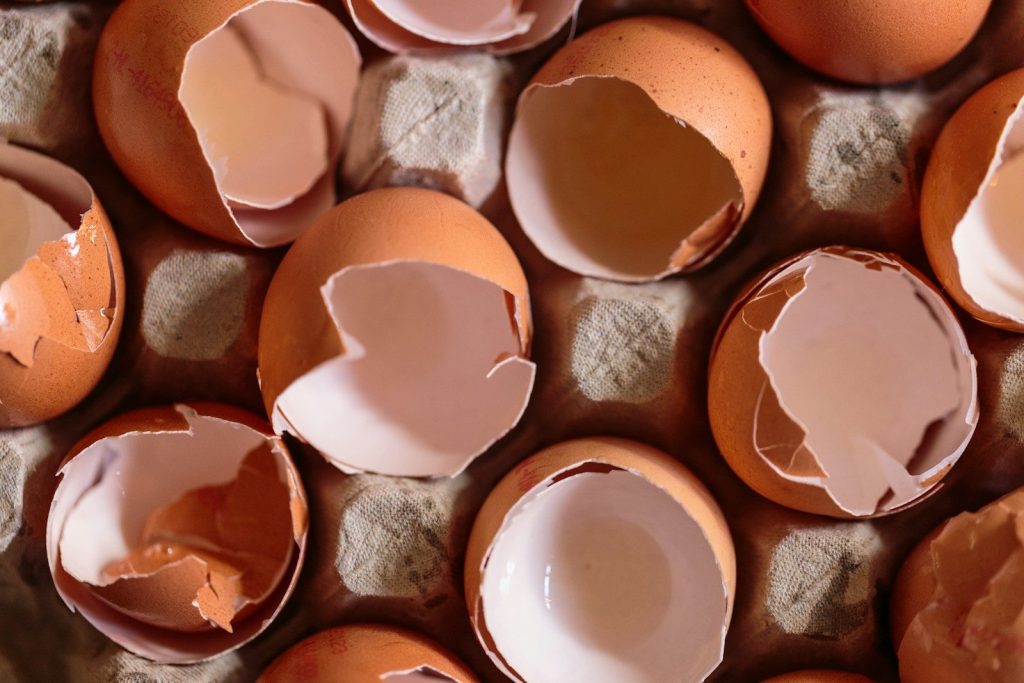
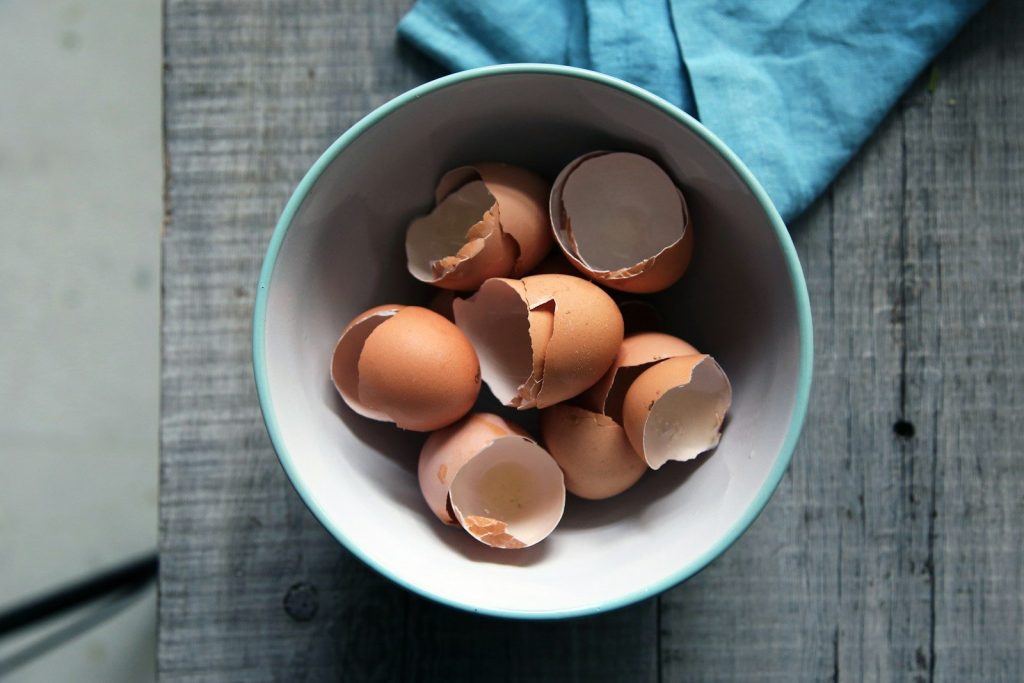
Eggshells are about 95% calcium carbonate, which makes them genuinely useful in the garden. Crushed finely and worked into soil, they add calcium that prevents conditions like blossom end rot in tomatoes and peppers.
Scattered around the base of plants, the sharp edges deter soft-bodied pests like slugs and snails. Powdered eggshells can also be added to homemade bone broth for extra minerals, though the flavor contribution is essentially zero.
7. Wine Corks
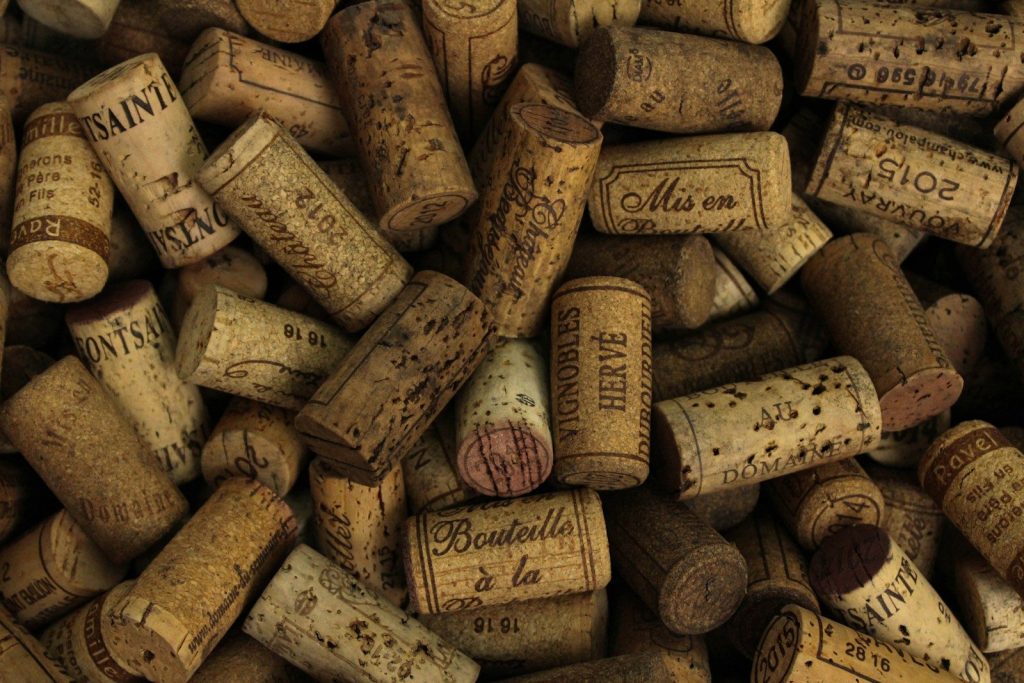
Natural cork is a material worth holding onto. A small jar of corks collected over time becomes useful in ways that are hard to anticipate until the need arises. They work as knife blade protectors, drawer bumpers to prevent slamming, pincushion bases, and plant markers when split and labeled.
A cork placed under a cutting board stops it from sliding on a countertop. Cork also floats, so a few corks attached to a key ring makes a keychain that won’t sink if dropped overboard on a boat.
8. Candle Jars
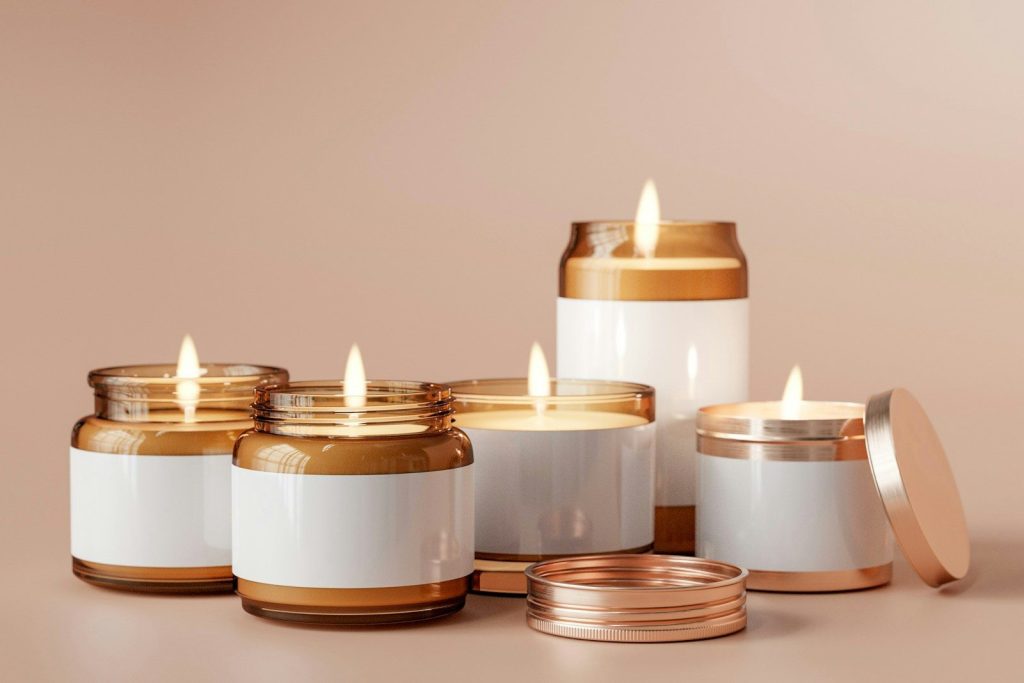
The wax runs out long before the container becomes useless. Most candle jars are made from thick, heat-resistant glass and are heavy enough to feel like intentional storage vessels. Once the remaining wax is removed by pouring boiling water into the jar and letting the wax solidify on top, the jar cleans up easily.
From there it becomes a holder for cotton balls, q-tips, makeup brushes, pens, spare change, or small plants. Some of the better candle brands package their products in genuinely attractive containers that look like purchased home goods once the label is removed.
9. Dryer Lint
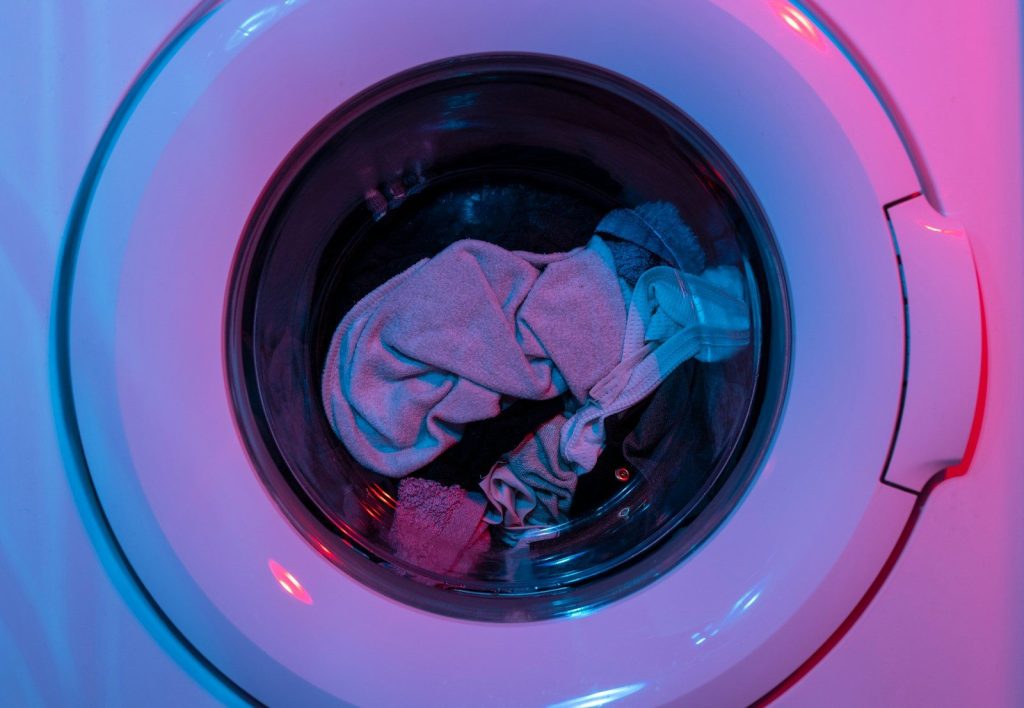
This one surprises people. Dryer lint is actually an effective fire starter for camping trips and outdoor grills. Packed loosely into an empty cardboard egg carton cup and sealed with a bit of melted wax, it creates a small fire-starting brick that lights easily and burns long enough to catch larger wood.
Some people store a bag of it specifically for this purpose. Lint from natural fibers like cotton and wool works best. Lint from synthetic fabrics is less effective and produces more smoke, so it’s worth separating those loads if fire-starting is the goal.