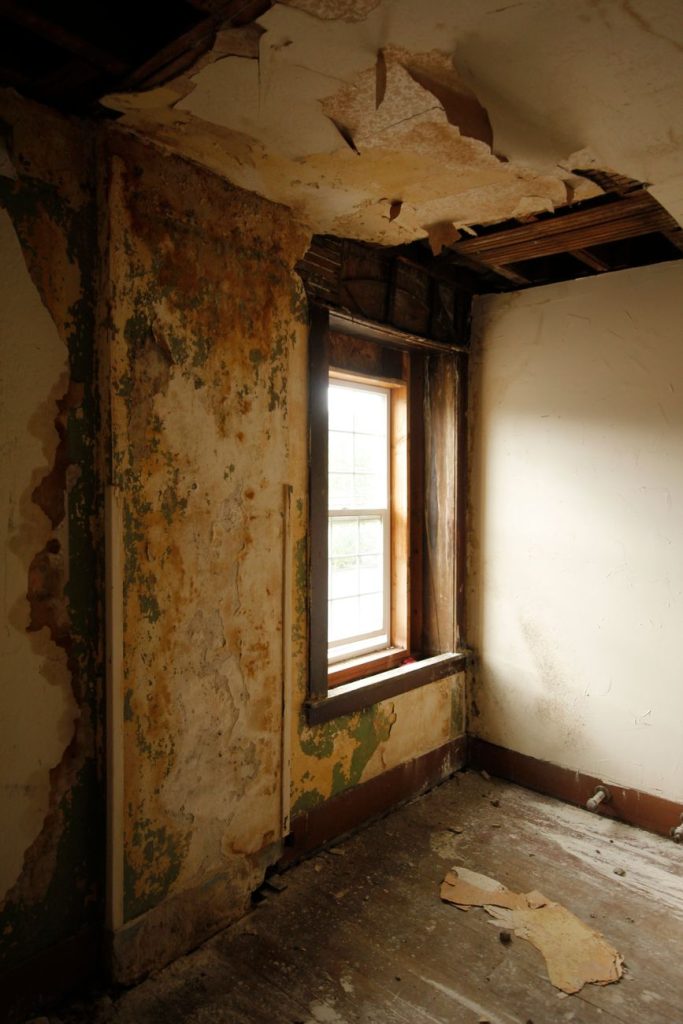

The cheapest fix is often the one you handle before it becomes a room, system, or safety problem.
A house rarely sends one dramatic warning before a repair gets expensive. More often, it starts with a drip, a stain, a crack, or a weird smell that is easy to ignore for another weekend. The trouble is that small defects can spread into drywall, flooring, wiring, insulation, and major systems. These nine repairs are the ones many homeowners postpone because they seem minor at first, but they can quietly turn into much bigger bills.
The Slow Roof Leak
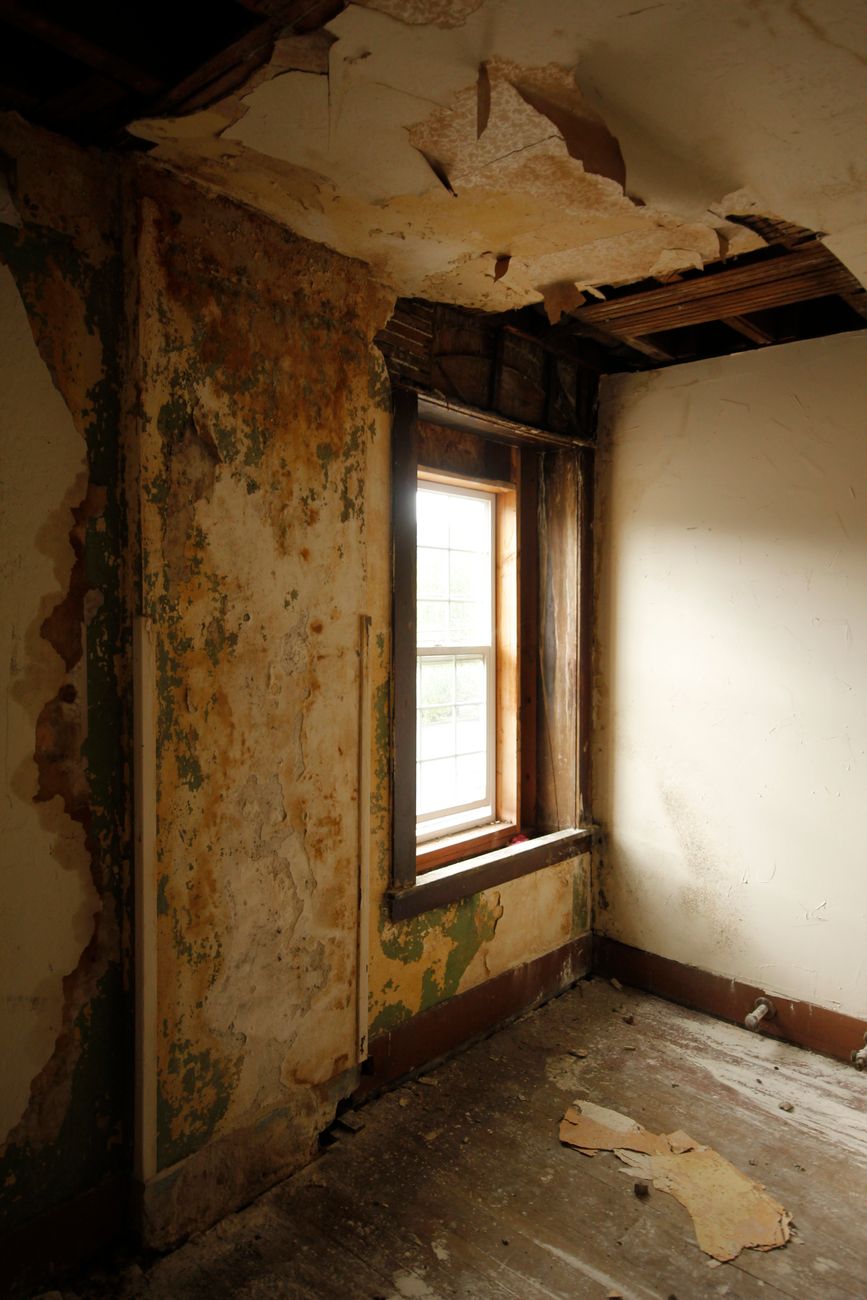
A small roof leak is easy to rationalize if it only shows up during heavy rain, but water rarely stays in one neat spot. It can move along rafters, soak insulation, stain ceilings, and invite mold or rot before the source is obvious. Homeowners often delay calling because they fear a full roof replacement, yet many early leaks come from flashing, a few damaged shingles, or a failed vent boot.
- Check next: ceiling stains, attic dampness, missing shingles, and cracked flashing after storms.
- Why it matters: catching the entry point early can protect drywall, insulation, framing, and paint.
The Clogged Gutter
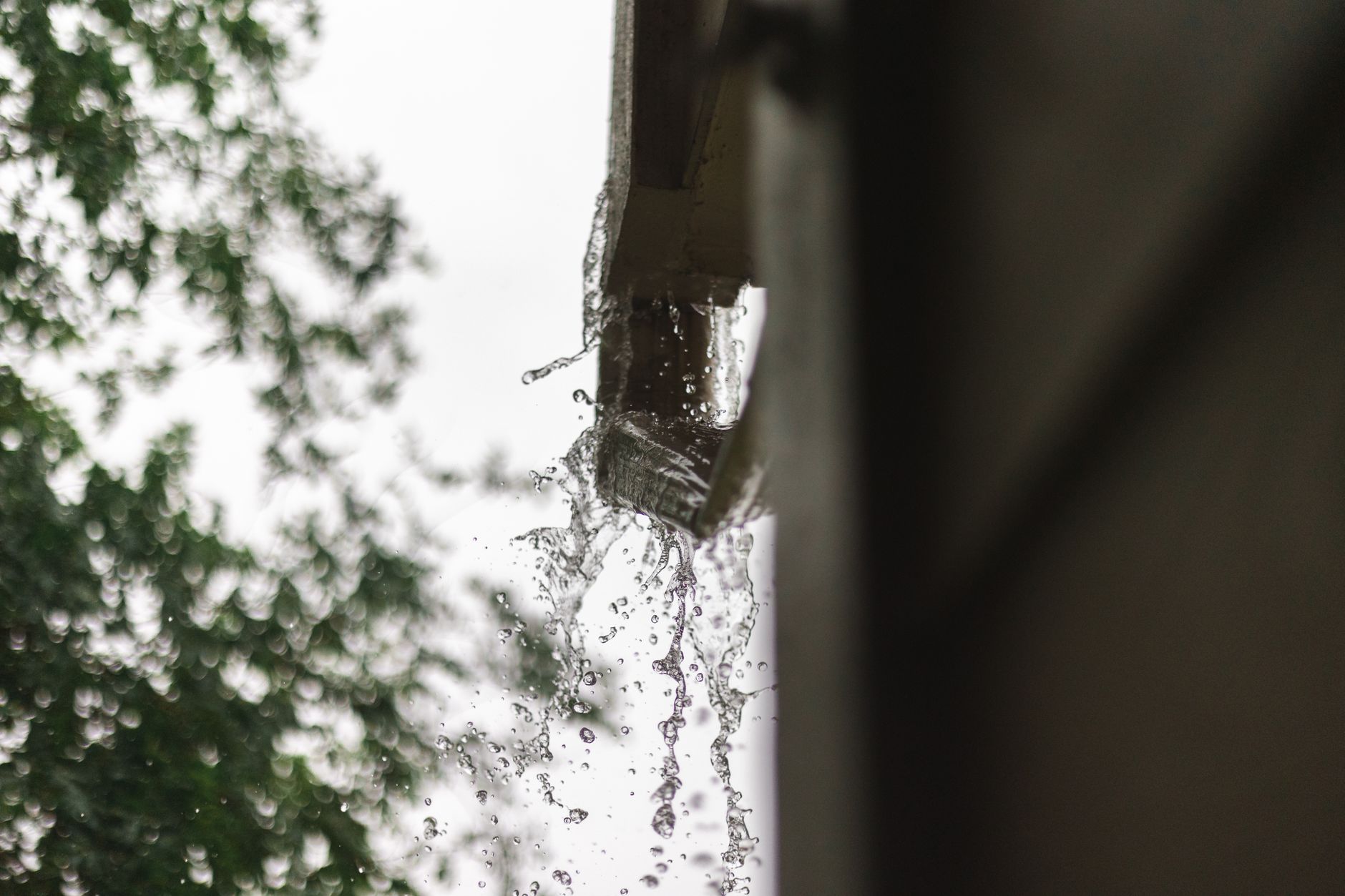
Gutters are not glamorous, which is why they are so easy to ignore until water is running where it should not. When leaves, pine needles, and grit block the flow, rain can spill over the edge and pool around the foundation. In colder climates, trapped water can also contribute to ice buildup. The first bill may be a simple cleaning, but the later bill can involve fascia boards, siding stains, basement moisture, or soil erosion.
- Check next: overflowing corners, sagging sections, loose brackets, and downspouts that dump water too close to the house.
- Who it helps: anyone with trees near the roofline or a basement that already feels damp.
The Cracked Bathroom Caulk
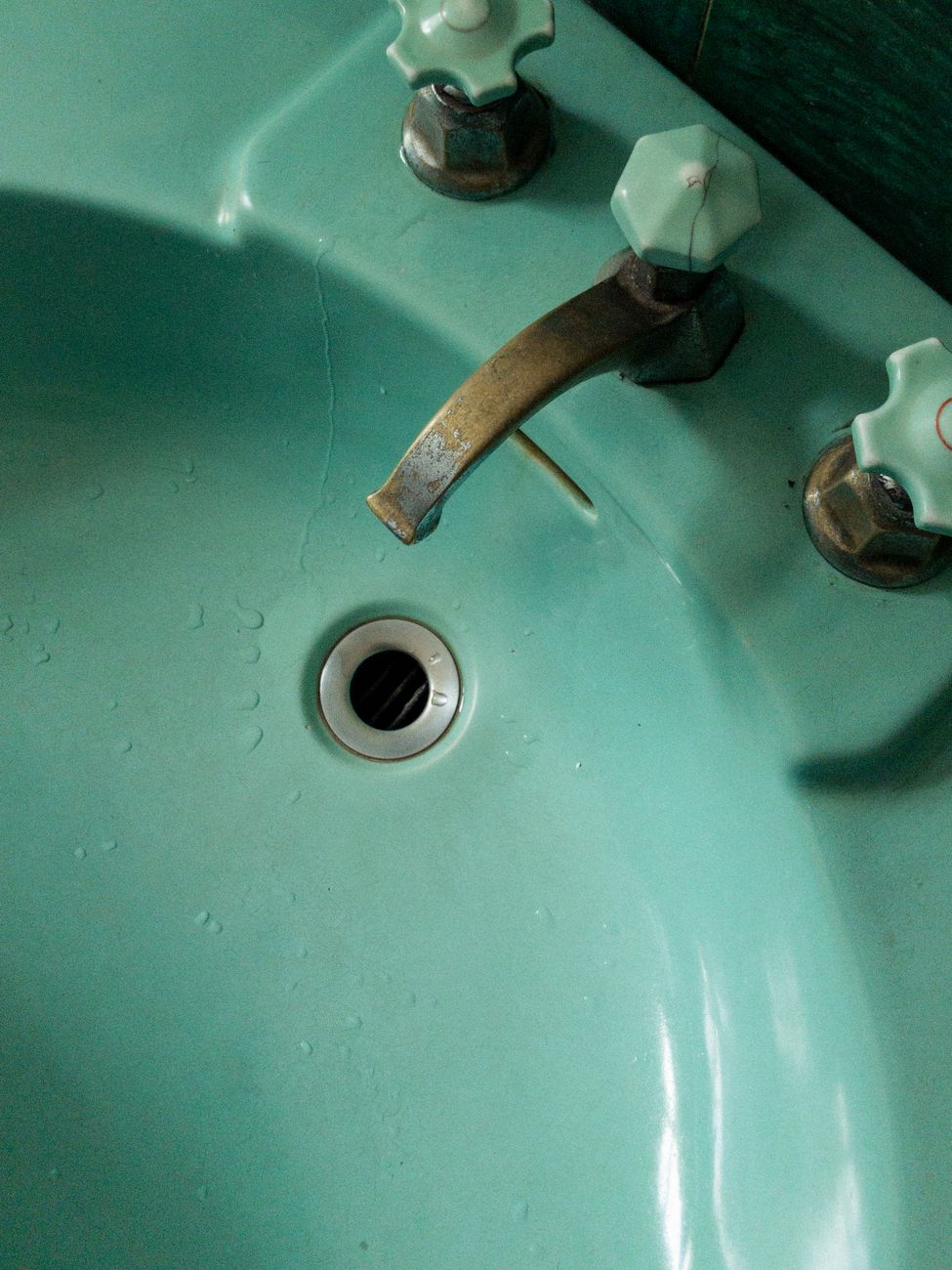
Old caulk around a tub or shower can look like a cosmetic problem, especially if the bathroom still feels clean. The real risk is what happens behind the surface. Gaps let water sneak into wall cavities, subflooring, and tile backer material. By the time tiles loosen or the floor feels soft, the repair can be far more invasive than scraping and resealing a joint. This is one of the simplest weekend fixes that prevents hidden damage.
- Check next: peeling edges, dark spots, loose tiles, and any softness near the tub or shower base.
- What can go wrong: moisture can spread behind finishes long before it becomes visible.
The Dripping Faucet
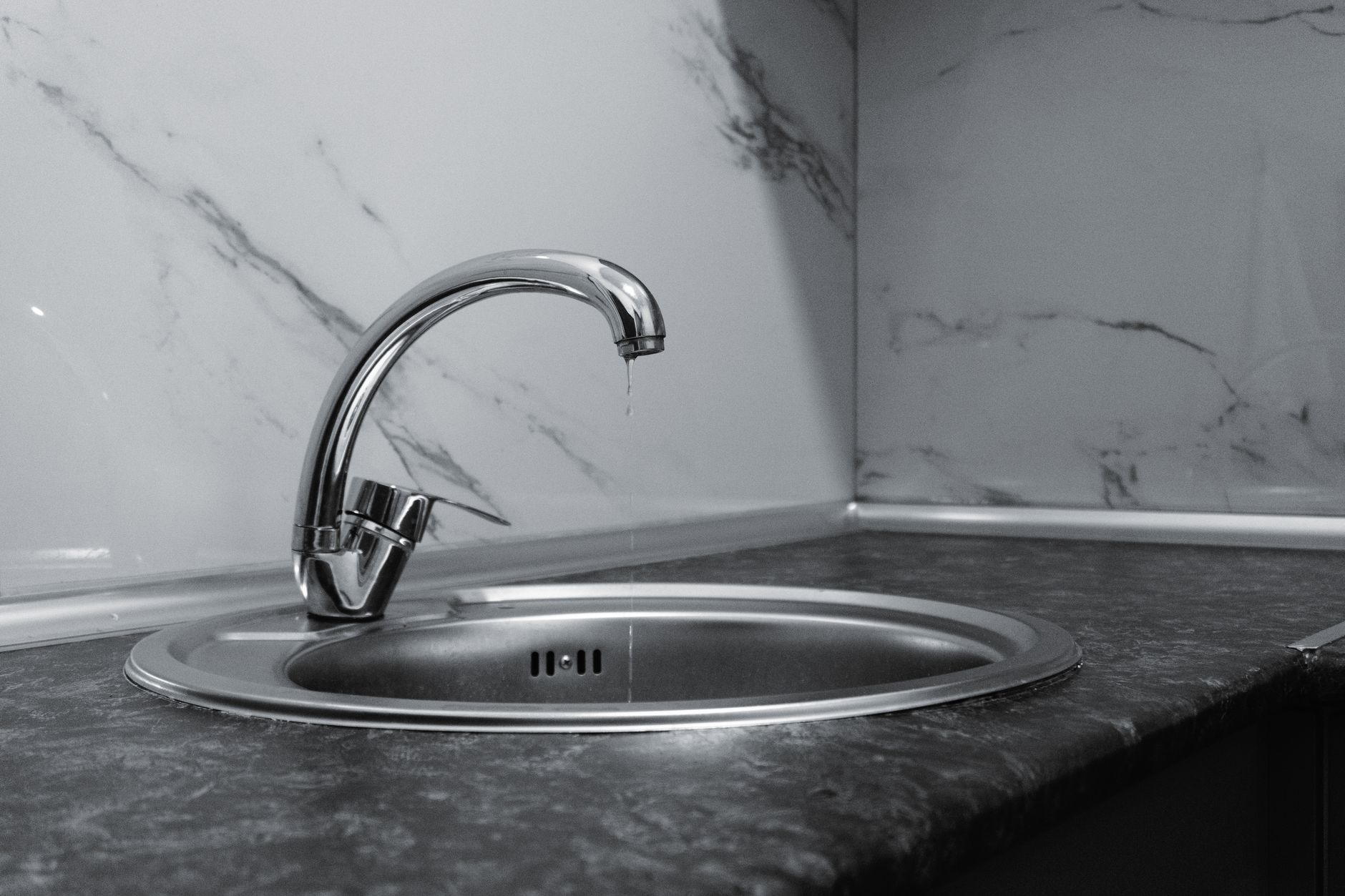
A dripping faucet sounds harmless until it becomes part of the background noise. Besides wasting water, the leak can signal worn washers, cartridges, seals, or corrosion inside the fixture. If water collects around the base, it can damage the vanity, countertop, cabinet floor, or wall behind the sink. The fix is often small when handled early, but repeated moisture can turn a cheap part into a carpentry or replacement job.
- Check next: water around the faucet base, mineral buildup, loose handles, and damp cabinet interiors.
- Why it matters: the visible drip may be only one part of a leak path.
The Running Toilet

A toilet that keeps refilling after every flush can waste a surprising amount of water and annoy everyone in the house. Many people jiggle the handle for months because the toilet still works, but the cause is usually a worn flapper, misadjusted chain, faulty fill valve, or mineral buildup. Those parts are inexpensive compared with the ongoing utility waste or the mess from a failing shutoff valve discovered during an emergency.
- Check next: phantom refills, a handle that sticks, water flowing into the overflow tube, and a shutoff valve that will not turn easily.
- Who it affects: families, landlords, and anyone trying to keep monthly household costs predictable.
The Dirty HVAC Filter
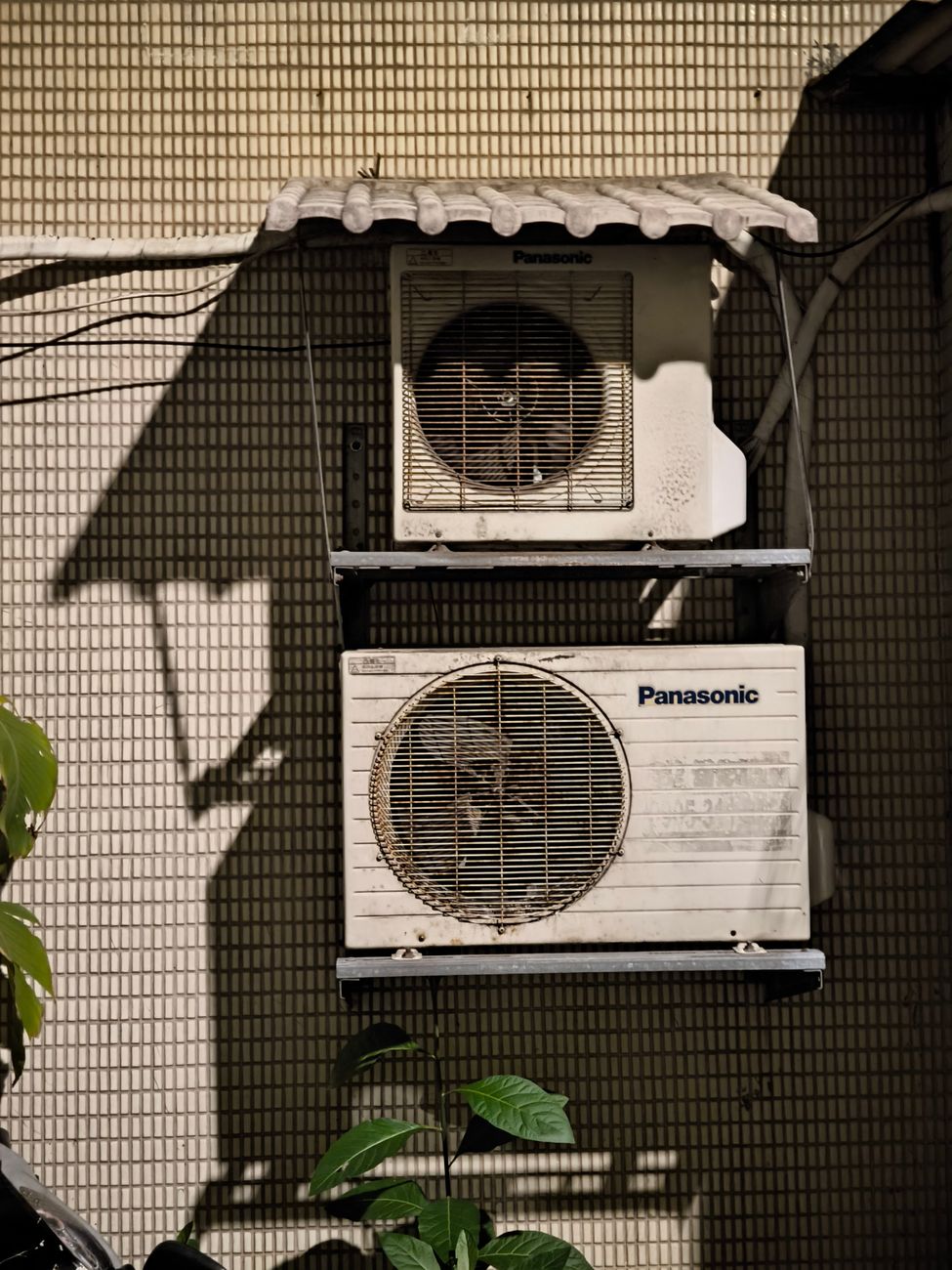
Replacing an HVAC filter feels too small to count as a repair, which is exactly why it gets skipped. A clogged filter can restrict airflow, make the system work harder, reduce comfort, and allow dust to build up where it does not belong. If the unit overheats, freezes, or strains through a season, the service call can cost far more than a filter. It also makes troubleshooting harder because a neglected filter can mimic bigger system problems.
- Check next: weak airflow, dust around vents, uneven room temperatures, and filter dates written on the frame.
- Why it matters: simple maintenance helps protect a system most households cannot afford to replace casually.
The Aging Water Heater
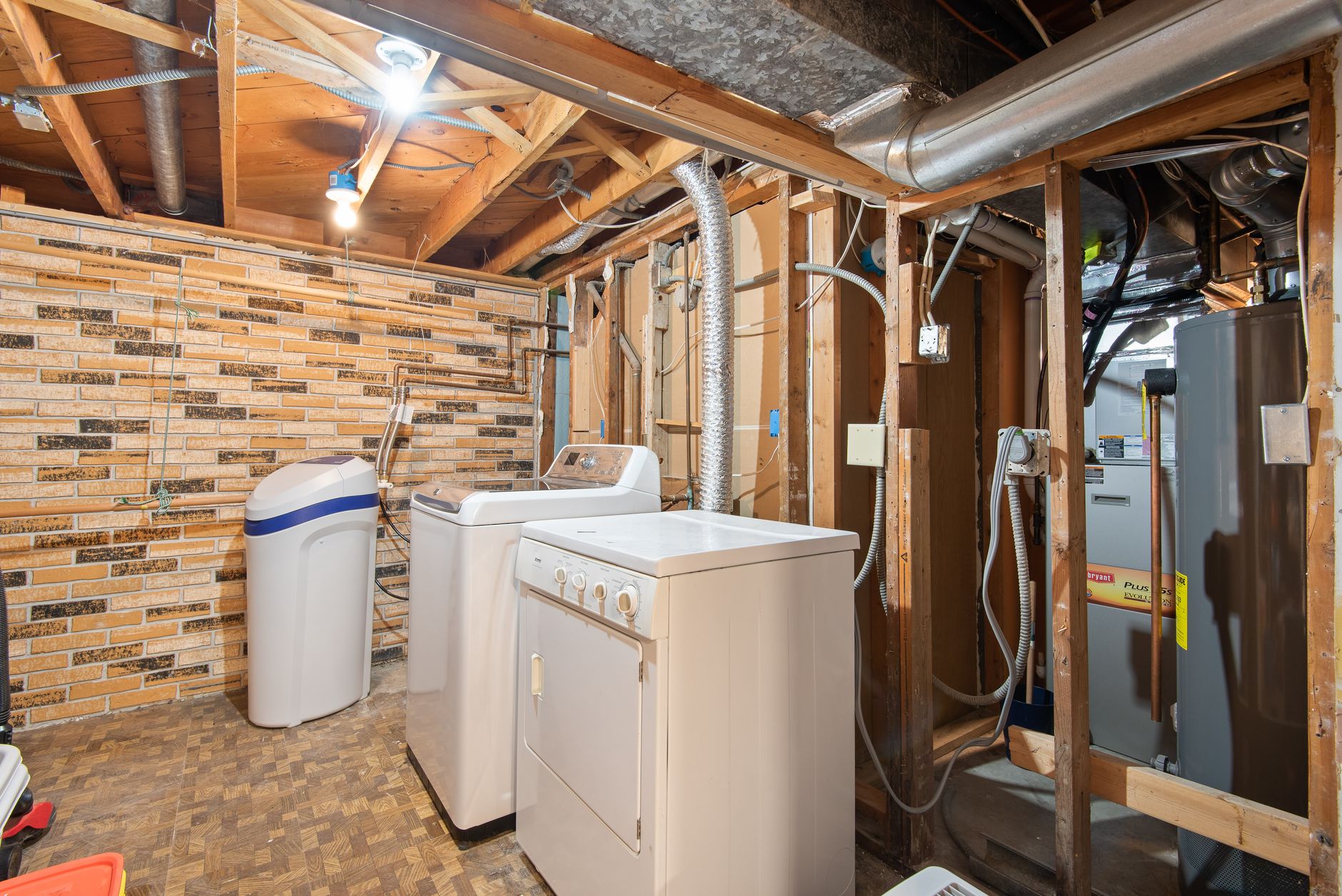
Water heaters tend to be ignored until the shower turns cold or the tank leaks. Warning signs can appear earlier: rusty water, popping sounds, moisture around the base, a failing pressure relief valve, or corrosion near fittings. Waiting too long can turn a planned replacement into an emergency cleanup, especially if the tank is near finished flooring, storage boxes, or living space. Even if replacement is not needed yet, inspection can reveal small issues before they become messy.
- Check next: the unit age, rust marks, dampness, strange noises, and whether the drain pan has a clear path.
- What can go wrong: a sudden leak can damage flooring, drywall, and personal belongings.
The Foundation Crack
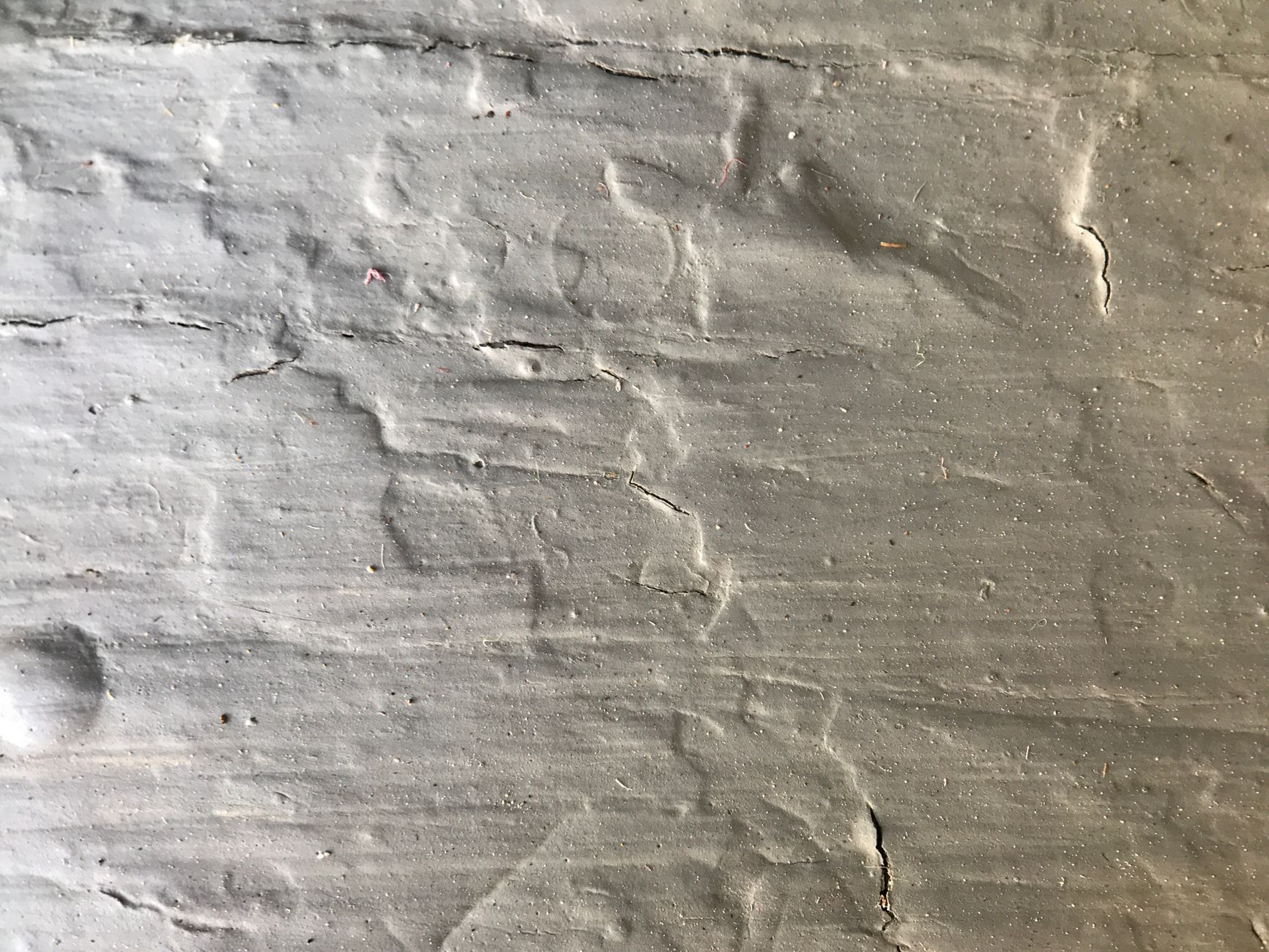
Not every foundation crack means disaster, but every new or changing crack deserves attention. Hairline cracks, stair-step cracks in masonry, gaps near windows, or doors that start sticking can all point to movement, moisture, or drainage problems. Homeowners often wait because they fear the worst, but an early assessment may lead to manageable fixes such as grading, downspout extensions, sealing, or monitoring. Waiting can let water intrusion and structural stress become harder to separate.
- Check next: crack width, moisture, musty smells, sloped floors, and whether the crack changes after heavy rain.
- Who it helps: homeowners planning to stay put and anyone who may sell in the next few years.
The Flickering Outlet
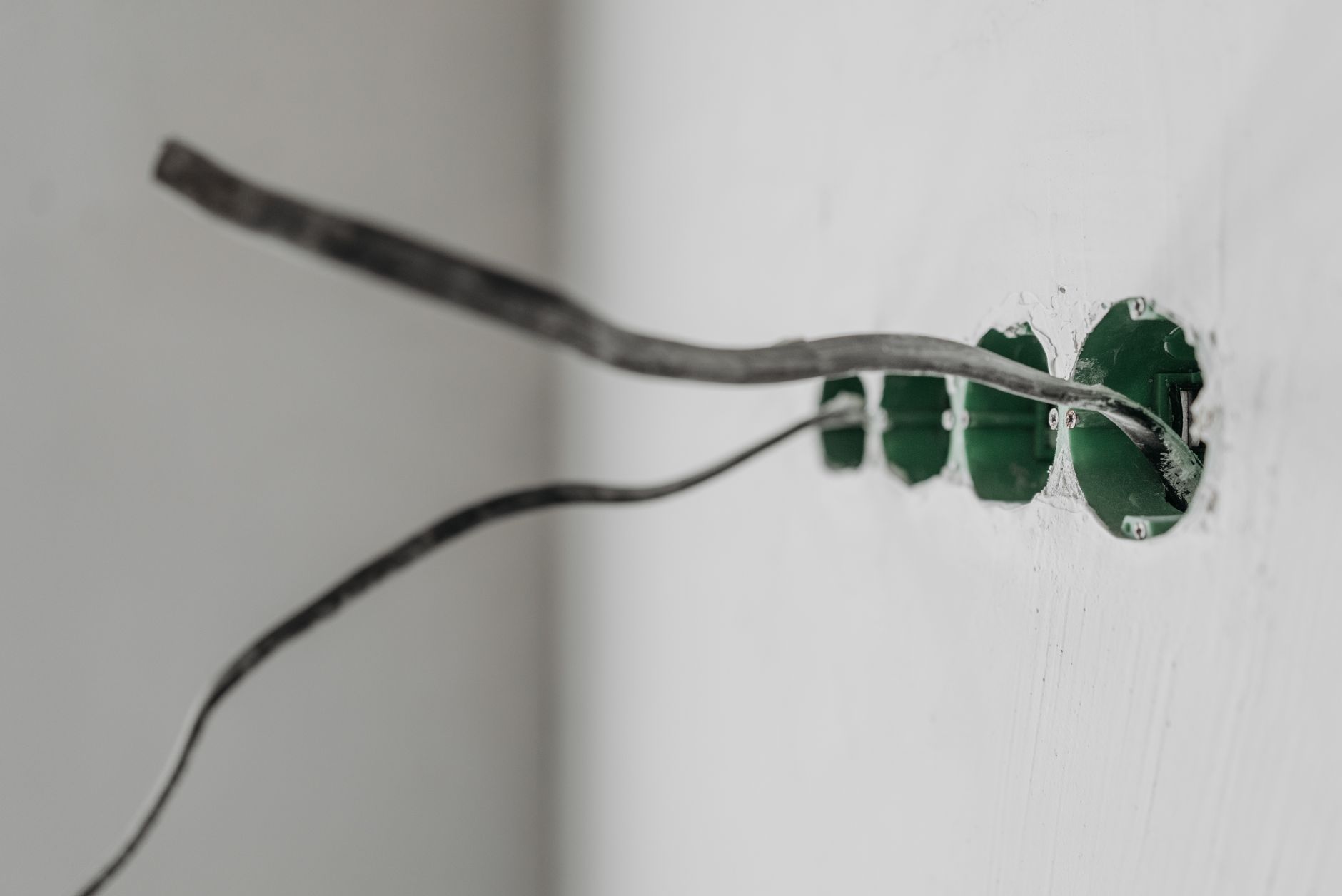
Flickering lights, warm outlets, buzzing switches, or plugs that sit loosely should not be treated as quirks of an older house. Electrical problems can come from worn devices, loose connections, overloaded circuits, or other issues that need proper attention. This is one repair people delay because the lights still turn on, but the stakes are higher than inconvenience. At minimum, stop using suspect outlets and have the problem checked before adding more devices to the same circuit.
- Check next: warmth, discoloration, buzzing, sparks, breaker trips, and plugs that fall out easily.
- Why it matters: small warning signs can point to safety risks that should not be handled casually.
The repair that saves money is not always the cheapest one on paper. It is the one handled before damage spreads into another room, system, or season. If several of these warning signs are already showing up, start with water, electrical, and structural issues first, then schedule the less urgent maintenance before it becomes urgent.